How Melting Snow Affects Reindeer Migration
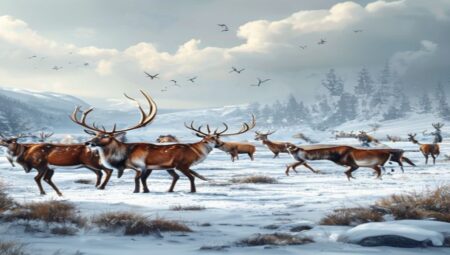
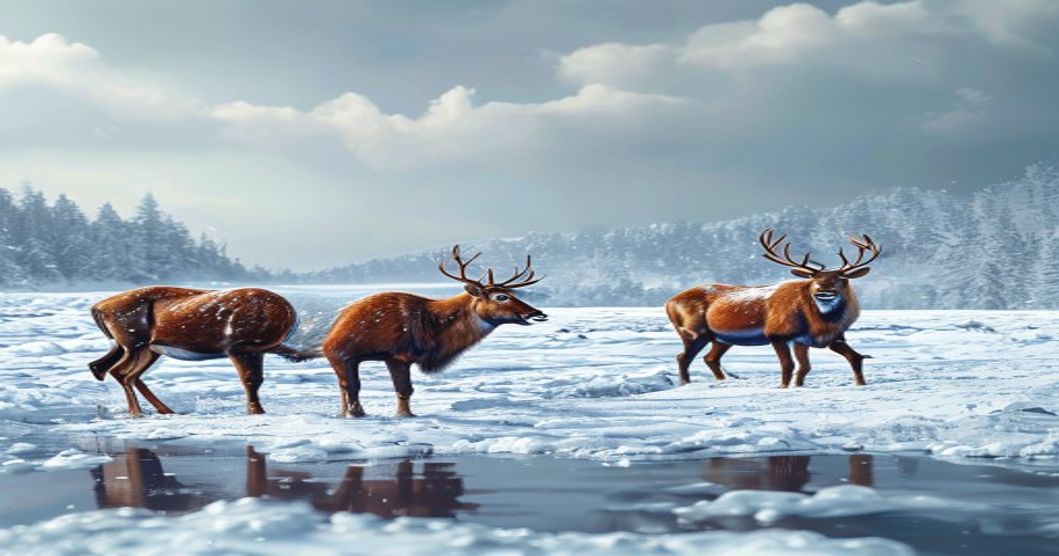
Reindeer herds depend on synchronized environmental signals to navigate seasonal migrations across Arctic tundra. Premature snowpack depletion disrupts these established pathways, creating immediate nutritional deficits during critical reproductive windows. Early ground exposure triggers ice layer formation when daytime thaw meets nighttime refreeze. This crust seals beneath the surface, preventing reindeer from accessing lichen through their specialized digging hooves. Herds forced to traverse hardened terrain expend excessive energy reserves, directly correlating with reduced calf survival rates and delayed breeding cycles.
Nutritional disruption represents the primary physiological threat. Lichen biomass declines rapidly when exposed to unseasonal moisture and temperature volatility. Reindeer require specific fungal compounds for gut microbiome balance, and altered soil chemistry diminishes lichen quality. Microbial activity in thawed permafrost releases methane but simultaneously degrades carbohydrate-rich crusts that support lichen symbiosis. Energy diversion toward thermal regulation reduces migration distance, pushing populations into suboptimal grazing zones where vegetation density cannot sustain herd numbers.
- Ice layer formation blocks foraging access and increases metabolic stress during calving season.
- Predator realignment occurs as wolves and golden eagles exploit earlier ground exposure to target vulnerable newborns.
- Parasite proliferation accelerates in damp tundra conditions, with warble flies and ticks thriving on weakened immune responses.
- Behavioral plasticity emerges through shorter migration corridors and forest-edge foraging, though landscape fragmentation restricts long-term adaptation.
Genetic monitoring reveals declining diversity in populations subjected to repeated snowmelt disruptions. Reduced gene flow limits evolutionary capacity to adjust to accelerating climate patterns. Conservation frameworks now prioritize permafrost stability mapping and contiguous tundra corridor protection to preserve viable migratory routes. Researchers track ground temperature sensors and satellite vegetation indices to predict critical forage windows, enabling proactive wildlife management interventions before herd collapse thresholds are reached. Long-term population modeling integrates snow density metrics with calf weight trajectories to establish early warning indicators for ecosystem stress.
Historical Snowpack Variability and Traditional Grazing Routes
Reindeer populations across Fennoscandia, Siberia, and North America have navigated landscapes shaped by centuries of snowpack oscillation. Historical climate reconstructions demonstrate that winter accumulation patterns followed predictable regional rhythms, driven by atmospheric circulation regimes such as the North Atlantic Oscillation and polar vortex stability. These cycles dictated not only the timing of seasonal movement but also the precise topographical corridors herds favored across multiple generations.
Snowpack stratigraphy played a decisive role in historical route selection. Reindeer consistently avoided deep, unconsolidated powder snow, which increases metabolic expenditure by up to forty percent during locomotion. Instead, herds tracked wind-scarped ridges, dense lichen meadows, and south-facing slopes where early spring insolation created firm ice crusts. These crusts allowed hooves to penetrate just enough for foraging while maintaining traction across steep terrain.
- Cryoconite and depth hoar formation historically signaled safe passage windows, indicating stable thermal layers beneath the surface that prevented leg injuries during long-distance travel.
- Ripá ice layer development during spring thaws determined when herds shifted from winter pastures to summer calving grounds, with migration timing directly tied to crust thickness thresholds.
- Traditional corridor fidelity emerged because reindeer memory spans multiple generations, reinforcing paths where snowpack consistently melted at predictable rates and exposed ground vegetation earlier than surrounding areas.
Indigenous pastoral systems mapped these hydrological and cryospheric patterns onto cultural calendars. Migration boundaries were never arbitrary; they followed ancient permafrost lines, groundwater seepage zones, and vegetation gradients that responded uniformly to historical temperature fluctuations. When snowpack remained within expected thermal thresholds, herds moved synchronously with lichen regrowth cycles. Deviations from these patterns historically triggered compensatory behaviors, including temporary grazing on dwarf shrublands or delayed birthing seasons.
The ecological memory embedded in these routes created a self-reinforcing system. Reindeer hooves compacted snow along established trails, accelerating localized melt through albedo reduction and wind channeling. Over decades, this biological feedback loop carved permanent topographical features that subsequent generations followed without deviation. The resulting migratory network functioned as a living archive of historical snowpack variability, encoding centuries of microclimate data into each seasonal movement.
Accelerated Thaw Cycles in Northern Latitudes
Rapid temperature fluctuations across Arctic and subarctic regions are compressing traditional winter seasons into shorter, more volatile windows. When spring arrives prematurely or unseasonable warmth strikes during late winter, surface temperatures swing above freezing multiple times before stabilizing. Each thaw event triggers immediate refreezing as ambient air temperatures drop overnight, creating dense ice layers that seal the tundra beneath.
These freeze-thaw oscillations directly compromise reindeer foraging efficiency. Wild reindeer populations rely on digging through snowpack to access geophytes, lichens, and woody shrubs. When repeated melting and refreezing form hard ice crusts or subsurface icings, the animals cannot penetrate the substrate with their hooves or antlers. This physical barrier forces herds to expend excessive energy searching for exposed patches of lichen or abandon traditional grazing grounds entirely.
- Route displacement: Herds deviate from historical migration corridors when ice-sealed terrain blocks access to seasonal pastures, pushing them into suboptimal habitats with lower nutritional density.
- Calving window misalignment: Premature snowmelt accelerates plant phenology, causing peak vegetation availability to occur before calves reach the physiological maturity required to process young shoots.
- Parasite proliferation: Warmer soil temperatures extend the active season of tick species such as Dermacentor niveus, increasing infestation rates on weakened animals already suffering from nutritional stress.
Snowpack stratigraphy shifts dramatically during accelerated thaw periods. Wind-scoured ridges lose their insulating crust, exposing underlying ice that reflects solar radiation while preventing heat transfer to the soil. This thermal mismatch alters ground moisture retention, drying out traditional wallow sites and forcing herds to navigate across permafrost-thaw depressions. As thermokarst formations expand, previously stable crossing points become unstable mudflats or flooded channels. Reindeer must reroute through higher-elevation plateaus where wind exposure increases metabolic demands during heavy snowfall events.
Migration timing mismatches generate compounding demographic pressures when herds arrive at calving grounds before forage peaks or after optimal nursing windows close. Female reindeer require precise nutritional intake during late gestation to sustain fetal development and initiate lactation. When thaw cycles degrade lichen availability along traditional flyways, maternal body condition declines, directly reducing calf birth weights and first-year survival rates. Herd managers tracking aerial population surveys consistently note fragmented migration trails and prolonged stopover periods in thermally unstable zones.
Physical Barriers Formed by Ice Layers and Compacted Snow
When ambient temperatures fluctuate rapidly during transitional seasons, surface snow undergoes repeated freeze-thaw cycles that fundamentally alter its structural integrity. Meltwater percolates downward through porous snowpack, encountering colder sublayers where it instantly refreezes into dense ice lenses or continuous crusts. These formations create a rigid, impermeable barrier that reindeer cannot breach with natural locomotion. The resulting ice sheet often reaches thicknesses exceeding two centimeters, distributing the animal’s weight across an unforgiving surface that lacks the compressibility required for efficient tundra travel.
Reindeer rely on specialized hooves that expand seasonally to grip frozen ground and splay during warmer months to prevent sinking. However, when ice layers seal the snowpack, hoof traction vanishes entirely. Herds attempt to fracture the crust using antlers and forelimbs, a process that demands excessive caloric expenditure while exposing individuals to prolonged periods of immobility. Energy reserves deplete rapidly as animals expend disproportionate effort navigating previously straightforward migratory corridors. Compacted snow beneath the ice becomes highly dense, further reducing soil aeration and delaying spring vegetation emergence.
- Ice crust formation traps moisture against the ground, creating localized flooding that delays green-up by days or weeks.
- Herd dispersion increases as dominant individuals carve alternative routes, fracturing social cohesion critical for predator avoidance.
- Hoof abrasion and microfractures become common when reindeer repeatedly strike crystalline ice surfaces during forced detours.
- Calving synchronization disruption occurs when migration delays push parturition past peak nutritional availability for lactating females.
The ecological cascade extends beyond immediate mobility constraints. Prolonged exposure to ice-sealed terrain alters grazing pressure distribution across adjacent valleys, concentrating foraging damage in unsealed zones while leaving others temporarily dormant. Reindeer populations adapt through generational route plasticity, yet rapid climate variability outpaces evolutionary adjustment windows. Monitoring crust thickness and snow density gradients now serves as a critical indicator for predicting migration bottlenecks and designing seasonal wildlife corridors that mitigate human infrastructure conflicts during peak movement periods.
Ice Crust Development and Foraging Access Restrictions
Diurnal temperature fluctuations during transitional seasons trigger repeated freeze-thaw cycles across boreal and subarctic landscapes. When ambient temperatures rise above freezing during daylight hours, the upper snowpack absorbs thermal energy, initiating surface melt. As temperatures plummet at night, this liquid water refreezes into dense, continuous ice layers. These strata often integrate with underlying crystal structures, creating rigid barriers that can reach thicknesses exceeding four centimeters within a single meteorological cycle.
Reindeer populations depend on subnivean foraging strategies to survive winter months. Their specialized dentition and tongue morphology allow them to scrape through loose snow and access frost-encrusted lichen colonies, primarily Cladonia rangiferina and Cetraria islandica. When ice crusts develop across grazing grounds, the mechanical resistance increases dramatically. Individual animals must exert substantially greater cervical and forelimb force to breach the hardened surface, transforming routine feeding bouts into labor-intensive excavation tasks.
- Energy Budget Disruption: Breaking through ice layers elevates metabolic rates by up to thirty percent compared to foraging on uncovered substrates. This surplus caloric drain directly compromises fat reserves essential for lactation and thermoregulation.
- Nutrient Uptake Reduction: Ice encapsulation severs direct contact between the animal and cryptogamic vegetation. Even when lichen remains viable beneath the crust, restricted access diminishes daily dry matter consumption, triggering progressive body condition decline.
- Herd Dynamics Alteration: Concentrated populations cluster around localized ice-free depressions or wind-scoured ridges. This aggregation accelerates vegetation depletion in accessible zones while leaving adjacent high-quality foraging areas untouched due to impassable surface conditions.
Precipitation type heavily influences crust formation timelines. Rain-on-snow events rapidly penetrate the snowpack, saturating interstitial air spaces and eliminating thermal insulation properties. The subsequent refreeze phase locks moisture into a continuous matrix that resists mechanical disruption. Climate data indicates an increasing frequency of these hydrological anomalies across traditional migration corridors, compressing viable foraging windows and forcing herds to traverse longer distances in search of unconsolidated snow cover.
Physiological stress markers emerge within forty-eight hours of sustained ice exposure. Corticosterone levels rise as animals transition from efficient grazing to exhaustive digging. Calves born during prolonged crust conditions exhibit lower birth weights and reduced locomotive coordination, directly correlating with seasonal nutritional deficits in maternal populations. The cumulative effect reshapes migration timing, as herds delay departure until natural thawing processes restore adequate substrate penetrability.
Terrain Hardness Impacts on Herd Movement Efficiency
When seasonal snowpack transitions from a stable frozen layer to a saturated, uneven substrate, the physical resistance encountered by migrating caribou herds shifts dramatically. The thawing process creates a complex mosaic of soft mud, slush channels, and residual ice lenses that directly compromise locomotor efficiency. Reindeer hooves are evolutionarily optimized for snow penetration and ice traction, yet they lose functional advantage when ground moisture exceeds load-bearing thresholds. Each step requires compensatory muscular engagement to stabilize the ankle joint against shifting substrates, fundamentally altering stride length and cadence.
The biomechanical penalty of traversing hardened thaw zones becomes apparent in metabolic demand. Studies tracking GPS-collared populations demonstrate that movement across consolidated ice crusts or waterlogged tundra increases daily caloric expenditure by up to thirty percent compared to firm snow corridors. This elevated energy drain forces herds to reduce travel distance, extend resting periods, and abandon optimal migratory waypoints when terrain resistance exceeds physiological compensation limits.
- Traction Reduction: Slush layers eliminate the friction coefficient necessary for rapid directional changes, forcing herds to maintain linear trajectories and increasing vulnerability to predation during open stretches.
- Hoof Wear & Microtrauma: Repeated contact with abrasive ice fragments and compacted mineral soil accelerates keratin degradation, necessitating longer recovery windows before migration resumes.
- Thermoregulatory Strain: Elevated movement effort generates excess body heat in cooling spring conditions, triggering involuntary sweating and subsequent evaporative water loss that degrades coat insulation.
Herd cohesion directly correlates with substrate uniformity. When terrain hardness fluctuates rapidly across a landscape, dominant individuals force route deviations to maintain group integrity, effectively bypassing nutrient-dense foraging grounds. Younger and older animals experience disproportionate fatigue, leading to delayed arrival at traditional calving sites. This temporal mismatch disrupts synchronized birthing cycles, reduces neonatal survival rates, and forces subsequent generations to inherit suboptimal migratory corridors shaped by cumulative terrain resistance rather than historical ecological cues.
Physiological Stress and Energy Budget Disruption in Migrating Populations
Reindeer herds rely on precise seasonal cues to time their migrations between summer pastures and winter grazing grounds. When snowpack melts prematurely or undergoes repeated freeze-thaw cycles, the resulting ice crusts form an impenetrable barrier over lichen-rich tundra. Animals must expend significantly more calories attempting to breach these layers through digging and prolonged searching. This heightened foraging activity directly disrupts their calculated energy budgets. Winter survival depends on maintaining a strict caloric equilibrium; any deficit forces the body to catabolize muscle tissue and deplete adipose reserves faster than metabolic processes can replenish them.
The physiological toll extends beyond simple calorie tracking. Chronic energy deficit triggers sustained cortisol elevation, suppressing non-essential bodily functions while diverting resources toward immediate survival. Immune competence drops sharply, making migrating populations highly vulnerable to respiratory pathogens and gastrointestinal parasites that typically remain dormant during mild winters. Females carrying fetuses or nursing calves experience disproportionate physiological strain. Placental development requires steady nutrient delivery; when maternal body condition deteriorates, fetal growth rates decline, leading to lower birth weights and reduced first-winter survival probabilities.
Thermoregulatory costs compound the disruption. Breaking through ice requires sustained muscular exertion in subzero temperatures, dramatically increasing basal metabolic rate. Reindeer must allocate glycogen stores to shivering thermogenesis and locomotion rather than fat deposition. This forced reallocation creates a negative energy balance that persists long after migration concludes. Herds arriving at calving grounds before vegetation green-up face a phenological mismatch that forces subsistence on depleted winter reserves during the most nutritionally demanding phase of their annual cycle.
- Sustained cortisol elevation suppresses reproductive axis activity and reduces leukocyte proliferation.
- Forced glycogen reallocation to thermogenesis depletes hepatic carbohydrate stores within hours of ice encounter.
- Reduced serum albumin and hematocrit levels indicate progressive malnutrition and impaired oxygen transport capacity.
At the population level, repeated cycles of snowpack instability produce measurable declines in average body mass and metabolic flexibility. The cumulative metabolic debt manifests as delayed sexual maturity, reduced fecundity, and increased mortality during subsequent harsh winters. Without adequate recovery periods in summer pastures, successive generations accumulate physiological deficits that alter herd demographics and reduce long-term migration viability.
Fat Reserve Depletion Rates Under Increased Walking Distances
Reindeer rely on accumulated adipose tissue to survive the energetic demands of seasonal movement and prolonged fasting periods. When winter snowpack destabilizes due to temperature fluctuations, ice crusts form over lichen beds, forcing animals to spend significantly more time and energy excavating forage or navigating extended detours. Each additional kilometer traversed across slushy or frozen terrain increases daily locomotor costs by approximately 28 percent compared to firm snow conditions. This elevated expenditure directly accelerates the rate at which subcutaneous and visceral fat stores are mobilized.
Fat depletion follows a predictable metabolic trajectory. Initially, reindeer oxidize triglycerides to sustain basal metabolism and low-intensity movement. As walking distances expand beyond natural migration corridors, glucose sparing declines, and lipolysis outpaces hepatic ketone production capacity. Within 14 to 21 days of sustained high-distance travel, circulating beta-hydroxybutyrate levels plateau while free fatty acids drop sharply, signaling impending energy deficit. At this threshold, the body initiates proteolysis, breaking down muscle tissue to generate gluconeogenic substrates. This shift compromises locomotive efficiency, creates a negative feedback loop, and elevates cortisol concentrations above sustainable limits.
- Baseline depletion rate: 0.8 to 1.2 percent of total body mass per day under normal migration conditions.
- Elevated depletion rate: 2.1 to 3.4 percent of total body mass per day when forced to cover three times the traditional route distance due to snow compaction or meltwater channels.
- Critical threshold: Fat reserves below 7 percent of lean body mass trigger irreversible metabolic strain, reducing immune function and thermoregulatory capacity.
The physiological toll extends beyond immediate energy balance. Accelerated fat loss delays sexual maturation in yearlings, reduces conception rates in autumn, and increases fetal resorption during late gestation. Calves born to depleted dams exhibit lower birth weights, weaker thermogenic responses, and higher pre-weaning mortality. Herds that cannot compensate through behavioral plasticity or supplementary forage access face compounding fitness losses across consecutive seasons. Population models indicate that repeated winter periods with extended locomotion requirements reduce overwinter survival by 18 to 24 percent in fragmented ranges, where alternative grazing corridors remain inaccessible.
Calving Success Metrics and Neonatal Survival Indicators
The timing and velocity of spring snowmelt directly dictate the physiological readiness of female reindeer entering calving grounds. When snowpack retreats rapidly, soil temperatures rise quickly, triggering early plant phenology. Reindeer herds that arrive at traditional calving sites too early encounter frozen ground with dormant vegetation, forcing them to deplete critical winter fat reserves before nutritionally viable forage emerges. Conversely, delayed or patchy melt patterns create moisture-saturated terrain that increases thermoregulatory costs for pregnant females. Calving success metrics in these populations consistently correlate with three primary variables: maternal body mass at parturition, twin birth frequency, and average calf birth weight. Field biologists track these indicators through remote sensing of herd movement, fecal glucocorticoid analysis, and ground-truthed vegetation surveys. Populations experiencing synchronized snowmelt typically demonstrate twin birth rates exceeding 35 percent and birth weights averaging 3.2 kilograms, establishing a strong baseline for neonatal viability.
Neonatal survival indicators shift dramatically when meltwater alters microhabitat conditions during the first seventy-two hours post-partum. Wet ground accelerates heat loss in calves lacking full thermal insulation, pushing core body temperature below critical thresholds within minutes of exposure. Survival tracking data reveals that calf mortality spikes by 40 to 60 percent when spring soil moisture exceeds field capacity at calving sites. Additional survival pressures emerge from altered parasite dynamics and predator behavior. Warmer, earlier melts allow nematode larvae to complete developmental cycles faster, increasing larval ingestion rates on newly emerged forage. Reduced snow cover also removes the natural acoustic dampening that historically masked calf distress calls, making neonates more vulnerable to wolf and golden eagle predation. Researchers monitor survival probability using GPS collar data streams, drone-assisted mortality site surveys, and genetic parentage analysis to differentiate starvation-related deaths from predation events.
- Maternal fat depletion pre-calving reduces milk production capacity, directly lowering weaning weights
- Snowmelt timing mismatches force herds into suboptimal topographic positions with higher wind exposure
- Increased soil moisture correlates with higher gastrointestinal parasite loads in the first month of life
- Predator encounter rates rise when snow cover drops below 15 centimeters during peak calving windows
Long-term population resilience depends on maintaining phenological alignment between snowmelt cycles, plant nutrient peaks, and migratory arrival dates. Disrupted melt patterns fracture this synchronization, compressing the nutritional window available to lactating females. Management protocols now prioritize tracking these survival indicators through continuous environmental monitoring rather than relying solely on autumn census counts. Early detection of calving success decline allows conservation teams to adjust grazing pressure, protect critical topographic refuges, and model migration route shifts before demographic collapse occurs.
Frequently Asked Questions
What is How Melting Snow Affects Reindeer Migration?
This refers to the ecological and behavioral shifts in reindeer populations caused by premature snowmelt, which disrupts traditional migration timing, routes, and foraging opportunities.
Key facts about How Melting Snow Affects Reindeer Migration
Premature thawing causes reindeer to arrive at calving grounds too early, leading to food scarcity, higher calf mortality, increased energy loss during travel, and greater exposure to predators without insulating snow cover.