The Geological Foundations of Timeless Architecture
Limestone & Volcanic Rock: Material Origins
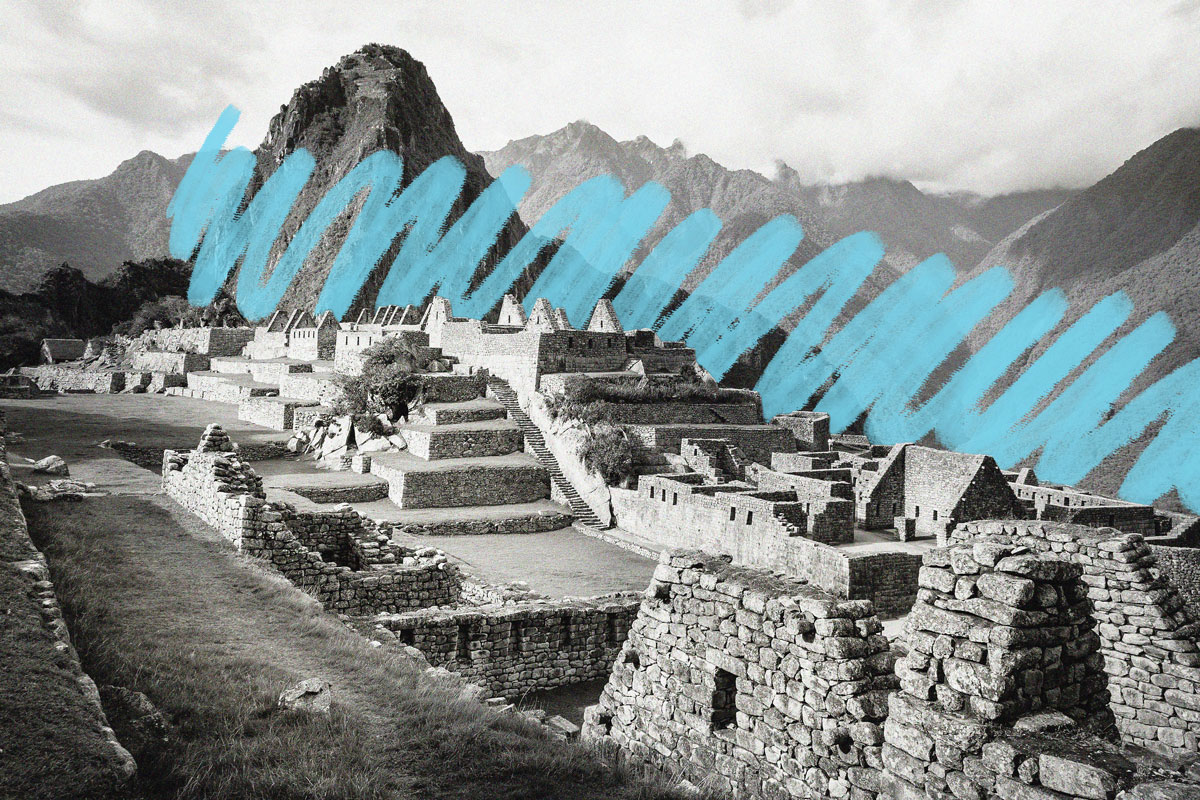
The enduring legacy of Notre-Dame de Paris and Machu Picchu begins with their distinct geological substrates. Notre-Dame was constructed using Lutetian limestone, quarried from the Île-de-France region, a sedimentary rock known for its compressive strength and workability. This material allowed medieval masons to carve intricate tracery while maintaining structural integrity under heavy vault loads. Conversely, Machu Picchu sits atop a complex network of Precambrian quartzite and Incaic volcanic tuff. The Incas selected dense andesite and diorite for ceremonial structures, prioritizing durability against the high-altitude Andean climate. Stone selection in both contexts reflects an advanced understanding of geomechanics long before modern material science.
Quarrying Techniques Across Continents
Medieval French quarries employed wedge-and-feather methods to extract massive limestone blocks, minimizing fracturing during transport to the Parisian construction site. The logistics involved river barge systems along the Seine, a critical infrastructure that dictated the cathedral’s vertical expansion phases. In the Cusco region, Incan quarrymen utilized bronze chisels, stone hammers, and controlled thermal shock by heating rock surfaces before rapid cooling with water. This technique enabled the precise fragmentation of volcanic bedrock without compromising the core material’s crystalline structure.
Engineering Marvels in Stone
Gothic Mastery at Notre-Dame de Paris
The architectural innovation of Notre-Dame lies in its ribbed vaulting and flying buttress system, which redistributed lateral thrust away from the nave walls. This Gothic engineering allowed for thinner masonry infill and expansive stained-glass windows, fundamentally altering medieval spatial dynamics. The limestone blocks were locked using iron clamps and
From lofty Andean ridges to the Gothic towers of Paris, these two monuments tell contrasting stories of craftsmanship and era. Notre-Dame’s life began in the medieval heart of Europe, begun in 1163 and rising to fame over two centuries as a beacon of Gothic architecture. By the mid-14th century, it stood not only as a religious center but as a symbol of civic identity for Paris.
In the highlands, Machu Picchu marks a different cadence of history. Attributed to the Inca Empire, it most likely emerged as a royal retreat for Pachacuti in the 15th century. Recent investigations using radiocarbon dating push the site’s occupancy earlier, to the 1420s or even slightly before, suggesting a longer prelude before its eventual quiet disappearance under the shadow of the Spanish conquest.
Comparing these timelines, we see two civilizations shaping their surroundings with distinct techniques. European builders refined cathedral-scale construction, while the Inca developed highly precise stonework in the Andes that often required no mortar. Yet both sites endure, even as Machu Picchu was abandoned in the 16th century, leaving a legacy that continues to fascinate the world.