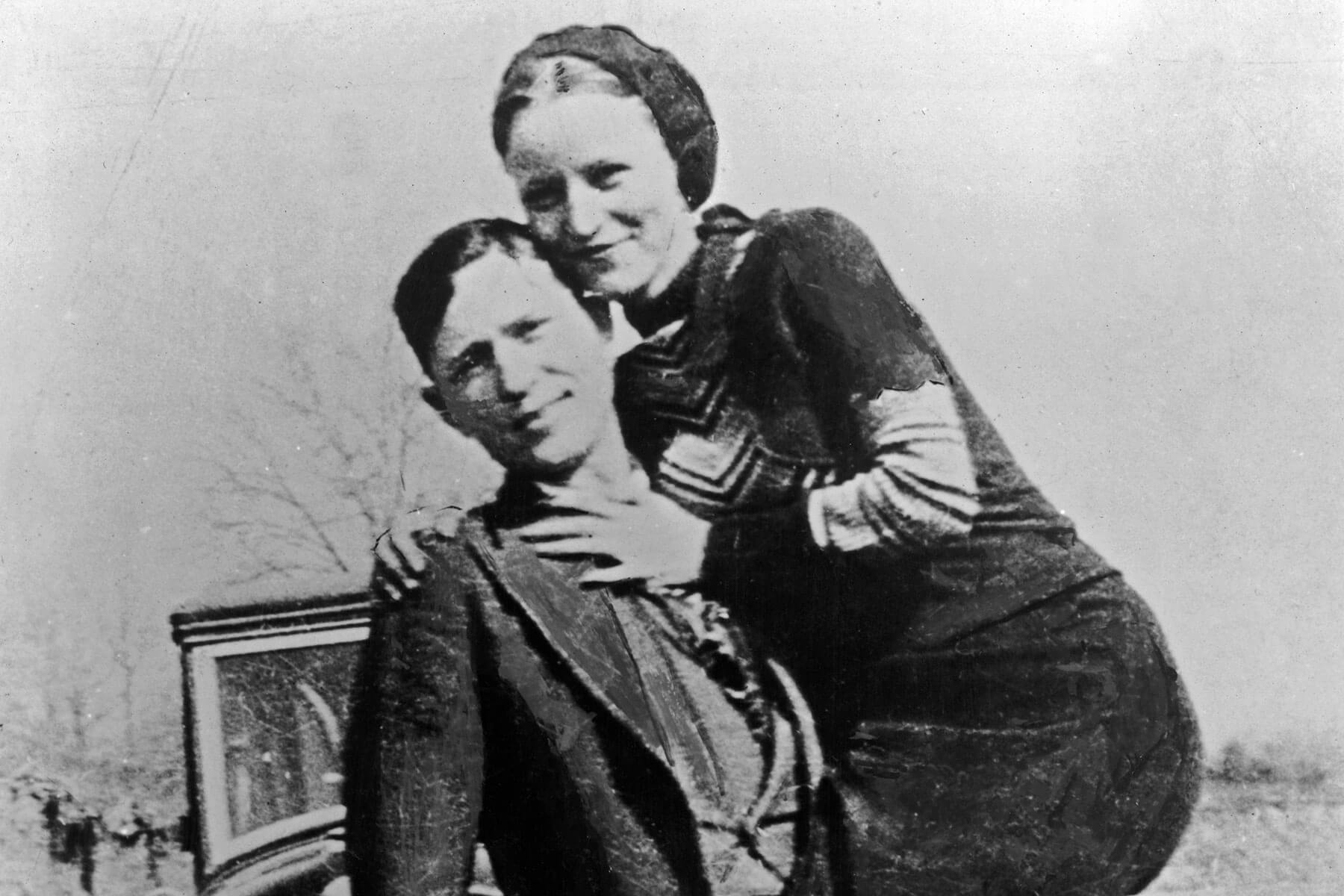
In the shadow of the Great Depression, Bonnie Parker and Clyde Barrow emerged not just as criminals, but as a myth etched into American folklore. Their story begins with a chance meeting in Dallas, where a spark of romance quickly intertwined with a thirst for rebellion. A brief jail break and a string of fateful choices carried them across states, fusing romance with outlawry as they joined the Barrow Gang and drew headlines that echoed nationwide.
What followed was a public fascination with a couple whose love seemed to eclipse the violence surrounding them. They appeared as symbols of defiance in a time of hardship, a duo whose bravado captured the imagination of a country hungry for daring escapades. Yet the arc of their partnership unfolded toward a violent end, marked by an ambush in Louisiana and national mourning that accompanied their deaths. Their fame endured in stories, songs, and repeatedly told legends that outlived their years on the run.
Bonnie and Clyde Were Never Married
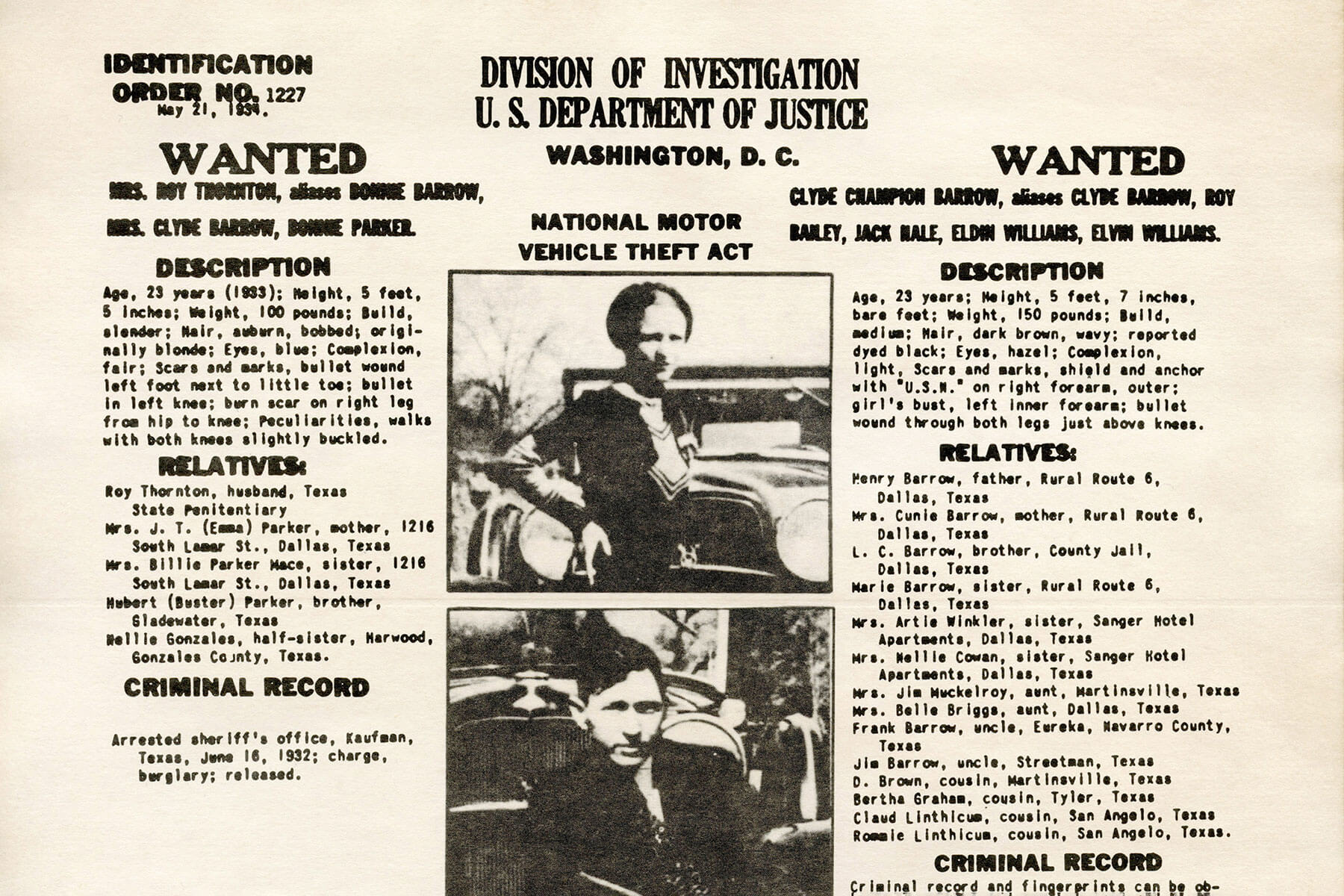
Despite the intimate image painted by myth, the two never tied the knot. Bonnie Parker had married Roy Thornton while still a teenager, a union marked by separations and legal troubles. Though posters sometimes labeled her as “Mrs. Roy Thornton,” she eventually reclaimed her maiden name, and her grave marker reads simply “Bonnie Parker.” Thornton, who was imprisoned for robbery, later commented on their exit from life with a wry, fatalistic remark. A separate note from the era preserves the notion that his own escape attempts met a grim end.
Their Own Photos Contributed to Their Notoriety as Outlaws
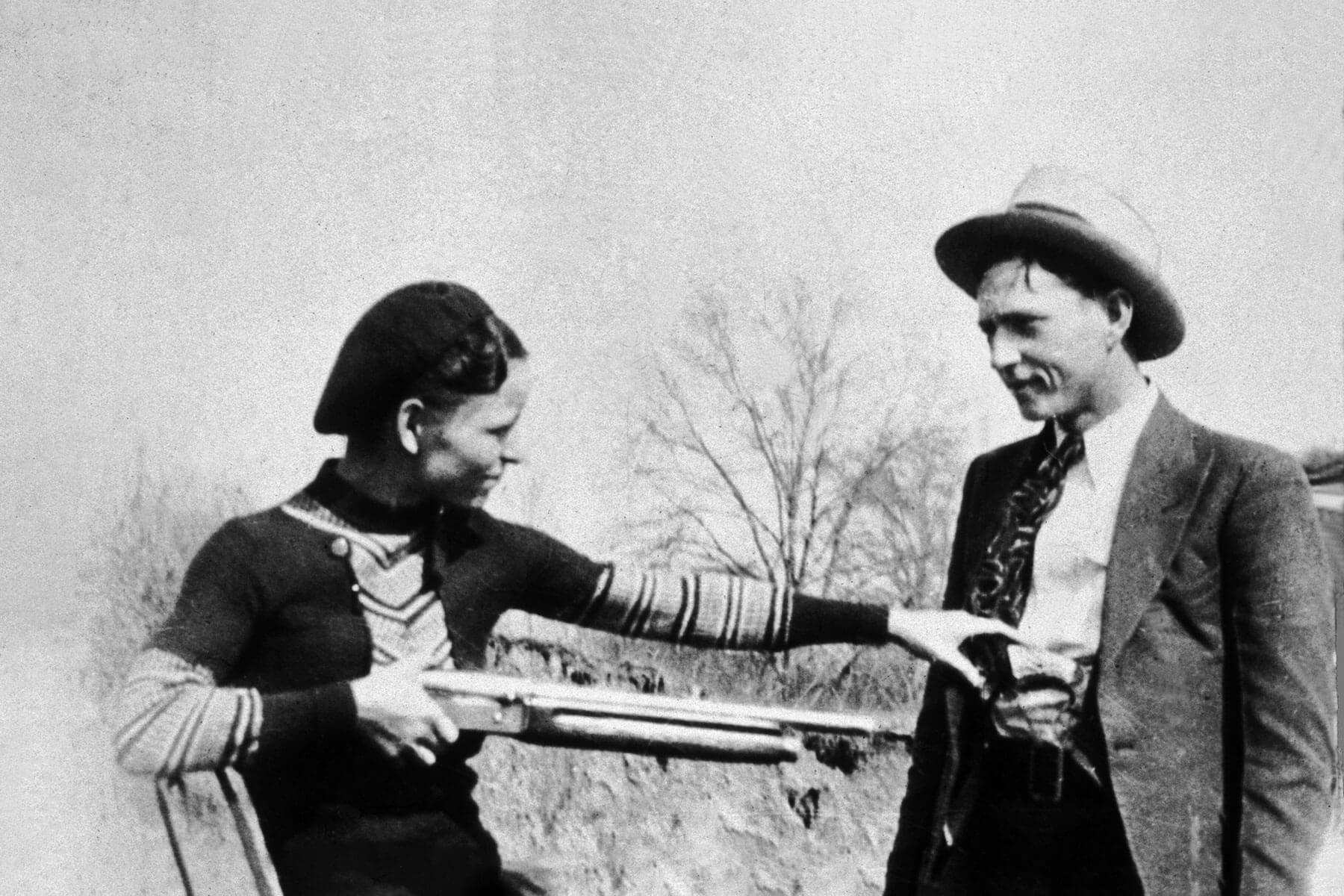
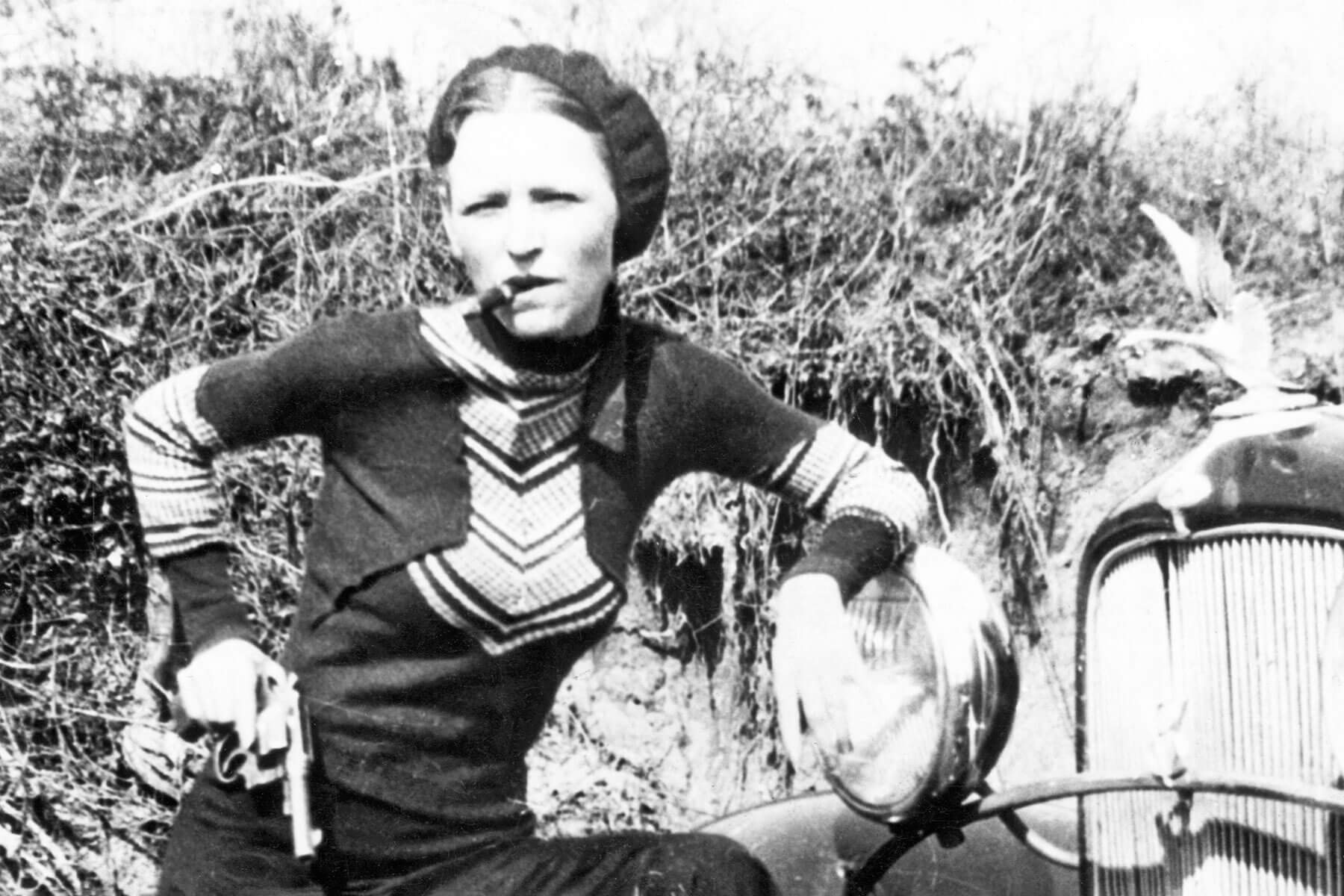
During a raid on a hideout in Joplin, authorities recovered imagery that would fuel a growing fascination with Bonnie and Clyde. Unfinished frames depicting the couple—one where Bonnie points a rifle at Clyde, another where she comfortably smokes a cigar—circulated in newspapers, painting Bonnie as a daring, gun-toting companion. In reality, the cigar was a prop borrowed from a fellow gang member, and there’s little evidence she fired a weapon in anger. The FBI later described her as an accomplice who never fired a shot, a paradox that only amplified the legend surrounding them.
They Both Wrote Poetry About Their Life of Crime
Among the artifacts connected to the pair are poems attributed to Bonnie and Clyde, shared with family and the public. Bonnie’s preternatural talent for writing persisted after she left school to marry, and she continued composing even as the Barrow Gang operated. A letter carried by her mother contained a poem that reflected on their eventual fate, while Clyde’s lines acknowledged Bonnie’s greater literary flair and hinted at their shared destiny. The poetic voices contributed to a romanticized portrait of their era and relationship.
Their “Death Car” Is on Display Outside Las Vegas
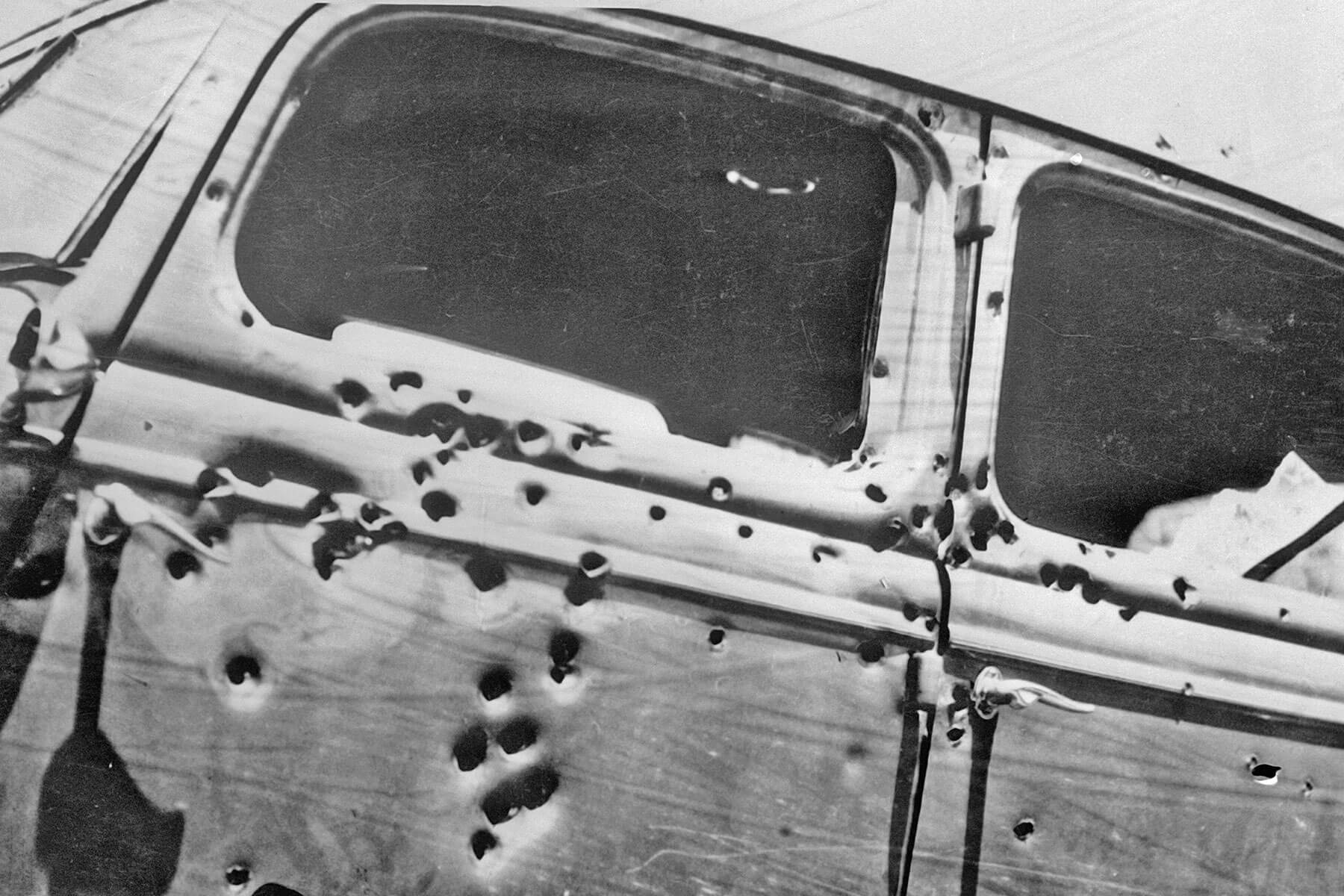
As law enforcement closed in, the couple moved across the country, often hiding in stolen cars and avoiding capture through mobile living. Today, the infamous sedan in which they perished is showcased near Las Vegas, part of a display that also features Clyde’s shirt from the day of the ambush. The exhibit sits at a resort that paid a substantial sum to secure the car, turning a piece of history into a public relic and a reminder of their dramatic escape from the law.
The 1967 Film Was a Hit, But It’s More Myth Than Truth
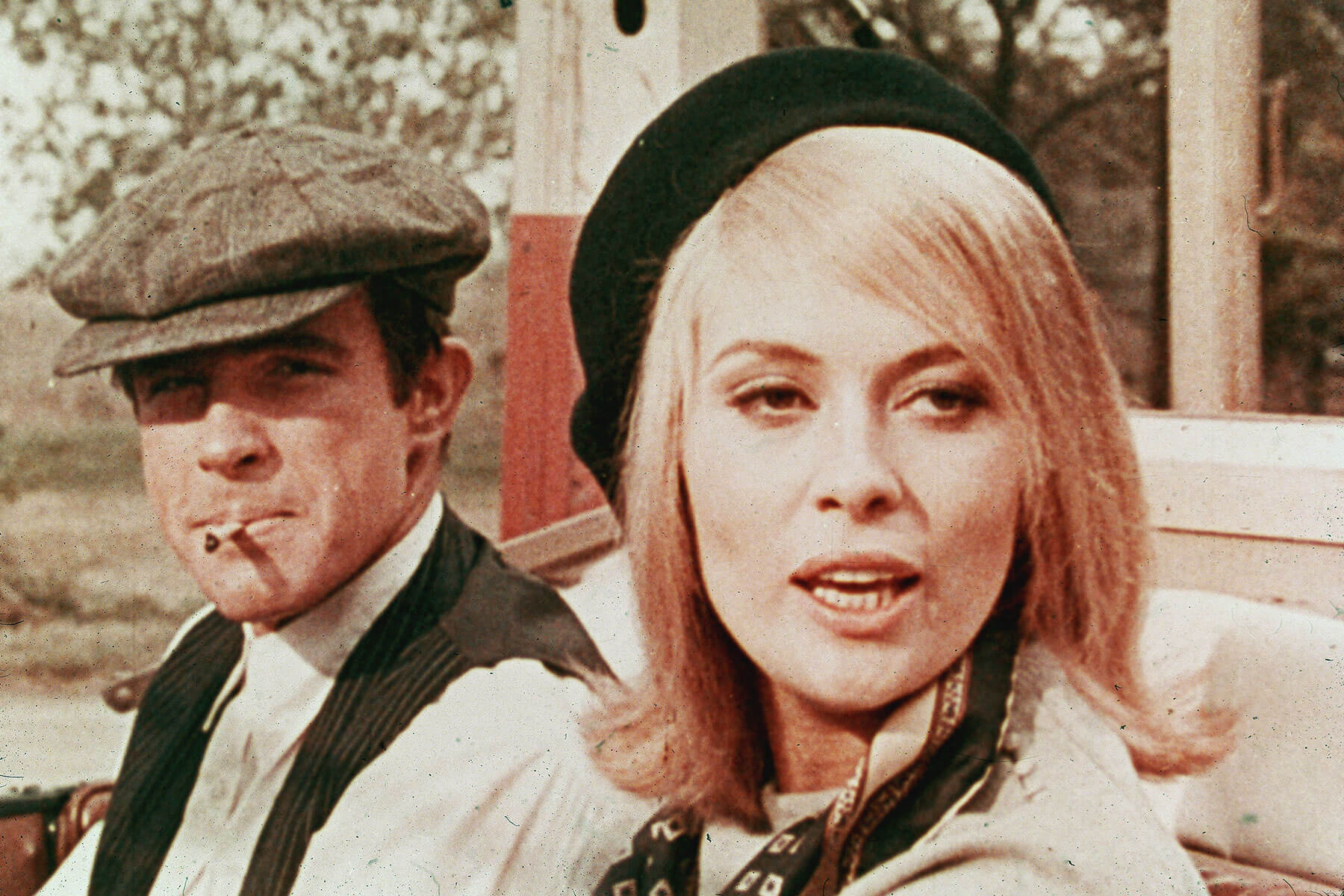
After their deaths, Bonnie and Clyde’s tale was retold and reshaped by others, culminating in the 1967 film that helped redefine their image for a new generation. The movie cast the couple as glamorous rebels who preferred death to surrender, a portrayal later described by biographers as largely inaccurate. Nevertheless, the film became a landmark in New Hollywood, earning recognition for its impact on cinema and its enduring place in popular culture.