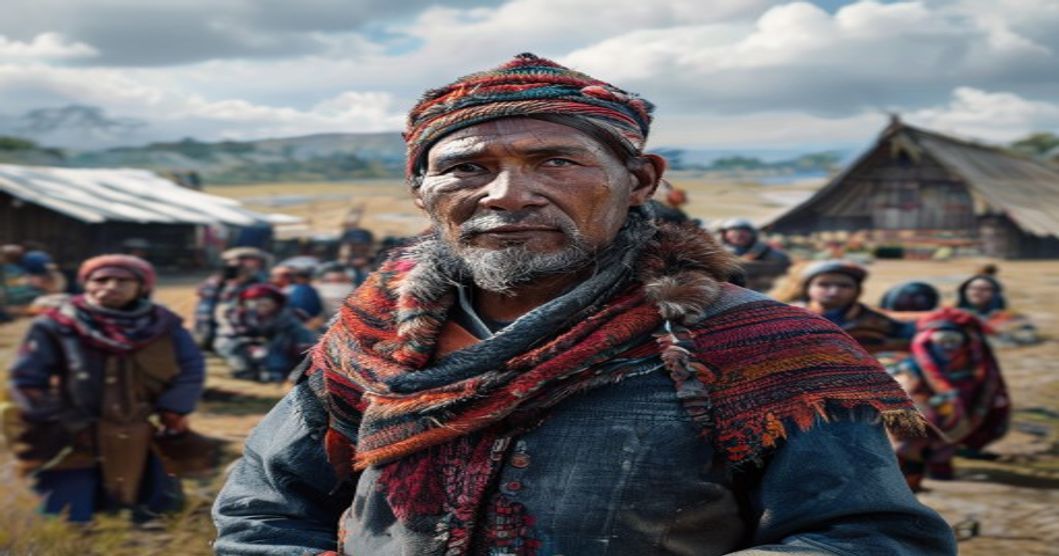
The Economic Landscape of Modern Sámi Communities
Contemporary Sámi livelihoods have shifted from exclusively subsistence-based practices to a diversified economic framework that balances ancestral traditions with modern market demands. While historical occupations centered on hunting, gathering, and pastoralism, today’s primary professions reflect both cultural continuity and adaptation to regional development policies across Norway, Sweden, Finland, and the Kola Peninsula.
Reindeer Herding and Traditional Livelihoods
Reindeer herding remains the most recognized Sámi profession, with approximately 2,800 active herders in Norway alone and similar concentrations in northern Sweden and Finland. This occupation requires specialized knowledge of animal behavior, seasonal migration routes, and pasture management. Modern reindeer herding integrates GPS tracking, veterinary science, and digital inventory systems while maintaining communal land rights under the Sámi Reindeer Herding Act. Economic pressures from climate change, infrastructure expansion, and grazing land fragmentation continue to shape this profession’s viability.
Fishing, Aquaculture, and Coastal Economies
Coastal Sámi communities have historically relied on marine fisheries, a practice that persists alongside industrial aquaculture operations. In Finnmark and Troms counties, many Sámi professionals work in salmon farming, herring processing, and sustainable catch management. Coastal Sámi livelihoods now frequently involve marine biology research, environmental monitoring, and aquaculture technology management. Regulatory frameworks emphasize co-management agreements between indigenous representatives and national fisheries authorities to protect traditional fishing grounds.
Cultural Tourism and Heritage-Based Services
The Sámi tourism industry has expanded significantly, driven by demand for authentic cultural experiences and ecotourism. Professionals in this sector include tour guides, cultural interpreters, hospitality managers, and wildlife photography specialists. Many enterprises are Sámi-owned and focus on reindeer safaris, dog sledding operations, and seasonal festivals like the Duodji craft exhibitions. Tourism revenue directly supports language revitalization programs and indigenous rights advocacy through community-controlled business models.
Public Sector, Education, and Administrative Roles
Government employment represents a growing professional pathway for Sámi graduates. Positions within Sámi parliaments, municipal administrations, and national cultural institutes require expertise in bilingual policy development, indigenous law, and cross-cultural administration. Educational institutions employ Sámi linguists, curriculum developers, and university researchers specializing in Arctic studies. The expansion of Sámi-language healthcare services and social work programs has created specialized roles for professionals trained in indigenous community outreach and mental health support.
Arts, Crafts, and Indigenous Knowledge Preservation
Duodji craftsmanship and Sámi visual arts constitute a vital economic sector, with professional artists producing traditional clothing, silver jewelry, woodworking, and contemporary installations. Many practitioners operate as independent designers, gallery owners, or cultural consultants for municipal heritage projects. Academic institutions and indigenous organizations employ ethnographers, archival specialists, and digital preservation technicians to document oral histories, linguistic databases, and traditional ecological knowledge. Commercial licensing of Sámi motifs requires strict adherence to authenticity standards and intellectual property protections.
Emerging Sectors: Technology, Healthcare, and Resource Industries
Technological advancement has introduced new professional avenues for Sámi communities. Digital media production, software development, and remote sensing analysis are increasingly utilized by indigenous organizations for land monitoring and language app development. The healthcare sector employs Sámi-trained physicians, nurses, and public health administrators who integrate traditional healing practices with modern medical protocols. While mining and renewable energy projects generate employment in engineering and environmental compliance, community representatives actively negotiate benefit-sharing agreements and impact assessment participation rights to ensure sustainable development aligns with indigenous governance principles.
Frequently Asked Questions
What is Main Jobs in Sami Communities Today?
The main jobs in Sami communities today revolve around traditional livelihoods adapted to modern contexts, including reindeer herding, fishing, handicrafts (duodji), tourism, and public sector employment such as education, healthcare, and cultural preservation.
Key facts about Main Jobs in Sami Communities Today
Key facts include: reindeer herding remains a central cultural and economic activity; the Sami parliaments and cultural institutions provide significant public sector employment; modern education has expanded opportunities in law, medicine, and technology; and sustainable tourism focused on Sami heritage is a growing economic sector across Norway, Sweden, Finland, and Russia.