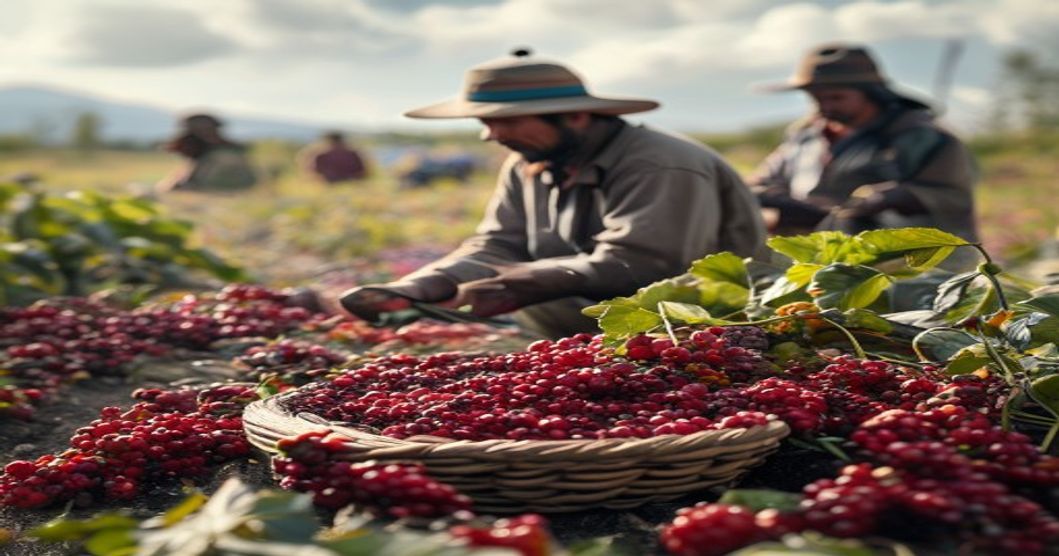
Comprehensive Guide to Sami Berry Picking Traditions
The Sami people have cultivated a sophisticated system of berry foraging that extends far beyond simple food collection. Rooted in the rhythms of the Arctic tundra and subarctic forests, this practice integrates ecological observation, seasonal migration patterns, and generational knowledge passed through oral transmission. Foraging occurs during the brief but intense summer window when daylight persists for nearly twenty-four hours, allowing extended harvesting periods across vast territories.
Primary species include cloudberry (Láibá), which thrives in peat bogs and commands cultural significance due to its high vitamin C content and complex flavor profile; lingonberry (Rávddu); blueberry (Muorje); and crowberry (Gierdá). Each fruit demands specific soil conditions, microclimates, and harvesting techniques. Traditional pickers utilize wooden bierggát (berry combs) to extract berries from delicate stems without damaging the underlying moss or reindeer lichen, preserving the fragile tundra ecosystem.
- Seasonal timing: Harvest windows shift annually based on snowmelt patterns, temperature fluctuations, and insect activity. Elders monitor natural indicators such as bird migrations and plant flowering stages to predict peak ripeness.
- Spiritual protocol: Before entering a harvesting zone, foragers observe quiet rituals acknowledging the land’s autonomy. Cutting green branches or uprooting plants remains strictly prohibited under traditional Sámi law (Earn).
- Processing methods: Fresh berries are either dried on wooden frames over low fires, fermented in reindeer stomachs for preservation, or combined with cloudberry pulp and whey to create Láibápuddra, a staple winter food source.
Contemporary berry picking intersects with Indigenous land rights discussions and climate monitoring initiatives. Rising temperatures alter flowering cycles, shorten the harvesting season, and shift species distribution northward. Sámi cooperatives now document phenological changes through community-led observation networks while maintaining legal protections for traditional foraging under national forestry codes and UNDRIP frameworks. The practice persists not as a relic of the past, but as an active adaptation strategy that sustains cultural continuity and ecological stewardship across generations.
Historical Context of Indigenous Foraging Practices
Long before external cartographic boundaries divided the Scandinavian Peninsula, Sámi communities navigated boreal forests and tundra through a sophisticated ecological framework rooted in generational observation. Indigenous foraging functioned as a critical component of cultural continuity, spiritual practice, and survival strategy across millennia. The harvesting of wild berries, particularly cloudberries (Rubus chamaemorus), bilberries (Vaccinium myrtillus), and cowberries (Vaccinium vitis-idaea), aligned precisely with reindeer migration routes and seasonal light cycles. These practices emerged from a deeply integrated understanding of soil composition, microclimates, and plant phenology, documented through oral transmission rather than written records. Sacred sites known as sieidi often marked areas where berry growth remained exceptionally abundant, reinforcing the spiritual dimension of foraging. Ritual offerings and seasonal chants accompanied initial harvests, ensuring reciprocal respect between harvesters and the landscape.
The mechanical and botanical knowledge encoded in Sámi foraging techniques required rigorous apprenticeship. Elders taught youth how to distinguish edible species from toxic lookalikes by examining leaf venation, stem structure, and fruit coloration under specific lighting conditions. Preservation methods evolved to exploit natural freezing cycles, with berries stored in hollowed birch logs or packed in reindeer fat within sealed containers. This extended shelf life proved essential during long winter months when agricultural alternatives remained unavailable. State policies introduced during the seventeenth through nineteenth centuries attempted to suppress these practices by enforcing sedentary taxation systems and Christian missionary directives that labeled forest-based livelihoods as pagan backwardness. Despite systematic marginalization, berry gathering persisted as a covert economic backbone for countless households.
- Phenological Tracking: Foragers monitored lichen bloom cycles and insect flight patterns to predict optimal berry ripening windows with remarkable accuracy.
- Sustainable Yield Management: Traditional harvesting avoided complete strip-picking, leaving sufficient fruit for wildlife and natural seed dispersal mechanisms.
- Tool Evolution: Early foragers utilized curved bone or antler combs to separate berries from stems efficiently, minimizing tissue damage to the plants.
Contemporary ecological studies now validate many historical Sámi foraging principles. Research demonstrates that low-intensity wild berry harvesting promotes biodiversity by creating forest gaps that support secondary growth and insect habitats. The survival of these practices through centuries of land appropriation and cultural assimilation policies underscores the resilience of indigenous knowledge systems. Modern conservation frameworks increasingly recognize that sustainable resource management does not require modern technology, but rather consistent application of empirically tested ecological relationships.
Cultural Significance and Spiritual Connections
For the Sámi people, berry picking transcends subsistence agriculture; it operates as a lived spiritual practice deeply embedded in ancestral cosmology. The act of foraging cloudberries, bilberries, and lingonberries follows lunar and solar cycles that dictate when the land yields its gifts. Each season carries specific ritual expectations, with early summer marking the first harvest and late autumn reserved for preservation rituals. Elders guide youth through these rhythms, emphasizing that patience and quiet observation are prerequisites for successful gathering.
Traditional Sámi worldview perceives nature not as a resource to exploit but as a living entity requiring reciprocity. Before entering forest zones, gatherers often perform silent acknowledgments to the haldde (forest spirits) and earth guardians. This ritualistic approach ensures ecological balance while reinforcing intergenerational responsibility. Knowledge transfer occurs through immersive field instruction rather than formal manuals, with children learning to identify soil composition, moss health, and bird behavior as indicators of berry abundance.
- Foraging routes are transmitted through oral geography, encoded in place names that describe historical harvest yields and spiritual markers.
- Harvesting adheres to strict seasonal windows synchronized with reindeer migration patterns and watershed cycles.
- Traditional preservation relies on natural dehydration, smoke curing, and fermentation techniques that require precise humidity monitoring.
Contemporary Sámi communities maintain these practices as active cultural resilience rather than historical reenactment. The distribution of harvested berries through kinship networks reinforces mutual aid systems that predate modern welfare structures. Ecological stewardship remains central, with selective harvesting ensuring soil microbiome integrity and plant regeneration. This continuous engagement with forest landscapes sustains linguistic vocabulary related to terrain, weather patterns, and botanical classification, preserving a knowledge system that adapts to climate shifts without abandoning foundational spiritual principles.
Traditional Tools and Harvesting Techniques
The Sámi people have developed a highly specialized set of harvesting instruments over centuries, each meticulously crafted to maximize yield while preserving the delicate ecosystems of northern Scandinavia and Finland. At the core of this tradition lies the berry comb, a hand-forged tool typically constructed from hardened steel or weather-resistant wood such as birch or rowan. The metal variants feature curved tines spaced precisely at half-inch intervals, allowing pickers to glide through dense vegetation and detach berries without damaging surrounding shoots. Artisans traditionally temper these combs in reindeer antler handles, ensuring a secure grip during long foraging expeditions across uneven terrain.
- Harvesting occurs exclusively during the brief Arctic summer window, when cloudberries reach peak sugar concentration and lingonberries develop their characteristic tartness. Pickers monitor microclimates and soil moisture levels to identify optimal growth zones.
- The traditional technique involves a rhythmic side-to-side motion rather than plucking, which prevents root disturbance and encourages perennial regrowth. Each berry is released naturally from its pedicel, preserving the protective waxy bloom that extends shelf life.
- Communal harvesting rotations dictate territory usage, with families rotating through established boglands and mountain slopes according to generational land maps. No more than thirty percent of a given patch is harvested annually, leaving ample fruit for reindeer, birds, and natural seed dispersal.
Storage and transport rely on woven birch bark containers lined with dried grasses or reindeer fur, which regulate humidity and prevent crushing during transit. Skilled gatherers employ a two-stage sorting method: field grading separates ripe fruit from unripe specimens using palm pressure, while final processing involves air-drying on raised wooden racks positioned in shaded, ventilated areas. Modern adaptations occasionally incorporate stainless steel replacements for the original iron combs, yet the fundamental biomechanics of Sámi berry harvesting remain unchanged. The technique demands acute botanical literacy—knowing which moss beds indicate cloudberry maturity, recognizing lingonberry leaf gloss as a ripeness indicator, and understanding how lichen coverage correlates with berry sweetness. These accumulated practices form a resilient foraging framework that sustains both nutritional needs and cultural continuity across generations.
Essential Equipment Used in Sápmi Regions
Foraging in the Sápmi region demands specialized gear adapted to subarctic terrain, fragile vegetation, and rapidly shifting weather conditions. Traditional Sami berry pickers rely on a carefully curated set of tools that balance efficiency with ecological preservation. The cornerstone of this equipment is the wooden berry rake, locally known as rast or bärkammen. Crafted from durable birch or alder wood, this curved comb features evenly spaced prongs designed to sweep through lingonberry and bilberry bushes without tearing roots or stripping branches. Modern artisans still produce these tools using time-tested techniques passed down through generations.
- Canvas shoulder bags replace heavy containers, allowing pickers to move freely across uneven fells while distributing weight evenly.
- Reindeer leather gloves provide essential grip and insulation during early morning harvests when frost lingers on low-lying shrubs.
- Multi-purpose folding knives serve dual roles in tool maintenance, food preparation, and navigating dense underbrush.
Footwear selection directly impacts mobility across Sápmi’s wet tundra. Traditional skuvlun boots crafted from reindeer hide offer natural waterproofing and thermal regulation, though contemporary foragers increasingly pair them with moisture-wicking wool socks. In marshy cloudberry habitats, lightweight mesh nets prevent deep sinking while enabling simultaneous harvesting across broader ground surfaces. Weather monitoring remains critical; portable barometers and wind-resistant layering systems mitigate risks during sudden Arctic storms.
Sustainability dictates equipment choices alongside practicality. Pickers avoid metal tines that damage mycorrhizal networks, opting instead for smooth wooden edges that release berries cleanly. Storage containers feature breathable linings to prevent fermentation in warm conditions, preserving fruit integrity during long treks back to settlement areas. Craftsmanship remains vital; handles are regularly oiled with reindeer tallow to prevent cracking during temperature fluctuations, while bag seams receive wax treatments that repel moisture and extend lifespan across multiple harvesting seasons.
Seasonal Calendars and Optimal Picking Windows
The Sami approach to berry harvesting relies on precise seasonal calendars that sync with microclimatic shifts, soil temperature thresholds, and vegetative growth stages. These calendars are not arbitrary; they emerge from generations of observed phenological markers, such as the flowering of specific moss species or the migration patterns of migratory birds that signal ground thawing. When tracking optimal picking windows, pickers monitor sugar accumulation rates, which peak only during narrow temperature bands between 12°C and 18°C. Harvesting outside these parameters results in berries with underdeveloped pectin structures, leading to rapid spoilage and diminished flavor compounds.
Cloudberries demand strict timing due to their biennial fruiting cycle. The primary harvest window opens in late July and closes by early September, contingent upon consistent daytime warmth and minimal frost risk. Bilberries follow a different phenological rhythm, maturing from mid-August through October, with peak anthocyanin concentration occurring after the first light frosts that trigger stress-response chemistry in the plant tissues. Crowberries require extended ripening periods, often persisting on the vine until deep into November, provided snow cover insulates the shrubs from extreme cold snaps.
- Lingonberry phase: Mid-July to late August; berries firm up and develop tartness when daytime temperatures exceed 15°C for seven consecutive days.
- Raspberry transition: Early summer flush peaks in June, with a secondary autumn yield appearing only after prolonged dry spells reduce fungal pressure.
- Cowberry storage window: Post-harvest processing must occur within forty-eight hours to preserve volatile aromatic compounds before enzymatic degradation accelerates.
Historical Sami calendars also integrated lunar cycles, using waxing phases to determine soil moisture retention and waning moons to align with sap flow reduction. Modern pickers cross-reference these traditional markers with satellite-derived vegetation indices and ground-level hygrometer readings. Climate volatility has compressed several historical windows by twelve to eighteen days over the past three decades, forcing communities to adjust harvesting routes dynamically. Successful navigation of these shifting parameters requires real-time observation of lichen coloration, air humidity thresholds, and wind direction changes that precede precipitation events.
Optimal picking success ultimately depends on matching botanical readiness with environmental stability. Pickers who ignore phenological synchronization risk damaging fruiting canes or collecting berries with compromised cellular integrity. The traditional calendar remains a living document, continuously refined through empirical field data and intergenerational knowledge transfer rather than fixed dates alone.
Legal Rights and Ethical Foraging Standards
Foraging regulations across Sápmi operate within a complex intersection of public access statutes and indigenous land claims. In Sweden, the principle of allemansrätten grants universal rights to collect wild berries, yet these privileges terminate immediately upon entering designated reindeer herding zones or protected conservation areas. Norway enforces comparable provisions through allemannsretten, while Finland applies jokamiehenoikeus with identical geographic limitations. Despite uniform public access frameworks, Sami communities hold legally recognized usufructuary rights derived from the 1975 Sámi Convention and subsequent Supreme Court rulings that affirm traditional foraging as an integral component of cultural continuity. International instruments, including ILO Convention 169 and UNDRIP, further reinforce the obligation of Nordic states to protect indigenous harvesting practices from arbitrary legislative interference.
Regulatory boundaries shift considerably depending on jurisdictional management zones. National parks in Lapland require prior authorization for commercial collection, whereas recreational gathering remains permitted under strict yield limits. Municipal bylaws frequently impose seasonal windows aligned with ecological recovery periods, typically closing harvests during late summer when seed dispersal and wildlife provisioning demand minimal human disturbance. Reindeer husbandry cooperatives maintain exclusive jurisdiction over designated pastures, where unauthorized berry extraction constitutes a violation of both environmental statutes and traditional grazing protections. Local authorities monitor compliance through periodic audits and satellite-assisted land use mapping to prevent habitat degradation.
- Sustainable Yield Management: Harvesters must retain at least thirty percent of mature fruit on each bush to ensure natural seed propagation and sustain local avian populations that rely on seasonal carbohydrate sources.
- Habitat Protection Protocols: Avoid trampling fragile lichen mats and moss layers during collection, particularly in wetland ecosystems where root systems remain highly susceptible to soil compaction.
- Cultural Boundary Recognition: Maintain distance from marked sacred sites, ancient dwelling foundations, and active reindeer corrals, as these locations carry legally protected status under indigenous heritage legislation.
- Species Verification Standards: Cross-reference morphological characteristics with authoritative field guides before consumption, prioritizing documented edible varieties such as cloudberry (Rubus chamaemorus), bilberry (Vaccinium myrtillus), and crowberry (Empetrum nigrum) while excluding toxic lookalikes or misidentified wild strawberries.
Enforcement mechanisms increasingly integrate traditional ecological knowledge with modern conservation science. Regional environmental agencies collaborate with Sami reindeer herding districts to establish co-management frameworks that synchronize harvest schedules with migratory patterns and vegetation cycles. Violations trigger escalating penalties ranging from equipment confiscation to substantial fines, reflecting the judicial system’s recognition of foraging activities as both an economic necessity and a protected cultural expression. Compliance requires continuous monitoring of legislative updates, particularly amendments addressing climate-driven phenological shifts that alter berry maturation timelines across northern latitudes.
Norwegian, Swedish, and Finnish Land Access Laws
The legal frameworks governing land access across Norway, Sweden, and Finland share a common Scandinavian foundation rooted in customary rights to roam and forage on uncultivated terrain. In Norway, allemannsretten grants individuals unrestricted access to wild landscapes for walking, camping, and non-commercial gathering. Swedish allemansrätten operates under nearly identical principles, emphasizing public access while prohibiting damage to private property or cultivated fields. Finland codifies similar provisions through jokamiehenoikeus, enshrined in the Constitution and reinforced by regional forestry statutes. All three jurisdictions treat personal berry picking as a protected customary activity, provided it remains within sustainable limits and respects local ecological conditions.
Commercial harvesting introduces strict regulatory boundaries that significantly alter access rights. Norwegian law under the Nature Diversity Act requires explicit landowner consent for large-scale cloudberry or lingonberry extraction. Swedish legislation similarly restricts commercial foraging to designated zones, with recent court rulings affirming property owners’ authority to deny entry for profit-driven operations. Finland’s Forestry Act and Food Safety Authority guidelines mandate permits for industrial berry collection, while also recognizing traditional Sami reindeer herding territories as legally protected zones where commercial activity faces additional scrutiny.
- Norway: Personal picking is unrestricted on public and private uncultivated land; commercial harvesting demands written authorization from landowners or municipal authorities. Reindeer grazing areas impose seasonal bans to protect indigenous livelihoods.
- Sweden: Allemansrätten allows foraging but prohibits machinery use without consent. Landowners may legally block access if picking causes environmental degradation or interferes with agricultural operations.
- Finland: Jokamiehenoikeus permits free gathering of berries and mushrooms, yet commercial enterprises must comply with the Finnish Food Authority’s hygiene standards and regional land-use plans. Sami parishes hold recognized grazing rights that override standard access rules during migration periods.
Traditional Sami berry picking intersects with these modern statutes through indigenous land use agreements and international protections like ILO Convention 169, ratified by Norway and Sweden. While commercialization has transformed wild berry harvesting into a multi-million euro industry, legal distinctions between subsistence gathering and profit extraction remain firmly enforced. Landowners in all three countries retain the right to establish private reserves, yet customary access persists as a legally recognized cultural practice. Navigating these frameworks requires precise awareness of seasonal restrictions, ecological carrying capacity, and the documented historical use patterns that sustain Sami foraging heritage.
Sustainable Practices for Modern Berry Collectors
Modern berry collection demands precise ecological stewardship to maintain long-term viability across diverse biomes. Harvesters must prioritize soil preservation by avoiding compaction through strategic route planning and designated access trails. Heavy foot traffic degrades microbial habitats and restricts oxygen exchange, directly impairing root development. Utilizing narrow-gather tools with rounded tips prevents accidental tearing of rhizomes and protects adjacent understory species. Leaving at least thirty percent of the yield unharvested supports trophic networks; avian dispersers and small mammals depend on residual fruit for winter survival and spring reproduction cycles.
Water table protection requires careful slope management near riparian zones. Collectors should implement vegetative buffer strips to filter particulate matter and prevent nutrient leaching into aquatic systems. Implementing rotational harvesting schedules allows depleted patches to recover biomass over consecutive growing seasons. Post-collection processing must align with environmental carry capacity. Washing stations should utilize closed-loop water filtration to eliminate residues before discharge. Composting leftover stems and unripe fruit returns essential carbon and nitrogen to the substrate, accelerating natural decomposition cycles.
- Baseline Site Assessment: Document soil moisture levels, canopy cover percentages, and adjacent pollinator activity before initiating any harvest. Establishing ecological indicators prevents overexploitation of fragile microhabitats.
- Selective Picking Protocols: Target only fully matured fruit while leaving green berries to complete developmental cycles. This maximizes seed viability and supports natural forest regeneration processes without disrupting local food webs.
- Closed-Loop Resource Management: Install rainwater catchment systems at temporary campsites to prevent groundwater contamination. Remove all packaging materials and leave organic debris undisturbed to decompose naturally within the ecosystem.
- Phenological Alignment: Utilize climate-responsive tracking tools to monitor flowering and fruiting stages accurately. Harvest strictly within optimal biological windows rather than commercial timelines to preserve genetic diversity and ensure robust seed set for future generations.
Community land stewardship agreements often include mandatory rest periods where specific plots remain closed for two or three years, allowing mycorrhizal networks to rebuild and soil organic matter to accumulate. Regular water quality testing near collection zones prevents nutrient overload from natural decay processes. Adaptive management frameworks enable collectors to adjust harvest intensity based on annual climate variations and pest pressure levels. Long-term ecological resilience depends on integrating traditional observation methods with modern GIS mapping to identify high-yield, low-impact harvesting corridors.
Economic Impact and Community Preservation
Berry harvesting operates as a critical revenue stream for Sámi households across northern Scandinavia, transforming seasonal foraging into a structured economic activity. Cloudberry, blueberry, and crowberry extraction generate direct income through wholesale contracts, regional processing facilities, and international export channels. Commercial operators prioritize quality grading and sustainable yield management to maintain premium pricing in specialty food markets. Revenue distribution often follows cooperative models, where collective bargaining power stabilizes market fluctuations and reduces dependency on external buyers.
Cultural continuity remains tightly interwoven with these economic practices. Traditional foraging routes, seasonal calendars, and identification techniques pass directly between generations during active harvesting periods. This knowledge transfer functions as an informal educational system, reinforcing language retention and territorial awareness. Communities establish local preservation centers to process raw harvests into jams, liqueurs, and dried products, extending shelf life while capturing additional value within regional boundaries.
- Seasonal labor mobilization creates temporary employment networks that support ancillary services such as transportation, equipment maintenance, and packaging supply chains.
- Heritage branding initiatives leverage Sámi origin claims to access niche consumer demographics willing to pay premiums for ethically sourced wild products.
- Land use negotiations during harvesting seasons strengthen legal frameworks protecting traditional grazing and foraging rights against industrial expansion.
Community resilience depends on balancing commercial demand with ecological limits. Harvest quotas, rotational gathering zones, and mycorrhizal soil monitoring prevent overexploitation while maintaining long-term yield stability. Local cooperatives fund youth training programs that combine modern agronomy techniques with ancestral land management principles. Tourism integration further amplifies economic benefits through guided foraging experiences, workshops on traditional preservation methods, and cultural exhibitions that document historical harvesting tools.
Market volatility requires adaptive financial strategies. Price stabilization funds, crop insurance mechanisms, and diversified product lines mitigate risks associated with weather patterns and supply chain disruptions. Municipal partnerships facilitate infrastructure upgrades for cold storage and processing equipment, reducing post-harvest losses. The intersection of traditional ecological knowledge and contemporary business frameworks ensures that berry harvesting sustains both household economies and cultural identity without compromising environmental integrity.
Commercial Processing of Wild Sami Berries
Harvested wild berries from Sámi territories enter commercial facilities within hours to preserve anthocyanin density and volatile aromatic compounds. Immediate cold-chain management prevents enzymatic degradation, requiring temperature-controlled transport units operating between zero and four degrees Celsius. Upon arrival at processing plants, raw fruit undergoes mechanical destemming and optical sorting systems that remove leaves, twigs, and underripe specimens based on size, color spectrums, and density differentials.
- Cleaning & Sanitization: Multi-stage water flumes separate debris through buoyancy filtration, followed by chlorine-free sanitization baths calibrated to food-grade standards. Ultrasonic cleaning units eliminate surface microorganisms without compromising the natural wax coating on berry skins.
- Pulping & Juice Extraction: Hydraulic presses and screw centrifuges extract juice at low rotational speeds to minimize heat generation. Pectinase enzymes are occasionally introduced during controlled fermentation phases to increase yield, though traditional processors avoid additives to maintain terroir-specific flavor profiles.
- Drying & Concentration: Wild berries destined for supplement manufacturing undergo tray drying or freeze-drying at temperatures strictly below fifty degrees Celsius. Vacuum evaporation concentrates berry extracts while retaining heat-sensitive polyphenols, producing viscous syrups and powdered formulations for pharmaceutical applications.
Industrial facilities operating in northern latitudes utilize closed-loop water systems to minimize environmental impact during washing phases. Heavy metal screening and pesticide residue testing remain mandatory before any batch enters the supply chain. Commercial processors partner with certified laboratories that analyze antioxidant capacity, sugar-acid ratios, and microbial loads according to Codex Alimentarius guidelines. Packaging typically involves nitrogen-flushed stainless steel containers or food-grade polyethylene terephthalate vessels to prevent oxidation during long-distance shipping.
Value-added extraction drives profitability in this sector. Lipophilic fractions are isolated through supercritical carbon dioxide methods, yielding essential oils for cosmetic formulations and nutraceutical capsules. Aqueous extracts undergo microfiltration to produce clear concentrates used in functional beverages and natural preservatives. Distribution networks prioritize temperature-stable logistics corridors, with exporters leveraging duty-free agricultural agreements between Nordic regions and European Union markets. Processing margins depend heavily on seasonal yield consistency, automated sorting efficiency, and compliance with organic certification frameworks that verify zero synthetic inputs throughout the harvest-to-facility pipeline.
Supporting Indigenous Livelihoods Through Tourism
Commercial and cultural tourism has transformed traditional Sami berry harvesting into a structured economic engine that directly funds community development across Sápmi. When visitors participate in guided foraging expeditions, they engage with land-based knowledge that has sustained reindeer herding families for centuries. These experiences generate revenue through licensed tour operations, local craft markets, and cooperative distribution networks that bypass external intermediaries. The financial flow remains within indigenous municipalities, financing language revitalization programs, youth apprenticeships, and infrastructure upgrades in remote settlements.
Authentic berry tourism relies on strict ecological protocols. Licensed guides monitor crop yields using generational indicators alongside modern soil assessments, ensuring harvest levels never exceed natural regeneration capacity. Seasonal calendars dictate access windows, typically aligning with the brief Arctic summer months when cloudberries, lingonberries, and bilberries reach peak maturity. Visitors receive mandatory briefings on Lappmarken land rights, seasonal grazing patterns, and non-invasive picking techniques that preserve root systems for subsequent years.
- Economic diversification: Berry tourism reduces dependency on volatile reindeer meat markets by creating year-round revenue streams through processed goods sales and educational workshops.
- Cultural transmission: Younger community members gain employment as guides, preserving dialects, traditional tool crafting, and foraging navigation methods that would otherwise face generational disruption.
- Ecological monitoring: Harvest tourism funds citizen science initiatives tracking climate shifts affecting berry distribution zones across northern Fennoscandia.
Regulatory frameworks established by Sámi parliaments and regional tourism boards mandate profit-sharing agreements, ensuring a fixed percentage of tour revenues supports community trusts. Independent auditing prevents cultural appropriation while maintaining transparency in supply chains. Artisanal producers utilize traditional drying methods, open-fire roasting techniques, and copper kettle processing to maintain product authenticity, which commands premium positioning in ethical marketplaces. Consumer demand for traceable indigenous products continues to validate this sustainable model, demonstrating how heritage practices can function as viable commercial enterprises without compromising ecological or cultural integrity.
Environmental Challenges and Knowledge Transmission
Wild berry foraging across Sámi territories encounters accelerating ecological disruption driven by climate volatility and land-use conversion. Arctic amplification has compressed snow cover duration, exposing shallow-rooted Vaccinium species to late-spring frosts that destroy flower buds before pollination completes. Concurrently, shifting precipitation patterns create alternating drought stress and waterlogged soils, compromising the symbiotic fungi essential for cloudberry and bilberry development. Commercial logging corridors and wind farm installations fragment traditional migration routes used by both people and wildlife, isolating high-yield berry patches from natural seed dispersal networks.
Knowledge transmission operates through immersive field instruction rather than written manuals. Senior foragers teach seasonal micro-indicators, including the precise coloration of reindeer lichen and the nesting behavior of ptarmigan, which mark exact harvest windows. Demonstrations emphasize selective picking methods that preserve root systems and maintain sufficient fruit reserves for avian and mammal populations. While audio recordings and GPS mapping now supplement oral instruction, tactile soil assessment and botanical identification remain exclusively hands-on disciplines.
- Elders monitor canopy density and understory moisture to determine sustainable harvest thresholds
- Younger participants learn to distinguish between invasive shrub expansion and native berry health through direct comparison
- Community-led restoration plots apply traditional burning and mowing techniques to prevent forest encroachment on open fells
Contemporary stewardship merges indigenous ecological tracking with satellite vegetation indices, enabling real-time adjustments to gathering quotas. Regional biodiversity councils now require Sámi knowledge holders to validate remote sensing data before implementing land management policies. This collaborative verification process ensures that harvesting limits reflect actual soil recovery rates rather than outdated historical baselines. Educational institutions integrate berry ecology modules into agricultural curricula, reinforcing land-care principles across generations. The continuous exchange between traditional practice and scientific monitoring sustains ecosystem functionality while preserving cultural continuity.
Climate Change Effects on Arctic Berry Habitats
Temperature anomalies across Fennoscandia and northern Scandinavia have shifted seasonal phenological markers by two to three decades. Spring snowmelt now triggers weeks earlier, disrupting the synchronization between pollinator emergence and flowering cycles for cloudberry (Rubus chamaemorus) and lingonberry (Vaccinium vitis-idaea). Soil temperature fluctuations accelerate microbial decomposition rates, depleting nitrogen pools in acidic peatlands where these perennial shrubs anchor their root systems.
- Shrub Encroachment: Dryas, dwarf birch, and willow expansion shades out low-growing Vaccinium species, directly reducing above-ground biomass yields across traditional Sámi foraging zones.
- Permafrost Degradation: Active layer deepening destabilizes shallow root networks while groundwater tables drop, intensifying hydraulic stress during fruit set phases.
- Precipitation Volatility: Convective summer storms deposit excessive rainfall, eroding organic topsoil and triggering premature berry abscission before sugar accumulation reaches maturity.
Sámi seasonal calendars historically tracked microclimates through lichen cover density, moss moisture retention thresholds, and avian migration timing. Modern satellite telemetry reveals a northward displacement of viable berry corridors exceeding forty kilometers since the late twentieth century. Traditional harvesting territories within reindeer grazing districts now record elevated fungal infection rates due to prolonged atmospheric humidity windows. Collection windows have compressed by up to twelve days in southern Lapland, requiring recalibration of historical gathering schedules and yield forecasting models.
Species composition undergoes active structural revision under current warming trajectories. Empetrum nigrum populations demonstrate diminished anthocyanin synthesis under elevated carbon dioxide concentrations, compromising both nutritional profiles and traditional medicinal formulations. Vaccinium vitis-idaea exhibits stunted fruiting in regions where winter snow insulation has weakened significantly. Ecological monitoring must combine satellite-derived vegetation indices with indigenous phenological records to project sustainable harvest thresholds under projected warming scenarios. Management protocols require adaptive zoning that restricts heavy foot traffic during vulnerable post-thaw periods.
Preserving Oral History and Traditional Expertise
Knowledge transmission within Sami berry picking communities operates through direct, place-based mentorship rather than formal instruction. Elders guide younger foragers across specific terrain features, teaching seasonal markers that dictate harvest windows. This oral framework links plant phenology to environmental cues such as moss moisture levels, lichen growth patterns, and animal migration routes. Each family maintains distinct harvesting territories passed through lineage, with boundaries defined by natural landmarks rather than survey lines.
Critical preservation mechanisms include:
- Species identification protocols: Distinguishing edible berries from toxic lookalikes requires tactile examination of leaf venation, stem texture, and fruit attachment angles. Traditional teaching emphasizes cross-referencing multiple botanical markers rather than relying on single characteristics.
- Microclimate mapping: Foragers memorize sun exposure gradients, wind protection zones, and soil composition variations that determine berry sugar content and acidity. These spatial memory techniques transfer across generations through repeated field navigation exercises.
- Sustainable extraction rules: Heritage guidelines dictate selective picking ratios to maintain seed dispersal networks. Harvesters learn to leave specific fruit clusters intact for bird consumption, ensuring ecological continuity without artificial intervention.
Contemporary documentation initiatives prioritize audio recordings of elder narratives paired with GPS coordinates and botanical specimen tags. Community archives store dialect-specific terminology that encodes precise ecological observations unavailable in standardized scientific literature. Regional workshops now integrate traditional processing methods like freeze-drying techniques, barrel fermentation timelines, and natural preservative applications using pine resin and birch bark.
Climate variability threatens established phenological patterns, forcing adaptation while retaining core knowledge structures. Foraging communities adjust harvest calendars through observed shifts in frost cycles and pollinator activity, yet maintain foundational principles regarding soil disturbance limits and root protection zones. Digital platforms now connect dispersed practitioners, enabling real-time verification of identification techniques and seasonal forecasts while preserving the tactile, experiential nature of traditional expertise.
“`html
Frequently Asked Questions
What is Sami Berry Picking Traditions?
Sami berry picking traditions refer to the centuries-old practice of the Sámi people, the indigenous inhabitants of northern Scandinavia and parts of Russia, who harvest wild berries such as cloudberries, bilberries, lingonberries, and cranberries from the tundra and boreal forests. This tradition is deeply woven into Sámi culture, livelihood, and identity, serving as a source of nutrition, traditional medicine, barter goods, and spiritual connection to the land.
Key facts about Sami Berry Picking Traditions
1. The Sámi have picked wild berries for thousands of years, long before modern borders divided their traditional lands across Norway, Sweden, Finland, and Russia.
2. Key berries include cloudberries (lakka), bilberries (mustikka), lingonberries, rowan berries, and crowberries, each with specific uses in food, medicine, and dyeing.
3. Berry picking is primarily a summer activity (July–September) when the Arctic midday sun allows extended harvesting hours during the midnight sun period.
4. Berries are traditionally preserved by drying, freezing in snow, fermenting, or soaking in sugar syrup (lakka liquor is a well-known cloudberry spirit).
5. In traditional Sámi society, berry picking was often carried out by women and children, while men focused on reindeer herding, fishing, and hunting.
6. Berry picking remains an important cultural practice today and is also increasingly recognized as a sustainable foraging tradition with growing economic value in Nordic regions.
“`
“`json
{
“@context”: “https://schema.org”,
“@type”: “FAQPage”,
“mainEntity”: [
{
“@type”: “Question”,
“name”: “What is Sami Berry Picking Traditions?”,
“acceptedAnswer”: {
“@type”: “Answer”,
“text”: “Sami berry picking traditions refer to the centuries-old practice of the Sámi people, the indigenous inhabitants of northern Scandinavia and parts of Russia, who harvest wild berries such as cloudberries, bilberries, lingonberries, and cranberries from the tundra and boreal forests. This tradition is deeply woven into Sámi culture, livelihood, and identity, serving as a source of nutrition, traditional medicine, barter goods, and spiritual connection to the land.”
}
},
{
“@type”: “Question”,
“name”: “Key facts about Sami Berry Picking Traditions”,
“acceptedAnswer”: {
“@type”: “Answer”,
“text”: “1. The Sámi have picked wild berries for thousands of years, long before modern borders divided their traditional lands across Norway, Sweden, Finland, and Russia. 2. Key berries include cloudberries (lakka), bilberries (mustikka), lingonberries, rowan berries, and crowberries, each with specific uses in food, medicine, and dyeing. 3. Berry picking is primarily a summer activity (July–September) when the Arctic midday sun allows extended harvesting hours during the midnight sun period. 4. Berries are traditionally preserved by drying, freezing in snow, fermenting, or soaking in sugar syrup (lakka liquor is a well-known cloudberry spirit). 5. In traditional Sámi society, berry picking was often carried out by women and children, while men focused on reindeer herding, fishing, and hunting. 6. Berry picking remains an important cultural practice today and is also increasingly recognized as a sustainable foraging tradition with growing economic value in Nordic regions.”
}
}
]
}
“`