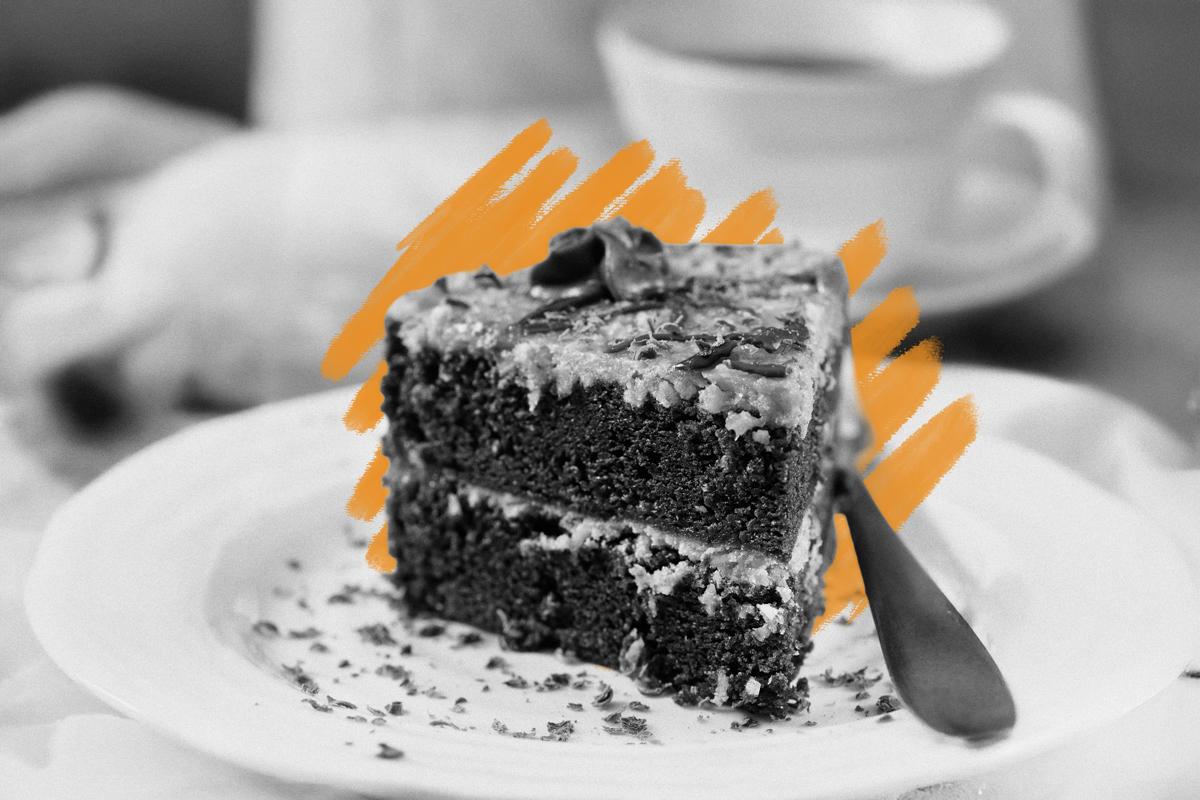
The True Origin: Samuel German and Bakers’ Chocolate
The German chocolate cake origin traces directly to a specific individual rather than a European nation. In 1852, Bostonian chocolatier Samuel German partnered with the Baker Chocolate Company to create a new product for home bakers. The result was a semi-sweet chocolate bar that contained more sugar and cocoa butter than traditional bitter baking chocolates. To honor his contribution, the company branded the product as Baker’s German’s Sweet-Chocolate. The name “German” in this context is strictly a proper surname, establishing the foundation for what would later become one of America’s most recognizable desserts.
The Invention of Bakers’ Semi-Sweet Chocolate
Samuel German worked as a chemist and chocolatier for Jacob Baker & Co., which had been manufacturing chocolate in Boston since 1765. His innovation addressed a growing market demand for accessible baking ingredients. Prior to this development, home bakers relied on dark, intensely bitter chocolate that required significant processing to become palatable. German’s formulation introduced a sweeter, smoother texture that melted evenly and suited domestic recipes. The product’s success led the Baker Chocolate Company to officially name the bar after him, permanently linking his surname to the culinary category.
From Bakery to Newspaper Page: The 1957 Recipe Breakthrough
Despite the chocolate’s widespread availability throughout the late nineteenth and early twentieth centuries, no dedicated cake recipe existed for decades. The transformation from a standalone baking ingredient to a complete dessert occurred in the mid-twentieth century through grassroots culinary marketing. In 1957, a homemaker named Elizabeth George developed a specific method for utilizing Baker’s German’s Sweet-Chocolate in a baked good. Her creation combined the chocolate with toasted coconut and chopped pecans, diverging from traditional European buttercream or fondant techniques that dominated American baking at the time.
Elizabeth George and the Dallas Morning News Advertisement
The public debut of this recipe happened when Elizabeth George submitted it to a Sunday newspaper supplement featured in the Dallas Morning News. The publication ran her instructions under the title “German’s Chocolate Cake,” directly referencing the chocolate bar’s branding. The advertisement resonated immediately with readers who were increasingly seeking convenient, visually distinct desserts for post-war family gatherings. Copies of the recipe spread rapidly through community networks, church bake sales, and regional cooking clubs before digital sharing existed. The newspaper campaign effectively launched the dessert into mainstream American culture.
The Evolution of the Frosting and Layer Cake Format
The original 1957 preparation focused primarily on a rich frosting rather than a multi-layered structure. Early iterations utilized evaporated milk, butter, sugar, egg yolks, coconut, and pecans
When you think of German cuisine, you probably don’t think of coconuts. That’s a little clue that German chocolate cake has nothing to do with one of Europe’s largest (and very nontropical) countries. Indeed, the cake is actually an American invention — Texan, to be specific.
The dessert is often traced back to 1957, when a recipe for “German Sweet Chocolate Cake” appeared in The Dallas Morning News. German’s Sweet Chocolate was (and is) a specific kind of chocolate manufactured by Baker’s Chocolate and named for its inventor, Samuel German. It comes with sugar already added, unlike most dark baking chocolate.
In 1957, a homemaker identifying as “Mrs. George Clay of Dallas” submitted the recipe to the newspaper’s “Recipe of the Day” column, describing buttermilk-enriched chocolate cake layers topped with a custardy confection of coconuts and pecans. Some accounts note that a similar recipe also appeared in The Irving News Record in 1956 and had been popular with home cooks even earlier. Yet Mrs. Clay’s recipe was the one picked up by other papers, cementing its place in American dessert history, albeit with a somewhat misleading name.