The Korean War, spanning 1950 to 1953, earned the nickname the Forgotten War in the United States. It emerged in the shadow of World War II and concluded just as the Vietnam era was taking shape. Despite comparatively modest media coverage then and now, the conflict proved to be a pivotal chapter of the 20th century. It reshaped Asia’s geopolitical landscape, set the stage for later Cold War confrontations like the Vietnam War, and intensified U.S.–Soviet tensions for decades. As the first major hot conflict of the Cold War, it pitted South Korea—supported by the United States and a coalition of capitalist nations—against North Korea, backed by China and the Soviet Union.
Photo credit: Interim Archives/ Archive Photos via Getty Images
Shifting the Line: The Boundary Between North and South Korea
The division of the Korean Peninsula happened in 1945, during the waning days of World War II. An abrupt decision by two young U.S. Army officers—rushed, with time pressing—placed the dividing line at the 38th parallel using a National Geographic map. The speed and inattention to Korea’s geography and its people led to a border that cut through roads and railways, separating countless families and communities. This arbitrary partition set the stage for subsequent conflict when North Korean forces crossed the parallel in 1950, initiating the Korean War.

Photo credit: Bettmann via Getty Images
Truman’s Decision: Troops Deployed Without Congressional Backing
When the North invaded the South in 1950, President Harry S. Truman acted to contain communism by sending American troops. Although the Constitution requires congressional approval to declare war, Truman recast the intervention as a police action rather than a formal declaration of war. This marked the first instance of a U.S. President initiating hostilities without explicit congressional authorization.
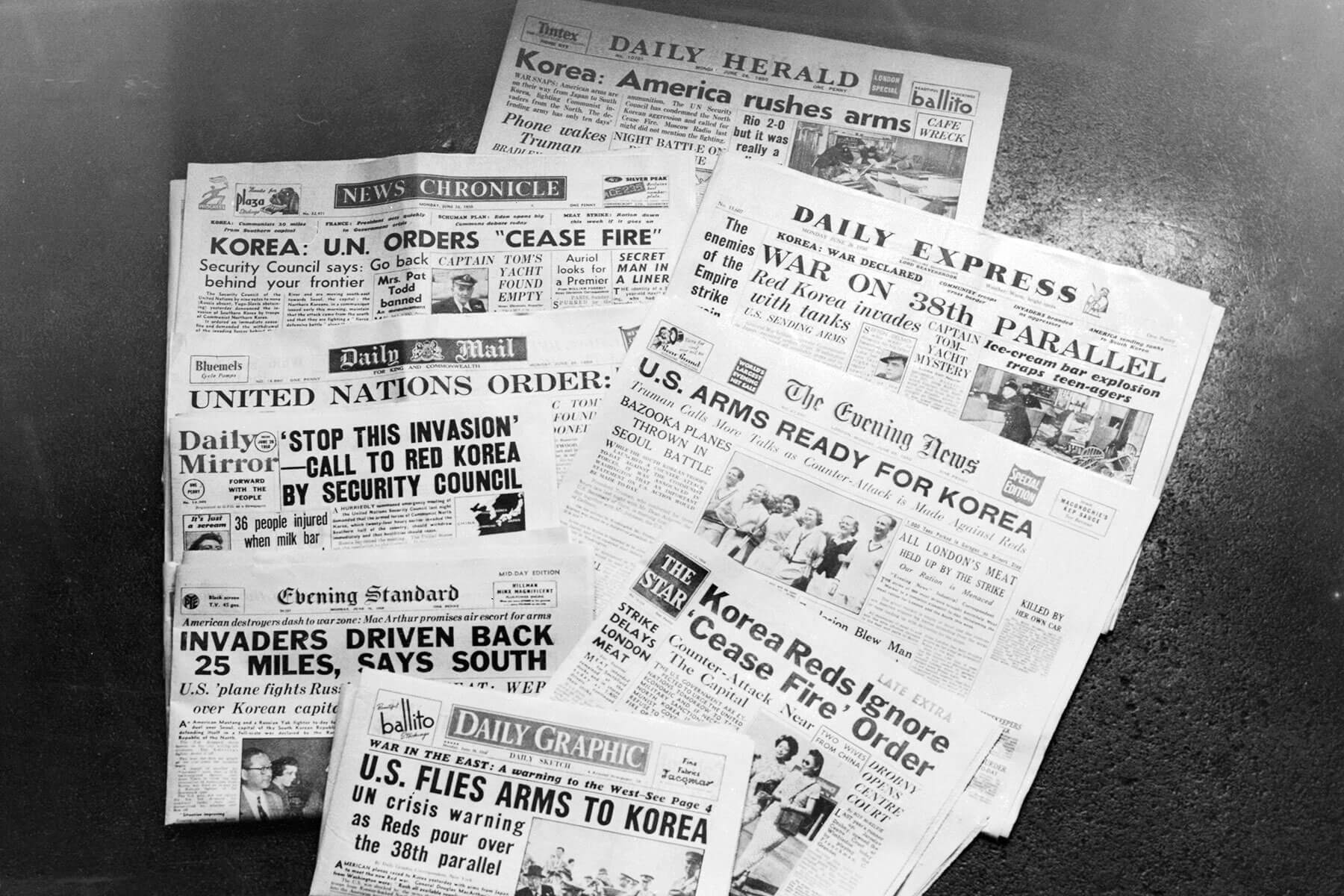
Photo credit: FPG/ Archive Photos via Getty Images
unlikely Alliance: Ted Williams and John Glenn in Korea
In an unusual cross of American history, baseball legend Ted Williams and future astronaut John Glenn served together in the skies over Korea. Williams acted as Glenn’s wingman for about half of the 39 missions Williams flew, while Glenn later recalled Williams’ steady piloting under challenging conditions. Their collaboration underscored how diverse American icons converged during the conflict.
Photo credit: Underwood Archives/ Archive Photos via Getty Images

The First Jet-to-Jet Duel
The Korean War introduced jet-powered combat to the mass battlefield. The era’s first authentic jet dogfight occurred during this conflict, with American and Soviet pilots clashing in the skies. The region earned the nickname MiG Alley due to the prevalence of Soviet MiG-15s and American F-86 Sabres engaging in aerial duels. This technological shift marked a turning point in air warfare.
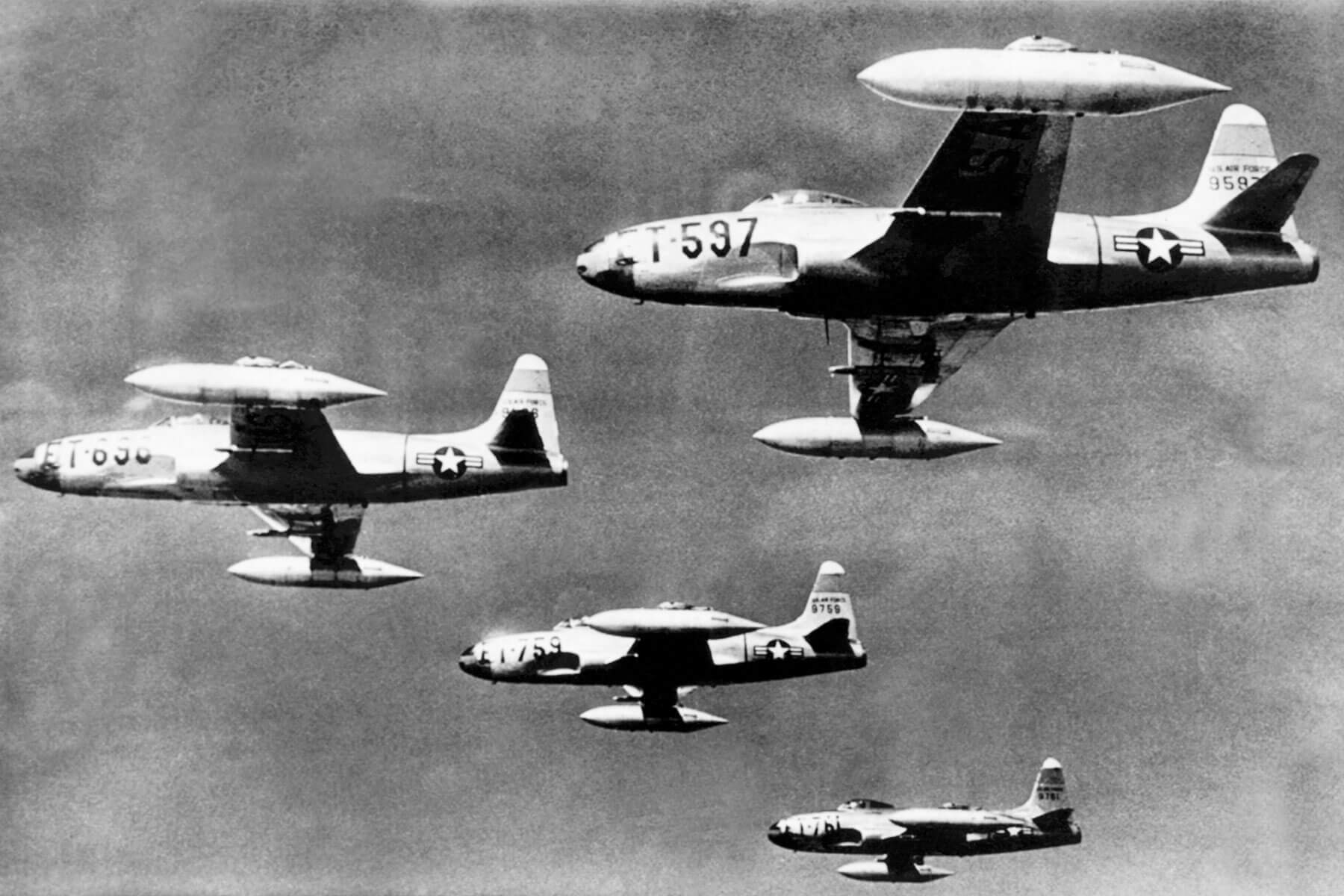
Photo credit: Bettmann via Getty Images
UN Command: A Multinational Effort
Beyond the United States, twenty-two nations contributed to a United Nations Command effort to defend South Korea. The coalition conducted ground operations, air campaigns, and logistical planning, ultimately shaping the negotiations that led to an armistice. The UN Command remains involved at the Korean Demilitarized Zone to uphold the ceasefire.

Photo credit: Keystone/ Hulton Archive via Getty Images
Armed Ceasefire Without a Peace Treaty
Negotiations for an armistice began in 1951 and stretched over two years—the longest in such history. The 1953 armistice halted active fighting but did not conclude with a formal peace treaty. South Korea declined to sign the agreement along with North Korea and China, meaning that technically, the two Koreas remain at war. The Demilitarized Zone continues to separate the nations, with a tense but enduring ceasefire shaping the peninsula’s security landscape.