

- Home
- •
- With
With
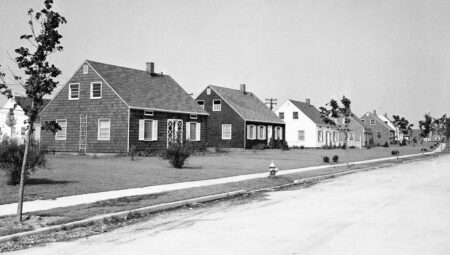
What Was America’s First Suburb?
When you think of the origins of American suburbia, the name Levittown may spring to mind. A symbol of post-World War II optimism and domestic comfort, this Long Island development, constructed between 1947 and 1951, is often credited as America’s first modern suburb. Yet Levittown wasn’t technically the first suburb in U.S. history — though as the first mass-produced, federally supported suburban development in the country, it did shape a new national lifestyle — and with it, a new cultural identity. The First Suburbs Suburbs in America existed well before Levittown. In the late 19th and early 20th centuries, streetcar suburbs such as Shaker Heights outside Cleveland, Ohio, were planned communities that offered wealthy and middle-class residents an escape from overcrowded, polluted cities. Other early suburbs include Llewellyn Park, New Jersey (developed in the 1850s and often cited as America’s oldest planned community), …Read More
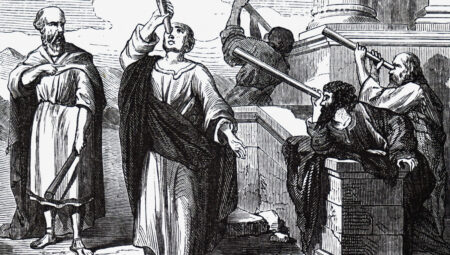
Why Is a Week 7 Days?
The seven-day week is so deeply baked into modern life that it feels almost inevitable. Workdays, weekends, school schedules, streaming release dates — nearly everything runs on the same seven-day rhythm. But there’s nothing especially natural about a week. Unlike a year, a month, or a day, it doesn’t neatly correspond to a major astronomical event. While a year is tied to Earth’s orbit around the sun, a month is roughly one full cycle of moon phases, and a day is one rotation of Earth on its axis, the length of a week isn’t cut and dry. So why is it seven days instead of, say, five, eight, or 12? How the Ancients Shaped the Week The seven-day week has endured for thousands of years, surviving empires, revolutions, religious shifts, and even a few determined attempts to replace it. Its origins lie in …Read More
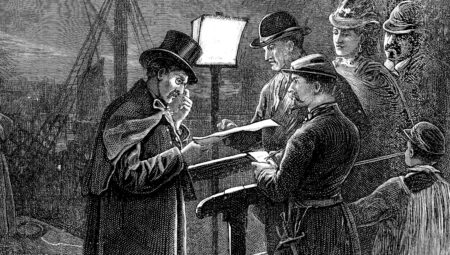
What Did People Use for IDs Before Photos?
In a world without cameras, biometric databases, or even consistent spelling, identifying individuals could be quite a complex challenge. Before photography helped fix identity to an image, societies developed a range of creative methods to determine who someone was — a task that could be surprisingly difficult, especially when that someone was outside their home community. From scars to seals to signatures, here’s how identity was tracked before photo IDs. Names (and the Trouble With Them) A name was the most basic marker of identity for centuries, but it often wasn’t enough. In ancient Greece, to distinguish between people with the same first name, individuals were also identified by their father’s name. For example, an Athenian pottery shard from the fifth century BCE names Pericles as “Pericles son of Xanthippus.” In ancient Egypt, the naming convention might have reflected the name of a …Read More
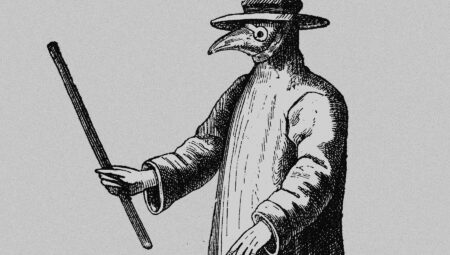
Why Did Doctors Wear Beak Masks During the Bubonic Plague?
Few images in medical history are as striking (or as creepy) as those of plague doctors with their long, beaked masks. This peculiar costume, worn by physicians during outbreaks of bubonic plague in Europe, has become an enduring symbol of the disease. But why did doctors wear these strange masks, which surely must only have added to the fear felt by people in times of suffering? What purpose did the design serve? Here’s the reasoning behind the mask, which came about in an age when the true nature of disease transmission was still shrouded in mystery. The Origins of the Plague Doctor Costume Contrary to common belief, the plague doctor costume was not a medieval-era invention. Despite its common association with the Black Death — the name given to the bubonic plague pandemic that devastated Europe in the mid-1300s — there is no evidence …Read More