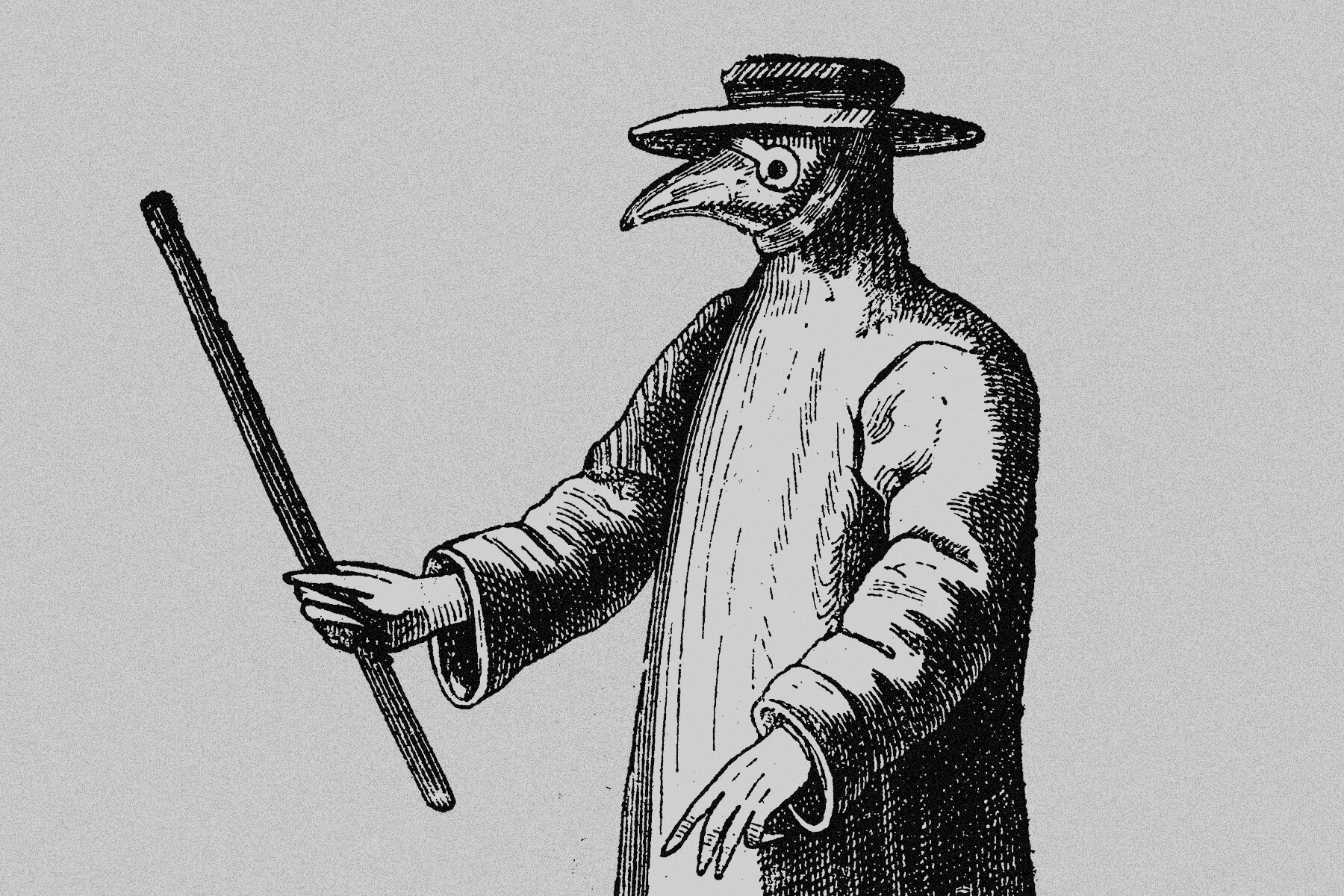
Few images in medical history are as striking (or as creepy) as those of plague doctors with their long, beaked masks. This peculiar costume, worn by physicians during outbreaks of bubonic plague in Europe, has become an enduring symbol of the disease. But why did doctors wear these strange masks, which surely must only have added to the fear felt by people in times of suffering? What purpose did the design serve? Here’s the reasoning behind the mask, which came about in an age when the true nature of disease transmission was still shrouded in mystery.
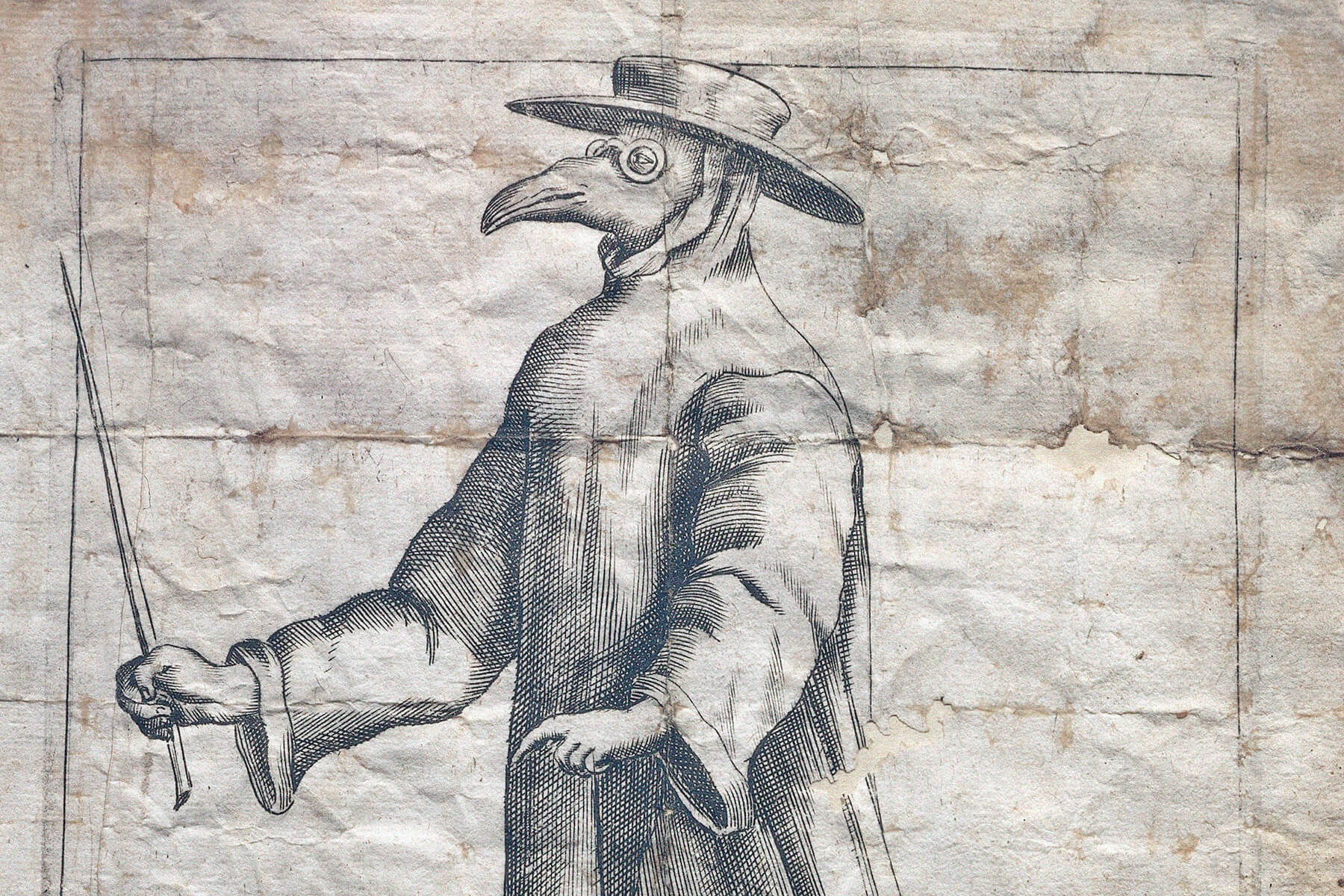
The Origins of the Plague Doctor Costume
Contrary to common belief, the plague doctor costume was not a medieval-era invention. Despite its common association with the Black Death — the name given to the bubonic plague pandemic that devastated Europe in the mid-1300s — there is no evidence to suggest it was worn during the 14th-century epidemic or at any point in the Middle Ages. It emerged much later, in the 17th century, when plague outbreaks were still common in Europe.
We know that the striking attire was worn in 1619 by the French physician Charles Delorme during an eruption of the bubonic plague in Paris. Delorme, who some historians credit as inventing the outfit, described the plague doctor costume in full in a mid-17th century text, complete with leather hat, gloves, a waxed linen robe, boots, and a mask with glass eyes and beak.
Plague doctors across Europe soon adopted the outfit; they also carried a stick with which to remove the clothes of the infected. The look was so widely recognized in Italy that it became commonplace in Italian commedia dell’arte — an early form of comedic theater — and carnival celebrations, and it remains a popular costume today.
— advertisement —
The Beaks Were Filled With Herbs and Vinegar
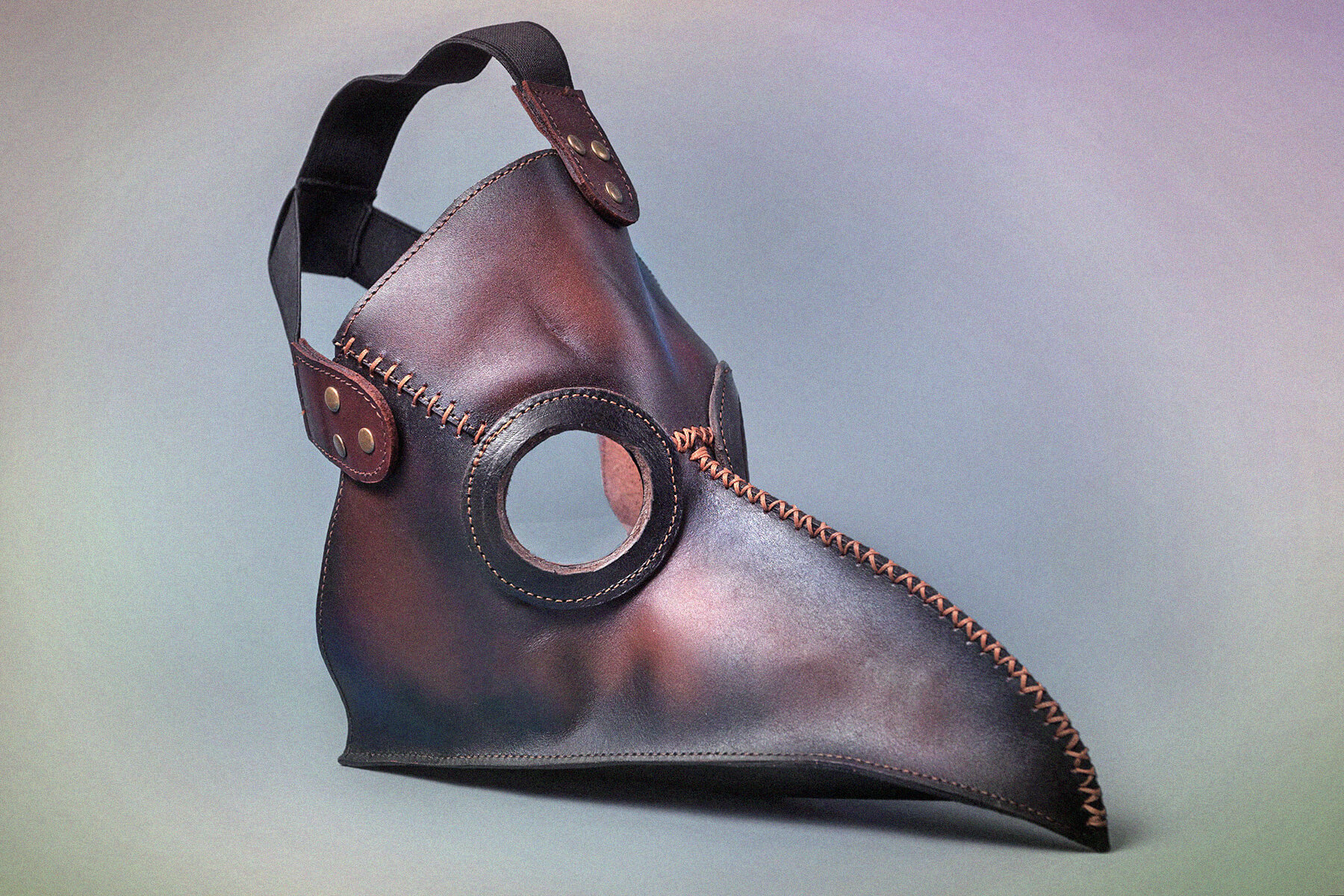
By far the most distinctive, and some would say ominous, aspect of the plague doctor costume was the mask with its long, birdlike beak. This relates to a prevailing view in medical science during the Middle Ages and in the centuries that followed: that diseases were spread through “miasma,” or bad-smelling air, that caused an imbalance in a person’s “humors,” or bodily fluids. (The miasma theory was later discarded when the germ theory of disease was developed.)
The shape and function of the beak were directly tied to this theory of miasma. Plague doctors filled their long beaks with strong smelling herbs and flowers, including lavender and mint, or sponges soaked with vinegar or camphor. Some also stuffed their beaks full of theriac, a compound of more than 55 herbs and other components including viper flesh powder, cinnamon, myrrh, and honey. These aromatic substances, it was believed, would absorb the foul-smelling miasma, purifying the air as it traveled along the beak, and so protect the wearer from inhaling the harmful air.
— advertisement —
Did the Beak Mask Actually Work?
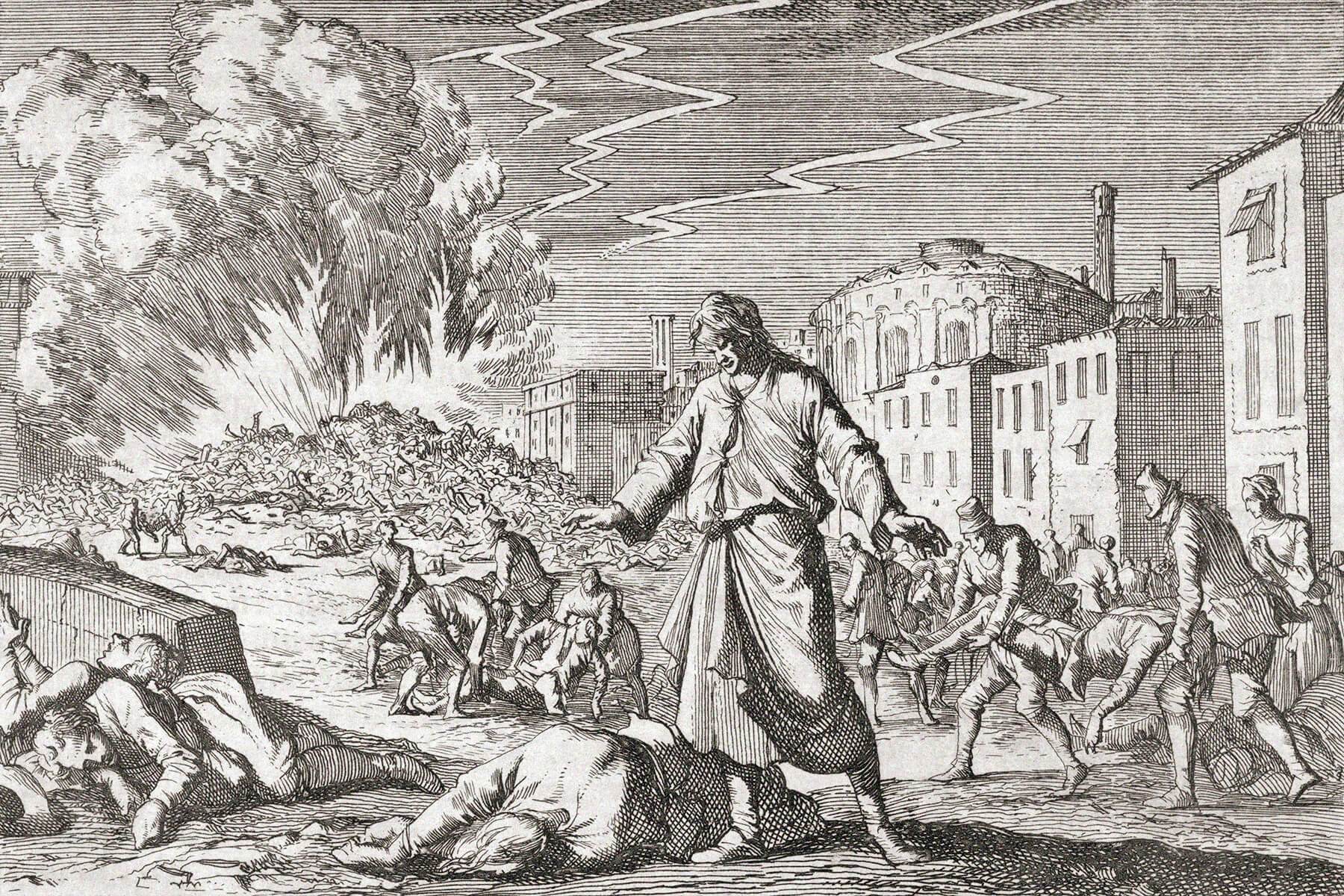
The concept behind the plague doctor’s outfit wasn’t entirely misguided. Creating a barrier between the wearer and the patient — and potentially contaminated air — was logical. Modern personal protective equipment (PPE) and hazmat suits are based on the same idea. The plague doctor costume could have even offered some protection against droplets from coughing (in the case of pneumonic plague) or contamination through splattered blood (from bubonic plague).
But fundamental flaws existed in the design. Bubonic plague, caused by the bacterium Yersinia pestis, is transmitted through the bite of an infected flea. The plague doctors, believing miasma to be the cause, were not aware of this. Their outfits may have helped protect against flea bites to some extent, but they were not specifically designed for this task. As for the beak masks, they too would have offered some protection, despite the flawed understanding of how contagious diseases spread. The simple fact that plague doctors wore masks was a positive — but stuffing their beaks full of herbs and powdered viper flesh was of no great use, apart from making the air smell somewhat nicer while they treated their patients.