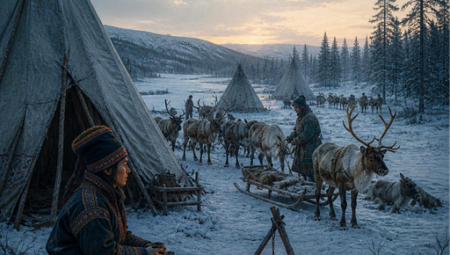
Sami trade goods are a fascinating mix of function and artistry. They often made snowshoes, sleds, and fishing gear—a testament to their deep connection with the land and nature. Each item wasn’t just a tool; it was crafted with care and reflected their lifestyle, much like a chef brings love to cooking! You can almost envision the Sami artisans pouring their skills and stories into every piece, from intricately carved wooden objects to beautifully tanned reindeer hide garments.
Now, let’s talk about their stunning craftsmanship in silver jewelry, which wasn’t just for adornment; it was also a powerful symbol of identity. Imagine slipping on a silver bracelet, knowing it tells a tale of ancestry and belonging—how cool is that? Each artifact offers a glimpse into the rich tapestry of Sami life, blending aesthetics with practicality seamlessly.
What’s particularly fascinating is how these goods facilitated trade across vast distances. The Sami exchanged their goods for vital resources they couldn’t produce themselves, connecting them with neighboring cultures. It’s like a historical network of trade routes, buzzing with the energy of commerce and interaction. Their artifacts serve not just as relics of the past but as living narratives that embody resilience and adaptability.
So, the next time you stumble upon a piece of Sami craftsmanship or read about their historical trade, remember that each item carries whispers of stories and lessons that have stood the test of time. Isn’t it amazing how a simple artifact can link us to a history that feels almost magical?
Unveiling the Past: The Remarkable Trade Goods of the Sami People
Picture this: it’s the 17th century, and the Sami are navigating the snowy landscapes with their herds of reindeer, a cornerstone of their existence. They didn’t just rely on these majestic animals for sustenance; reindeer were paramount in trading too! From hide and meat to antlers and bones—these commodities were like gold in the Sami economy. Think about it, each part of the reindeer offered something precious, creating a symbiotic relationship between the land and the Sami.
But the trade didn’t stop there. Sami craftsmanship is a dazzling blend of function and artistry. Their traditional handicrafts, like colorful duodji (handmade items), were traded for essential goods, making them sought-after across the region. Ever seen a beautifully carved wooden bowl or a handmade knife? Each piece tells a story, echoing the artistry and labor that went into creating it.
And let’s not overlook their extraordinary knowledge of the land. The Sami were able to harness resources from their environment in ways that astounded other cultures. Imagine turning raw materials into warm clothing made from reindeer pelts, providing not just warmth but also a connection to their heritage.
The trade goods of the Sami people aren’t just items; they represent survival, culture, and a profound respect for nature that continues to inspire and captivate us today. Isn’t it incredible how such simple objects can tell a complex story?
From Reindeer Hides to Silver: Exploring the Rich Artifacts of Sami Culture
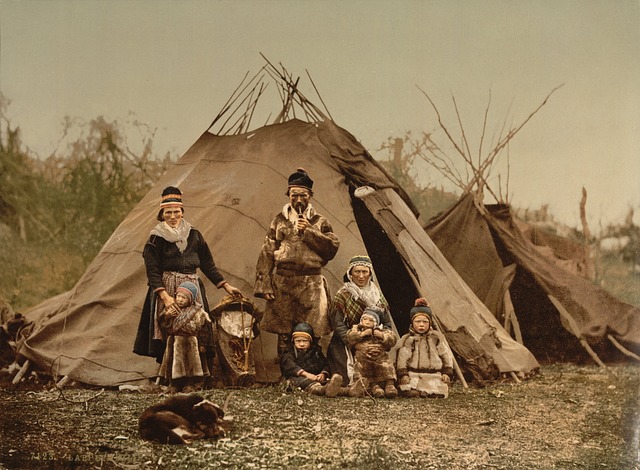
Let’s start with reindeer hides. These aren’t just any hides; they are functional treasures. Used for everything from clothing to making tents, the hides are a testament to the Sami’s deep connection with the land and its resources. Picture a chilly winter night, and you’re wrapped snugly in a beautifully crafted reindeer hide coat. It’s not just warmth; it’s a cultural embrace that links you to generations of Sami who have walked the same snowy trails.
Now, let’s talk silver. Sami silver is as captivating as the northern lights. Adorned with intricate designs that often reflect nature—like flowers, animals, and traditional motifs—these pieces aren’t just jewelry; they’re history you can wear. Each silver ornament or brooch is a conversation starter, a way for the wearer to showcase their heritage and connection to their ancestors. Have you ever seen a piece so beautiful it made your heart skip a beat? That’s the magic of Sami craftsmanship.
The Sami culture doesn’t merely exist in artifacts; it thrives within them. Each item, whether a practical reindeer hide or a stunning silver piece, holds the essence of Sami life. They illustrate resilience, beauty, and a profound respect for the environment. When you look at these artifacts, are you merely seeing objects? Or do you feel the stories behind every stitch and swirl of silver? Just like the Sami themselves, each piece is alive with meaning, waiting to share its tale with the world.
Lost Treasures: Rediscovering the Sami Trade Goods that Shaped Northern Europe
Imagine walking through the snowy landscapes of Lapland, where every fur, every crafted piece, has a story tracing back centuries. Yes, these weren’t just ordinary goods; they were lifelines. The Sami expertly traded fish, reindeer hides, and beautifully crafted items that reflected their deep connection to nature and community. Have you ever thought about how much these treasures influenced the cultures around them?
Take a moment to picture a bustling market in the past, with Sami traders exchanging goods with neighboring settlers. Each transaction was like a thread weaving together different lives, creating a vibrant tapestry of shared culture. What’s really fascinating is that many of these trade goods were designed not just for functionality but also for beauty – intricate designs that mirrored the stunning Northern landscapes.
As we explore these lost treasures, we can’t help but marvel at how they shaped societal structures and economies across Northern Europe. They were more than mere items; they were symbols of identity and survival. Today, rediscovering them offers us a chance to connect with a historical narrative that has often been overlooked. So, next time you think about Northern Europe’s past, consider how the Sami, through their exquisite trade goods, carved out a legacy that echoes in time. Isn’t it amazing how history can be found in the simplest of objects?
Cultural Heritage in Artifacts: How Sami Trade Goods Tell Stories of Survival
Imagine walking through the frosty landscapes of Northern Scandinavia, where the Sami have thrived for centuries. Sami trade goods, like hand-crafted knives or traditional drums, aren’t merely tools or trinkets; they embody the skills and resilience of a people who have adapted to one of the harshest environments on the planet. Each item tells a story, not just of craftsmanship but of a deep-rooted connection to nature and a way of life that values harmony with the ecosystem.
Have you ever thought about how these artifacts could be considered storytellers? Picture this: a beautifully adorned Sami shaman’s drum. Its surface is decorated with imagery that conveys ancestral tales and spiritual journeys—stories passed down through generations. When you hold such an artifact, you’re not just experiencing history; you’re engaging with the very essence of a culture that has learned to navigate the challenges of its environment.
And what about the symbolism embedded in these artifacts? Every design, every material choice reflects an understanding of the land and resources around them. The reindeer, for instance, is more than an animal; it’s a lifeline, a partner in survival. The way the Sami people craft their goods showcases their adaptability and ingenuity, emphasizing a harmonious relationship with nature that many modern societies have forgotten.
So, the next time you see an artifact, don’t just glance at it. Look closer and let it tell you its story, revealing layers of cultural heritage that mirror the complexities of survival and identity.
Beyond Borders: The Influence of Sami Trade Networks on European Artifacts
The Sami were not merely isolated; they were savvy traders, swapping everything from intricate wood carvings to beautifully crafted textiles. Picture artisans crafting their pieces, using materials like reindeer antler or wool dyed with natural colors. Other regions began to see the beauty in these artifacts, and as the demand increased, the Sami trade routes began to expand like ripples across a pond. Suddenly, a hand-carved Sami drum in the Lapland could end up in a bustling market in Venice, becoming a part of the wider European art scene.
Can you feel the energy of those bustling trade routes? They were a melting pot of ideas and artistry. The Sami style—characterized by bold patterns and bright colors—influenced European artisans, leading to a delightful fusion of designs. It was almost like a dance, where one partner leads and the other follows, creating something fresh and exciting. These exchanges turned cultural crossroads into vibrant hubs of creativity, showcasing how interconnected we all are, even across snowy terrains and vast oceans.
So, the next time you admire a beautifully crafted artifact, take a moment to appreciate the journey it may have taken—far beyond borders and into the realm of artistic innovation.
Craftsmanship and Commerce: The Intriguing World of Historic Sami Trade Goods
Imagine the intricate patterns on a Sami knife or the exquisite detailing of reindeer hides used to create clothing. These items weren’t simply made; they were lovingly crafted through generations, ensuring that the techniques and traditions were passed down. Each craftsperson poured their heart and soul into their work, molding materials into stunning artifacts that often traded hands across vast regions.
Isn’t it incredible how these goods served as more than just items? They were a bridge connecting people, facilitating commerce among different tribes and cultures. Coffee? Pearls? The Sami exchanged these for their beautiful goods, establishing networks that stretched far beyond their northern homelands. Just think about it: while we swipe to order socks online, these artisans were weaving a tapestry of community through the art of trade.
Ever heard of duodji? It’s the traditional Sami handicraft, and it embodies the spirit of the Sami. Each item created carries enormous significance, often symbolizing the relationship between humans and nature. Like a storyteller around a fire, every stitch and carve recounts the harmony between the land and its people.
Frequently Asked Questions
Where Can I Find Authentic Sami Trade Goods Today?
To find authentic Sami trade goods, explore specialized online retailers, local indigenous artisan markets, or cultural festivals featuring Sami craftsmanship. Museums in Sami regions may also sell authentic items, ensuring your purchases support local artisans.
What Materials Were Used in Sami Artifacts?
Sami artifacts are typically crafted from natural materials found in their environment. Commonly used materials include wood, reindeer antlers, bone, leather, and textiles. These elements are often decorated with traditional patterns and techniques, reflecting the Sami culture and lifestyle.
What Are the Key Historic Sami Trade Goods?
The Sami, an indigenous people of the Arctic, traditionally engaged in trade involving specific goods, such as reindeer meat, pelts, and handicrafts like woven items and jewelry. Key trade goods also included fish, herbs, and other natural resources from their environment, facilitating exchanges with neighboring cultures and aiding in the sustenance of their community.
How Were Sami Trade Goods Made and Used?
Sami trade goods were crafted from locally sourced materials such as reindeer antlers, bone, wood, and textiles. They were designed for practical use, including tools, clothing, and decorative items. These goods facilitated trade among the Sami people and with neighboring cultures, serving as important economic assets and symbols of identity.
How Did Sami Artifacts Influence Regional Trade?
Sami artifacts, reflecting the cultural and practical needs of the Sami people, played a significant role in regional trade by attracting interest from neighboring communities. Their unique craftsmanship and functional designs, such as tools, clothing, and decorative items, enabled the exchange of goods and ideas, promoting economic interactions and cultural exchanges among diverse populations across the region.