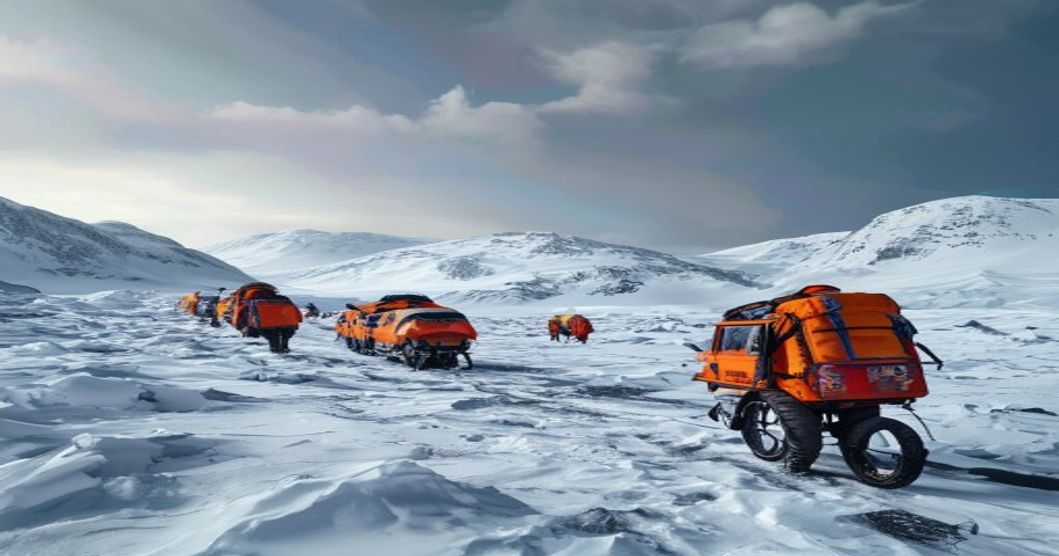
Exploring the Sámi Arctic: A Cultural and Natural Landscape
Understanding Sámi Heritage and Winter Traditions
The Sámi Arctic region spans across northern Norway, Sweden, Finland, and the Kola Peninsula, offering a unique intersection of indigenous culture and extreme winter environments. Travelers seeking an authentic Sámi cultural experience must recognize that the landscape is not merely a backdrop but a living ecosystem shaped by centuries of reindeer pastoralism. Winter here extends from late October to April, transforming terrain into snow-covered plateaus, ice-bound rivers, and dense boreal forests. Respect for Sámi land rights and traditional grazing routes is mandatory for all visitors, as these paths dictate wildlife movement and seasonal resource availability.
Reindeer Herding and Indigenous Sustainability Practices
Sámi reindeer herding operates on a rotational migration system that aligns with seasonal vegetation cycles. During winter, herds concentrate in forested areas where lichen and moss provide primary sustenance. Travelers can observe these practices through guided cultural tours, but must maintain strict distance from working dogs and calving enclosures. Modern herding combines traditional knowledge with GPS tracking and satellite communication, ensuring herd survival amid climate shifts. Ethical tourism requires booking only with certified Sámi-owned operators who contribute directly to community preservation and land stewardship programs.
Navigating Arctic Snowmobile Trails and Safety Protocols
Essential Gear for High-Latitude Snowmobiling
Snowmobiling in the Sámi Arctic demands specialized equipment designed for sub-zero temperatures and variable snow density. A reliable cold-start engine, heated grips, and a backup battery heater prevent mechanical failure during extended excursions. Riders must pack thermal base layers, windproof outer shells, and insulated boots rated below -30°C. Safety essentials include a satellite messenger, emergency shelter bag, avalanche transceiver for off-trail zones, and high-visibility reflective vests to ensure detection in whiteout conditions.
Route Planning Across Frozen Landscapes
Effective Arctic snowmobiling route planning requires analyzing snowpack stability, wind drift patterns, and marked trail networks. Official routes are regularly graded and maintained by local municipalities, but unmarked backcountry areas demand advanced navigation skills using topographic maps and compass bearings. Travelers should register trip intentions with regional emergency services, avoid crossing thin ice on lakes after temperature fluctuations, and never travel alone beyond established service corridors. Seasonal daylight variations require headlamps with red-light modes to preserve night vision during extended winter treks.
Mastering Winter Road Travel in Fennoscandia
Vehicle Preparation and Traction Management
Navigating winter roads in the Sámi region requires vehicles equipped with studded tires, reinforced suspension components, and dual fuel tanks to prevent gelation. All-wheel drive systems must be paired with tire pressure regulation kits that allow on-the-go adjustment for snow and ice grip. Drivers should carry emergency traction aids, a high-lift jack rated for frozen ground, and insulated jump starters. Regular inspection of braking lines and coolant levels prevents catastrophic failure during prolonged low-temperature operation.
Weather Monitoring and Emergency Navigation Strategies
Arctic weather shifts rapidly, making real-time weather monitoring in Lapland winter travel critical for route safety. Travelers must utilize dedicated meteorological apps that provide wind chill forecasts, ice thickness updates, and avalanche risk levels. When visibility drops below fifty meters, drivers should switch to low-beam headlights, reduce speed to match stopping distance calculations, and pull into designated snow fences or rest areas rather than stopping on active corridors. Pre-downloaded offline maps and physical route logs serve as reliable backups when digital signals fail in remote valleys.
Frequently Asked Questions: How Sami Communities Travel Across the Arctic
What is How Sami Communities Travel Across the Arctic?
How Sami Communities Travel Across the Arctic refers to the traditional and modern transportation methods utilized by the Sámi people to navigate the harsh, vast, and seasonally changing landscapes of northern Scandinavia and Russia. This includes reindeer sleds, snowmobiles, boats, and increasingly, specialized winter roads and air travel adapted to extreme cold and terrain.
Key facts about How Sami Communities Travel Across the Arctic
Key facts include the historical reliance on reindeer for year-round mobility, the adaptation to seasonal ice and snow conditions, the integration of modern technology like snowmobiles and GPS while preserving traditional navigation skills, and the importance of cross-border travel routes for reindeer herding and cultural exchange across Norway, Sweden, Finland, and Russia.