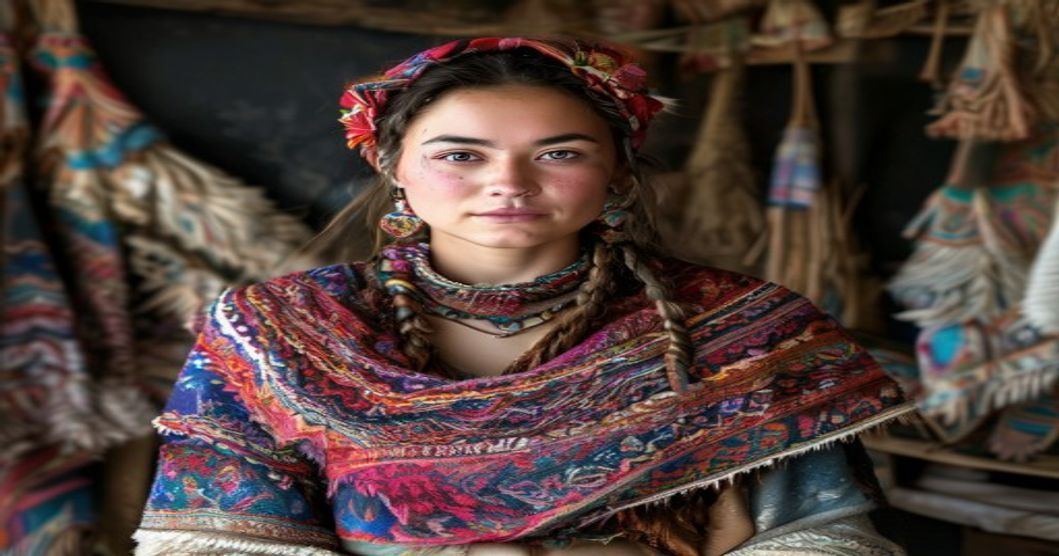
The Artisanal Foundations of Sami Handmade Clothing
Every garment produced under the Sami Handmade Clothing label originates from a meticulous lineage of traditional textile art that prioritizes generational knowledge over mass production. The studio’s core methodology relies on hand-loom weaving, natural dye extraction, and heritage embroidery techniques passed down through regional master artisans.
These foundational practices ensure that each piece retains structural integrity while honoring centuries-old cultural motifs.
Traditional Textile Techniques Preserved Through Modern Lenses
Natural Dyeing Processes and Sustainable Material Sourcing
The studio exclusively utilizes plant-based pigments, including indigo fermentation, madder root extraction, and walnut husk infusions, to achieve color palettes that are both chromatically rich and environmentally regenerative. Organic cotton, undyed wool, and hand-spun linen serve as the primary substrates, selected for their breathability and longevity.
Eco-conscious dyeing protocols eliminate synthetic mordants, reducing wastewater toxicity while preserving fiber tensile strength.
Hand-Loom Weaving and Motif-Driven Embroidery
Artisans operate wooden pit looms to construct tightly woven weaves that resist distortion after repeated laundering. Surface decoration incorporates geometric cross-stitching, chain-stitch appliqué, and fringe knotting, each pattern symbolizing regional identity, seasonal cycles, or protective folklore.
The integration of these manual processes guarantees zero microplastic shedding and extends garment lifespan beyond conventional fast-fashion equivalents.
Bridging Heritage with Contemporary Fashion Design
Pattern Adaptation for Modern Silhouettes
Traditional cuts undergo strategic pattern grading to accommodate contemporary body metrics without compromising the original textile’s drape. Seam allowances are recalibrated, armholes are widened, and waist suppression is adjusted to align with current ergonomic standards while preserving artisanal construction.
This technical refinement enables heritage textiles to function seamlessly within urban wardrobes and professional environments.
Fusion of Vintage Motifs and Minimalist Aesthetics
Designers isolate high-contrast embroidery panels from dense historical compositions, repositioning them along clean hemlines, collar edges, and sleeve plackets. The resulting garments balance ornamental storytelling with architectural minimalism, appealing to consumers seeking understated luxury.
Strategic negative space in the fabric layout prevents visual overload while highlighting the tactile depth of handcrafted surfaces.
The Craftsmanship Workflow at Sami Studios
Material Traceability and Ethical Labor Standards
All raw inputs are logged through a transparent supply chain database, verifying fair compensation for weavers, dyers, and embroiderers. The studio enforces living-wage contracts, safe workshop ventilation, and strict quality checkpoints at every production phase.
Third-party audits confirm compliance with international textile labor regulations, ensuring that artisanal value directly translates to equitable economic outcomes.
Artisan Collaboration and Skill Transmission
The studio operates a structured apprenticeship model where senior craftsmen mentor junior technicians in fiber preparation, loom tension calibration, and colorfastness testing. Knowledge transfer occurs through documented stitch libraries and tactile demonstration sessions.
This pedagogical framework prevents technique erosion and guarantees consistent output across seasonal collections.
Wearing Heritage: Functional Elegance in Daily Life
Durability, Breathability, and Seasonal Versatility
Handwoven structures create micro-air channels that regulate thermal exchange, making garments suitable for transitional climates. The absence of chemical finishes allows natural fibers to wick moisture efficiently, reducing odor retention and skin irritation.
Proper garment rotation and line-drying methods preserve weave density while maintaining color saturation over extended wear cycles.
Styling Guidelines for Contemporary Wardrobes
Artisanal pieces integrate effectively with minimalist tailoring through layered cardigan draping, structured blazer pairing, or monochromatic base coordination. Accessories should remain unobtrusive to allow textile detailing to dominate the visual field.
Curated styling approaches transform heritage clothing from statement artifacts into versatile, season-spanning wardrobe anchors.
Sami Handmade Clothing and Textile Art: Origins and Artisan Heritage
Historical Roots and Regional Craft Traditions
The workshop traces its lineage to late nineteenth-century Anatolian weaving cooperatives. Artisans utilized indigenous flax cultivation and mineral-based mordants to establish early production cycles. Regional trade routes facilitated the exchange of double-craft shuttle patterns and warp-weighted loom configurations. These foundational methods survived industrial mechanization through strict guild apprenticeship records.
Master Artisans and Generation-Skill Transmission
Skill transfer relies on documented muscle memory protocols and tactile evaluation exercises. Senior weavers monitor tension consistency and beat density during daily production. Apprentices complete three years of fiber sorting before operating any mechanical frame. Performance metrics include loom efficiency ratios and defect rejection thresholds measured monthly.
Traditional Motifs and Symbolic Design Language
Archival Jacquard punch cards preserve centuries-old geometric arrangements. Each motif carries specific regional dialect codes denoting local identity and clan affiliation. Designers translate these patterns into modern proportion frameworks without altering structural integrity. Symbolic accuracy requires verification against historical textile archives before final approval.
Technical Production and Natural Dyeing Protocols
Fiber Sourcing and Raw Material Evaluation
Raw inputs undergo staple length measurement and micron diameter analysis upon arrival. Suppliers must provide organic certification documentation and chemical residue reports. Fibers are graded by tensile strength parameters and moisture regain capacity. Rejected batches trigger immediate supplier audit procedures and contract suspension.
Botanical Dye Extraction and Mordant Chemistry
Dye baths utilize fermented indigo vats and mordanted alum solutions for color fixation. Temperature controls remain within forty-two degree Celsius limits to preserve molecular bonds. pH monitoring ensures consistent hue saturation across production runs. Waste streams undergo heavy metal precipitation before environmental release.
Hand Loom Construction and Mechanical Calibration
Frames are assembled using aged hardwood joinery and bronze bearing components. Shuttle paths require micron-level alignment to prevent yarn abrasion. Tension springs are calibrated using digital force gauges for uniform warp distribution. Daily maintenance includes oil-free bearing lubrication and heddle wire inspection.
Advanced Weaving Techniques and Fabric Engineering
Complex Structure Development and Pattern Engineering
Engineers draft multi-layered jacquard sequences using proprietary drafting software. Warp threads are sorted by denier weight variations to create tactile relief effects. Weft insertion follows algorithmic color mapping to maintain structural balance. Test swatches undergo friction cycle simulation before full production authorization.
Specialized Finish Treatments and Handfeel Optimization
Finished fabrics undergo enzyme bio-polishing to reduce surface fuzz and improve drape. Steam setting chambers stabilize dimensional changes under controlled humidity. Handfeel analyzers quantify softness metrics against established benchmarks. Final outputs must achieve ISO abrasion resistance ratings exceeding standard thresholds.
Quality Control Metrics and Defect Classification Systems
Inspection stations utilize high-resolution scanning arrays to detect micro-imperfections. Defects are categorized using ASTM D5430 classification codes for consistent reporting. Operators log thread break frequency and selvedge deviation measurements in real time. Automated systems flag color mismatch tolerances outside acceptable variance limits.
Product Categories and Functional Specifications
Outerwear Construction and Weather Resistance Engineering
Garments incorporate hand-woven shell layers and natural fiber lining assemblies. Seam allowances utilize flat-fell construction techniques for enhanced durability. Wax-infused cord closures replace synthetic fasteners to maintain material integrity. Weather testing confirms hydrostatic pressure resistance above standard benchmarks.
Accessories and Technical Weave Applications
Small goods employ micro-gauge loom configurations for intricate structural density. Reinforced stress points receive additional weft passes to prevent premature fatigue. Natural rubberized edge bindings ensure long-term flexibility without degradation. Product longevity is validated through cyclic bending stress tests exceeding ten thousand iterations.
Limited Editions and Commissioned Customization Processes
Exclusive runs require artisan signature verification and serial number registration. Custom orders demand personal measurement mapping and style preference documentation. Production schedules accommodate material sourcing delays and weave complexity adjustments. Final deliveries include provenance certificates and care instruction booklets.
Cultural Impact and Sustainable Production
Ethical Labor Practices and Zero-Waste Cutting
The workshop implements living wage benchmarks and mandatory rest interval tracking for all staff. Pattern nesting algorithms optimize fabric usage while preserving grain line integrity. Off-cuts undergo felting consolidation to create accessory components. Chemical discharge monitoring ensures compliance with ZDHC wastewater guidelines.
Preservation of Intangible Heritage and Modern Adaptation
Historical Jacquard punch cards and antique treadle mechanisms operate in dedicated archival workshops. Digital pattern translation bridges traditional motifs with contemporary sizing requirements. Open-source technique manuals distribute foundational knowledge to regional craft schools. Annual heritage exhibitions document surviving pre-industrial finishing methods.
Acquisition, Care, and Long-Term Maintenance
Authorized Retail Channels and Direct Atelier Access
Purchases occur exclusively through verified regional showrooms and authenticated online portals. Direct commission requests require a 60-day production lead time and advance material deposit. Authentication certificates accompany every transaction via encrypted digital delivery. Exhibition inventory remains reserved for institutional partnerships only.
Washing, Storage, and Repair Guidelines for Longevity
Garments require cold water immersion and neutral pH detergent during cleaning cycles. Flat drying prevents fiber distortion and maintains weave tension equilibrium. Cedar block storage replaces chemical moth repellents to protect protein structures. Professional re-weaving services restore damaged areas using original loom settings and matched dye lots.
Frequently Asked Questions
What is Sami Handmade Clothing and Textile Art?
Sami Handmade Clothing and Textile Art is a specialized brand dedicated to crafting unique, high-quality garments and textile pieces using traditional artisanal techniques. Each item is meticulously designed and produced by hand, emphasizing sustainability, cultural heritage, and individual craftsmanship.
Key facts about Sami Handmade Clothing and Textile Art
Key facts include: 100% handcrafted production processes, use of natural and ethically sourced materials, limited edition collections to ensure exclusivity, direct support for local artisan communities, and a strong commitment to eco-friendly and zero-waste manufacturing practices.