In 1558, Elizabeth Tudor assumed the throne of England and Ireland and began her reign as Queen Elizabeth I. From the moment she was crowned, Elizabeth was an unconventional ruler. She was only the second queen in England’s history to reign as the sole head of state, which made her a rarity not only in her own country, but throughout Europe in an era in which female monarchs were few and far between. Her lifelong refusal to marry also broke with tradition, and earned her the nickname “the Virgin Queen” (the state of Virginia is named in her honor). As a Protestant monarch, Elizabeth also had to withstand multiple assassination attempts from radical Catholic factions throughout her reign. Yet despite the challenges she faced, her reign is considered a golden age of English history.
Elizabeth’s rule lasted until 1603, and was marked by a period of relative peace and progress, during which England experienced radical cultural and political transformations that continue to resonate today. Elizabeth ruled over a nation that saw the early plays of William Shakespeare and some of Europe’s first expeditions to the Americas. Yet her time on the throne was also marked by moments of political and military crisis. For a quick look at what made this period of history truly unique, here are five facts about England’s Elizabethan age.
Elizabeth’s Coronation Date Was Chosen Based on Astrology
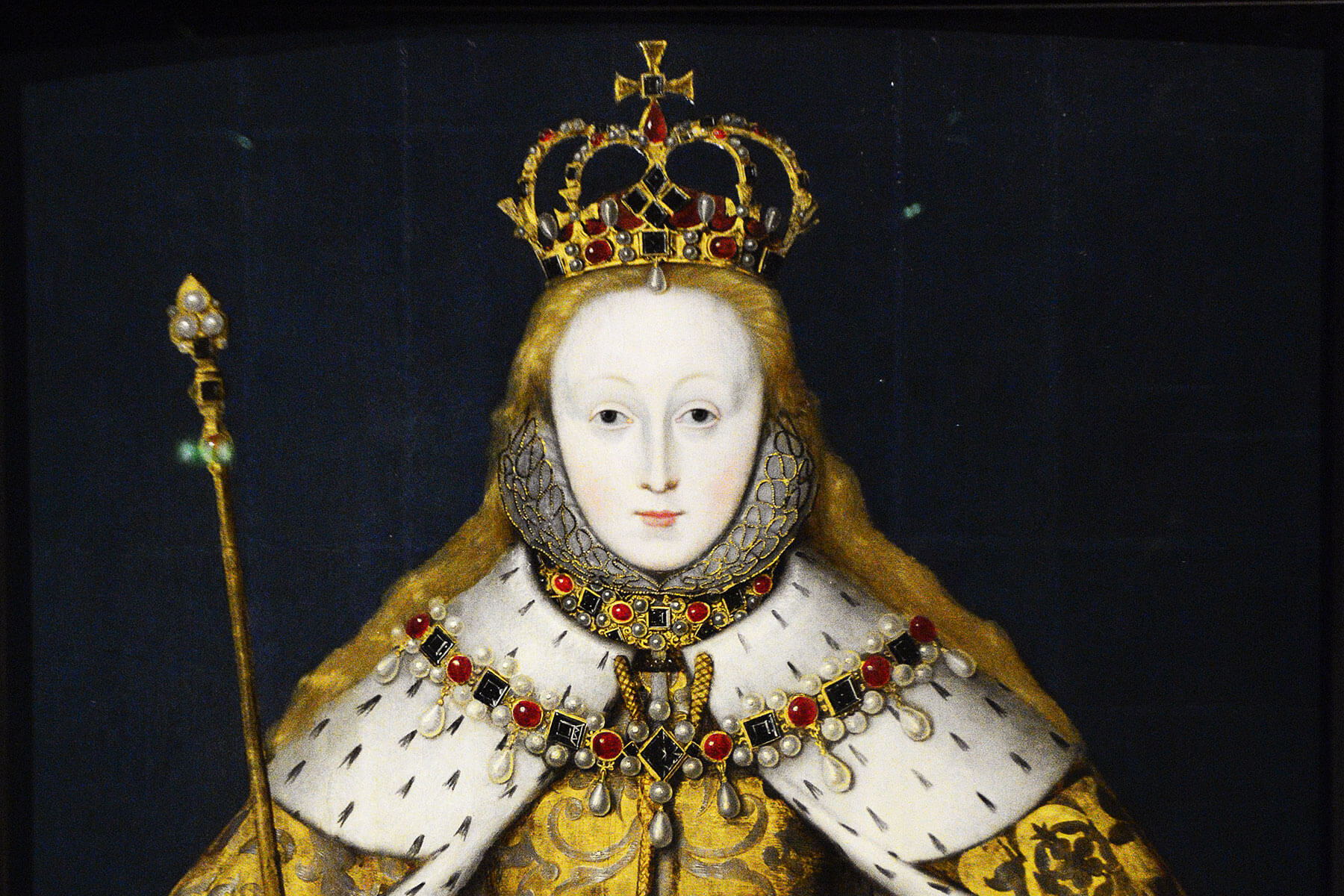
Queen Elizabeth I was crowned on January 15, 1559, a date selected by one man: John Dee. Dee was an influential figure at court, and was well known as a mathematician and philosopher. But his interests also veered into the supernatural and occult, and he was known to dabble in astrology and numerology. His prophecy skills must have come highly recommended, because Elizabeth asked him to use an astrological reading to select the date of her coronation, believing that an auspicious date would bring her good fortune during her reign.
The Era Marked the Beginning of British Colonialism in the New World
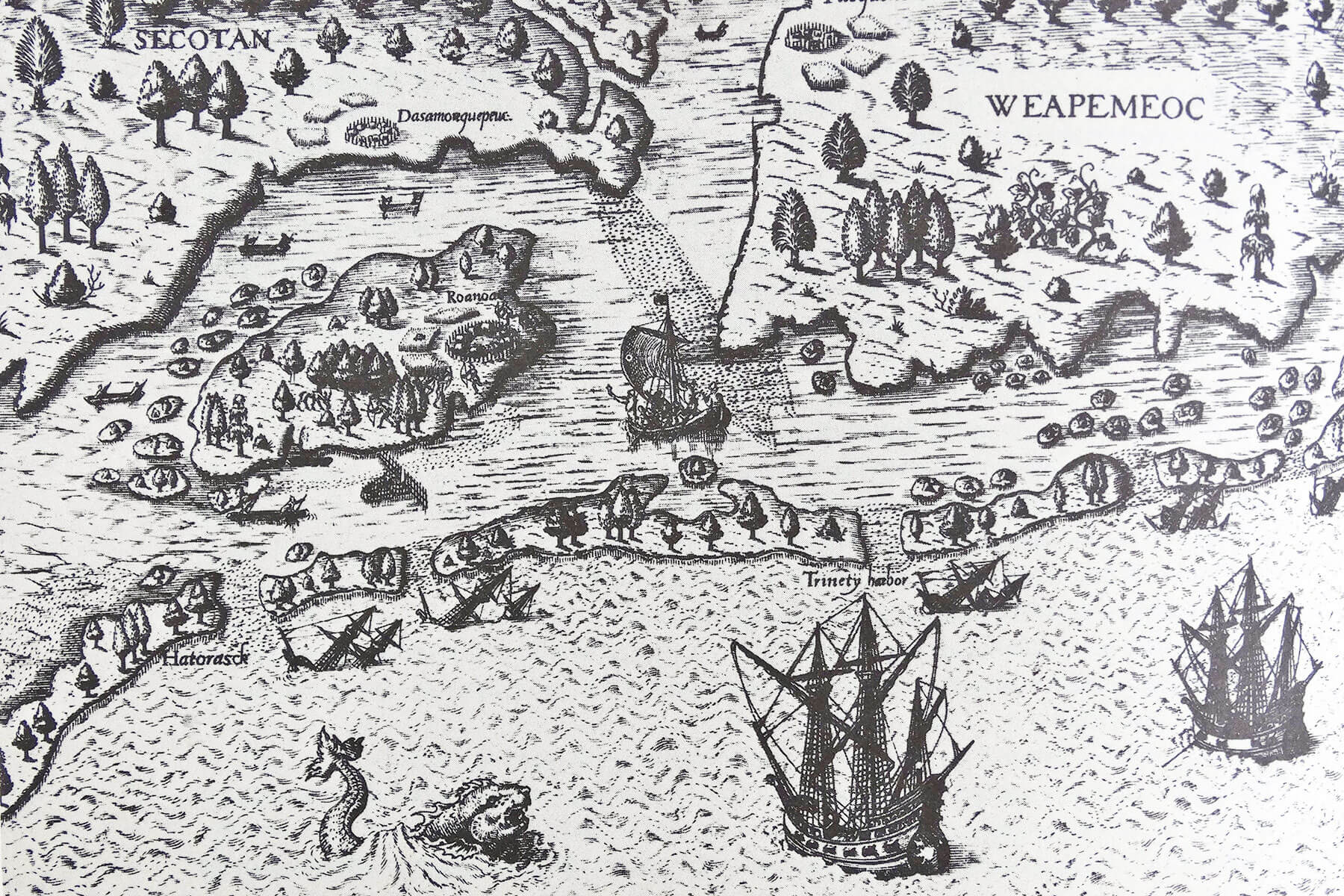
During the Elizabethan age, England took the first steps toward transforming from a small island nation into a global empire. British navigators made some of the first voyages to the New World during Elizabeth’s reign, and explorer Francis Drake’s voyages to the Americas gave England its first territorial claim in the Americas. Upon his return, Drake was knighted by Elizabeth herself on board his ship the Golden Hind.
The queen also oversaw the establishment of England’s first colonies in the New World. The explorer Humphrey Gilbert claimed Newfoundland for Elizabeth, and Walter Raleigh established a British colony on the island of Roanoke near North Carolina. These early settlements marked the beginning of an era of colonial expansion that gave rise to the mighty British Empire, which at its peak in 1920 covered over 13 million square miles and was the largest empire the world has ever seen.
— advertisement —
The Era Was a Time of Great Religious Upheaval
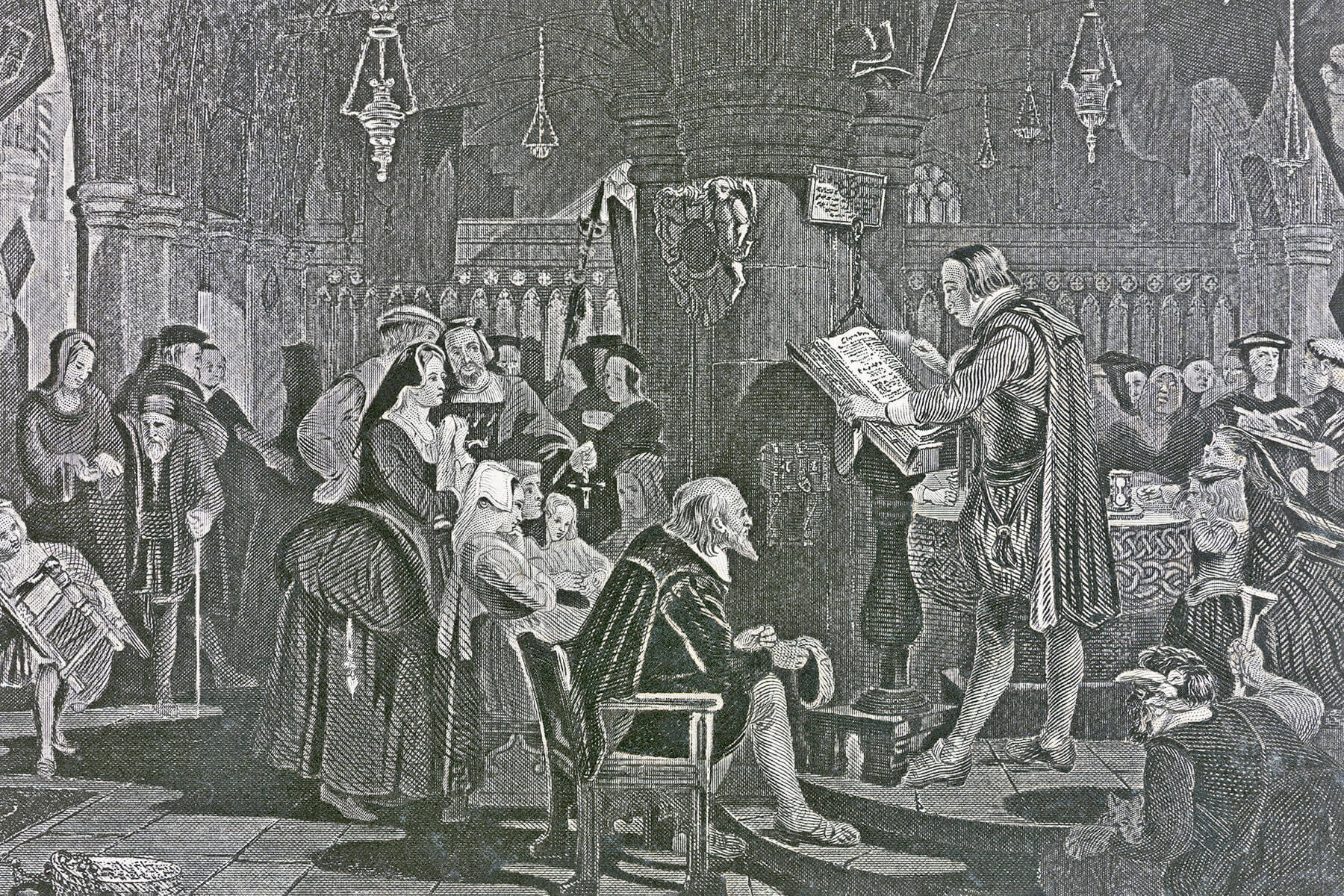
Elizabethan England wasn’t without its problems, and one of the most significant was the riff between English Catholics loyal to the Vatican and English Protestants loyal to the Church of England. As the head of the Church of England, Queen Elizabeth had a vested interest in religious conformity, and made it a legal requirement for all British subjects to attend Church of England services on Sundays, regardless of their religious affiliation. (She also made it a finable offense to attend a Catholic mass.) The tensions between Catholics and Protestants lasted throughout Elizabeth’s reign. The queen withstood four separate plots to overthrow her and replace her with her Catholic cousin, Mary, Queen of Scots; eventually, Elizabeth even had Mary executed for conspiring against her.
It Was a Golden Age of British Theater
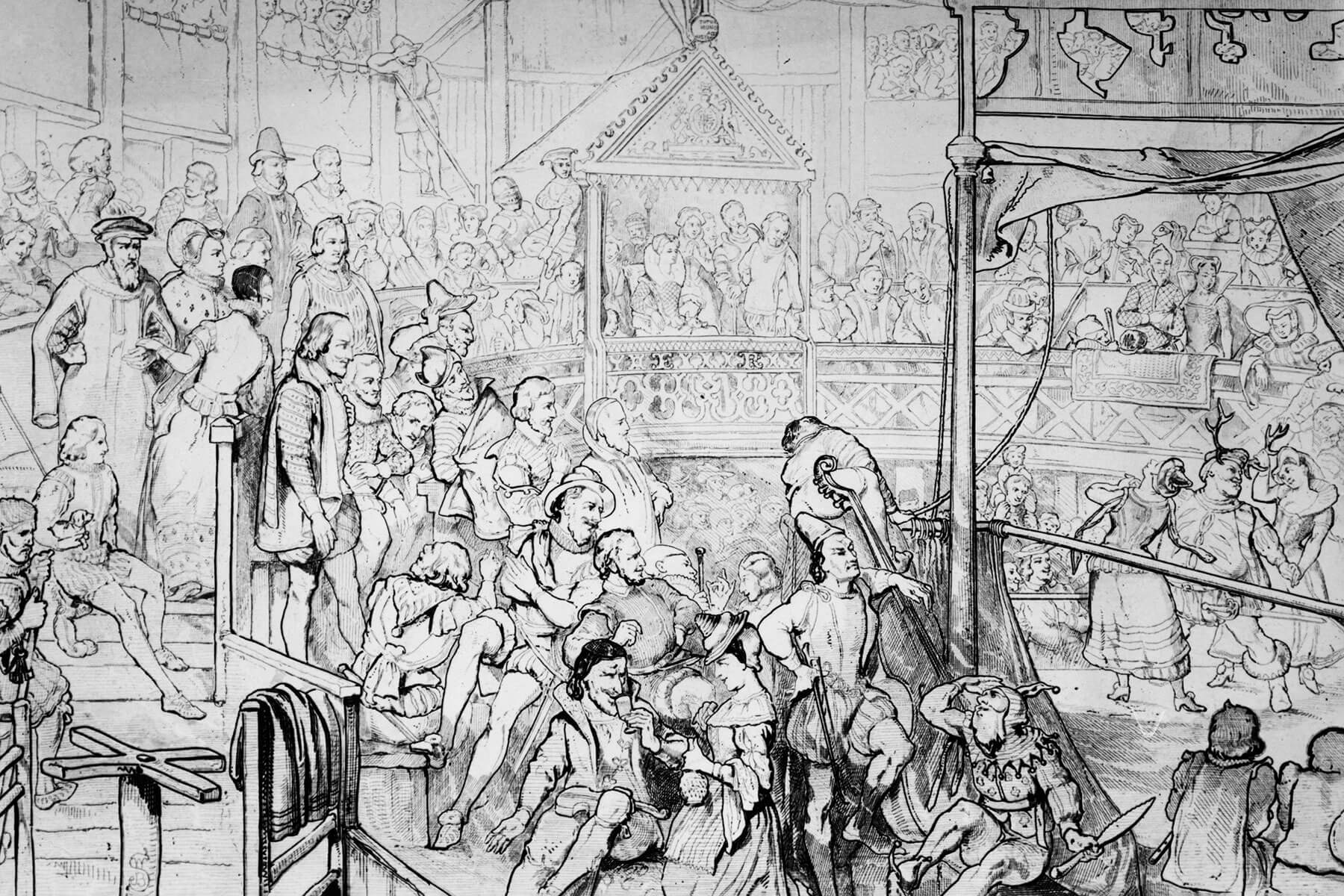
The Elizabethan age is often regarded as one of the high-water marks of English theater, which became a frequent destination for royalty and common English subjects alike. Some of the most celebrated playwrights ever to write in the English language created their best-known works during Elizabeth I’s reign. The most famous of these is, of course, William Shakespeare. Though Shakespeare’s career as a playwright continued after Elizabeth’s reign ended in 1603, many of the Bard’s most famous works were written while Elizabeth was queen, including A Midsummer Night’s Dream, Romeo and Juliet, and Hamlet. The queen even personally attended performances of The Merry Wives of Windsor and Love’s Labor’s Lost. But England’s dramatic output during Elizabeth’s reign wasn’t just limited to the Bard. Master dramatists such as Christopher Marlowe, Ben Jonson, and Thomas Kyd all produced classic works during this era.
— advertisement —
It Saw England Defeat the Largest Fleet of Warships Ever Assembled (At the Time)
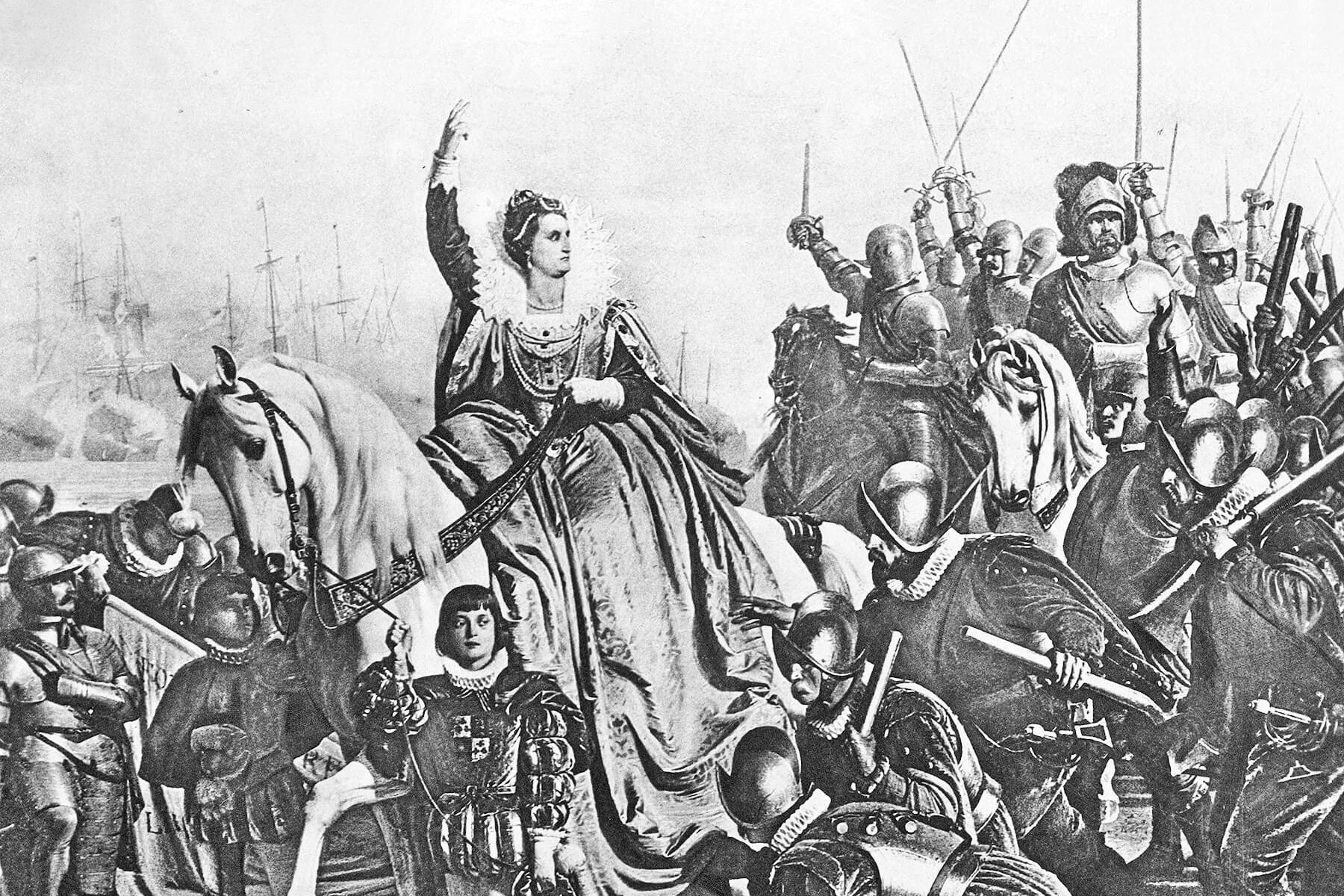
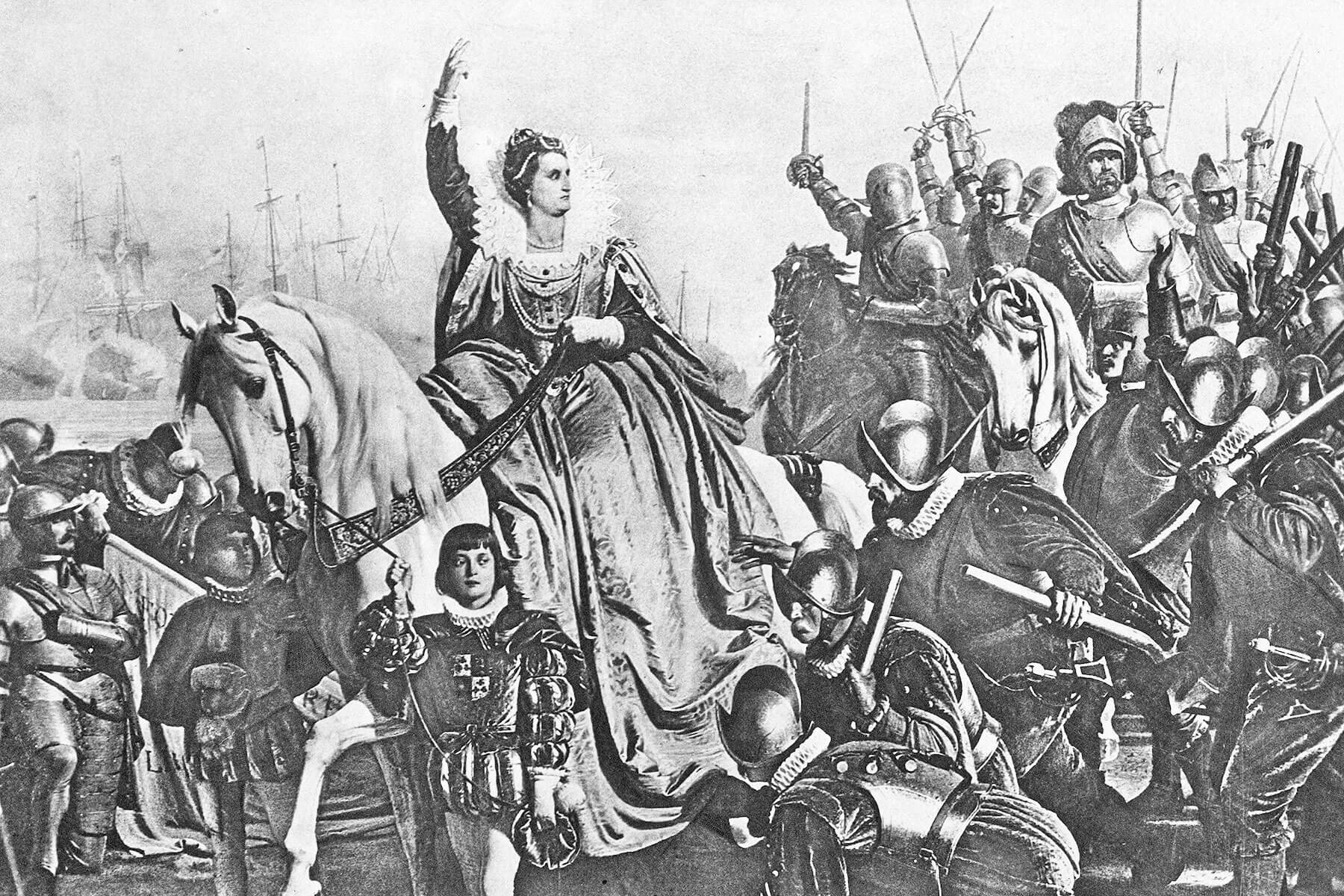
In 1588, Queen Elizabeth I faced the greatest military challenge of her reign: the Spanish Armada. The fearsome naval fleet was launched by King Philip II of Spain in an attempt to convert Protestant England to Catholicism and to neutralize the economic and political threats created by England’s growing power. The Spanish Armada was the largest naval fleet that had ever been assembled, with around 130 ships carrying more than 19,000 soldiers. Its size even earned it the nickname “the Invincible Armada.” Despite being outnumbered, the English were able to defeat the Spanish Armada, in part because of a devastating tactic in which eight ships were set on fire and sent into the midst of the Spanish fleet, forcing the ships of the Armada to scatter and weaken their formation. The English victory over the Spanish Armada signaled to the world that Queen Elizabeth I was a monarch to be reckoned with.