
Imagine walking through a stunning landscape covered in snow, where the silence is only interrupted by the soft crunch of your footsteps. That’s the kind of connection the Sami have with their surroundings. They believe that land possesses a spirit, and treating it with reverence is essential. To them, it’s not about owning land in the conventional sense; instead, it’s about shared stewardship. It’s like borrowing a treasured book from a friend—you’re responsible for taking care of it, but it’s never truly yours to take indefinitely.
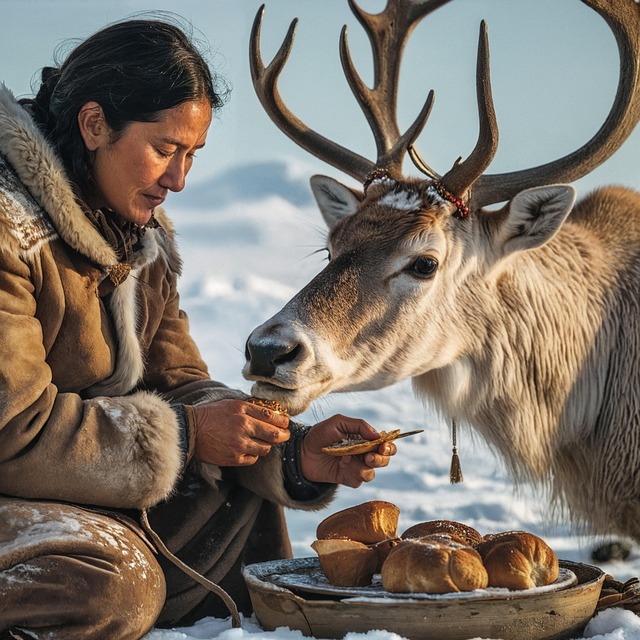
For the Sami, concepts like “owning” land can feel quite foreign. They traditionally engage in reindeer herding, migration, and fishing, practices that require mobility and flexibility, mirroring the rhythms of nature itself. This fluid relationship challenges the Western notion of static property ownership. When they look at the land, they see a canvas painted with stories of ancestors and experiences that stretch back generations.
Roots and Rights: The Sami Perspective on Land Ownership and Nature
Imagine waking up every morning to the sound of reindeer hooves crunching on fresh snow, knowing that this land, with its sweeping landscapes and vibrant fauna, has been tended by your ancestors for generations. The Sami people hold a unique belief that the land is a shared resource, meant to be respected and preserved. It’s not about ownership in a conventional sense; it’s about stewardship. Just like how we care for a friend’s garden, they nurture the earth, understanding that its health directly affects their survival.
But let’s not sugarcoat it—this perspective faces challenges. The pressures of modern development and climate change often clash with their traditional lifestyles. It’s like watching a tug-of-war, where the rope is made up of their rights, heritage, and the encroaching forces of industry. This struggle is palpable, as the Sami strive to assert their rights to the land while also advocating for its protection.
Nature as Kin: How Sami Culture Shapes Views on Land and Belonging
Think about it: when we look at a beautiful landscape, we often see just that—a pretty view. But for the Sami, every hill, river, and tree tells a story. Their beliefs are woven into the very fibers of the land, where reindeer herding isn’t just a way of life; it’s a spiritual dialogue with nature. It’s as if the mountains sing songs of ancestry, inviting them to dance to the rhythms of the seasons. This close connection fosters an unparalleled sense of stewardship, compelling the Sami to protect their environment fiercely.
Isn’t it fascinating how land can shape one’s identity? For the Sami, traditional knowledge passed through generations emphasizes that sharing the earth is vital; they view themselves as caretakers rather than owners. This perspective creates a strong sense of community, where sharing the bounty of the land strengthens bonds and encourages sustainable living.
When we listen to the Sami elders narrate tales of the earth’s spirits, we realize that their connection to nature is deep-seated, echoing their values of unity and kinship. In a world where many feel disconnected from nature, perhaps we could learn a thing or two from the Sami—a lesson on understanding, respect, and belonging in a rapidly changing environment.
The Sami Connection: Understanding Land Ownership Through Indigenous Eyes
Now, let’s dig into this. The Sami, indigenous to the Arctic regions of Norway, Sweden, Finland, and Russia, view their connection to the land almost like a woven tapestry—each thread representing a relationship, a memory, or a lesson. It’s about reindeer herding, fishing, and gathering; it’s about sustaining a way of life that has thrived for thousands of years. When they talk about land, they don’t just mean ownership; they reflect on stewardship, nurturing the earth while respecting its limits.
Have you ever walked through a forest and felt like the trees were whispering secrets? That’s how the Sami see nature. Their understanding of land is rooted in love and respect, not in claiming it as a resource to exploit. It’s a tale of cohabitation, where the Sami are not above nature but a part of its intricate web.
Balancing Tradition and Modernity: The Sami People’s Views on Nature’s Ownership
Imagine standing in a serene forest where the wind whispers secrets shared for generations. For the Sami, this isn’t just a backdrop; it’s a living entity, deserving of respect and love. To them, nature isn’t a commodity to be owned or exploited. Instead, it’s like a wise elder, a guide teaching them through experiences. This relationship is deeply rooted in their culture, where every river, mountain, and animal holds stories passed down through ages.
But here’s where it gets interesting: the Sami aren’t clinging stubbornly to the past. They’re integrating modern practices, understanding that tradition and progress can coexist. Consider this: they harness technology to monitor reindeer migrations and environmental changes, showcasing their commitment to sustainable living. It’s like using a smartphone to navigate a vast wilderness—it doesn’t replace the adventure; it enhances it!
Frequently Asked Questions
What is the Sami perspective on land ownership?
The Sami perspective on land ownership emphasizes a deep, communal relationship with the land, viewing it as a shared resource rather than a commodity. Their approach prioritizes traditional rights, cultural connection, and sustainability, advocating for the recognition of their historical land use and stewardship practices.
What cultural significance does land hold for the Sami?
For the Sami, land is integral to their identity, culture, and way of life. It represents their connection to nature and traditional practices such as reindeer herding, fishing, and gathering. The landscape embodies their ancestral heritage, rituals, and spiritual beliefs, making it essential for maintaining their language and cultural traditions.
How do Sami people relate to nature and the environment?
Sami people have a profound connection to nature, viewing it as an integral part of their culture and identity. They practice sustainable hunting, fishing, and reindeer herding, emphasizing respect for the environment. Their traditional knowledge and practices promote biodiversity and conservation, reflecting a deep understanding of the ecosystem.
How do Sami traditions influence land use practices?
Sami traditions emphasize a deep connection to the land, guiding sustainable land use practices. Their cultural practices, such as reindeer herding and fishing, are centered on respecting and preserving natural ecosystems. This holistic approach encourages biodiversity, promotes responsible resource management, and fosters a balance between traditional lifestyles and environmental conservation.
What legal rights do Sami people have regarding land ownership?
Sami people possess specific legal rights related to land ownership, primarily stemming from treaties, national laws, and international conventions. These rights typically include the ability to use traditional lands for reindeer herding, fishing, and hunting, as well as the right to consult on matters affecting their lands. In some regions, these rights are recognized in statutory law, while in others, they depend on customary practices. However, the enforcement and extent of these rights can vary significantly by country.