The Sami are often celebrated for their rich cultural heritage, including their vibrant languages, traditional clothing, and profound connection to nature. But what truly sets them apart as indigenous people? For starters, their history is intertwined with the land itself. They are the keepers of ancient knowledge about the Arctic’s ecosystems, having adapted their lifestyles to thrive in its harsh conditions. Think of them as the stewards of a vast wilderness, with traditions like reindeer herding that have been passed down through generations.
Moreover, the Sami possess a unique sense of identity that is firmly rooted in their ancestral land. Unlike others who may come and go, the Sami have a deep spiritual bond with the earth that shapes their way of life. It’s as if every mountain, river, and forest whispers stories of their ancestors, reminding them of who they are. This intimate relationship with the land is a cornerstone of Indigenous identity globally.
Rooted in Tradition: Exploring the Sami Identity as Scandinavia’s Indigenous People
Imagine a world where reindeer herding isn’t just a job but a way of life. For the Sami, these majestic animals are everything: partners in survival, symbols of their culture, and a vital part of their ecosystem. Their connection with nature runs deep—think of it as a symbiotic relationship where every human action is measured against its impact on the environment. This isn’t just conservation; it’s a sacred bond that guides their daily lives.
Now, let’s talk about language—did you know the Sami have several languages? Picture it like a beautiful mosaic, each language reflecting different facets of their unique identity. Speaking Sami isn’t just about communication; it’s about telling stories that have been passed down through generations—stories that capture the essence of their identity, struggles, and triumphs.
And let’s not forget the incredible artistry that bursts from the Sami culture! From intricate handcrafts to breathtaking joik, a form of traditional song, their creative expressions are like windows into their soul. These crafts and songs aren’t mere hobbies; they are powerful symbols of resilience, community, and storytelling.
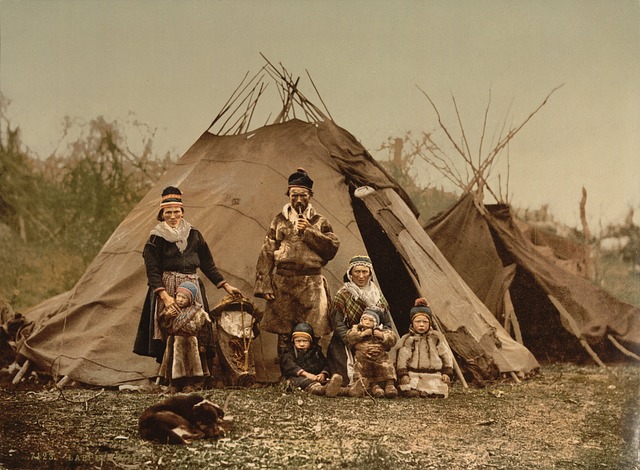
So, next time you think of Scandinavia, remember the Sami. Their rich traditions and deep-rooted identity are reminders of the beauty that comes when people harmonize with their land and culture. In a world that often moves too fast, the Sami remind us to slow down and appreciate the stories etched in the snow and sung in the wind.
Echoes from the Arctic: Understanding the Sami Connection to the Land
The Sami’s relationship with the land is not just a matter of survival; it’s a tapestry woven with tradition, culture, and spirituality. For them, the Arctic isn’t just a backdrop; it’s a living entity filled with spirits and ancestral presences. Have you ever felt that rush of emotion when you stand in a place that feels achingly familiar? For the Sami, that’s the heartbeat of their existence. Every snowy expanse and rolling hill holds memories and teachings passed down through generations.
What’s truly fascinating is how their very lifestyle adapts to the rhythms of the earth. Traditionally, reindeer herding has been not just a way of life, but a dance with nature. Imagine herding a delicate balance of instincts and environmental cues, much like an artist with their canvas. This practice has honed their skills in navigation and respect for the land, making each hunt or gathering a sacred act.
Beyond Borders: The Sami as the Last Indigenous Guardians of Scandinavia’s Heritage
The Sami, often referred to as the last indigenous inhabitants of Scandinavia, offer a vibrant tapestry of history and resilience. Their connection to the land is profound, akin to a deep-rooted tree with branches reaching towards the sky. They’ve navigated through centuries of challenges, from colonial pressures to modernization, yet their voices remain strong and relevant today. Can you imagine living in complete harmony with nature, where the reindeer roam freely and the seasons dictate your way of life?
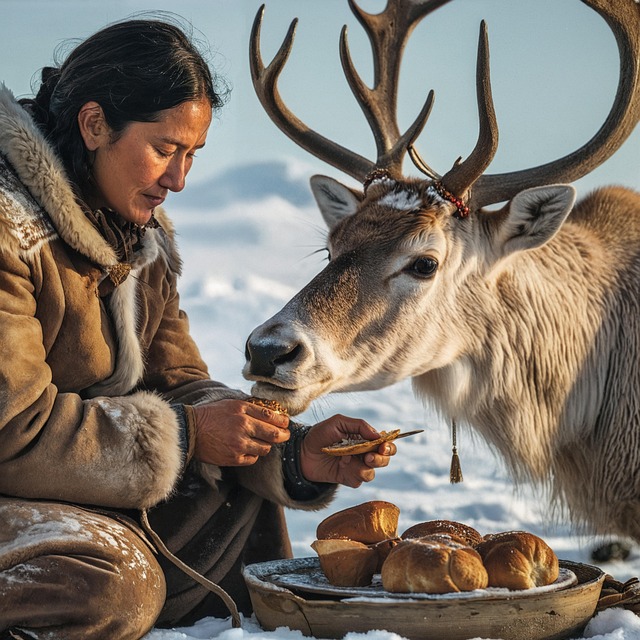
Their traditional practices, such as reindeer herding, not only sustain their communities but also contribute to biodiversity. The Sami view their relationship with the environment as a sacred contract, ensuring that the land remains untouched and fertile for future generations. Isn’t that a beautiful metaphor for conservation? Just like a storyteller who passes down tales through the ages, the Sami commune with the Earth, sharing wisdom that goes far beyond our lifetimes.
A Culture at Risk: The Sami People and Their Struggle for Recognition in Scandinavia
Have you ever felt invisible or like your heritage wasn’t acknowledged? That’s the reality for many Sami. Despite their rich history and unique traditions, their way of life often gets overshadowed by modernity and governmental neglect. Imagine if your family’s legacy was dismissed, as if it never existed. It’s a heartbreaking thought, isn’t it?
The Sami face numerous challenges, from land rights issues to cultural appropriation. As industries like mining and logging encroach on their traditional lands, the very fabric of their culture is under threat. Reindeer herding, a cornerstone of Sami identity, is diminishing due to climate change and habitat loss, making it harder for them to maintain their age-old practices. Picture a family losing their connection to their roots—it’s both terrifying and tragic.
It’s not just about survival, though. The Sami are boldly stepping up, demanding visibility and recognition. They’re using art, music, and activism to raise awareness, drawing attention to their culture and rights. When they sing their traditional songs or share their stories, it’s like they’re weaving a new cloak for their community, one that shines with resilience and pride.
So, next time you gaze at the northern lights, think of the Sami people. Their culture is flickering, but with a little recognition and respect, it can illuminate the world for generations to come.
Sami Sovereignty: How History and Activism Shape Their Identity as Indigenous People
Imagine living in a place where the shadows of colonization loom large, where your rights are often overlooked. For the Sami, this isn’t just a story from the past; it’s a reality they confront daily. By reclaiming their rights to land, language, and cultural practices, they’re not just fighting for recognition—they’re reasserting their identity. Have you ever felt the thrill of standing up for something you believe in? That’s the kind of passion that drives Sami activism.
Every protest, every art piece, every song, and every story shared is a testament to their struggle. It’s like weaving a tapestry, where each thread represents a community member’s voice, all coming together to create something beautiful yet powerful. Sami activists are showing the world that their identity isn’t just about the past; it’s about the future—and they’re determined to forge their path.
From Reindeer Herding to Revival: The Sami’s Journey as Scandinavia’s Indigenous Culture
The Sami have long been the guardians of the northern wilderness, navigating forests and tundras with an intimate knowledge of the land. Each reindeer herd carries not just the weight of their livelihood but also the spirit of their ancestors. It’s like each animal tells a story, connecting the Sami to their past, reminding them of their resilience. To many, reindeer are simply animals, but to the Sami, they represent a way of life—a connection to nature that is almost spiritual.
However, like many Indigenous cultures, the Sami faced challenges. Colonization and modernization threatened their traditions. Imagine trying to balance on a seesaw; one side is tradition, while the other is progress. At times, it felt like their culture would topple over. The encroachment of modern society pushed them to adapt, yet they’ve always found ways to revive their heritage, blending the old with the new.
Frequently Asked Questions
What Challenges Do Sami Communities Face Today?
Sami communities encounter various challenges today, including the preservation of their cultural heritage amidst globalization, land rights issues due to resource exploitation, and climate change affecting traditional livelihoods like reindeer herding. Additionally, they face socio-economic disparities and the need for political representation to safeguard their interests and rights.
What Rights Do Sami People Have in Scandinavia?
Sami people in Scandinavia possess rights that recognize their culture, language, and traditional livelihoods. These include the right to self-determination, protection of their languages, and ownership of land and resources vital for reindeer herding. Legal frameworks provide for representation in governmental matters, ensuring their voices are heard in decisions affecting their communities.
What Defines Indigenous Peoples in Scandinavia?
Indigenous peoples in Scandinavia, primarily the Sámi, are identified by their historical continuity with pre-colonial societies, distinct languages, cultures, and traditional livelihoods such as reindeer herding. Their unique relationship with the land and natural resources, as well as their cultural practices and social structures, contribute to their identity and rights as indigenous groups.
How Do the Sami Maintain Their Cultural Identity?
The Sami maintain their cultural identity through traditional practices, such as reindeer herding, handicrafts, and music, alongside the use of their indigenous languages. Community events, festivals, and the passing down of stories and customs play a crucial role in preserving their heritage. Additionally, advocacy for their rights and recognition in educational and political spheres helps sustain their unique cultural identity in contemporary society.
What is the History of the Sami People?
The Sami people are an Indigenous group primarily inhabiting the Arctic regions of Norway, Sweden, Finland, and Russia’s Kola Peninsula. Their history dates back thousands of years, characterized by a unique culture, language, and traditional livelihoods centered around reindeer herding, fishing, and hunting. Historically, the Sami faced colonization and assimilation efforts, impacting their way of life. Today, they strive to preserve their cultural heritage and assert their rights as Indigenous people amid modern challenges and increased recognition globally.