There are few individuals in European history as influential as Napoleon Bonaparte. The historic leader is remembered for his iconic bicorn hat, his allegedly short stature (a bit unfairly, since he was actually of average height for his time), and his singular military skill. During his lifetime, Napoleon went from a student in a French military academy to the ruler of an empire that spanned nearly all of continental Europe. By the time he was finally defeated in 1815, his series of conquests, known as the Napoleonic Wars, had changed the European continent forever. Here are seven facts about Napoleon Bonaparte that offer a small glimpse into his spectacular rise and fall.
French Wasn’t His First Language
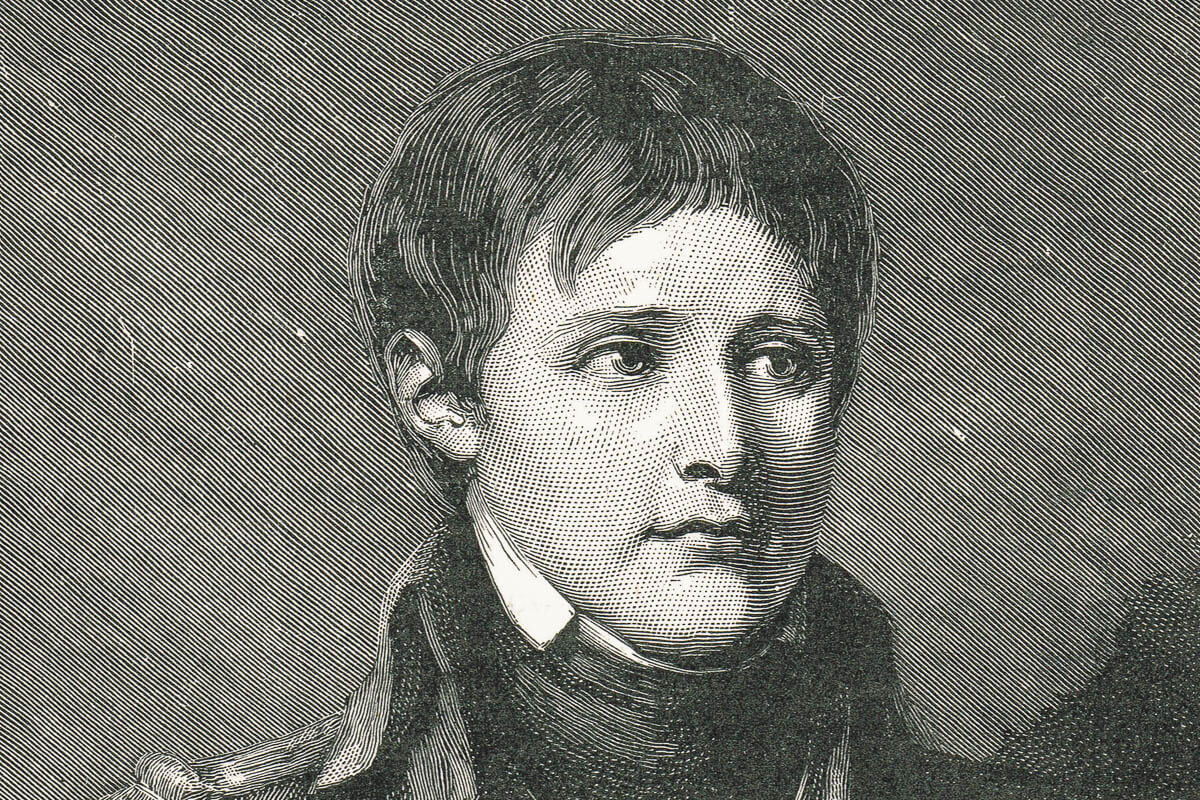
Despite the central role Napoleon played in the history of France, he didn’t start learning to speak French until he was 9 years old. Napoleon was born on the Mediterranean island of Corsica, where most people spoke a regional dialect of Italian, and this was the language he grew up speaking. He spoke with a Corsican accent throughout his life, and even after he became emperor of France, this accent continued to mark him as a foreigner on the French mainland and served as a reminder of his Mediterranean origins.
— advertisement —
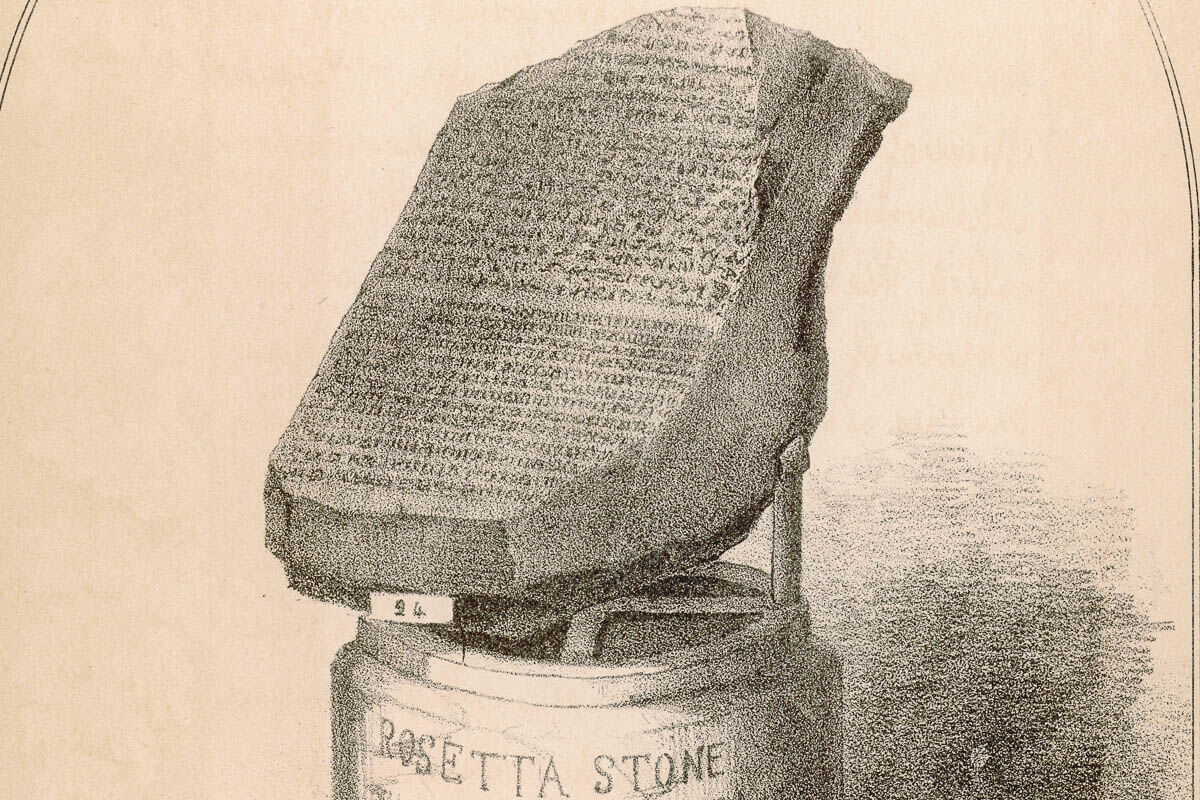
The Rosetta Stone Was Discovered by One of His Soldiers
The Rosetta Stone is one of the greatest discoveries in the history of archaeology, proving crucial to the translation of Egyptian hieroglyphs. Yet it was discovered not by a scientist or researcher, but by a soldier in Napoleon’s army, officer Pierre-François Xavier Bouchard. In 1799, Napoleon was a young general and rising military star attempting to conquer Egypt (and in so doing, disrupt British trade routes in the Middle East and threaten British possessions in India). Napoleon’s troops uncovered the Rosetta Stone while preparing for battle in Alexandria, and the general had the stone transported to Cairo for study. The Rosetta Stone remained there until 1801, when Napoleon’s forces in Egypt were defeated by the British and the artifact was transported to the British Museum in London, where it remains to this day.
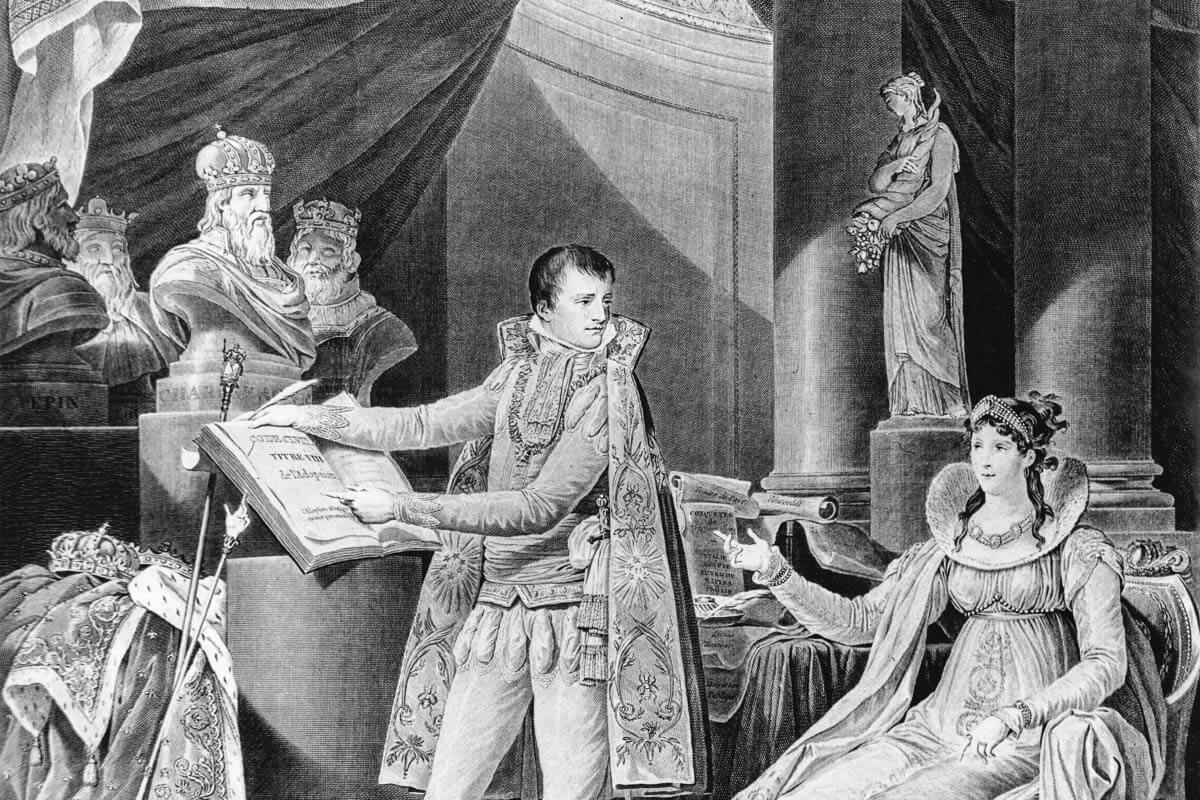
The Civil Code He Created Is Still Used Today
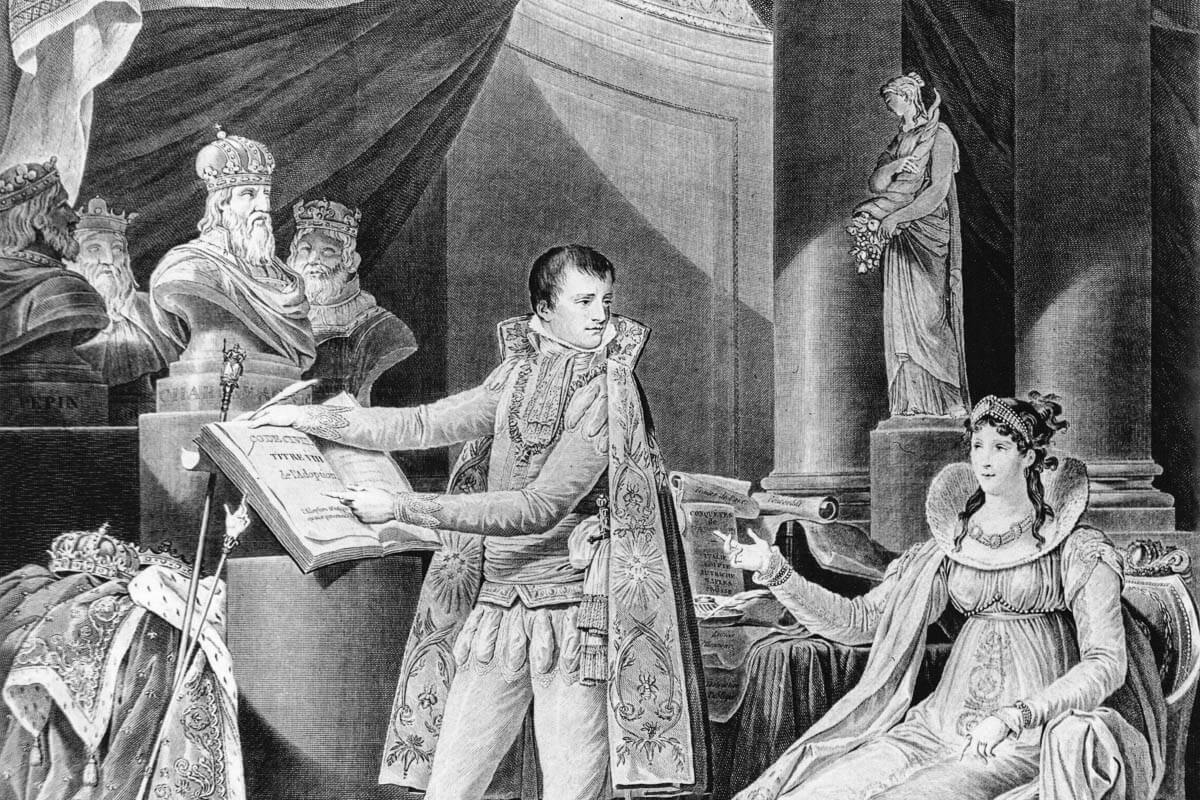
As Napoleon’s hold over France grew, the leader began to introduce new ways of governing the people under his control. One method involved introducing a standardized set of laws known as the Napoleonic Code, which were enforced both in France and in every new territory the general conquered. The laws outlined in the code addressed nearly all aspects of life, from individual rights to property law to marriage and divorce. The Napoleonic Code was extremely influential, and several countries, including Belgium, Luxembourg, and Monaco, still use it in some form today.
— advertisement —
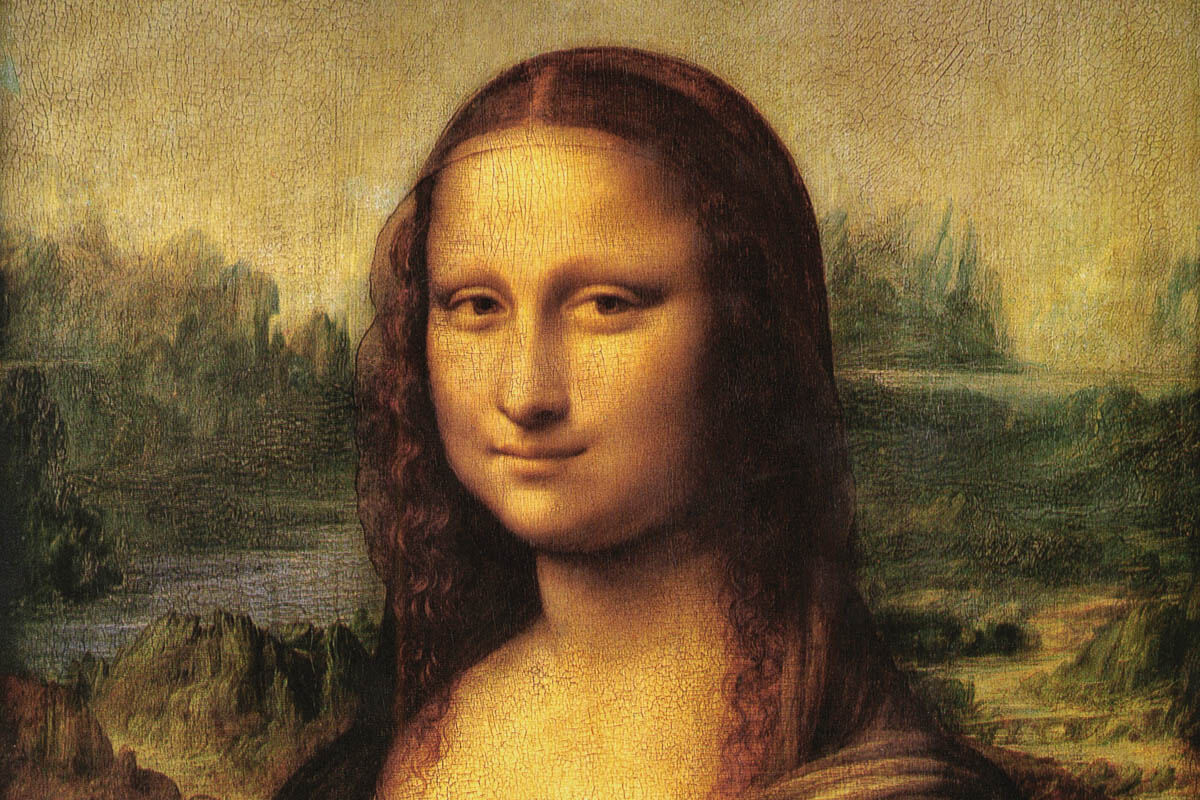
The “Mona Lisa” Once Hung in His Bedroom
Shortly after declaring himself emperor of France, Napoleon pulled one of the biggest power moves in the history of art collecting: He had the “Mona Lisa” moved to his private bedchambers for his own personal viewing pleasure. Napoleon was enchanted by the enigmatic woman depicted in Leonardo da Vinci’s masterpiece (he referred to her as “Madame Lisa” and the “Sphinx of the Occident”), and this new arrangement allowed him to contemplate her mysterious beauty for as long as he wanted. The “Mona Lisa” hung in Napoleon’s bedroom for four years, until it was transferred to the Grand Gallery of the Louvre Museum in 1804.
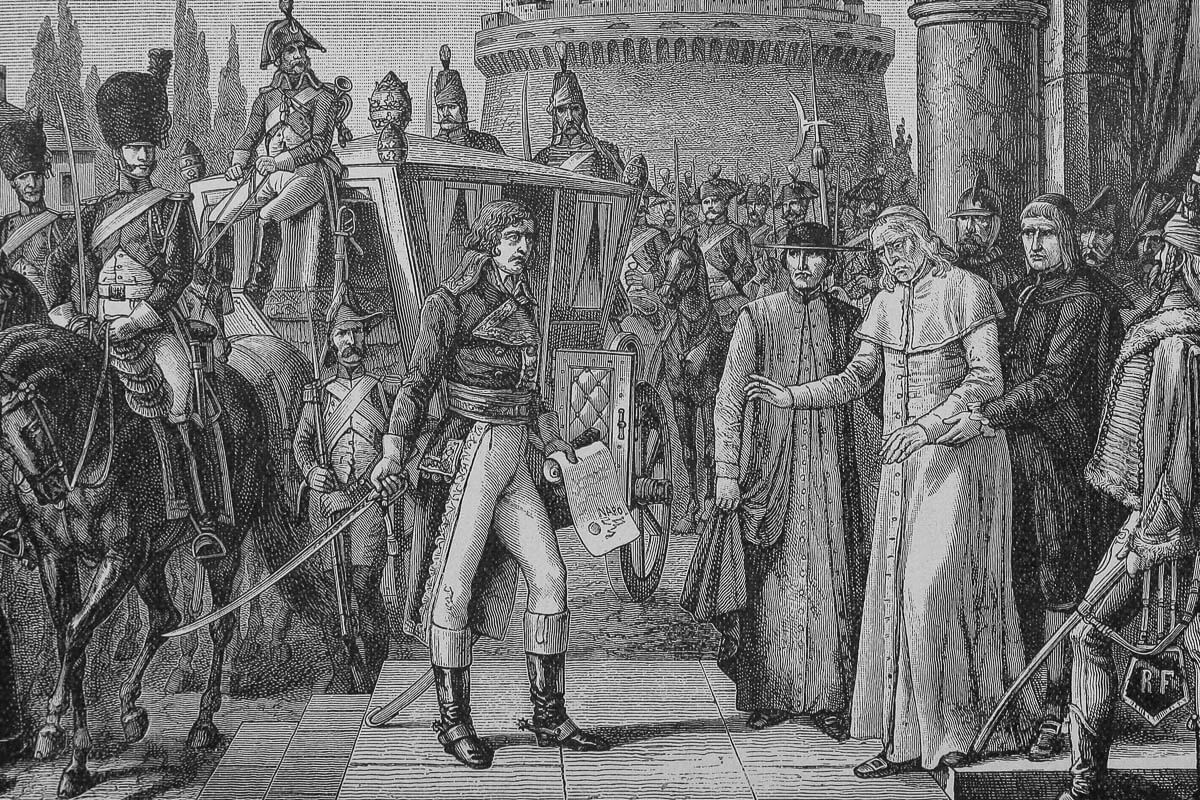
He Kidnapped Two Different Popes
Napoleon had a rocky relationship with the Vatican throughout his reign, and on two different occasions, tensions between the general and the papacy got so severe that Napoleon felt compelled to kidnap the pope. The first incident occurred in 1798, when Napoleon was still a young commander in the French army and had captured Pope Pius VI in order to help defend France against a Vatican-supported European coalition opposed to the French Revolution. Napoleon’s forces invaded Italy, and Pope Pius VI was taken by force to France, where he died a prisoner 18 months later. Napoleon returned to his pope-snatching ways in 1809, when he ordered French forces to kidnap Pius VI’s successor, Pope Pius VII, from his home in Rome and smuggle him out of the city. The kidnapping was the culmination of long-escalating political tensions, and the pope remained Napoleon’s prisoner until the emperor was forced to abdicate the throne in 1814.
— advertisement —
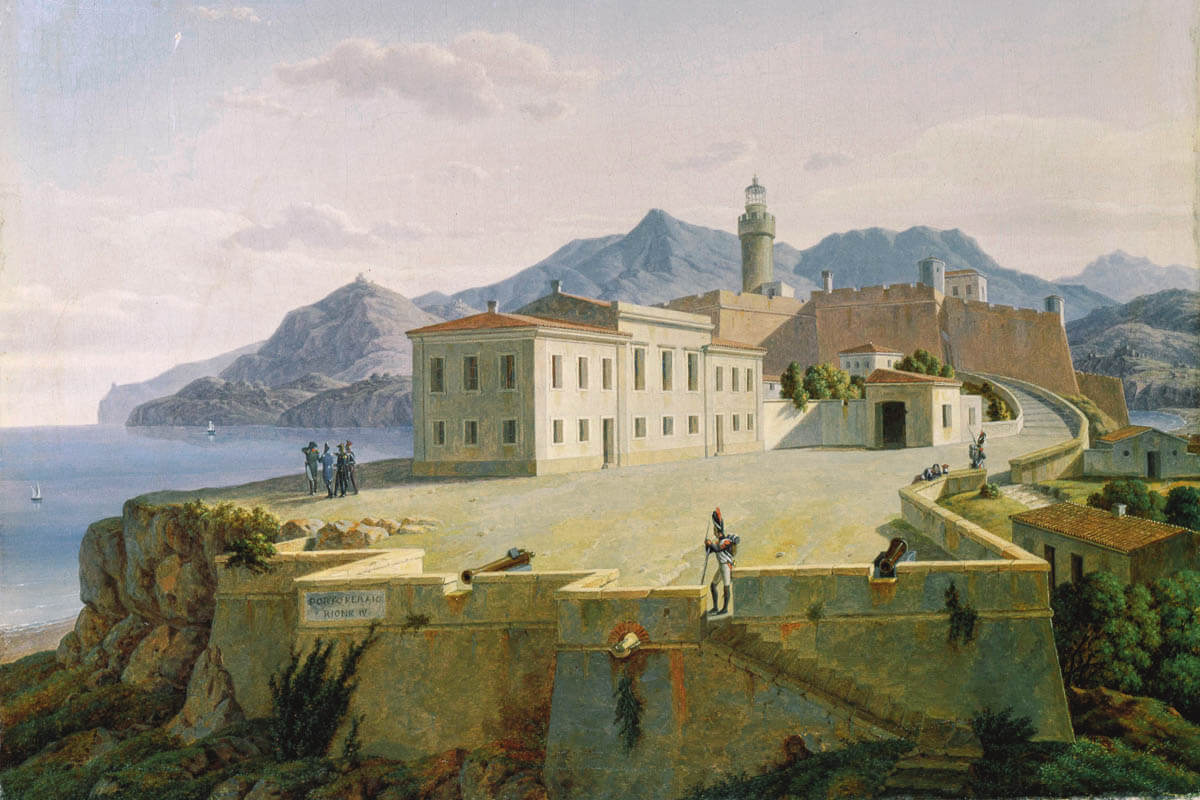
He Went From Ruling Europe to Ruling an Island of Only 12,000 People
After his catastrophic failed invasion of Russia, Napoleon was forced to abdicate his throne as the self-proclaimed emperor of France. In 1814, he was exiled to the small island of Elba off the coast of Tuscany. Though Napoleon was granted control over the Principality of Elba, going from the leader of the sprawling French Empire to the leader of Elba was a significant demotion. In 1811, Napoleon’s empire had encompassed practically the whole European continent, while Elba was an 86-square-mile island with some 12,000 residents. In 1812, Napoleon had commanded an army of 600,000 men, while his military forces on Elba consisted of fewer than 1,000 soldiers and a navy with only one ship. Apparently, Napoleon wasn’t too concerned about this decrease in fighting power; just 300 days into his exile, he escaped from Elba with his reduced army to reclaim his throne in France.
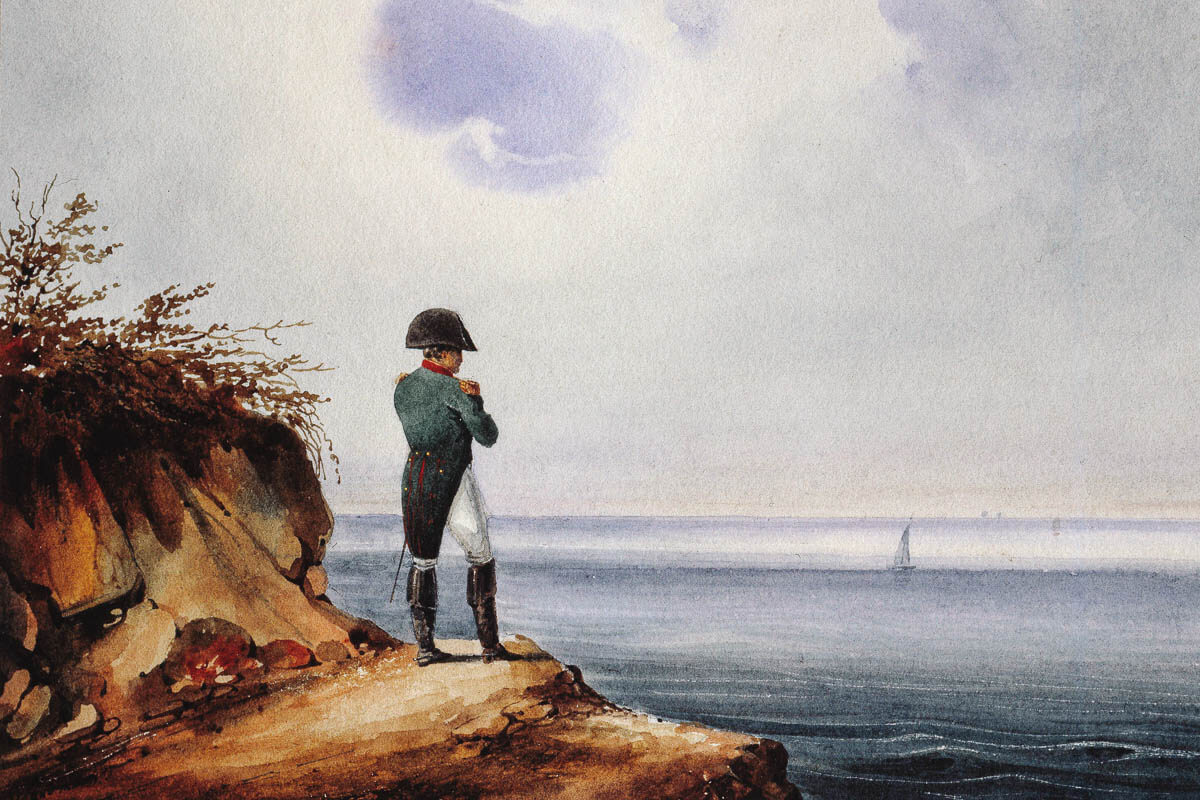
He Was Exiled Two Different Times to Two Different Islands
The first time Napoleon surrendered, he was banished to Elba. When the emperor surrendered a second time, after escaping from Elba in 1815 and once again plunging Europe into war, his enemies decided that he had to be banished to an island that was much farther away. After being defeated at the Battle of Waterloo, Napoleon was exiled to St. Helena, which was 1,200 miles from the nearest mainland, on the western coast of Africa. The total isolation of the island, along with his declining health, guaranteed that Napoleon would never return to Europe again, and he remained on St. Helena until his death in 1821.