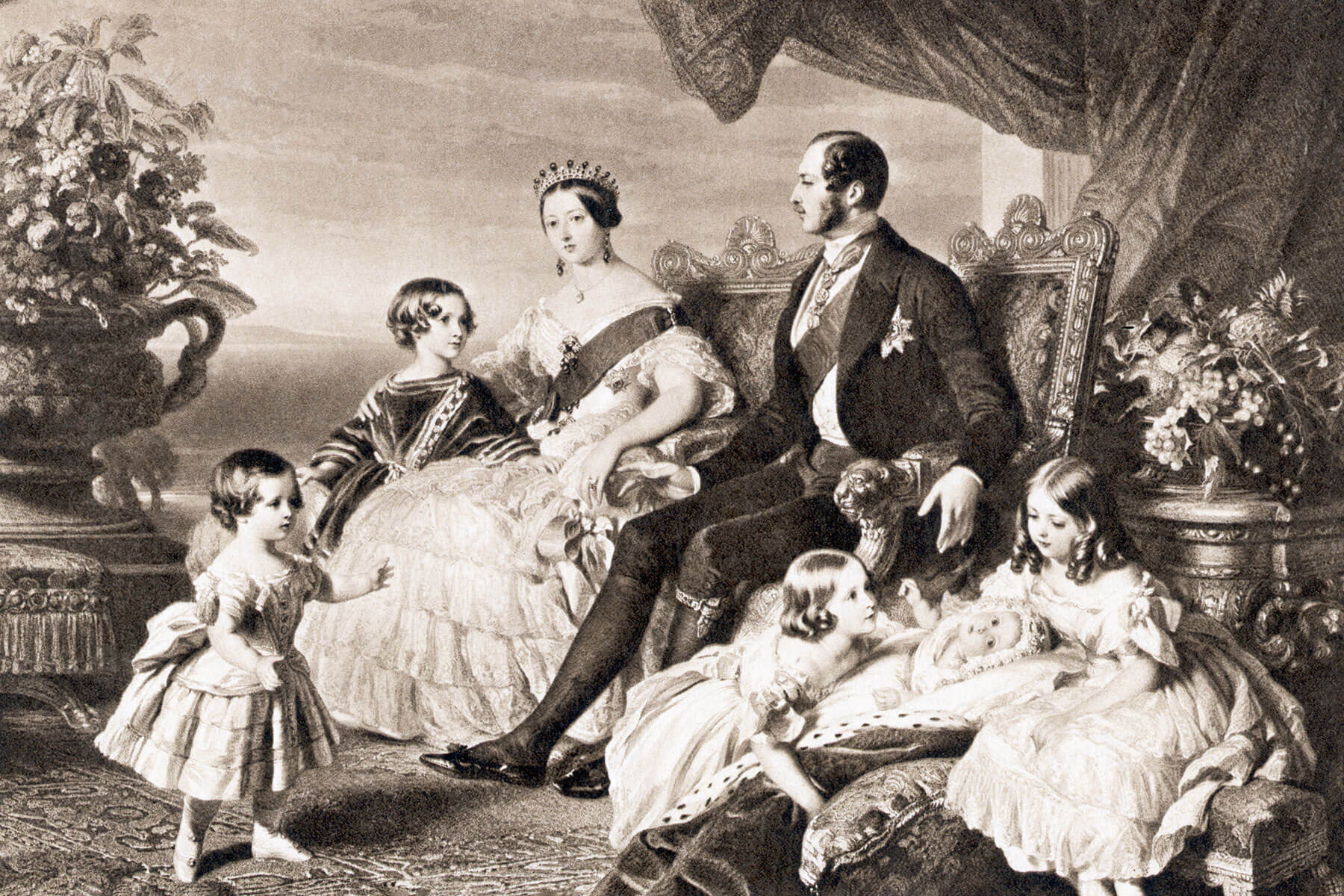
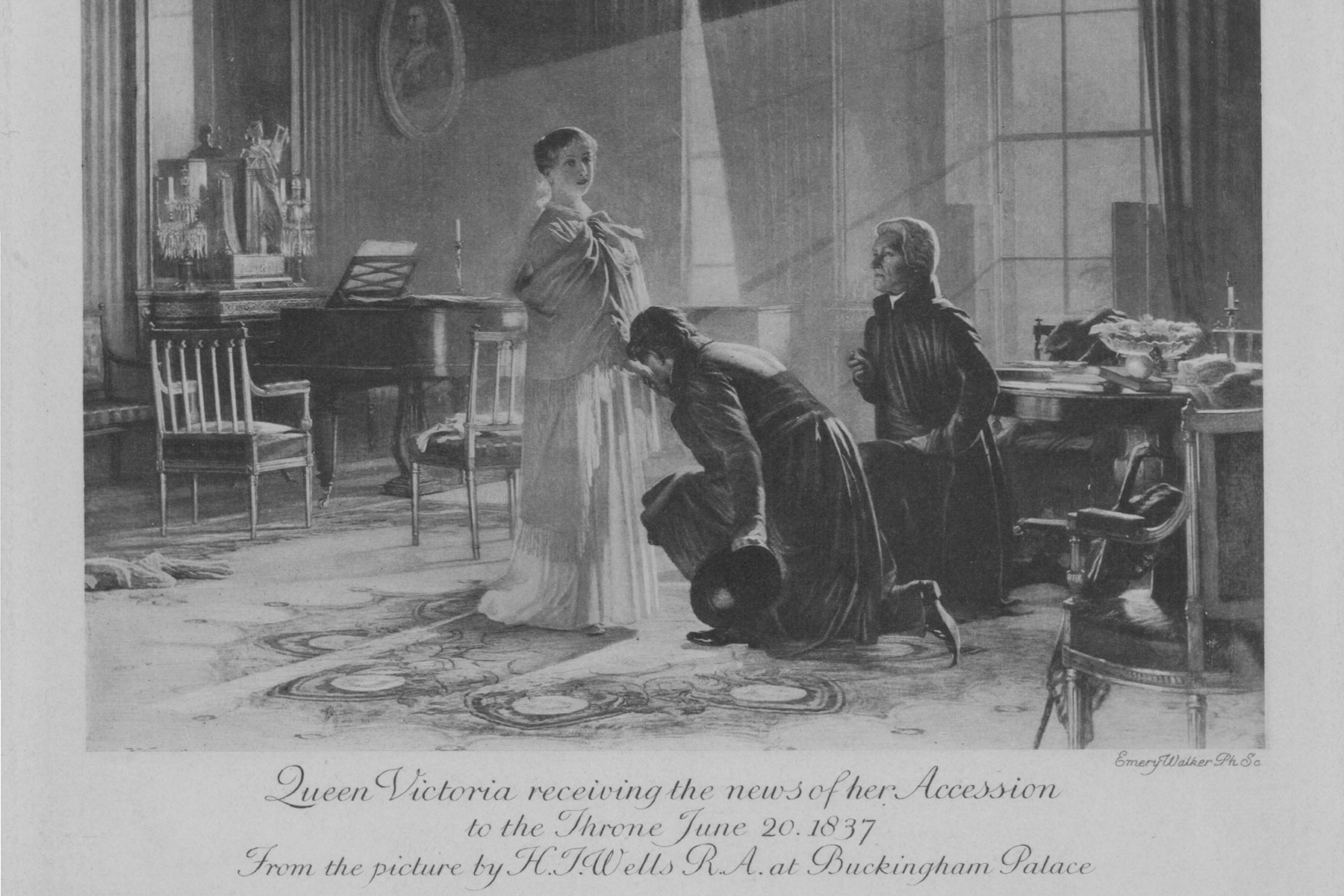
England’s Queen Victoria remains one of the most captivating figures in royal history. Her long tenure and intricate legacy reshaped an era, giving the period its umbrella name and leaving a lasting imprint on Britain and beyond. Born on May 24, 1819 as Princess Alexandrina Victoria of Kent, she initially stood fifth in line to the throne and was not expected to ascend. Yet fate intervened, and Victoria rose to the throne on June 20, 1837, just after her eighteenth birthday, ruling for more than six decades—surpassing almost all predecessors in length of reign, save for her great-great-granddaughter Elizabeth II. During her time as sovereign, she earned a reputation for decisiveness and outspoken leadership, driving industrial growth, reform, and social transformation in England, while also overseeing aggressive imperial expansion. By the end of her reign, Britain’s imperial reach was nearly doubled, with about a quarter of the world’s population under its influence.
Here are seven compelling facets of Victoria’s life, highlighting the monarch often described as the grandmother of Europe.
Victoria Was Delivered by a Woman Doctor
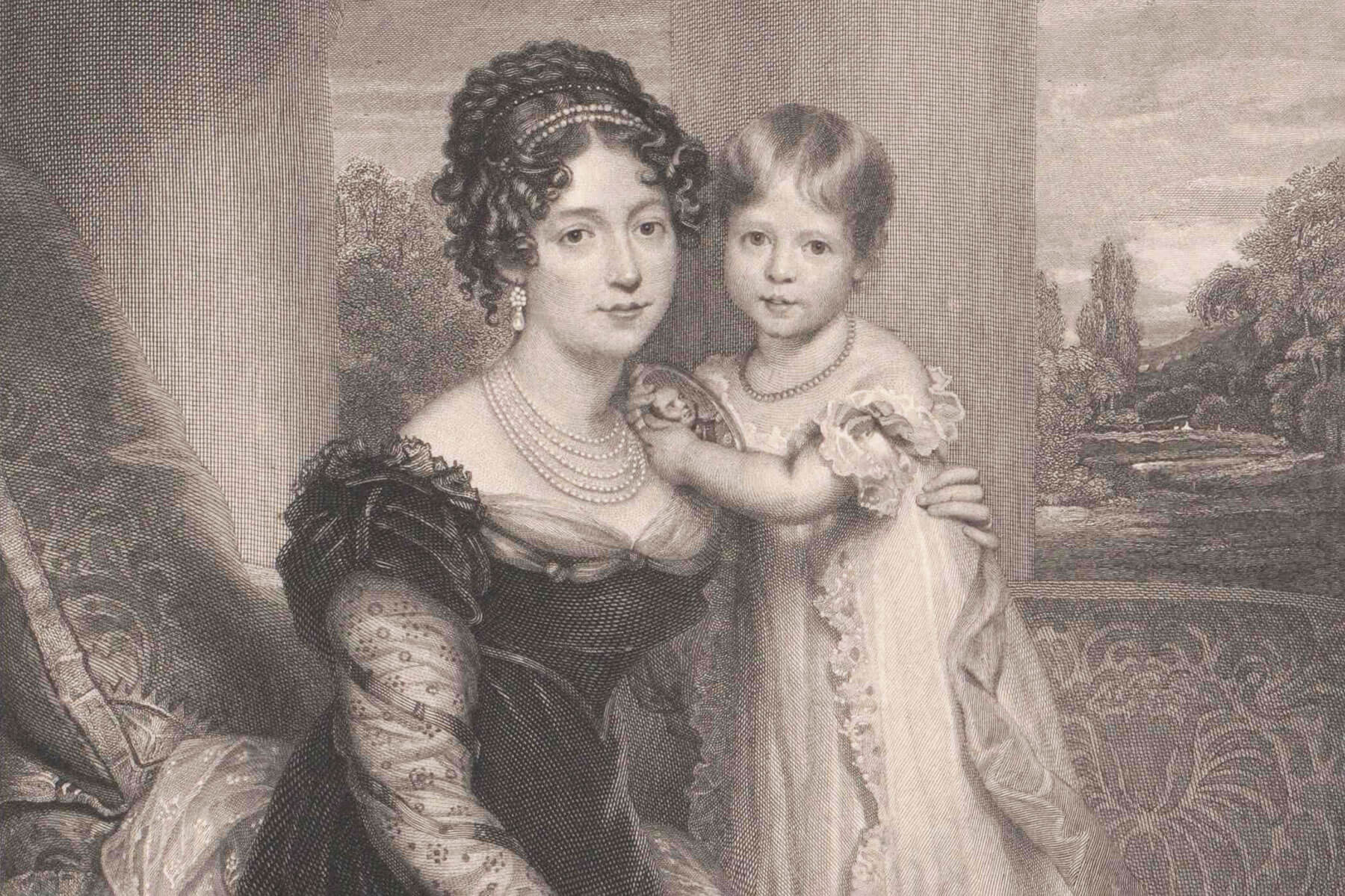
In an era when women in medicine were rare, Victoria’s mother chose a female physician to deliver the baby. Charlotte Heidenreich von Siebold—often called Madam Siebold—was formally trained in gynecology and obstetrics and held a doctoral degree from the University of Giessen (1817). She delivered the future queen at Kensington Palace on May 24, 1819. A few months later, on August 26, 1819, von Siebold assisted in the birth of Victoria’s first cousin, Prince Albert, at Rosenau Castle in Germany.
— advertisement
First Monarch to Make Buckingham Palace a Primary Residence
What is now Buckingham Palace began as Buckingham House, purchased by King George III in 1761 for his wife and family. When George IV became king in 1820, he initiated a grand transformation to create a proper palace. Although he did not live to see the project completed, Victoria, after ascending the throne in 1837, became the first sovereign to establish Buckingham Palace as her main residence. She oversaw further updates, including installing electricity in the ballroom in 1883, and she delivered the first royal balcony appearance. The Great Exhibition of 1851 marked another milestone during her reign, as she publicly greeted those gathered for the event.
— photo credit
Prolific Writer: A Life in Words
Victoria’s diaries and letters accumulate to an estimated 60 million words across her lifetime. Her earliest journal entry, penned at age 13 in 1832, begins with a note about a journey to Wales. She maintained writing for nearly seven decades, even composing a brief entry just ten days before her death at 81. At her request, her youngest daughter Beatrice supervised the posthumous editing of the journals, filtering content to protect the royal legacy. Beatrice dedicated thirty years to transcription and editing, ultimately destroying many original volumes.
— advertisement

Victoria Proposed to Albert
Victoria and her German cousin, Prince Albert, were born within three months of each other and first met in 1836 as teens. Though marriages had been arranged by their families, their affection grew into a deep partnership. They met again in October 1839 and became engaged; Albert could not formally propose to the reigning monarch, so Victoria took the initiative. In her diary, she expressed, “Oh! how I adore and love him, I cannot say!” The couple wed in February 1840 after a relatively brief courtship, exchanging intimate letters—Albert writing in German, “Even in my dreams I never imagined that I should find so much love on earth.”

— photo credit
The White Wedding Dress: A Lasting Image
On their wedding day, Victoria chose to present herself as Albert’s wife rather than as queen, donning a white gown rather than the traditional red robe. While white wedding attire was not unique to monarchs, her choice helped popularize a modern bridal aesthetic across Europe and the West. The dress, crafted from British silk and lace and complemented by orange blossoms, signaled a new simplicity in royal bridal fashion and reinforced Britain’s patriotic textile industries.

— advertisement
Enduring Mourning: A Queen in Black
After Albert’s death in 1861, Victoria adopted a lifelong mourner’s wardrobe. Although she initially observed a traditional year of mourning, she continued to wear black daily for the remainder of her life, often complemented by a white widow’s cap. Her clothing choices became a defining aspect of her later years, underscoring a personal response to loss that endured well into the 20th century.

— photo credit
Descendants Across Europe
Victoria and Albert’s nine children formed dynastic bonds that extended Britain’s influence across Europe. Their offspring married into the royal families of Denmark, Germany, Greece, Norway, Russia, and Spain, weaving a network that connected many European thrones. The queen’s early struggle within the Kensington System gave way to a strategic vision of expanding British influence through matrimonial alliances. Today, about five of the approximately 28 existing monarchies trace their lineage to Victoria’s descendants.