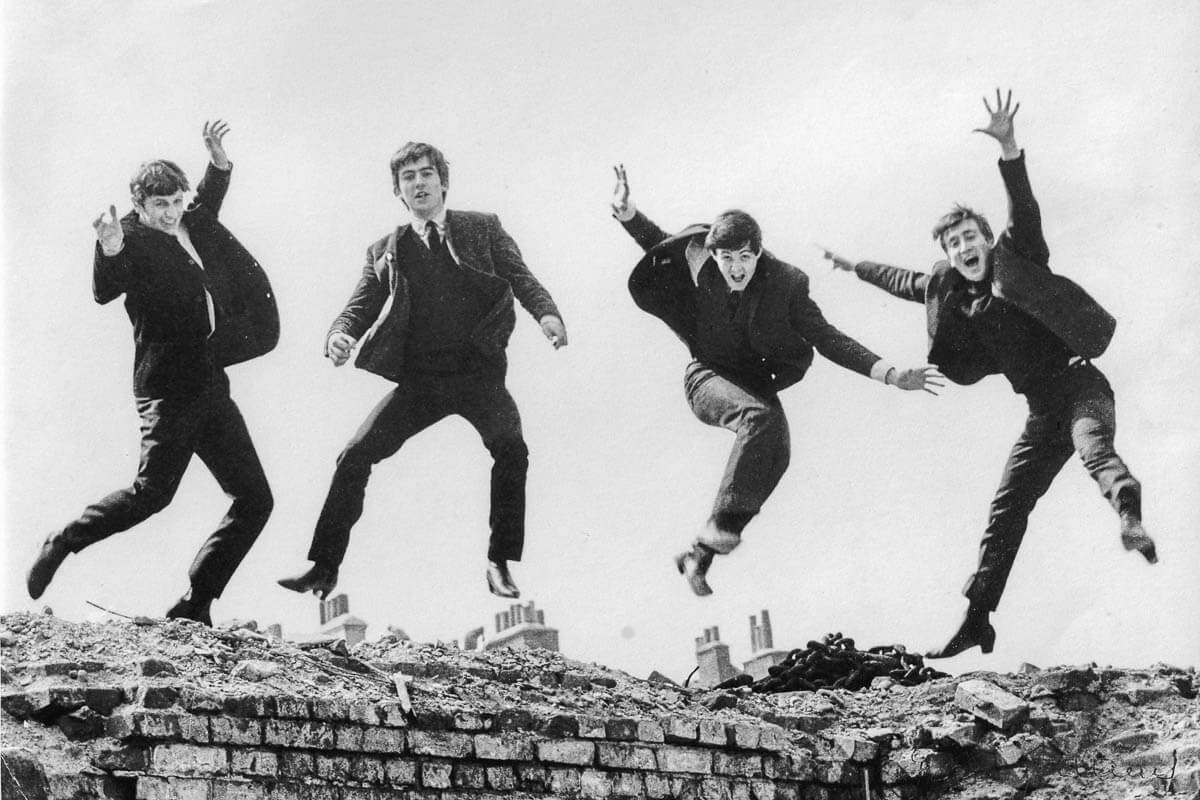
On February 7, 1964, the Beatles made their first visit to the United States, prompting Walter Cronkite to quip, “The British invasion this time goes by the code name ‘Beatlemania.’” The band was already popular in the U.K., but their instant appeal to audiences in the U.S. was unlike anything anyone had seen before; thousands of screaming teenagers met the Beatles’ plane at New York’s Kennedy Airport and thousands more were waiting for them to arrive at the Plaza Hotel. Not even Elvis Presley had generated that level of uninhibited euphoria, and it left people, especially the parents of all of those starstruck teens, curious about the shaggy-haired young men who were taking over the airwaves.
Before 1964, only two British singles had ever topped Billboard’s Hot 100 chart, and both of them were instrumentals. The Beatles’ popularity paved the way for many of Britain’s hottest acts to follow, from the Rolling Stones to the Who, ushering in a new musical era dominated by British performers. Here are five fun facts about the Fab Four and the musical phenomenon known as the British Invasion.
Beatlemania Provided a Diversion to a Nation in Mourning
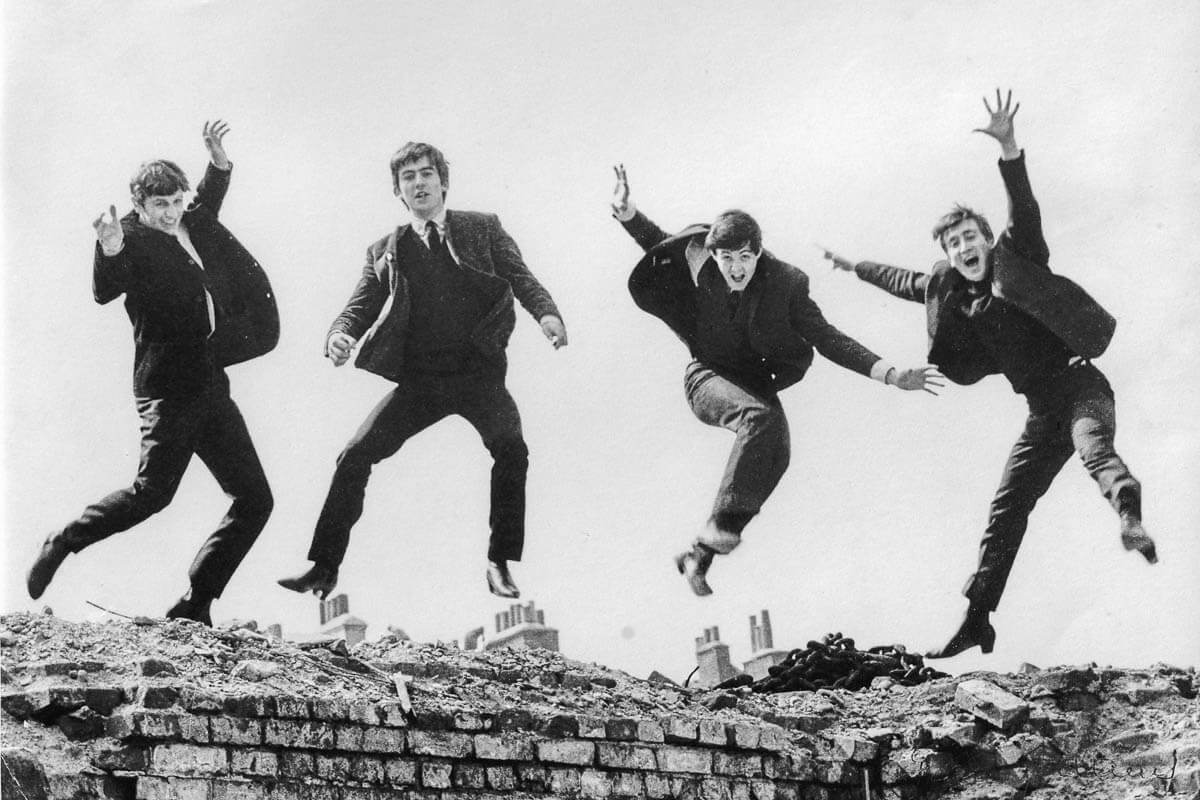
In February 1963, Chicago DJ Dick Biondi became the first disc jockey to introduce U.S. listeners to the Beatles when he played “Please Please Me,” the band’s first U.S. single. The song was picked up by other radio stations, but it was months before the Fab Four caught on in America. On the morning of November 22, 1963, CBS News aired a story about the Beatles’ popularity in England, but the segment on the band slotted for that evening was shelved when President John F. Kennedy was assassinated later that day.
A few weeks later, Walter Cronkite decided the country could use a break from their collective grief and decided to finally air the Beatles story. Marsha Albert, a 15-year-old girl from the suburbs of Washington, D.C., saw the segment and wrote to WWDC radio to request they play more of the band’s music. Disc jockey Carroll James had also seen the report, got a copy of the track “I Want to Hold Your Hand,” and invited Albert to come to the studio to introduce the song on December 17. Radio stations in other major markets followed suit, and Capitol Records, which had been planning to release the single in January, decided to rush-release it on December 26. The label originally planned for 200,000 copies to be pressed, but that jumped to 1 million — all of which were sold by January 10, 1964. Beatlemania had taken hold in the U.S. and the British Invasion was on its way.
— advertisement —
Many British Bands Were Influenced by Black American Music
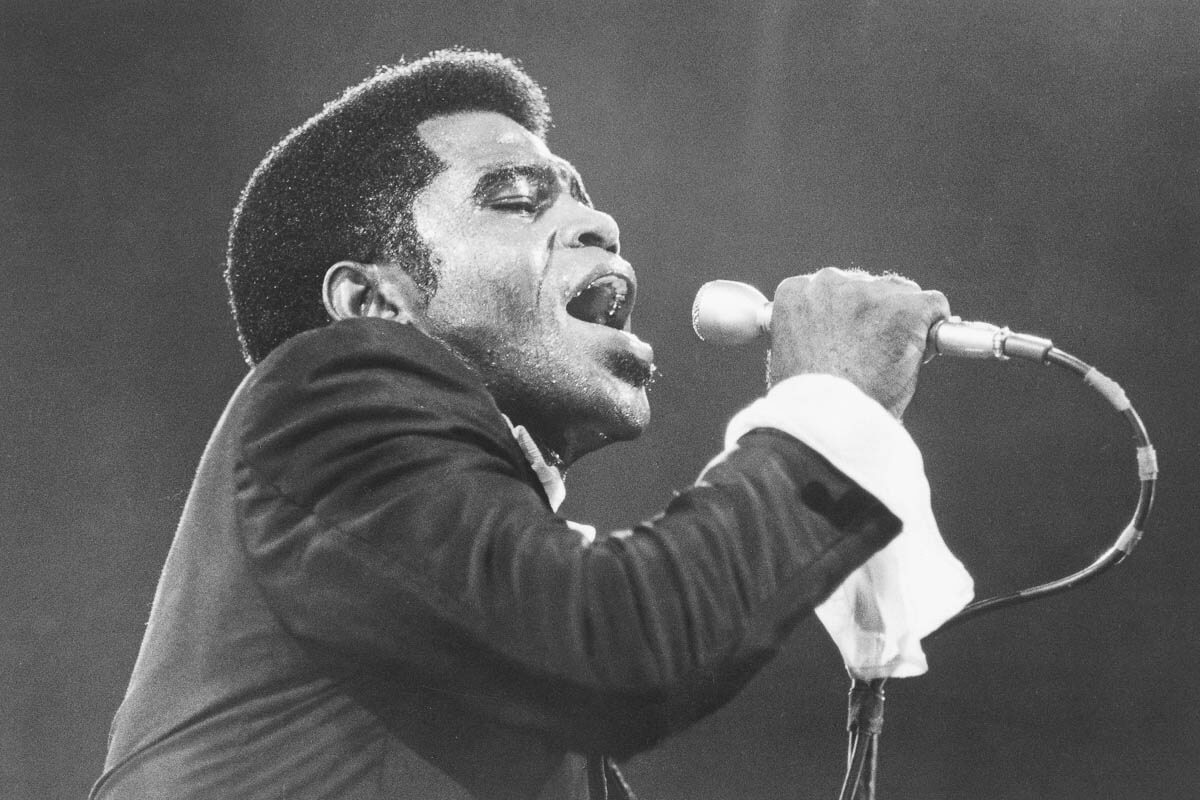
After the Beatles introduced the U.S. to their exciting new sound, they opened the door for many of the bands and solo artists who were already making waves in the U.K. While the beats sounded fresh and original to stateside listeners, many of the British performers were, ironically, influenced by American music, namely Black artists who were changing the musical landscape while facing discrimination in the industry that prevented them from topping the pop charts. British bands found inspiration in American blues, rock and roll, and rhythm and blues artists including Chuck Berry, Muddy Waters, Little Richard, and James Brown. U.S. audiences hungry for more of the sound that the Beatles helped popularize found what they had been craving in dozens of acts out of the U.K., including the Kinks, the Animals, Herman’s Hermits, and the Yardbirds. Their interesting fashion and charming accents only added to the appeal, and British performers began to dominate the American airwaves.
The Rolling Stones Didn’t Catch on at First
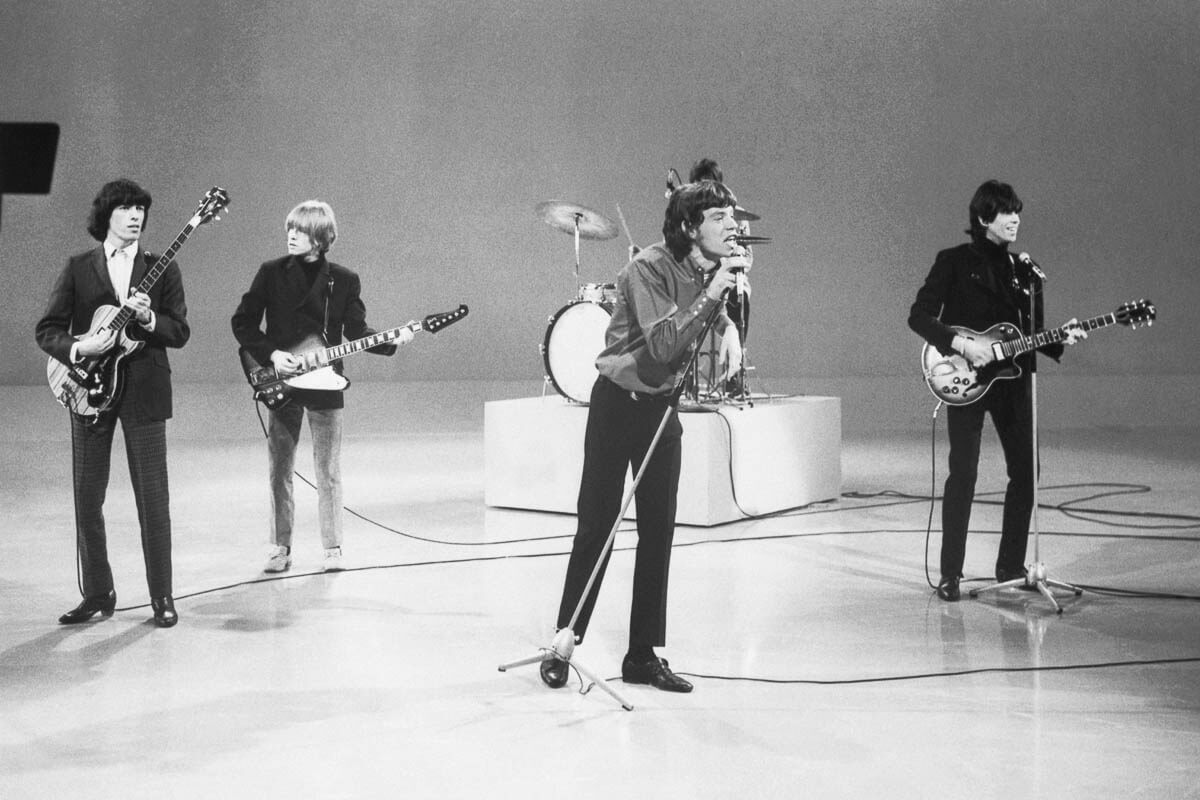
While 1964’s Beatlemania gave way to the full-fledged British Invasion, one of Britain’s best-known bands of all time took longer to catch on. The Rolling Stones are arguably just as legendary as the Beatles (an argument still going strong today), but American audiences didn’t warm up to them at first. The Stones were hitting the U.K. music charts in the summer of 1963, but they spent much of 1964 trying to make an impression on U.S. listeners. That changed in October 1964 when their appearance on The Ed Sullivan Show helped boost the single “Time Is on My Side” to No. 6 on the Billboard Pop Singles chart, giving the band their first top 10 hit in the U.S. In June 1965, the Stones saw their first No. 1 U.S. hit with “(I Can’t Get No) Satisfaction” — 11 months after their first U.K. No. 1, “It’s All Over Now.”
— advertisement —
The British Invasion Included Many Trailblazing Female Artists
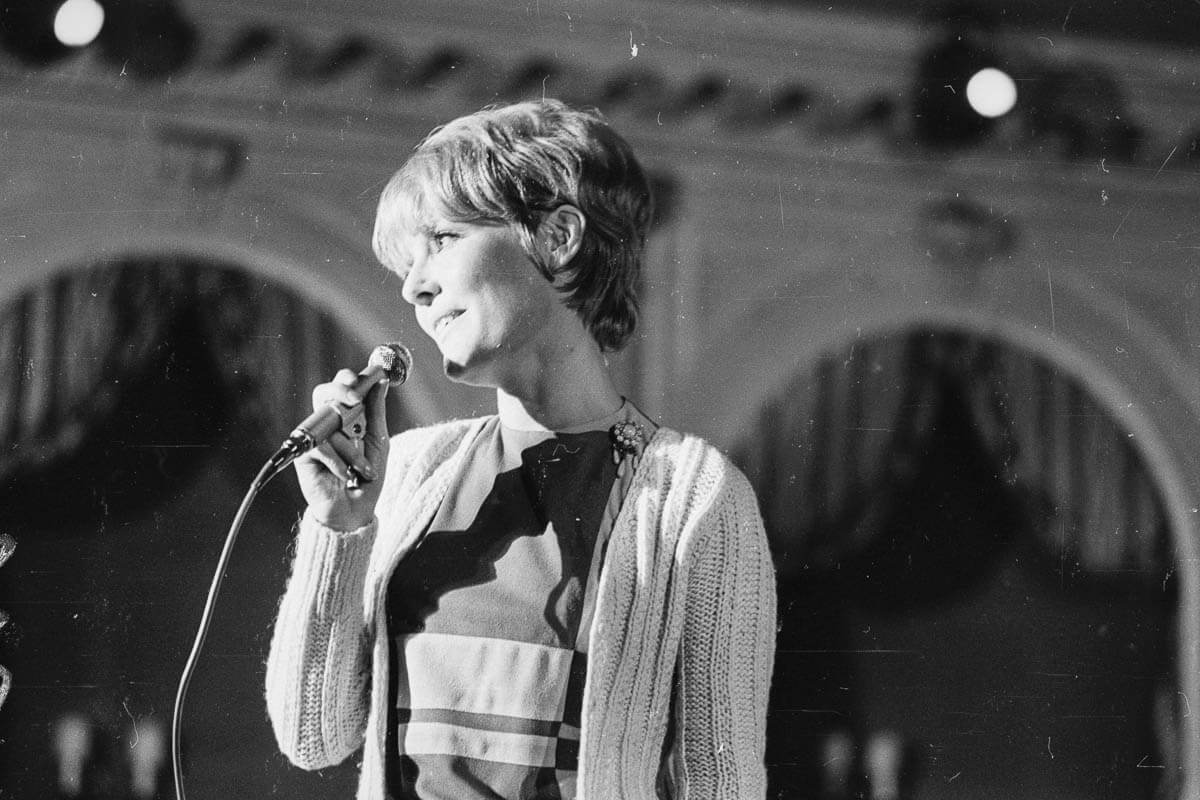
When we talk about the British Invasion, the focus is usually on the male musicians who dominated the scene, but several British solo female artists also made a significant impact on the U.S. charts and American pop culture, and influenced future generations of solo performers. Among these stylish, talented young women were Dusty Springfield, Sandie Shaw, Petula Clark, and Marianne Faithfull. They introduced American audiences to the groovy fashions of “Swinging Sixties” London, and offered a different vision of 1960s womanhood than the all-girl groups who had topped the U.S. charts prior to 1964.
It Helped Influence a Second British Invasion on MTV
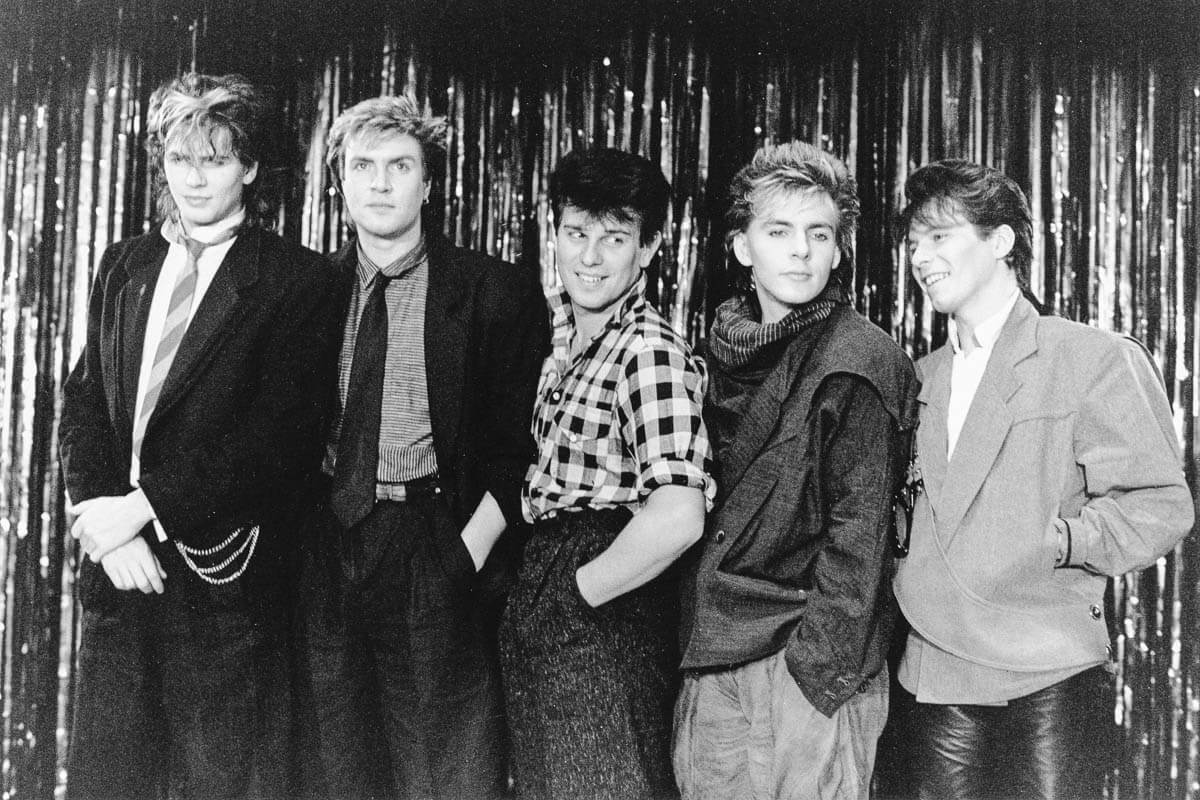
The Beatles performed their last U.S. concert in 1966 at Candlestick Park in San Francisco, marking the unofficial end to the British Invasion. U.K. bands continued to cross the pond in search of new audiences and, by the late 1960s, the top records on the U.S. music charts were a balanced mix of acts from both sides of the pond. Though the Beatles had stopped touring, they continued to film their performances so they could be shown on TV without the band having to appear in person. Other British bands opted to trade live television appearances for recorded shows as well. These recordings evolved into short, image-conscious videos used to promote the music on television, which helped put U.K. bands ahead of the curve when MTV launched in 1981. American acts weren’t ready for the new medium, and the music channel initially relied on a heavy rotation of U.K. music videos to fill out their playlist; some bands debuted videos even before their music was played on U.S. radio stations. As MTV’s popularity and reach grew, the network helped create what was dubbed the “second British Invasion,” led by synth-pop and new wave bands such as Duran Duran, A Flock of Seagulls, The Human League, and Culture Club.