At the heart of Sami education is an emphasis on connection—connection to the land, the culture, and one another. Schools integrate traditional Sami knowledge, including language, crafts, and nature conservation, alongside standard subjects. Imagine children learning math through the patterns found in traditional Sami textile designs or studying science as they learn about the intricate ecosystems around them. It’s education that feels more like an adventure in their own backyard than a dull classroom routine.
Interestingly, parental involvement plays a significant role in Sami education. Parents are often seen as co-educators, sharing stories and experiences that enrich their children’s understanding of their heritage. Just as those stories were passed down through generations like precious heirlooms, today’s Sami parents weave lessons into everyday life, teaching resilience, respect for nature, and the importance of community.
Additionally, technology has found its way into Sami education, opening doors to broader knowledge while still respecting cultural foundations. Online resources and digital tools empower Sami children to learn about the world beyond their immediate environment, while still being anchored in their identity.
Bridging Tradition and Modernity: Inside Sami Education Practices Today
If you step into a Sami classroom, you might notice the vibrant artwork and storytelling woven into lessons. Unlike traditional education systems that often prioritize rote memorization, Sami education embraces a more holistic approach. Here, learning isn’t confined to four walls; the natural world becomes a classroom, where students can explore reindeer herding techniques or delve into the intricate relationship between the Sami and their environment. Isn’t that fascinating? It’s like taking a walk through a living book!
Modern Sami educators are also integrating digital tools that enhance the learning experience while respecting cultural values. Picture using tablets to research traditional crafts or learning about the indigenous way of life through virtual reality. This blend of technology and tradition creates a rich tapestry that not only prepares students for the future but also instills a sense of pride in their heritage.
Beyond the Classroom: How Sami Families Pass Down Culture to the Next Generation
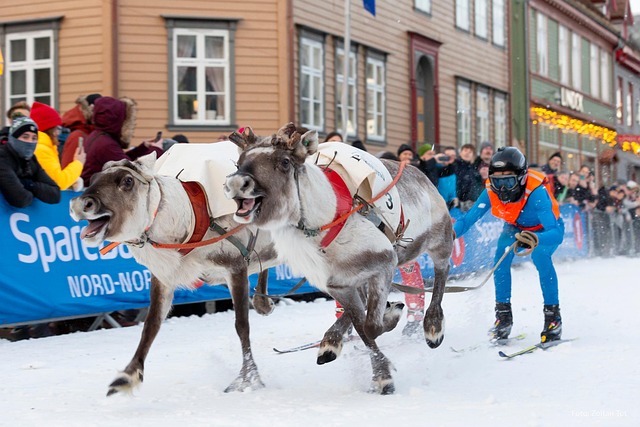
You see, the Sami aren’t just handing down facts; they’re sharing legacies. The art of reindeer herding, for instance, isn’t just a job—it’s a profound connection to the earth and their ancestors. When a parent takes their child to tend to the reindeer, they’re not merely teaching them how to manage a herd; they’re imparting wisdom about sustainability, respect for nature, and the rhythm of life itself. This hands-on experience lays down foundational lessons that no textbook could ever encapsulate.
And let’s not forget the language! Sami families teach their kids through spontaneous conversations, laughter, and even disagreements, reinforcing their identity in every word spoken. This isn’t just about learning a language; it’s about embracing a worldview, a way of seeing the beauty in snow-covered landscapes and the complexity of their past.
Music plays an equally pivotal role. When kids participate in traditional joik—an ancient form of song—they’re not just hitting high notes; they’re connecting with their roots and feeling the pulse of their ancestry. Imagine the joy of harmonizing with your family, each note echoing a history that spans generations.
In this way, the Sami don’t just teach culture; they live it. Every family gathering, every shared meal, becomes an opportunity to dive deep into a rich tapestry of customs and ideals. It’s an experience that shapes identities and nurtures pride, crafting the next generation of storytellers, caretakers, and keepers of their remarkable heritage.
Empowering the Young: The Role of Sami Language and Culture in Modern Education
Why is this so crucial? Well, think of the Sami people, the Indigenous inhabitants of the Arctic region, whose language and culture have endured centuries of challenges. When young people connect with their roots, they’re not just learning a language—they’re uncovering a treasure trove of traditions, histories, and values that shape who they are. It’s like giving them a compass that helps navigate the world, helping them understand where they come from, while inspiring them to envision where they can go.
In modern education, the inclusion of Sami language is a game-changer. It sparks curiosity and fosters an environment where students feel seen and heard. Instead of fitting into a one-size-fits-all mold, they thrive in a space that celebrates their unique backgrounds. Picture this: a classroom where students discuss the Sámi’s traditional reindeer herding practices while practicing their Sami phrases. They’re not just learning a language; they’re embracing a lifestyle and a worldview.
From Reindeer to Reading: Innovative Approaches to Sami Child Education
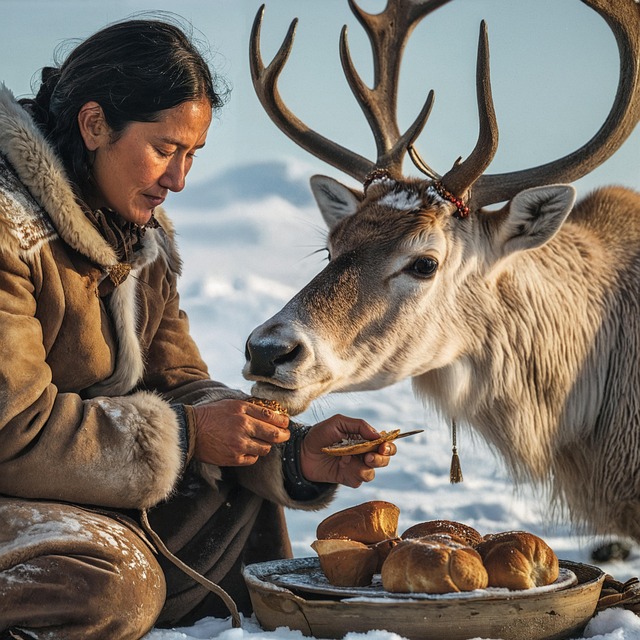
Incorporating reindeer into education isn’t just about teaching kids about wildlife; it’s about instilling a sense of community and identity. Picture students learning math by calculating the distance reindeer migrate or studying biology through the ecosystems that support these animals. This approach transforms education into an adventure, cultivating curiosity and respect for nature.
But it doesn’t stop there. Innovative Sami educators are also harnessing technology to create interactive learning experiences. Virtual reality can transport students into the breathtaking landscapes of Sápmi, helping them explore traditional practices and stories firsthand. Imagine strapping on a VR headset and suddenly finding yourself in a Sami camp, listening to the tales of your ancestors while surrounded by the stunning beauty of the Northern Lights!
Moreover, these educators foster a holistic approach by engaging families and the community. Workshops that involve parents in storytelling or craft-making not only enhance learning but also strengthen family bonds. It’s like planting a seed that grows into a forest of knowledge, where every generation contributes its stories.
Sami child education is all about weaving together the past and the present, creating a vibrant tapestry of learning that celebrates identity while preparing children for the future. It’s a dance between tradition and innovation, ensuring that the Sami culture remains a vital thread in the fabric of education.
Frequently Asked Questions
What Are the Key Principles of Sami Education?
Sami education emphasizes cultural heritage, bilingualism, and holistic learning. Its key principles include respecting and integrating Indigenous knowledge, fostering community involvement, promoting sustainable development, and ensuring student well-being. The approach aims to empower Sami youth while preserving their language and traditions in a modern context.
How Do Sami Traditions Influence Modern Learning?
Sami traditions emphasize community, connection to nature, and oral storytelling, which can enhance modern learning by promoting collaboration, environmental awareness, and cultural literacy. Integrating these elements into educational practices fosters a more inclusive and holistic approach to learning.
How Is Indigenous Knowledge Integrated into Sami Education?
Indigenous knowledge is incorporated into Sami education through a curriculum that emphasizes local culture, languages, traditions, and environmental practices. This integration helps students connect with their heritage, fostering a sense of identity and belonging while promoting sustainable practices rooted in Sami ways of life.
What Challenges Do Sami Families Face in Education Today?
Sami families encounter various educational challenges, including cultural discrimination, language barriers, and limited access to culturally relevant curricula. These obstacles can hinder their children’s academic success and connection to their heritage. Additionally, there are issues related to geographic isolation and inadequate resources in schools serving Sami populations, making it essential to address these factors to ensure equitable educational opportunities.
What Language Do Sami Children Learn in School?
Sami children learn in both their native Sami language and the national language of their country, such as Norwegian, Swedish, or Finnish, depending on their region. This bilingual education aims to preserve Sami culture while ensuring fluency in the dominant language of the society.