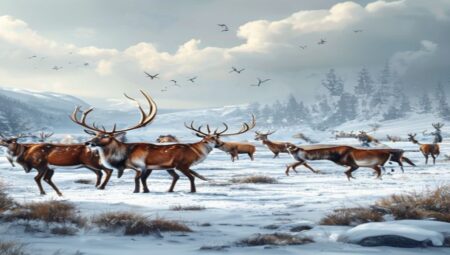
Let’s dive into the world of reindeer herding, a cornerstone of Sami culture. As autumn sets in, it’s time for the annual migration, where herders guide their reindeer to pastures rich with vegetation. It’s not just a job; it’s a way of life that defines their very essence. Imagine herding a thousand majestic animals through the crisp air, each hoofstep echoing the old traditions and ancient knowledge passed down through generations. Community members come together, strengthening bonds as they support each other during this busy season.
Social gatherings start to pop up, too, as families reunite after the summer months. The coziest feelings emerge around a crackling fire, where stories of the past mingle with laughter, creating a tapestry of shared experiences. These moments forge connections that are as deep as the roots of the trees around them.
With the harvest of berries and mushrooms, Sami life also embraces a culinary flair. The air fills with enticing aromas from traditional dishes, a celebration of nature’s bounty. Food isn’t just sustenance; it’s a way to honor the land and each other, a metaphorical feast where everyone plays a part. Early preparation for the harsher winter months emphasizes the sense of community, ensuring nobody feels the weight of isolation in the chilly days ahead. So, how does autumn shape Sami life? It weaves together work, tradition, and social ties in an intricate dance that reflects resilience and unity.
Harvesting the Season: The Role of Autumn in Sami Tradition and Labor
During the autumn months, the Sami embark on one of their most significant traditions: the reindeer harvest. Picture vast, rolling hills where herders skillfully guide the reindeer, a practice that’s been passed down through generations. For the Sami, these animals are more than just livestock; they are a vital part of their culture, providing food, clothing, and even a sense of identity. You could say the relationship is symbiotic—every autumn, they gather to ensure the herd remains healthy and well-managed, ensuring sustainability for future seasons.
But it’s not all work and no play! Autumn is also a time of community gatherings. Picture lively festivals where stories are shared, laughter rings through the air, and traditional meals made from reindeer are enjoyed together. It’s a beautiful blend of labor and joy, a reminder of the importance of community in Sami tradition. Just as trees shed their leaves in preparation for winter, the Sami prepare their hearts and homes for the cold months ahead, cherishing the bonds that make life rich and meaningful.
So, as autumn sweeps in and transforms the world around us, remember that for the Sami, it’s a season of labor, tradition, and connection, deeply rooted in their identity and their environment. How’s that for a reminder of the beauty of seasonal change?
From Reindeer to Rituals: How Autumn Influences Sami Social Structures
Reindeer, an iconic symbol of Sami life, become more than just livestock as the seasons change. With autumn’s arrival, herding practices intensify, almost as if the animals themselves know it’s time to prepare for the harsh winter ahead. Picture it: entire families gather to guide the reindeer, strengthening bonds as they work side by side. These herding duties aren’t just about survival; they reinforce family ties and communal responsibilities, transforming a simple task into a vibrant tapestry of communal identity.
But it isn’t all about reindeer. Autumn is also thick with rituals that connect the Sami to their ancestors and the land they cherish. As the sun dips lower in the sky, storytelling around campfires becomes a sacred pastime, where elders pass down traditions steeped in history. It’s like handing down a beautifully woven tapestry, with each story adding to the intricate design of their collective memory. These ceremonies not only celebrate the past but shape social hierarchies, as knowledge and wisdom are passed down through generations.
Crisp Leaves and Cultural Legacy: The Impact of Autumn on Sami Community Life
Imagine walking through a forest blanketed in fiery reds and oranges—each leaf a reminder of the bond the Sámi share with the land. As reindeer herders, they’ve learned to read the signs of nature, and autumn signals the time for migration. But it’s not just about moving herds; it’s also a time for reflection and gathering. Families come together, sharing tales by the warmth of a fire, celebrating the harvest of berries and the art of crafting, from stunning handicrafts to traditional clothing, all echoing their ancestral heritage.
The Sámi’s relationship with nature is symbiotic. The land provides sustenance, while their traditions ensure it’s protected for future generations. With each brisk gust of wind, the importance of preservation becomes crystal clear. Cultural events during this season, such as the celebration of the first snow, showcase their rich folklore, music, and dance, weaving a tapestry that connects their past to the present.
Season of Change: Examining Autumn’s Influence on Sami Work Patterns
During autumn, reindeer herding takes center stage! With the migration of these majestic creatures, Sami families prepare for the journey, herding their reindeer to locations rich in lichen—their main food source during winter. Have you ever wondered how the Sami predict the movements of these animals? It’s almost like having a sixth sense honed by generations of living symbiotically with nature.
The season also means an upsurge in gathering berries and mushrooms. Talk about a treasure hunt! These foraging activities not only contribute to their diet but also thrive on community bonds. Families work together, sharing stories and laughs while filling their baskets. When was the last time you felt that kind of connection with nature?
Moreover, as autumn brings a chill, you can sense the shift in the Sami’s way of life—from nomadic herding to preparing for the long winter ahead. There’s something almost poetic about that transition, like the earth is teaching them how to adapt, just as we must in our own lives. Think about your own experiences of change—autumn embraces the idea that every ending is a new beginning, wouldn’t you say? As the Sami immerse themselves in these seasonal rhythms, they remind us that embracing change can lead to a thriving life, no matter the time of year.
Autumnal Affairs: How Sami Communities Adapt Their Work and Social Lives
As the days shorten and the weather cools, Sami people adapt their work and social lives to keep pace with these seasonal shifts. Picture the vibrant reindeer moving across the tundra, guiding the Sami in their herding practices. Autumn is prime time for herding activities, as the reindeer migrate to their winter pastures. It’s like a dance—Sami communities must be in sync with their herd, preparing for the long, cold months ahead. This isn’t just work; it’s a lifestyle deeply intertwined with their cultural heritage.
And let’s not forget about social life! When the first chills hit, Sami gather around fires, sharing stories and laughter with warm cups of coffee or traditional beer. These gatherings aren’t just for entertainment; they strengthen bonds and pass down generations of wisdom. It’s like a woven tapestry where each thread tells a story, connecting the past, present, and future.
Autumn also brings about a bounty of resources from the land. Sami harvest berries, mushrooms, and other delights that enrich their culinary traditions. Think of it as nature’s grocery store, open just for them. They adapt their meals to include these seasonal treats, celebrating what the earth provides.
In this magnificent dance between work and community, the Sami showcase resilience and adaptability, reminding us all that every season has its own song to sing. Isn’t it fascinating how a change in weather can lead to such a rich tapestry of life?
Frost and Fellowship: The Intersection of Autumn and Sami Social Gatherings
In many ways, autumn is like the prelude to a symphony. The vibrant colors and cool breezes set the stage for all those heartfelt reunions. Sami social gatherings aren’t just about sharing a meal; they’re about sharing stories, passing down traditions, and forging deeper bonds. It’s like wrapping yourself in a warm blanket of community spirit as your friends and family gather to celebrate their shared heritage and the changes that nature brings.
You might be wondering, “How do these gatherings reflect the essence of the Sami way of life?” Well, it’s all in the details. From the songs sung around the fire to the tales of nature’s resilience, autumn gatherings are steeped in cultural significance. They act as reminders of the land, the seasons, and the importance of kinship. When Sami people come together, it’s like a forest coming alive in the fall – each person adds their unique hue to the rich tapestry of community life.
Frequently Asked Questions
How Does Autumn Affect Sami Social Gatherings and Festivals?
Autumn influences Sami social gatherings and festivals by marking the transition into a season of preparation and reflection. This time of year often features traditional activities related to reindeer herding, such as gatherings to share knowledge and resources among families and communities. Festivals held during autumn celebrate the changing landscape, promote cultural traditions, and strengthen social bonds, fostering a sense of unity among the Sami people.
How Do Sami Communities Prepare for Winter During Autumn?
During autumn, Sami communities typically prepare for winter by engaging in several key activities. This includes maintaining and repairing traditional shelters, gathering and preserving food supplies such as reindeer meat and fish, and ensuring their herding tools and equipment are in good condition. They also focus on the health and readiness of reindeer, ensuring that herds are strong and well-fed for the harsh winter months.
What Cultural Traditions Do Sami Observe in Autumn?
During autumn, the Sami people engage in several cultural traditions, including reindeer herding, which is vital for their livelihood. They celebrate seasonal changes with gatherings and traditional music, often using joik, a form of singing. Additionally, they participate in communal activities such as crafting and preparing for the winter months, showcasing their connection to nature and heritage.
What Role Does the Reindeer Migration Play in Sami Autumn?
Reindeer migration is crucial for the Sami people during autumn as it signifies the transition to winter grazing areas. This seasonal movement supports the reindeer herding economy, sustains cultural practices, and fosters community gatherings. Understanding this migration helps in preserving Sami traditions and enhances the connection between the people and their land.
How Does Autumn Influence Sami Traditional Activities?
Autumn marks a vital transition for Sami communities, as it signals the start of reindeer herding activities. During this season, reindeer begin their migration to winter pastures, prompting Sami herders to gather and move their herds. Additionally, autumn is a time for traditional hunting and fishing, providing essential food sources. Cultural events and gatherings often occur during this period, fostering community ties and preserving Sami heritage through storytelling, crafts, and rituals connected to nature.