Central to Sami spirituality was the shaman, known as the “noaidi.” This wasn’t just a title; it was a deep-seated role that involved not only healing but also mediating between the earthly realm and the spirit world. How did they practice this? Picture a noaidi in a trance, drumming to the beat of the earth, drawn into the depths of the spiritual world to seek guidance or healing for their people. The noaidi would enter altered states of consciousness, connecting with the spirits, which allowed them to foresee events or uncover hidden truths.
Rituals played a significant role, too. Take, for instance, the practice of giving offerings—think of it as a cosmic trade where gifts like food or tools were left for the spirits as tokens of respect. This wasn’t just a random act; it was a heartfelt gesture to maintain balance with nature. The Sami often used sacred sites, like mountains and groves, as places of worship, where every gathering echoed with chants and prayers that seemed to intertwine with the very winds of the tundra.
So, how did these practices shape their daily lives? Well, in the same way a compass guides a lost traveler, Sami spirituality provided direction, purpose, and a profound sense of community—binding them to their ancestors, the land, and each other.
Ancient Echoes: Unraveling the Sami Spiritual Practices Pre-Dating Christianity

The Sami view the world through a lens of interconnectedness. Every mountain, river, and animal holds a spirit, a manifestation of something greater. Their rituals, often performed in harmony with the natural world, celebrate this connection. Picture a shaman, adorned in traditional garb, guiding a communal ceremony under the shimmering northern lights. It’s a vibrant tapestry of songs, drums, and stories, all woven together to honor the spirits and ancestors who walk beside them.
But what really sets these practices apart is their emphasis on the cyclical nature of life. Like the changing seasons, Sami spirituality teaches acceptance and reverence for life’s ebb and flow. They believe that by understanding the past, one can influence the future. This notion can be likened to planting seeds — what you nurture today shapes the harvest of tomorrow.
Each Sami community has its unique customs and tales, yet they all share a core belief in the importance of nature and the spirit world. It’s as if they’re tuning into an ancient symphony, where each note resonates with the heartbeat of the Earth. How different the world would be if more of us engaged with the land similarly!
So next time you find yourself gazing at the stars or feeling the wind on your skin, consider the ancient echoes of the Sami. Their spiritual legacy invites us to reconnect with the earth and listen closely to the stories that await us.
Shamanic Connections: The Role of Sami Spirituality in Pre-Christian Societies
In the pre-Christian era, Sami society flourished under the guidance of shamans, known as noaidi. These spiritual leaders weren’t merely ritualistic figures; they were the bridge between the physical world and the unseen. They would enter a trance, often facilitated by the rhythmic drumming, and journey through different realms to seek guidance, heal the sick, or communicate with ancestral spirits. It’s similar to how we might turn to a trusted friend for advice—only in their case, the friend resides on a plane we can’t see.
Sami spirituality is heavily intertwined with the land. They viewed everything as alive, with each mountain, river, and animal possessing its own spirit. By honoring these elements, they maintained a profound connection with their environment. Imagine treating every tree like an old friend, thanking it for its shade on a hot day! The Sami way of life is a refreshing reminder of how deeply we can engage with the world around us.
Nature and Divinity: Exploring the Sami Connection to the Spiritual Realm Before Christianity
Before the spread of Christianity, the Sami believed that every aspect of nature was infused with spirits. From the whispering winds to the flowing rivers, everything had a story and a spirit waiting to be honored. They viewed the land not just as a resource but as a sacred being, much like how we might view a cherished friend—someone to respect and cherish, rather than exploit. This deep connection was evident in their shamanistic practices, where the noaidi, or spiritual leader, would engage with the spiritual realm, seeking guidance from nature itself.
Have you ever felt that inexplicable calm when surrounded by towering trees or a majestic mountain? The Sami experienced this on a profound level, believing that nature held the power to heal and guide them. Their rituals often involved offerings to the spirits of the land, begging for protection and favor. Picture a gathering under a starry sky, with drums beating in rhythm to the heartbeat of the earth, pulling them into a trance where spirits and humans coexisted.
From Drum Beats to Divine Realms: The Intricate Tapestry of Sami Spirituality
Drumming isn’t just music; it’s a sacred call. The distinct beats echo the heartbeat of the earth, guiding shamans on journeys to divine realms. Picture this: as the drum pulses, it’s not merely sound but a gateway to other dimensions. Sami shamans, or “noaidi,” would enter trances, exploring ethereal landscapes, conversing with spirits that dance in the shadows of the mountains and traverse the rivers. It’s like seeing the magic that pulses just beneath the surface of our everyday lives.
But Sami spirituality isn’t just about the mystical; it’s also deeply rooted in respect for nature. They believe that every rock, tree, and stream is alive, harboring spirits that deserve respect. It’s as if the entire landscape is a living book, telling stories of creation, loss, and connection. This belief in animism makes their relationship with nature not only special but sacred. You can practically feel the wind whispering secrets as you walk through the snow-covered wilderness.
Whether it’s a ritual prayer or a shared meal under the northern lights, Sami spirituality weaves a rich narrative of community, connection, and reverence. So, the next time you hear a distant drumbeat, pause and imagine the profound journey it represents, transcending time and space, drawing us closer to the divine.
Rituals of the North: Understanding Sami Beliefs and Practices Before the Christian Era
For the Sami, the natural world wasn’t just a backdrop; it was alive with spirits and deities that played a pivotal role in their daily lives. Picture the vibrant ceremonies dedicated to the spirits of the land and animals, essential for survival in such harsh climates. They believed every stone, tree, and stream held a spirit, and appeasing these spirits was crucial. Can you imagine the bustling gatherings under the midnight sun, where community members shared stories, songs, and rituals that connected them intimately to the Earth?
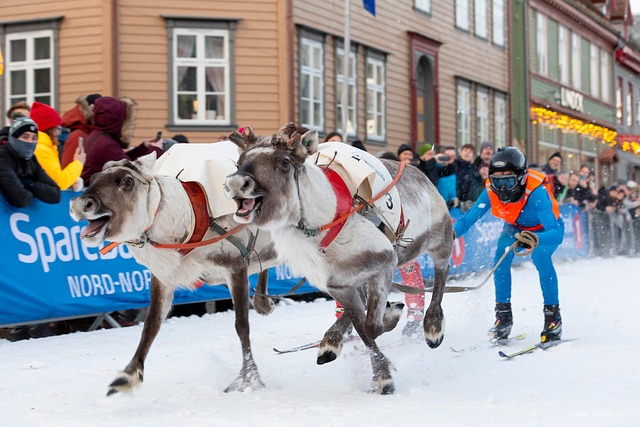
Reindeer herding was more than a livelihood; it was a sacred practice. Sami shamans, or “noaidi,” would enter trance-like states to communicate with the spirit world, seeking guidance for herding practices and healing rituals. Isn’t it fascinating how they viewed their connection to the land not just as physical, but spiritual? Their calendar was filled with seasonal festivals tied to nature’s rhythms—celebrating everything from the first snow to the reindeer calving season.
Active and engaging, these traditions reveal how Sami life was woven into the very fabric of nature. Their beliefs urged them to foster harmony with the environment, a principle that resonates strongly even today. So, the next time you gaze out at the stunning terrain of the North, remember the deep-rooted rituals of the Sami that echo through history, a testament to their enduring spirit.
The Sami Worldview: How Spirituality Shaped Pre-Christian Life in the Arctic
For the Sami, spirituality isn’t a separate entity from life; it’s interlaced into every moment. They see themselves as part of a vast universe where humans, animals, and the earth are all interconnected. Take reindeer herding, for example. It’s not just about survival; it’s a sacred relationship built on a deep understanding of the land and its rhythms. When Sami people herded reindeer, they weren’t just managing livestock; they were engaging in a dance with nature, honoring the spirits of their ancestors who tread the same paths.
Pre-Christian life in the Arctic was vibrant with rituals and ceremonies. The Sami believed in a variety of spirits, from those that governed the elements to those that watched over the family. Picture a Sami shaman, dressed in traditional garb, invoking powerful spirits during reindeer migration. It’s a mesmerizing reflection of their beliefs—each ceremony a reminder of their intertwined fate with the environment.
But this spiritual wealth goes beyond practices alone. It shapes how Sami see themselves in relation to the cosmos. They demonstrate incredible resilience, adapting their spirituality to changes around them like a flexible tree bending in the wind. The Arctic, with its harsh climates, demands respect and knowledge—an understanding deeply rooted in their ancestral wisdom.
In this wondrous worldview, every living thing has significance, creating a rich narrative that speaks to the strengths and vulnerabilities of the Sami people. It’s a beautiful reminder of how spirituality can guide a culture through the coldest of winters and the brightest of summers.
Beyond the Cross: The Enduring Legacy of Sami Spirituality in a Christianized World
Sami spirituality isn’t just about rituals—it’s a profound connection to nature and community. Picture how the Sami view the land they walk on: not as a mere backdrop, but as a living entity, imbued with spirits and stories. When they journey into the wilderness, it’s not just a hike; it’s an invitation to engage in a dialogue with the earth itself. Isn’t it fascinating how one culture can offer such a rich, intertwined belief system that challenges the more compartmentalized views found elsewhere?
Despite the waves of Christianity washing over their traditions, Sami spirituality has shown remarkable resilience. It’s like a river that, despite obstacles, carves its way through rock. Seasonal celebrations, reindeer herding rituals, and a deep reverence for ancestors are just a few ways these traditions have endured. Have you ever wondered how such beliefs can thrive alongside a dominant faith? It’s a testament to the Sami’s tenacity and creative spirit.
Even today, many Sami people are infusing their modern lives with spiritual practices, blending ancient wisdom with contemporary realities. It’s a bit like mixing flavors in a cooking pot, creating a uniquely savory dish that honors the past while savoring the present. As we gaze into this fascinating synthesis of belief, we can’t help but feel awed by the strength of Sami spirituality—a legacy that transcends the boundaries of faith and speaks to the soul of humanity.
Frequently Asked Questions
What Role Did Nature Play in Sami Spirituality?
Sami spirituality is deeply intertwined with nature, viewing it as a sacred and living entity. Natural elements such as rivers, mountains, and animals are not only vital for survival but also serve as spiritual symbols. The Sami believe that nature is inhabited by spirits and is a source of wisdom and guidance. This connection fosters a profound respect for the environment, emphasizing the importance of harmony and balance with the natural world.
What Were the Core Beliefs of Sami Spirituality?
Sami spirituality is characterized by a deep connection to nature, with beliefs centered around animism, where spirits inhabit natural elements. Key components include the reverence for ancestors, the importance of shamanic practices, and the concept of a spiritual world that influences everyday life. Community rituals and the honoring of animals and the land are integral, reflecting the Sami’s relationship with their environment.
How Did Sami Practices Influence Daily Life?
Sami practices, rooted in their culture, significantly shaped daily life through sustainable resource management, traditional crafts, and communal living. Their deep connection to nature informs hunting, herding, and gathering techniques, fostering a lifestyle that prioritizes environmental stewardship and communal support. Rituals and oral traditions enhance social cohesion and cultural identity, impacting everything from seasonal activities to social structures within Sami communities.
Who Were the Key Figures in Sami Spiritual Practices?
Sami spiritual practices involved various key figures, including shamans, known as Noaidi, who acted as mediators between the spiritual and physical worlds. They were responsible for healing, guidance, and rituals. Other important figures included clan leaders and elders, who preserved traditions and knowledge, ensuring the community’s spiritual and cultural continuity.
How Did Sami Spiritual Practices Change with Christianity?
The introduction of Christianity to Sami communities led to a significant transformation in their spiritual practices. Traditional beliefs, rituals, and shamanistic elements were often merged with Christian teachings. Many Sami adopted elements of Christianity while attempting to retain aspects of their indigenous spirituality, leading to a unique blend of practices. Over time, some traditional ceremonies were adapted to fit within a Christian framework, reflecting both resistance and adaptation to the new religious influence.