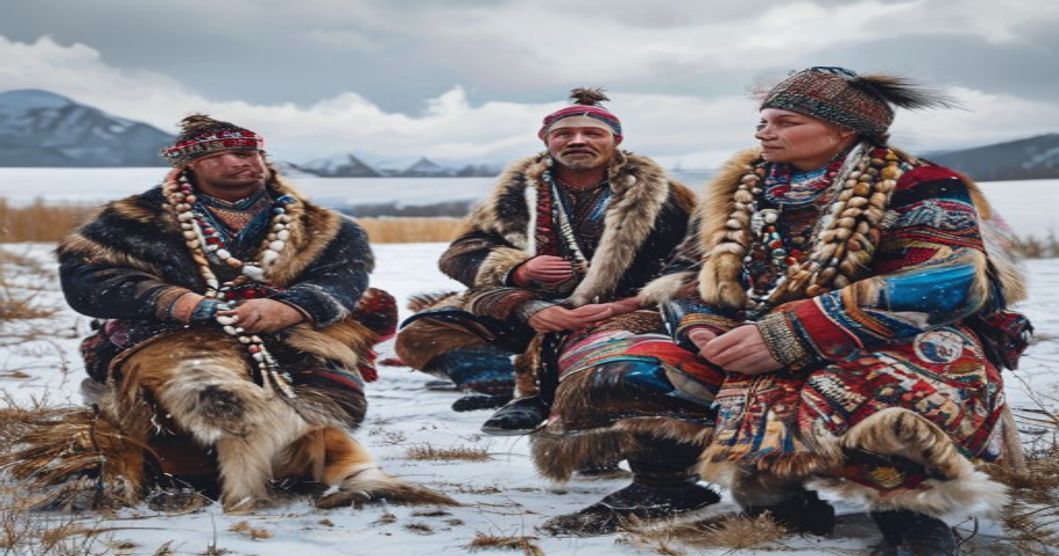
Understanding the Core Differences Between Sami Culture vs Scandinavian Mainstream Culture
The fundamental divide between Sami culture and Scandinavian mainstream society originates from distinct historical trajectories, environmental adaptations, and socio-political frameworks. While Scandinavian nations developed through medieval Christianization, state centralization, and rapid industrialization, the Sami have maintained continuous indigenous presence across Sápmi for millennia. Their survival strategies revolve around reindeer husbandry, seasonal migration patterns, and ecological knowledge transmitted orally. This contrasts sharply with the urbanized, welfare-driven economies of Norway, Sweden, and Finland, which prioritize standardized education, digital infrastructure, and institutional governance. Land use represents a critical divergence: Scandinavian policy traditionally treats territory as divisible property subject to state allocation or commercial development, whereas Sami cosmology views land as relational space where human activity must align with seasonal cycles and ecological balance.
Economic structures further illustrate this separation. Reindeer herding demands collective labor, specialized craftsmanship (duodji), and deep meteorological literacy, creating tight-knit kinship networks that resist rigid corporate hierarchies. Scandinavian mainstream operations emphasize individual mobility, formal credentialing, and market integration within global supply chains. Linguistic divergence reinforces institutional separation. Sami languages belong to the Uralic family, exhibiting complex grammatical cases and oral storytelling traditions that encode ecological data. North Germanic Scandinavian languages evolved through print standardization and state-sponsored education systems, facilitating bureaucratic efficiency but historically marginalizing indigenous epistemologies.
- Spiritual orientation: Traditional Sami worldview centers on animistic principles, sacred natural sites (sieidi), and shamanic mediation between human and non-human realms. Scandinavian societies transitioned from Lutheran Protestantism toward secular humanism and institutionalized welfare models that separate religious practice from public administration.
- Governance & sovereignty: Sami parliaments advocate for co-management agreements over grazing territories and cultural preservation mandates. Mainstream governments balance economic growth with international indigenous rights conventions, often navigating legislative friction over resource extraction permits.
- Temporal perception: Sami communities operate on cyclical time tied to migration routes and animal behavior. Scandinavian institutions utilize linear chronology optimized for industrial scheduling, academic calendars, and fiscal reporting cycles.
Contemporary tensions emerge around resource extraction, cultural commodification, and legislative recognition. Sustainable tourism initiatives increasingly attempt to bridge these frameworks without erasing foundational differences in sovereignty, ecological responsibility, and knowledge transmission. Cross-cultural policy design requires explicit acknowledgment of indigenous land tenure rights, language revitalization funding, and equitable representation in regional planning committees.
Historical Foundations and Territorial Boundaries
The historical trajectory of Sami societies diverged fundamentally from the developmental pathways of Scandinavian mainland populations. Indigenous groups across Fennoscandia maintained continuous presence through multiple climatic shifts, adapting to subarctic and Arctic ecosystems with specialized knowledge systems centered on reindeer husbandry, coastal fishing, and seasonal hunting. Archaeological evidence traces these communities back over ten thousand years, with material culture reflecting deep ecological integration rather than territorial conquest. Scandinavian mainland development followed an entirely different vector. Agricultural expansion during the late Iron Age and early medieval period established permanent settlements along fertile valleys and coastal zones. Norse maritime networks facilitated trade routes extending across the North Atlantic, while political consolidation under centralized monarchies gradually formalized administrative boundaries.
Territorial demarcation between these cultural spheres never operated as a fixed barrier. Historical records indicate fluid contact zones where resource exchange, intermarriage, and linguistic borrowing occurred continuously. The siida system structured Sami land use through seasonal migration corridors spanning hundreds of kilometers, while Scandinavian populations organized territory around parish boundaries, royal estates, and mining concessions. State formation in the seventeenth century introduced formal border cartography that ignored indigenous movement patterns. Treaties establishing fixed frontiers between Sweden, Norway, Denmark, and later Russia transformed ecological landscapes into political divisions, restricting seasonal routes and fragmenting traditional grazing territories.
- Sami territorial organization relied on dynamic resource mapping rather than static property lines
- Scandinavian administrative structures prioritized tax collection, religious jurisdiction, and military defense zones
- Border treaties in 1658, 1751, and 1826 systematically divided continuous cultural landscapes
- Historical land surveys documented agricultural claims while erasing seasonal migration corridors from official records
The divergence in historical foundations created enduring structural differences. Scandinavian mainstream culture developed through institutional frameworks that emphasized written law, centralized taxation, and religious uniformity. Sami communities maintained governance through kinship networks, customary resource allocation, and intergenerational ecological knowledge. When modern nation-states formalized citizenship and land ownership, existing territorial realities clashed with bureaucratic requirements. Historical documentation favored agricultural settlement patterns, leaving mobile pastoral systems underrepresented in official archives. Contemporary territorial claims still reference these foundational historical processes, as the original mapping of cultural landscapes never aligned with imposed political boundaries.
Indigenous Livelihoods Versus Industrial Development Models
Reindeer husbandry, seasonal fishing routes, and small-scale foraging form the economic foundation of Sami communities across Fennoscandia. These livelihoods operate on cyclical land use patterns that require vast, contiguous territories to maintain herd health and ecological balance. Scandinavian industrial development follows linear resource extraction frameworks. Mining corporations, state-owned forestry enterprises, and hydropower authorities prioritize measurable output, infrastructure expansion, and short-term fiscal returns. The spatial footprint of heavy industry frequently fragments migration corridors, directly disrupting calving grounds and winter pastures that have sustained Sami families for centuries.
Economic valuation diverges sharply between the two systems. Indigenous economies measure success through cultural continuity, herd sustainability, and intergenerational knowledge transfer. Industrial metrics rely on gross domestic product contributions, export volumes, and employment statistics generated by centralized facilities. When development corridors intersect with traditional territories, consultation processes often reduce to procedural compliance rather than substantive co-design. Land use permits granted under national resource acts routinely override customary rights, creating structural friction between community-led stewardship and state-directed modernization.
- Resource Governance: Sami decision-making operates through local grazing associations and seasonal councils, while industrial projects follow centralized licensing boards and corporate boardroom approvals.
- Environmental Monitoring: Indigenous practices track subtle shifts in lichen growth, snowpack density, and animal behavior. Industrial compliance relies on quarterly environmental impact assessments aligned with regulatory deadlines rather than continuous ecological observation.
- Land Tenure Structure: Traditional territories function as shared commons managed through kinship networks. Industrial zones are demarcated by fixed boundaries, lease agreements, and state-granted concessions that prioritize exclusive usage rights.
Contemporary policy shifts in Norway, Sweden, and Finland have introduced joint management committees and impact compensation mechanisms, yet implementation gaps persist. Industrial developers often treat cultural heritage as a mitigation checklist rather than a foundational constraint. Sami livelihoods demand spatial continuity that linear infrastructure cannot accommodate without permanent degradation. Reconciling these models requires moving beyond token consultation toward legally binding spatial planning that recognizes seasonal mobility as non-negotiable infrastructure.
Linguistic and Spiritual Divides in Sami Culture vs Scandinavian Mainstream Culture
The linguistic landscape between Sámi communities and Scandinavian mainstream societies reflects a profound historical divergence rooted in distinct language families. Sámi languages belong to the Uralic family, sharing structural foundations with Finnish and Hungarian rather than the North Germanic tongues of Norway, Sweden, and Denmark. This classification has historically positioned Sámi as marginalised minority languages within state education systems that prioritized Norwegian, Swedish, and Danish for administrative and academic purposes.
Linguistic suppression peaked during the nineteenth and twentieth centuries when Scandinavian governments enforced mandatory language policies in schools and public institutions. Children were frequently penalised for speaking their native tongues, creating generational transmission gaps that threatened several Sámi dialects with extinction. Today, revitalization initiatives operate across multiple domains, including bilingual signage, university degree programs, and digital media platforms that document Northern Sámi, Lule Sámi, Inari Sámi, and Skolt Sámi vocabulary. These efforts counteract decades of institutional erasure while reinforcing indigenous identity markers.
Spiritually, the divide emerges from contrasting worldviews regarding human-nature relationships. Traditional Sámi cosmology revolves around animistic principles where landscapes, reindeer herds, and seasonal cycles possess inherent agency. Sacred sites known as sieidi functioned as ritual focal points for noaidi practitioners who mediated between physical and spiritual realms through drumming, chanting, and trance states.
Scandinavian mainstream culture developed under the influence of Lutheran Christianity introduced through missionary campaigns that systematically demonised indigenous practices. State-sponsored religious conversion programs replaced ancestral cosmologies with institutional worship frameworks, embedding Christian calendars into agricultural cycles and public holidays. The spiritual disconnect deepened as land ownership models shifted from communal stewardship to private property rights, severing traditional ecological knowledge transmission.
Contemporary cultural movements actively bridge these divides through language immersion schools, indigenous media networks, and legal advocacy for land sovereignty. Scholars note that linguistic preservation directly correlates with spiritual continuity, as vocabulary encoding environmental relationships cannot be fully translated into Indo-European frameworks. Modern Sámi artists, musicians, and activists reclaim duodji (handicrafts) and joik vocal traditions not merely as cultural artifacts but as living epistemologies that challenge homogenizing historical narratives.
- Sámi languages maintain agglutinative grammar structures distinct from Scandinavian inflectional patterns
- Linguistic marginalization policies targeted indigenous speakers between 1850 and 1970 across Nordic territories
- Sacred sieidi sites remain protected under contemporary heritage preservation statutes
- Joik vocal techniques encode genealogical knowledge and seasonal migration routes
- Modern revitalization funding prioritizes intergenerational transmission over academic documentation alone
Language Preservation and Educational Frameworks
The educational divergence between Sami communities and Scandinavian mainstream systems centers on fundamentally different approaches to linguistic sovereignty. Sami language preservation operates through legally mandated mother-tongue instruction frameworks established by the Sámi Parliaments of Norway, Sweden, and Finland. These structures guarantee funding for early childhood immersion programs, secondary-level bilingual pathways, and university-level teacher certification specifically designed for indigenous pedagogy. Curriculum development follows a community-led model where knowledge holders, reindeer herding cooperatives, and cultural practitioners directly co-author learning materials that integrate traditional ecological knowledge with standardized academic requirements. Digital preservation initiatives utilize phonetic mapping software, archival databases managed by the Sámi language centers, and mobile applications developed through direct municipal partnerships to maintain active usage among younger demographics.
Scandinavian mainstream education systems typically approach linguistic diversity through integration-focused policies that prioritize national curriculum alignment over indigenous linguistic autonomy. While public schools in Norway, Sweden, and Finland offer limited foreign language electives and multicultural modules, these programs rarely receive dedicated funding streams or statutory teaching hours equivalent to core subjects. Standardized assessment frameworks emphasize proficiency in the dominant state language, creating structural barriers for students navigating bilingual transitions. Recent policy adjustments have introduced supplementary heritage language classes and digital literacy projects, yet resource allocation remains secondary to national examination outcomes and labor market compatibility metrics.
- Curriculum Authority: Sami educational materials require approval from regional Sámi legislative bodies before classroom deployment, ensuring cultural accuracy and linguistic purity. Mainstream Scandinavian districts follow national ministry guidelines with minimal local adaptation capacity.
- Teacher Certification Requirements: Indigenous language instructors must complete specialized programs at the Sámi University of Applied Sciences, combining pedagogical training with fluency assessments and community mentorship periods. State-certified educators in mainstream schools complete standardized university sequences focused on national curriculum delivery.
- Community Partnership Protocols: Sami educational institutions maintain binding agreements with local cultural councils for seasonal knowledge transfer, field-based learning modules, and intergenerational storytelling archives. Scandinavian public schools typically rely on external vendor partnerships for multicultural content without direct indigenous governance oversight.
- Assessment Methodologies: Linguistic proficiency evaluations in Sami frameworks utilize oral competency benchmarks, traditional narrative reconstruction tasks, and ecological vocabulary mapping. Mainstream systems prioritize written examinations, standardized grammar drills, and digital literacy metrics aligned with international testing benchmarks.
The structural gap between these models reflects broader philosophical differences regarding linguistic rights. Sami preservation frameworks treat language as an active infrastructure requiring continuous institutional reinforcement through dedicated funding, statutory recognition, and community-controlled pedagogy. Scandinavian mainstream approaches view multilingualism primarily through integration and economic adaptation lenses, allocating supplementary support only after core national competencies are established. This divergence directly impacts intergenerational transmission rates, teacher retention in remote regions, and the long-term viability of indigenous linguistic ecosystems within modern educational landscapes.
Animistic Beliefs and Shamanic Traditions Compared to Lutheran Heritage
The spiritual architecture of Sami communities operates on an animistic foundation where nature functions as a living network of spirits, ancestors, and elemental forces rather than inert matter. Every mountain, lake, and ancient stone carries agency, requiring ritual reciprocity and behavioral restraint instead of doctrinal compliance. This cosmology materialized through the noaidi, a shamanic practitioner who entered trance states using patterned drums, vocal toning, and sacred markers known as sieidi to negotiate with spirit entities. Survival in subarctic environments depended on interpreting these signs, synchronizing reindeer migration patterns, hunting windows, and ecological thresholds with cyclical calendars that predated colonial record-keeping.
Lutheran heritage, institutionalized during the Reformation and enforced through state church mandates between the seventeenth and nineteenth centuries, introduced a structurally opposing framework. Theological authority relocated from animistic mediation to textual interpretation, centering salvation on faith, divine grace, and parish-regulated worship. Clergy replaced clan-based spiritual guides, standardizing moral instruction, education, and communal identity around biblical canon. Indigenous rituals were systematically classified as superstition, triggering centuries of assimilation policies that reoriented social cohesion toward monotheistic orthodoxy.
The divergence extends into ecological philosophy and territorial governance. Sami animism embeds humans within an ecosystem governed by reciprocal obligations, cultivating sustainable resource management and landscape reciprocity long before modern conservation science emerged. Lutheran stewardship, while promoting environmental responsibility, operates within a hierarchical divine order that historically positioned nature as subordinate to human dominion. This theological distinction directly influenced land policy, with Lutheran administrative expansion prioritizing agricultural settlement, tax collection, and parish boundaries over traditional grazing corridors.
- Spiritual Mediation: Noaidi practices required direct negotiation with elemental spirits through rhythmic drumming and altered consciousness; Lutheran worship centralized divine communication exclusively through ordained clergy and scripture.
- Temporal Organization: Sami cycles followed ecological, celestial, and seasonal markers; Lutheran calendars aligned liturgical seasons with agricultural taxation and state fiscal periods.
- Land Relations: Animistic traditions treated territory as kinship-based inheritance requiring ceremonial acknowledgment; Lutheran state models redefined land through property law, cadastral surveys, and ecclesiastical jurisdiction.
Contemporary Scandinavian institutional frameworks still navigate this historical fault line. Legal recognition of Sami spiritual rights, reindeer husbandry protections, and indigenous language revitalization directly challenge centuries of Lutheran assimilation strategies. The continued veneration of sieidi sites, preservation of duodji craftsmanship, and transmission of oral mythologies demonstrate how animistic epistemologies adapt under pressure rather than dissolve. These enduring practices offer a counter-narrative to dominant Scandinavian historical accounts, challenging conventional assumptions about authority, progress, and humanity’s ecological positioning.
Artistic Expression and Material Culture Contrasts
The divergence between Sami and Scandinavian mainstream artistic expression stems from fundamentally different relationships with the environment, historical development, and epistemological frameworks. Sami material culture prioritizes functional durability, ecological reciprocity, and ancestral continuity. Traditional duodji craftsmanship utilizes locally sourced reindeer leather, antler, birch wood, and wool, processed through techniques refined over centuries to withstand extreme Arctic conditions. Every stitch, carving, and dyed thread serves a practical purpose while embedding spiritual narratives tied to reindeer herding, seasonal migration, and animistic worldviews. Color palettes derive from natural dyes like bilberry, lichen, and pine bark, creating geometric patterns that map territory, clan lineage, and ecological knowledge rather than abstract decoration.
Conversely, Scandinavian mainstream artistic expression evolved through industrialization, urbanization, and modernist design philosophies that emphasized standardization, mass production, and secular progress. Mid-century Scandinavian design championed clean lines, minimal ornamentation, and engineered materials such as molded plywood, steel, and glass. This aesthetic prioritized accessibility, functional efficiency, and geometric harmony over the tactile, narrative-driven craftsmanship of indigenous traditions. While both regions value simplicity, Sami motifs remain deeply tied to land-based survival and oral transmission, whereas mainstream Scandinavian design often abstracts natural forms into universal, exportable consumer objects.
- Material Sourcing: Sami artisans rely on regenerative, locally harvested resources that maintain ecological balance, while mainstream production historically depends on centralized supply chains and processed commodities.
- Craft Philosophy: Duodji integrates utility, storytelling, and spiritual reverence into single objects; modernist Scandinavian design separates function from narrative, favoring modular reproducibility.
- Aesthetic Transmission: Sami visual language communicates through inherited pattern systems and tactile texture; mainstream aesthetics communicate through conceptual minimalism and industrial finishing techniques.
This structural divergence explains why contemporary cultural dialogues often frame Sami artistic sovereignty as a direct counterpoint to homogenized Nordic design norms. The preservation of traditional dye methods, bone-carving techniques, and joik vocalization represents more than craft continuity; it embodies an epistemological framework where material culture functions as living documentation of human-nature reciprocity. Mainstream Scandinavian galleries and museums frequently encounter friction when displaying these works alongside industrial furniture or graphic design, revealing a persistent tension between commodified aesthetics and place-based knowledge systems.
Duodji Craftsmanship and Symbolic Patterns
Duodji represents the core of Sami material heritage, a functional art form where utility and spiritual expression merge seamlessly. Unlike mass-produced Scandinavian goods, each duodji piece emerges from generations of tactile knowledge. Artisans extract raw materials directly from their environment: reindeer antler for blades and handles, birch roots for weaving, cured leather for belt bases, and silver harvested through traditional smithing techniques. The crafting process demands precision knife work, often executed without metal tools in historical contexts, relying instead on sharpened bone or hardened steel. This method preserves the natural grain of wood and the structural integrity of antler, resulting in objects that age gracefully while maintaining mechanical strength.
- Geometric motifs dominate traditional designs, with interlocking triangles and diamond grids encoding territorial markers and seasonal migration routes.
- Zigzag lines frequently represent waterways or reindeer hoofprints, mapping ancestral knowledge across generations.
- Animal silhouettes—foxes, bears, and ptarmigan—serve as protective symbols rather than decorative afterthoughts, embedded in knife sheaths and belt buckles to ward off misfortune.
- Silver filigree patterns often mirror constellations or sun cycles, reflecting a cosmology where craftsmanship functions as both practical tool-making and oral history transmission.
Scandinavian mainstream culture historically approached handicraft through industrial replication and aesthetic commodification. Mass-produced items prioritize uniformity and market accessibility, stripping symbolic layers to fit tourist expectations. Authentic duodji resists this abstraction. Every curve in a carved handle corresponds to grip mechanics optimized for reindeer handling or ice axe use. Pattern placement follows strict regional conventions dictated by family lineage and geographic origin. Unauthorized replication outside Sami communities violates cultural protocols established centuries ago. Contemporary preservation efforts now include formal certification systems, ensuring that only qualified artisans may label products as genuine duodji. This protection maintains ecological balance by regulating material harvesting while keeping transmission channels open to younger practitioners.
Modern adaptations integrate sustainable forestry practices and ethical silver sourcing without compromising structural authenticity. Digital archives document dying techniques, yet the tactile feedback between hand and material remains irreplaceable. Educational programs in northern Norway, Sweden, and Finland prioritize apprenticeship models over classroom instruction, recognizing that symbolic fluency develops through repeated physical engagement. The distinction between commercial Scandinavian craftsmanship and indigenous duodji ultimately rests on intent: one optimizes for distribution scale, the other preserves relational continuity between people, landscape, and ancestral memory.
Contemporary Architecture and Urban Design Influences
Contemporary architectural practice in northern Europe reflects a sharp divergence between Sami design traditions and Scandinavian mainstream urban development. Sami builders prioritize adaptive spatial configurations that respond directly to seasonal reindeer migration patterns, permafrost conditions, and microclimatic shifts. Modern interpretations of the lavvu and geahte utilize tension-based structural systems, breathable natural membranes, and modular framing that allow rapid assembly and relocation. These elements inform current sustainable construction frameworks where mobility replaces fixed foundations. Scandinavian urban design follows standardized zoning regulations, high-density transit-oriented development models, and rigid thermal envelope specifications optimized for energy efficiency rather than cultural adaptability. Municipal planning across Norway, Sweden, and Finland continues to prioritize vehicular infrastructure, commercial mixed-use districts, and uniform facade treatments that suppress regional vernacular expression.
Material selection further illustrates this architectural divide. Sami contemporary projects integrate locally sourced birch bark, reindeer hide insulation, and untreated timber that ages organically without chemical preservatives. Building codes in Scandinavian cities frequently mandate synthetic vapor barriers, concrete load-bearing systems, and standardized glazing ratios that contradict traditional breathability principles. Urban planners in Stockholm, Oslo, and Tampere implement green certification protocols that measure carbon reduction but rarely incorporate indigenous land stewardship metrics. Conversely, Sami-led development initiatives embed free prior informed consent requirements, seasonal access corridors, and decentralized utility networks into every phase of municipal approval processes.
The divergence extends to spatial hierarchy and public realm design. Scandinavian urban centers emphasize centralized civic plazas, uniform street grids, and monument-scale public art installations that reinforce dominant cultural narratives. Sami contemporary architecture distributes gathering spaces across dispersed micro-hubs connected by low-impact pathways, prioritizing communal fire pits, open-air craft stations, and elevation-based viewing platforms aligned with astronomical and seasonal markers. Municipal zoning boards in northern Scandinavia frequently reject non-linear settlement layouts as incompatible with infrastructure deployment schedules. Meanwhile, architectural firms operating within Sami administrative territories adopt participatory design charrettes, traditional knowledge mapping, and vernacular geometry optimization that reduce structural material waste by up to forty percent compared to conventional Nordic construction methods.
Policy frameworks continue to shape this architectural landscape. Scandinavian building authorities standardize thermal performance calculations around static climate models, ignoring historical microclimate variation data critical to Sami site selection. Indigenous planning commissions counter with dynamic environmental assessment protocols that factor permafrost degradation rates, lichen pasture recovery cycles, and reindeer calving ground buffers into every permit application. Architectural education institutions across the region still teach Eurocentric urban typologies as primary reference points, while Sami design academies emphasize terrain-responsive orientation, seasonal light optimization, and acoustic dampening through layered organic materials. The resulting built environment reflects two fundamentally different approaches to human-nature integration: one engineered for control and standardization, the other calibrated for continuous adaptation and ecological reciprocity.
Socioeconomic Dynamics and Political Representation
The socioeconomic foundation of Sami communities diverges significantly from Scandinavian mainstream models due to historical land tenure systems and state-led development policies. While Nordic welfare states prioritize universal taxation and standardized public services, Sami livelihoods remain deeply tied to seasonal reindeer herding, coastal fishing, and traditional handicraft economies that operate outside formal GDP metrics. This structural mismatch creates systemic vulnerabilities during economic downturns, as conventional unemployment benefits rarely account for the cyclical nature of pastoral work or the shared ownership of grazing lands across municipal boundaries.
Resource extraction industries have intensified these disparities. Hydroelectric dams, mining concessions, and wind farms frequently intersect with registered reindeer pastures, fracturing migratory routes and degrading watershed ecosystems. Scandinavian governments typically frame such projects through national energy independence or green transition narratives, yet Sami municipalities report limited veto power despite constitutional protections in Norway and Finland. Legal frameworks like the Norwegian ILO Convention No. 169 implementation often clash with municipal zoning laws, leaving indigenous economic planning fragmented across administrative jurisdictions.
- Norway established the Sámediggi in 1989, followed by Sweden and Finland in 1993
- Elected bodies manage cultural funding and education but lack jurisdiction over land use permits or tax allocation
- Cross-border governance initiatives through the Nordic Council Indigenous Peoples Secretariat facilitate policy advocacy across four nations
- Voter turnout among Sami populations remains consistently higher than national averages, indicating strong civic engagement despite perceived institutional marginalization
Political representation mechanisms reflect this ongoing tension. Scandinavian mainstream parties routinely incorporate Sami policy planks during election cycles, yet coalition agreements frequently deprioritize indigenous sovereignty in favor of agricultural subsidies or infrastructure budgets. Grassroots economic cooperatives have emerged as alternative structures, operating shared processing facilities and direct-to-consumer sales networks that bypass mainstream retail margins. Recent Supreme Court rulings in Sweden reinforce customary grazing rights while simultaneously mandating environmental impact assessments that extend project approval timelines by years, demonstrating how judicial intervention increasingly mediates the gap between parliamentary rhetoric and on-the-ground economic reality.
Land Rights Negotiations and Resource Management Policies
The negotiation of land rights between the Sami people and Scandinavian governments has historically centered on competing economic models and sovereign control over northern territories. Traditional Sami livelihoods, particularly seasonal reindeer herding, require vast, undisturbed migratory corridors that cross modern administrative borders. Scandinavian mainstream policy frameworks, however, have long prioritized commercial forestry, mineral extraction, and infrastructure development as engines of regional prosperity. This fundamental divergence creates persistent friction in territorial governance, where state authorities typically assert ownership over natural resources under national sovereignty laws, while Sami communities invoke historical occupation and customary use rights.
Legal resolutions have gradually shifted through international instruments and domestic court rulings. The ratification of ILO Convention 169 by Norway established a formal consultation mandate for projects impacting Sami territories. Sweden and Finland lack direct ratification, yet constitutional protections and European Court of Human Rights decisions have forced procedural adjustments. Negotiation processes now require impact assessments that document disruptions to grazing patterns, cultural sites, and watershed integrity. When agreements are reached, they often involve compensation packages, restricted zoning around core herding areas, and joint oversight committees. Failure to secure free, prior, and informed consent frequently triggers litigation, with recent precedents mandating project modifications or complete halts when environmental and cultural thresholds are breached.
- Forestry concessions must align with seasonal migration windows, requiring dynamic scheduling and buffer zones around critical calving grounds.
- Mining permit evaluations now incorporate cumulative impact analysis, measuring soil degradation, water contamination risks, and long-term pasture viability.
- Renewable energy deployments, including wind farms and transmission corridors, face stricter spatial planning rules to avoid fragmentation of traditional territories.
Resource management policies increasingly test the boundaries between state-led development agendas and indigenous self-determination. Co-management frameworks have emerged in certain municipalities, granting Sami advisory boards veto power over land-use permits within designated cultural landscapes. These arrangements reduce administrative delays while preserving ecological balance, yet implementation remains uneven across regions. Economic stakeholders frequently challenge extended consultation periods as bottlenecks to national climate and industrial targets. Meanwhile, Sami representatives emphasize that sustainable resource extraction cannot override the intergenerational transfer of ecological knowledge tied to specific territories. The ongoing negotiation landscape demonstrates a slow but measurable pivot toward recognizing indigenous stewardship as a legitimate component of Scandinavian environmental governance, rather than a peripheral constraint.
Educational Integration and Cultural Curriculum Development
Integrating Sami cultural frameworks into Scandinavian educational systems requires structural curriculum redesign rather than superficial inclusion modules. Mainstream Nordic schooling traditionally prioritizes standardized academic benchmarks and Eurocentric historical narratives, whereas Sami pedagogical models emphasize place-based learning, intergenerational knowledge transfer, and ecological literacy. Curriculum developers must align national education standards with Sami Parliament-approved learning objectives to maintain cultural authenticity while meeting accreditation requirements.
Effective integration begins with bilingual instruction frameworks that treat North, South, and Lule Sami languages as core academic subjects rather than elective cultural artifacts. Schools implementing dual-medium instruction report measurable improvements in student engagement and cognitive retention across STEM disciplines. Educational authorities should mandate teacher certification programs that include indigenous methodology training, ensuring educators can facilitate land-based fieldwork, traditional craft documentation, and oral history recording alongside conventional laboratory and literary analysis.
- Curriculum mapping must incorporate seasonal cycles tied to reindeer husbandry, Arctic ecology, and historical land-use patterns rather than rigid semester timelines.
- Assessment protocols should evaluate practical competencies, community collaboration, and ecological stewardship alongside traditional written examinations.
- Textbook development requires direct collaboration with Sami knowledge holders to eliminate colonial framing and accurately represent indigenous governance structures.
Scandinavian mainstream institutions that successfully bridge these educational paradigms demonstrate stronger cross-cultural competency outcomes and reduced achievement gaps for indigenous students. Policy implementation demands dedicated funding streams for curriculum materials, community advisory boards with decision-making authority, and continuous pedagogical research tracking long-term cultural preservation metrics alongside academic performance indicators.
Media Portrayal and Global Perception Shifts
Historical media coverage of Sami communities frequently reduced complex societal structures to seasonal reindeer migrations and traditional dress, creating a static visual archive that dominated international broadcasting for decades. Nordic public service networks prioritized pastoral imagery while marginalizing contemporary urban Sami experiences, academic contributions, and political activism. This editorial pattern reinforced a monolithic Scandinavian identity that absorbed indigenous elements as decorative folklore rather than living cultural systems.
The narrative landscape shifted dramatically with the rise of independent Sami production studios and cross-border streaming partnerships. Directors from Inari, Kautokeino, and Kiruna began securing distribution deals that bypassed traditional editorial gatekeepers. Feature documentaries, scripted series, and podcast networks now center indigenous perspectives on land stewardship, linguistic revitalization, and climate adaptation. Algorithmic recommendation systems amplify these voices globally, replacing curated exoticism with verifiable first-person accounts.
Scandinavian mainstream culture continues to export highly polished narratives through design exhibitions, welfare documentaries, and architectural branding. These campaigns generate substantial soft power revenue but rarely intersect with critical discussions about historical assimilation policies or resource extraction on traditional territories. The contrast between polished cultural marketing and grounded indigenous storytelling highlights a persistent media asymmetry that global audiences are actively correcting through direct engagement metrics and viewer demand.
- Editorial Diversification: Streaming platforms allocate dedicated budgets for Sámi-language content, reducing reliance on external translators and preserving phonetic accuracy in dialogue.
- Algorithmic Visibility: Social media engagement patterns favor authentic community documentation over stylized tourism photography, shifting sponsorship allocation toward indigenous creators.
- Academic-Media Convergence: University partnerships with production houses now require cultural consultants during script development, eliminating historical inaccuracies that previously fueled international misconceptions.
- Consumer Narrative Control: Audience retention data demonstrates measurable preference for indigenous-led storytelling, prompting broadcasters to restructure acquisition strategies around verified community voices.
Global perception metrics now track cultural authenticity through engagement duration, comment sentiment analysis, and cross-platform sharing patterns rather than traditional press coverage. This quantitative shift forces media conglomerates to abandon romanticized Nordic aesthetics in favor of documented historical context and contemporary indigenous agency. The resulting content ecosystem reflects a broader industry realignment where cultural representation requires transparent funding chains, community oversight committees, and measurable accountability frameworks.
Documentary Filmmaking and Authentic Storytelling Techniques
Capturing the nuanced divide between Sami traditions and Scandinavian mainstream narratives demands a deliberate shift from observational detachment to immersive participation. Documentary filmmakers operating in this space must prioritize ethnographic accuracy over cinematic convenience. The camera becomes an extension of fieldwork, requiring long-term engagement with communities across Sápmi. Production teams that rely on rapid shooting schedules inevitably flatten complex social structures into exoticized backdrops. Authentic representation emerges when directors embed themselves within seasonal livelihoods, documenting reindeer herding cycles, joik vocalizations, and contemporary indigenous activism without imposing external narrative frameworks.
Ethical production protocols fundamentally dictate how cultural material is captured and processed. Consent-driven workflows replace traditional release forms with collaborative agreements that grant communities ongoing editorial authority. Camera operators transition from heavy cinema rigs to lightweight mirrorless systems equipped with prime lenses that operate at wider apertures without artificial lighting. Audio engineers deploy shotgun microphones alongside lavalier networks to isolate joik performances, reindeer bell frequencies, and multilingual field conversations. These technical adjustments eliminate production interference while preserving environmental acoustics.
- Temporal editing structures replace linear storytelling with ecological sequencing that aligns with seasonal migration patterns rather than manufactured dramatic arcs.
- Polyphonic narrative frameworks allow overlapping dialogue and ambient silence to carry rhetorical weight, contrasting sharply with Scandinavian television’s emphasis on individual resolution.
- Natural exposure grading maintains historical color accuracy and landscape tonality, rejecting high-contrast cinematic processing common in mainstream Nordic broadcasting.
Archival integration requires meticulous provenance verification when juxtaposing indigenous oral histories with state-maintained Scandinavian records. Filmmakers cross-reference museum collections, government census data, and community-led digital repositories to identify narrative gaps. This methodology prevents historical erasure while highlighting systemic cultural divergence. Documentary output functions as both ethnographic record and active preservation mechanism, ensuring that Sami epistemologies dictate frame composition rather than external market expectations.
Tourism Marketing and Commercialization Pressures
Tourism marketing operates as a structural force that reconfigures indigenous heritage into consumable assets. Destination promotion algorithms prioritize high-engagement visuals, converting Sami reindeer migrations, drum rituals, and lavvu dwellings into standardized tourism products. Scandinavian municipal tourism boards leverage corporate sponsorship to scale experiences, establishing predictable revenue models built on seasonal visitation peaks. This framework shifts cultural valuation from intergenerational continuity to measurable occupancy rates and per-visitor spending metrics.
Commercialization pressures emerge when external operators control narrative distribution. Marketing campaigns frequently detach sacred practices from their ecological and linguistic context, repackaging them as accessible entertainment. Algorithmic recommendation engines amplify visually striking but historically flattened content, driving visitor behavior toward performative participation rather than educational engagement. Local communities experience economic leakage when tour packages route through regional intermediaries, reducing direct revenue retention for indigenous households.
Scandinavian mainstream culture absorbs commercialization through institutional capacity. Established hospitality networks, standardized certification programs, and centralized marketing budgets enable rapid product development. Profit distribution typically favors corporate entities and external franchise operators, while Sami stakeholders receive fixed licensing payments or symbolic promotional placements. Tourism expenditure data across northern provinces consistently shows higher infrastructure investment in mainstream destinations, leaving indigenous cultural sites dependent on irregular grant funding.
Effective mitigation requires structural realignment of marketing attribution and community governance. Indigenous tourism enterprises demonstrate measurable advantages in language preservation outcomes, land stewardship compliance, and intergenerational skill transfer. Destination management frameworks must replace volume-based KPIs with impact indicators tracking cultural continuity, local employment multipliers, and ecological carrying thresholds. Digital promotion strategies should implement content verification protocols that require cultural IP consent before publication, aligning search visibility with authentic context rather than staged authenticity.
Integration of geospatial data tracking allows destination boards to monitor crowd dispersion and reduce site degradation. Revenue-sharing models tied to cultural education modules ensure marketing spend supports long-term preservation. Tourism marketing contracts must include enforceable heritage clauses, prohibiting unlicensed documentation of restricted practices and mandating transparent profit distribution to community trusts. Search algorithm optimization should prioritize educational depth over visual sensationalism, reducing dependency on trend-driven visitor influx.
Future Trajectories in Sami Culture vs Scandinavian Mainstream Culture
The intersection of Sami cultural continuity and Scandinavian national frameworks is shifting toward structured coexistence rather than assimilation. Policy reforms across Norway, Sweden, and Finland now mandate bilingual education protocols, directly influencing curriculum development for indigenous youth. Digital archiving initiatives led by Sámediggi institutions are accelerating language standardization, creating searchable corpora that mainstream Nordic universities increasingly integrate into linguistic research. Urban cultural commissions are commissioning contemporary Sami creators for national exhibitions, expanding audience reach beyond traditional pastoral communities while commercializing heritage assets under strict ethical licensing agreements.
Climate adaptation strategies reveal divergent operational models. Mainstream Scandinavian infrastructure development prioritizes rapid decarbonization and grid modernization, frequently altering northern hydrology that intersects with historical reindeer migration corridors. Concurrently, Sami governance bodies deploy satellite telemetry combined with centuries-old ecological observation to negotiate land-use accords, establishing hybrid management frameworks that now inform broader Nordic environmental legislation. Economic trajectories follow parallel but distinct paths: Scandinavian welfare economies scale high-tech manufacturing and digital services, whereas Sami communities formalize indigenous tourism certifications and traceable livestock supply chains, reducing reliance on centralized agricultural subsidies.
- Technological Priorities: Municipal governments implement AI-driven public service automation to optimize resource distribution across metropolitan zones. Indigenous cultural organizations simultaneously develop blockchain-verified artifact registries and decentralized language-learning applications to preserve dialectal variations before they disappear.
- Youth Engagement Frameworks: Urban integration programs emphasize labor market placement and higher education access, while Sami digital collectives prioritize interactive mapping tools that document seasonal grazing routes and oral genealogies.
- Legislative Architecture: Parliamentary review panels now mandate joint consent procedures for resource extraction permits, establishing enforceable precedent for indigenous veto rights in environmental impact assessments.
Long-term institutional design increasingly recognizes Sami jurisdictional authority over language policy, land stewardship, and heritage conservation. Administrative boundaries are dissolving into collaborative governance models that integrate traditional knowledge systems with modern regulatory compliance. This structural realignment ensures cultural preservation operates alongside economic development, securing intergenerational continuity while maintaining regional stability.
Climate Change Impacts on Reindeer Herding Practices
Reindeer herding operates within a narrow ecological window, making it exceptionally sensitive to rapid climatic shifts across northern Fennoscandia. The traditional seasonal migration routes depend on predictable snowpack and frozen ground conditions that allow reindeer to dig through snow for lichen. Warmer winters now produce frequent rain-on-snow events, which freeze into impenetrable ice crusts. Reindeer cannot access their primary winter forage beneath these layers, leading to mass starvation during calving season. This phenomenon has intensified dramatically over the past two decades, forcing herders to alter centuries-old movement patterns.
Vegetation composition also shifts as permafrost thaws and shrub expansion encroaches on lichen-dominated tundra. Lichen growth rates decline when shaded by taller vegetation or buried under deeper snow cover. Acid rain deposition further degrades soil chemistry, reducing lichen nutrient density and compounding nutritional deficits during critical winter months. Simultaneously, increased summer temperatures accelerate insect emergence, causing severe stress and weight loss in herds due to constant swatting and disrupted grazing. Herders report longer feeding times, higher mortality rates among calves, and reduced antler development in adults. These biological pressures directly translate into economic instability for families who rely on reindeer meat, hides, and tourism-linked cultural experiences.
Operational disruptions manifest in several measurable ways:
- Unpredictable migration timing creates conflicts with hunting seasons and forestry operations.
- Frozen ground layers damage traditional grazing infrastructure and require costly mechanical interventions.
- Genetic diversity within herds declines as fragmented pastures isolate breeding populations.
Mainstream Scandinavian agricultural policies often treat reindeer husbandry as a commercial livestock sector rather than an indigenous land-use system. This mismatch accelerates cultural erosion when climate adaptation requires flexible, community-led decision-making. Sami herders integrate multi-generational ecological indicators with modern meteorological data to adjust routes dynamically, yet bureaucratic permitting processes restrict rapid responses to sudden weather anomalies. Cross-border herding agreements remain fragmented because climate-driven migration corridors no longer align with historical territorial boundaries established under colonial land surveys. The divergence between localized adaptive knowledge and standardized environmental regulations highlights a structural tension that will determine the longevity of reindeer-based livelihoods across the region.
Digital Archiving and Intergenerational Knowledge Transfer
Traditional Sami knowledge systems rely heavily on oral transmission, lived experience in reindeer pastoralism, and place-based ecological memory. Digital archiving bridges the gap between these ephemeral practices and long-term preservation by converting audio recordings of yoik melodies, handwritten joikbøker, weather observation logs, and fur-working techniques into structured, searchable datasets. Communities deploy localized servers and encrypted cloud storage to maintain control over sensitive cultural data, deliberately bypassing centralized Scandinavian national archives that historically applied Eurocentric classification schemes.
Metadata frameworks now integrate indigenous ontology rather than imposing standard library taxonomies. Field teams use multi-spectral imaging to document degraded joik manuscripts, while GIS platforms map seasonal migration corridors with GPS waypoints recorded by herders. Each dataset embeds contextual layers: dialect variations, kinship networks, spiritual protocols, and land-use permissions. This technical rigor prevents decontextualization and ensures that digitized materials remain functionally tied to their original cultural ecosystem.
- Elders record seasonal grazing patterns using geotagged audio logs, which younger developers convert into interactive 3D terrain models for educational software.
- Community curators apply CARE principles for indigenous data governance, establishing tiered access levels that restrict sacred knowledge from public repositories.
- Mobile digitization kits enable field workers to scan textile patterns and tag them with dialect-specific terminology, preserving linguistic nuance during metadata creation.
Intergenerational transfer accelerates when technological infrastructure
Frequently Asked Questions
What is Sami Culture vs Scandinavian Mainstream Culture?
Key facts about Sami Culture vs Scandinavian Mainstream Culture
– Reindeer herding remains a central economic and cultural pillar for many Sámi, while Scandinavian mainstream economies rely on tech, manufacturing, and services.
– The Sámi language belongs to the Uralic family, unlike the North Germanic languages of Scandinavia.
– Historical assimilation policies in the 19th–20th centuries attempted to erase Sámi identity, whereas modern Scandinavian states now officially support indigenous rights and cultural preservation.
– Contemporary debates focus on land rights, resource extraction versus traditional grazing areas, highlighting ongoing cultural and political contrasts.