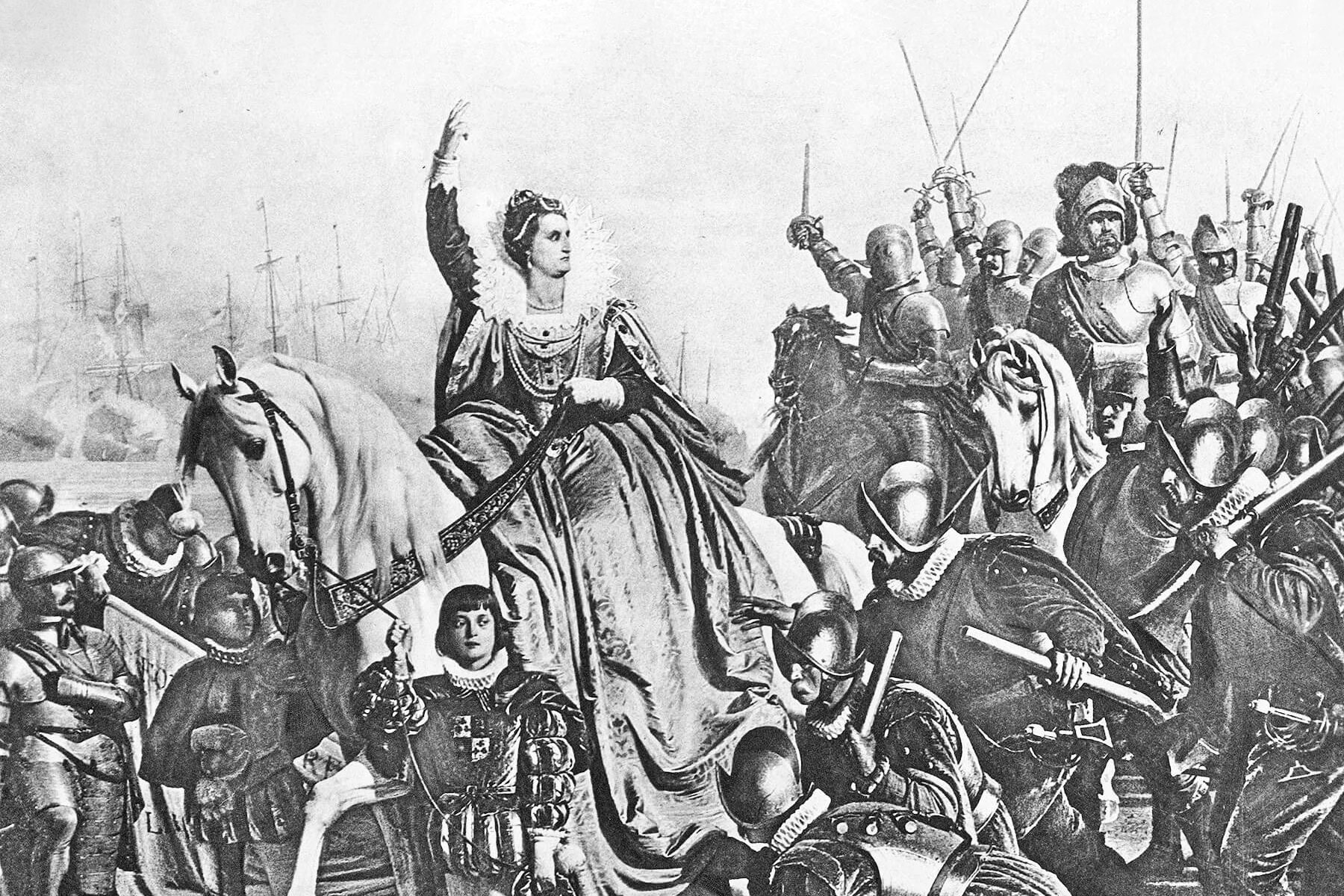
Elizabeth I ascended the English throne in 1558, stepping into a role that would shape an era of cultural and political transformation. As the sole monarch, she ruled with a rarity for the age: a woman at the helm who guided a nation through religious tension, exploration, and artistic flowering. Her decision not to marry reinforced her image as a steadfast and independent ruler, earning her the nickname the Virgin Queen and underscoring the era’s distinctive blend of personal sovereignty and public power. Her reign, lasting until 1603, is often celebrated as a golden age marked by relative peace and notable progress that echoed beyond England’s shores.
During this time, England began to cast off its insular past as it stepped toward continental influence and global reach. The stage was set for groundbreaking plays by Shakespeare and for early English ventures across the Atlantic. Yet the Elizabethan period was also fraught with tensions and crises that tested the resilience of the Crown. The following sections explore pivotal facets of this transformative chapter in English history.
Elizabeth’s Coronation Date Was Selected Through Astrology
Elizabeth I was crowned on January 15, 1559, after being advised by John Dee, a trusted court mathematician, philosopher, and occult scholar. Dee’s astrological insights were believed to forecast a favorable destiny for the young queen, and her coronation date was chosen to align with auspicious astrological signs. This decision reflects the era’s interplay between science, magic, and statecraft.
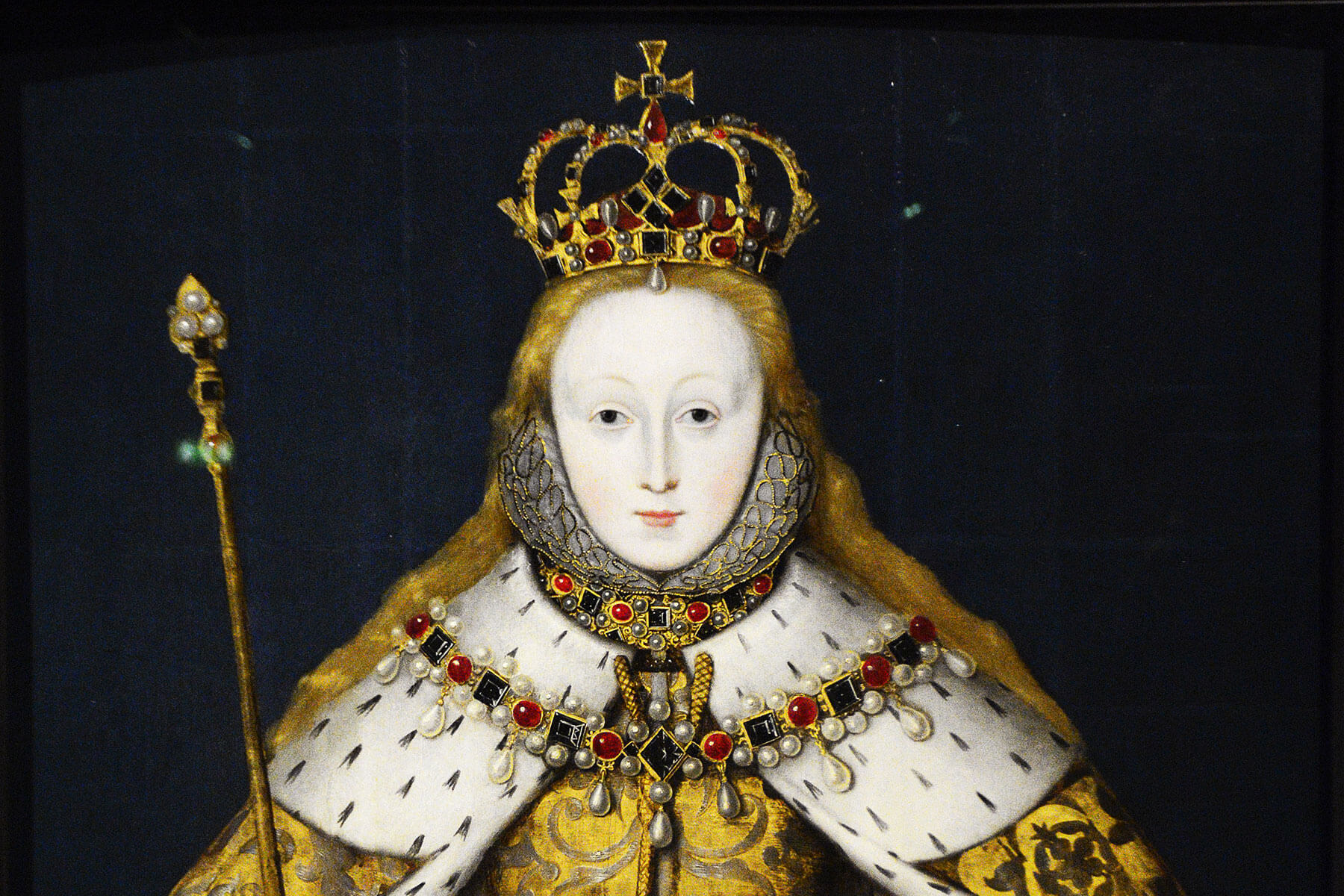
Note: Astrology and numerology were considered practical tools for guiding major political decisions at the time.
The Era Heralded the Start of British Colonial Ambitions in the New World
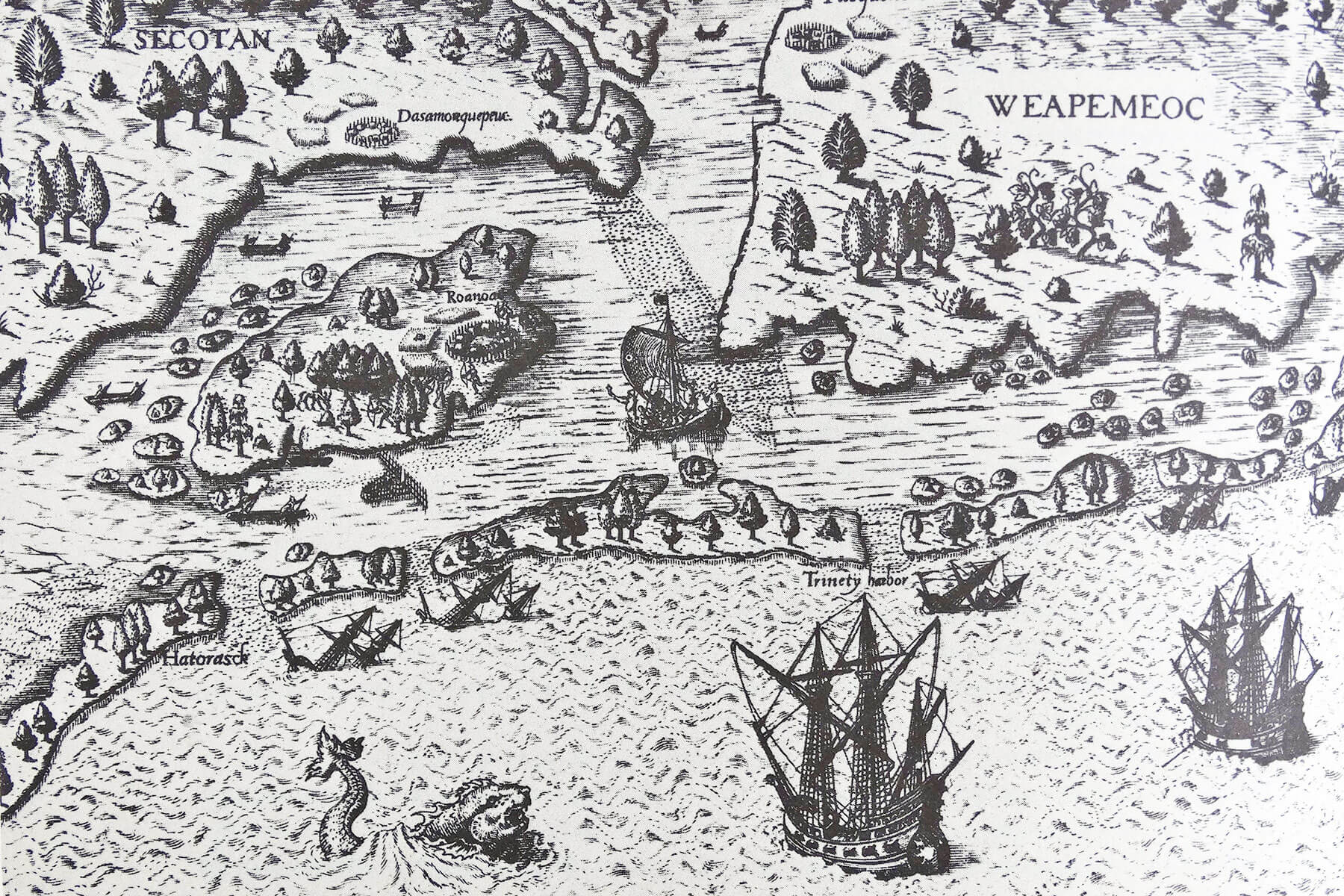
Under Elizabeth, England began expanding beyond its borders, laying the groundwork for a global empire. Voyages to the Americas increased in frequency, and explorers such as Francis Drake contributed to England’s early territorial claims. Drake’s knighthood aboard his ship, the Golden Hind, symbolized a new era of maritime prestige. Simultaneously, Humphrey Gilbert and Walter Raleigh sponsored settlements, including Newfoundland and Roanoke, marking the initial steps of colonial enterprise that would shape British reach for centuries.
The late 16th century thus witnessed the emergence of a maritime power capable of projecting influence across oceans, ultimately culminating in an empire that spanned continents.
A Century of Religious Upheaval and Policy
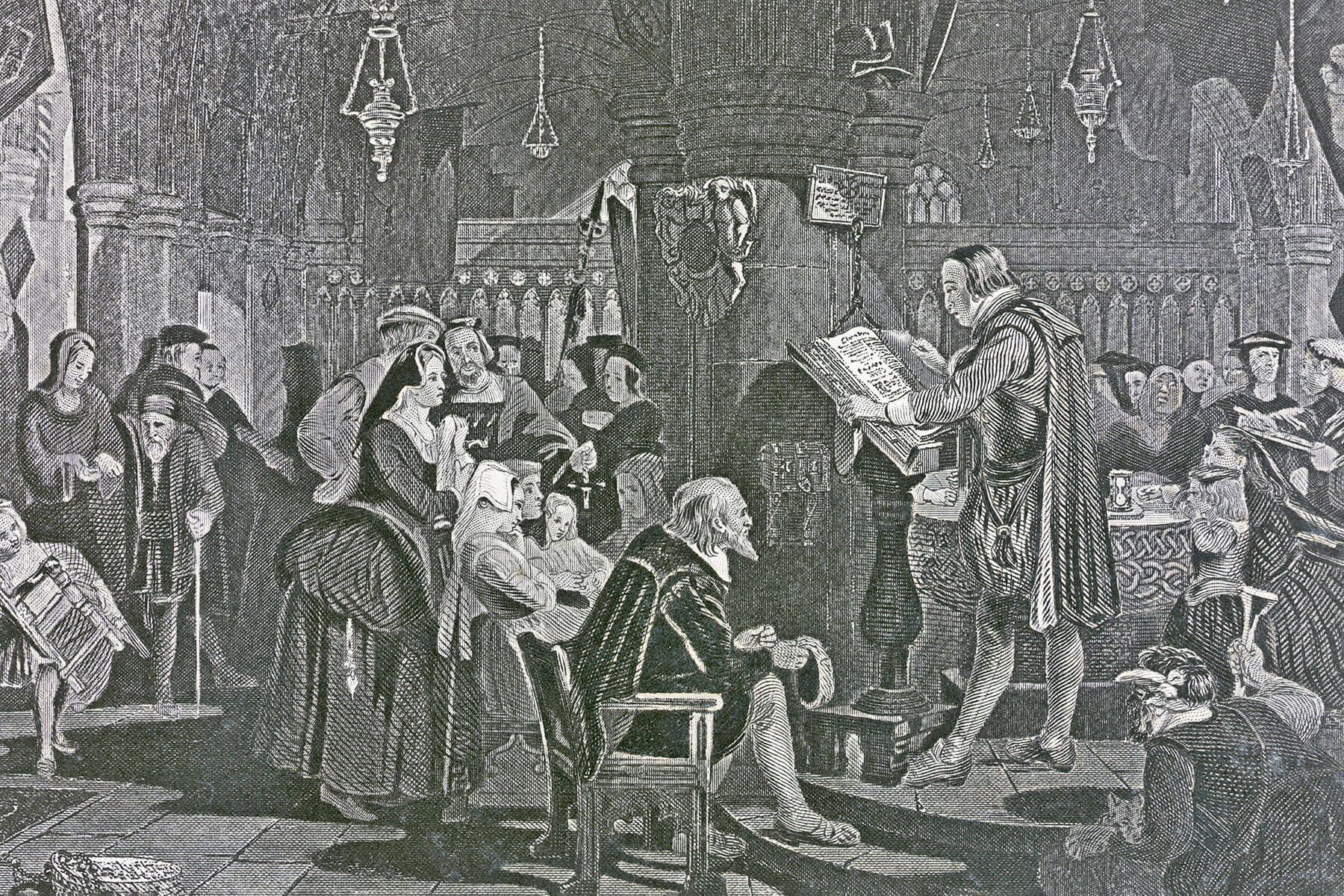
Elizabethan policy sought religious conformity within a fractured spiritual landscape. As head of the Church of England, she mandated attendance at Anglican services on Sundays and enacted penalties for Catholic Mass attendance. The era was defined by persistent religious strife, including four plots to dethrone Elizabeth by Catholic factions and the execution of Mary, Queen of Scots, after she conspired against the queen. The atmosphere of tension underscored the fragile balance between faith, politics, and sovereignty during Elizabeth’s reign.
A Golden Age for English Theater
The Elizabethan era produced enduring dramatic literature, with William Shakespeare at the forefront and contemporaries such as Christopher Marlowe, Ben Jonson, and Thomas Kyd contributing to a thriving stage culture. Iconic plays like A Midsummer Night’s Dream, Romeo and Juliet, and Hamlet emerged from this vibrant period, of which Elizabeth herself was a patron and occasional observer. The era’s dramatists helped cement English theater as a central cultural force, reflecting and shaping the society of the time.
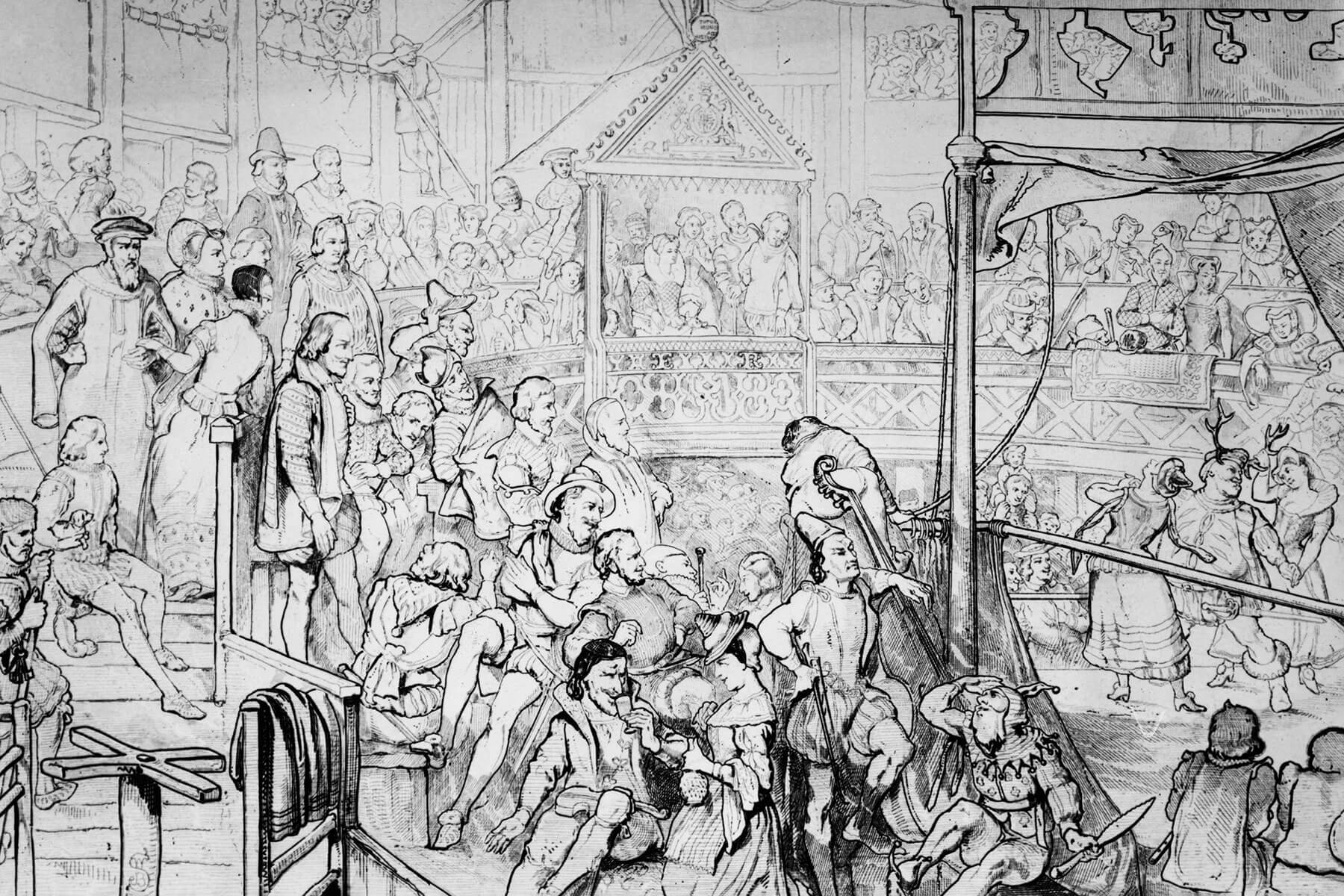
Interest in theater extended beyond the court, attracting audiences from all levels of society and leaving a lasting imprint on the English literary legacy.
It Demonstrated England’s Naval Pines by Defeating the Largest Fleet of Warships of Its Time
1588 brought the Spanish Armada, a formidable armada that sought to overthrow Protestant England and curb its rising influence. Though outnumbered, Elizabethan England triumphed through a combination of strategic naval tactics and decisive leadership. The victory, achieved despite the Armada’s vast composition—about 130 ships with tens of thousands of soldiers—signified a turning point in maritime power and proved that England could stand against Europe’s strongest naval threat. This defeat solidified Elizabeth I’s reputation as a capable and resolute monarch.
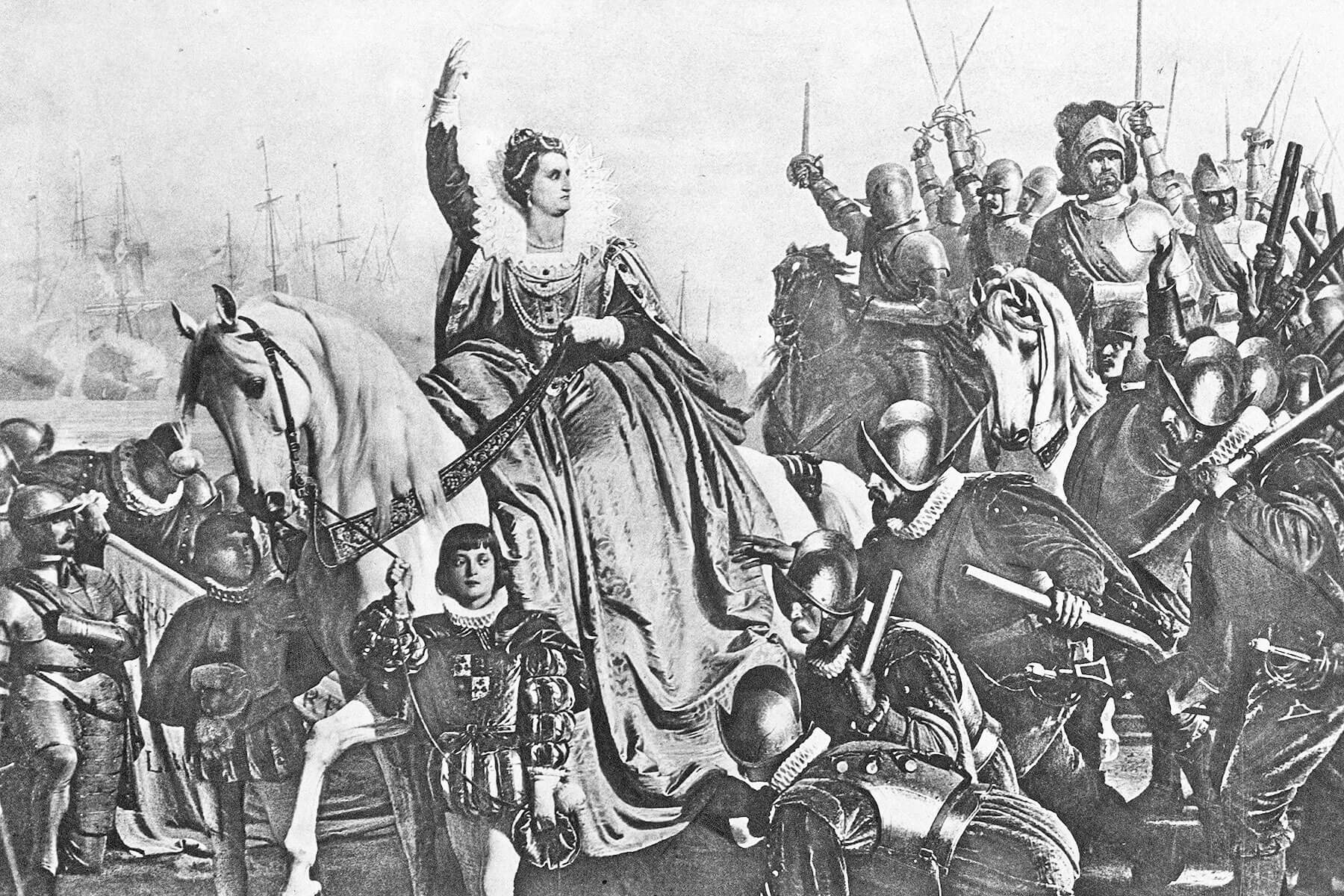
In recognizing the era’s complexity, one sees how a single reign could catalyze cultural flourishing, religious realignment, and imperial ambitions, shaping a modern English identity.