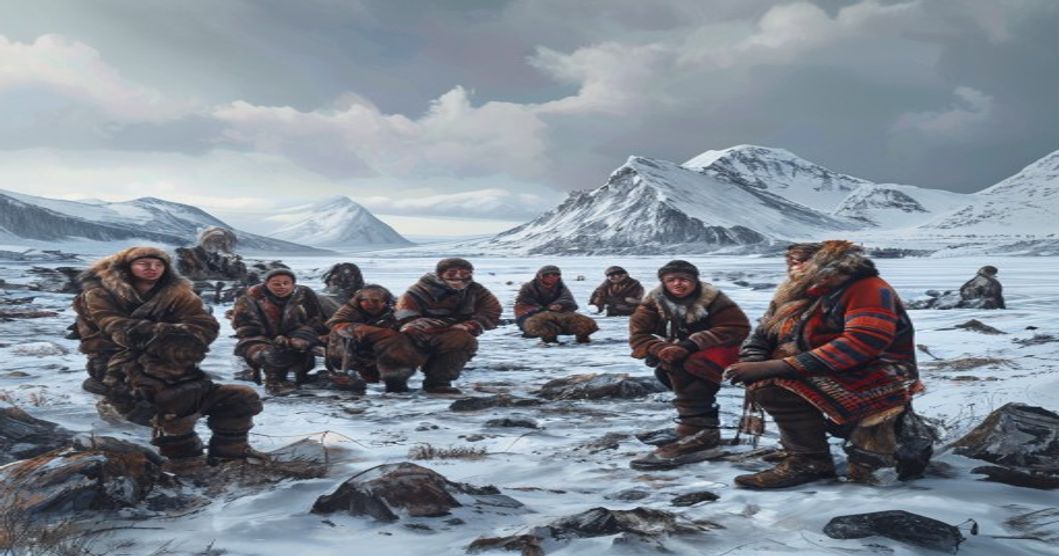
The Foundation of Sami Traditional Ecological Knowledge
The Sami people, indigenous to the northern territories of Norway, Sweden, Finland, and Russia, have developed a highly systematic approach to Arctic sustainability through centuries of direct environmental interaction. Their traditional ecological knowledge operates on dynamic observation cycles that track microclimates, soil composition, and wildlife behavior without artificial intervention. This indigenous knowledge network prioritizes long-term ecosystem equilibrium over immediate resource extraction, establishing a baseline for modern conservation science.
Reindeer Herding as a Model of Circular Resource Management
Sami reindeer herding functions as a precision-driven agricultural system that maintains tundra biodiversity through rotational grazing protocols. Herders calculate pasture recovery rates by analyzing lichen biomass density, snow depth variations, and microbial activity in the upper soil layers. Scientific assessments verify that these low-impact migration patterns prevent vegetation degradation, stabilize carbon storage in peatlands, and sustain predator-prey population balances essential for Arctic ecosystem resilience.
Seasonal Migration Routes & Landscape Stewardship
Historical Sami migration corridors align with geomagnetic navigation, hydrological flow patterns, and wind-driven snow distribution. These pathways are encoded in oral topography, where terrain features are identified through acoustic resonance, moss hydration levels, and ice translucency indicators. Contemporary spatial mapping initiatives cross-reference these indigenous waypoints with satellite telemetry, demonstrating highly efficient land-use strategies that minimize habitat fragmentation and optimize wildlife corridor connectivity.
Environmental Pressures on the Arctic Realm
Current Arctic sustainability frameworks confront accelerated climatic feedback loops that threaten both ecological stability and indigenous sovereignty. Temperature anomalies across Fennoscandia occur at approximately double the global average, triggering cascading disruptions in permafrost integrity, hydrological cycles, and biodiversity networks that directly impact Sami livelihoods.
Permafrost Degradation & Hydrological Shifts
Thawing permafrost destabilizes ancient carbon reservoirs, releasing stored methane and CO2 into the atmosphere while collapsing ground infrastructure. Concurrent alterations in precipitation regimes convert stable wetlands into erosive thaw slumps and seasonal flooding zones. These hydrological disruptions degrade reindeer forage quality, force abandonment of generational grazing territories, and increase reliance on costly artificial feed supplementation.
Shifting Climate Patterns & Cultural Erosion
Frequent rain-on-snow events create impenetrable ice crusts over lichen pastures, a meteorological anomaly that directly correlates with livestock mortality and economic vulnerability. The loss of predictable seasonal markers fractures intergenerational knowledge transmission, accelerating the decline of Sami cultural heritage intrinsically linked to specific ecological rhythms and navigational techniques.
Integrating Indigenous Stewardship with Conservation Science
Progressive Arctic sustainability requires merging indigenous governance models with contemporary environmental policy. Co-management structures that legally recognize Sami land rights consistently demonstrate superior outcomes in ecosystem health, species retention, and climate adaptation metrics compared to top-down conservation approaches.
Community-Led Environmental Monitoring Networks
Sami-led monitoring initiatives combine indigenous observation protocols with remote sensing technology to generate high-resolution ecological datasets. Herder networks document vegetation phenology, wildlife migration deviations, and ice stability using standardized environmental indicators. This ground-truthing methodology produces predictive models that outperform satellite-only analytics in identifying microclimate shifts and pasture degradation thresholds.
Policy Alignment & Sovereign Resource Governance
Legislative reforms across Sápmi increasingly mandate free, prior, and informed consent (FPIC) for extractive industries, infrastructure projects, and renewable energy installations. When indigenous councils govern land-use permits, development proposals undergo rigorous ecological impact assessments that prioritize long-term sustainability over short-term extraction. Policy integration of indigenous governance correlates with restored wetland function, stabilized carbon sequestration, and revitalized traditional economy sectors.
Safeguarding Sami Cultural Identity in a Warming Arctic
Cultural preservation operates as an ecological necessity rather than a supplementary tradition. The continuity of Sami language, craftsmanship, and oral history directly sustains the knowledge systems required for environmental stewardship across shifting climatic baselines.
Revitalizing Duodji & Material Culture Practices
Sami duodji (traditional handicraft) utilizes sustainably harvested birch, reindeer antler, and wildflower pigments to create functional artistry. Contemporary artisans partner with ecological cooperatives to ensure raw material extraction adheres to regenerative harvesting standards. These craft networks function as living repositories of botanical knowledge, preserving plant identification techniques that inform modern phytotherapy and landscape restoration strategies.
Youth Engagement & Digital Knowledge Archiving
Digital preservation projects capture endangered Sami dialects, yoik vocal traditions, and navigation techniques through interactive 3D mapping and phonetic databases. Educational platforms integrate indigenous ecological metrics into STEM curricula, enabling younger generations to decode ancestral climate data using computational ecology tools. This synthesis of ancestral wisdom and digital infrastructure ensures the continuity of Arctic sustainability practices while strengthening cultural sovereignty across future generations.
Frequently Asked Questions
What is Sami People and Arctic Sustainability?
Sami People and Arctic Sustainability refers to the intersection of the indigenous Sami culture, traditional livelihoods, and modern environmental conservation efforts in the Arctic regions of Norway, Sweden, Finland, and Russia. It highlights how Sami practices, such as reindeer herding, fishing, and land management, contribute to ecological balance, biodiversity preservation, and climate resilience in fragile Arctic ecosystems.
Key facts about Sami People and Arctic Sustainability
Key facts include: the Sami are the only officially recognized indigenous people in the EU; their traditional knowledge significantly aids in monitoring climate change impacts; reindeer herding covers vast migratory routes that maintain tundra health; and contemporary Sami-led initiatives actively promote sustainable resource management and indigenous rights in Arctic policy frameworks.