In the Middle Ages, people treated dreams with seriousness, and nightmares were often seen as warnings or signs rather than mere fancies. A typical dream could be pleasant or unsettling, and its interpretation might hinge on whether it felt like a message from beyond or a symptom of illness. When fear lingered after sleep, many sought guidance from priests or physicians who could interpret the ominous visions. Let’s explore how medieval society understood nightmare phenomena and the meanings attached to such nocturnal terrors.
Suffocating Spirits
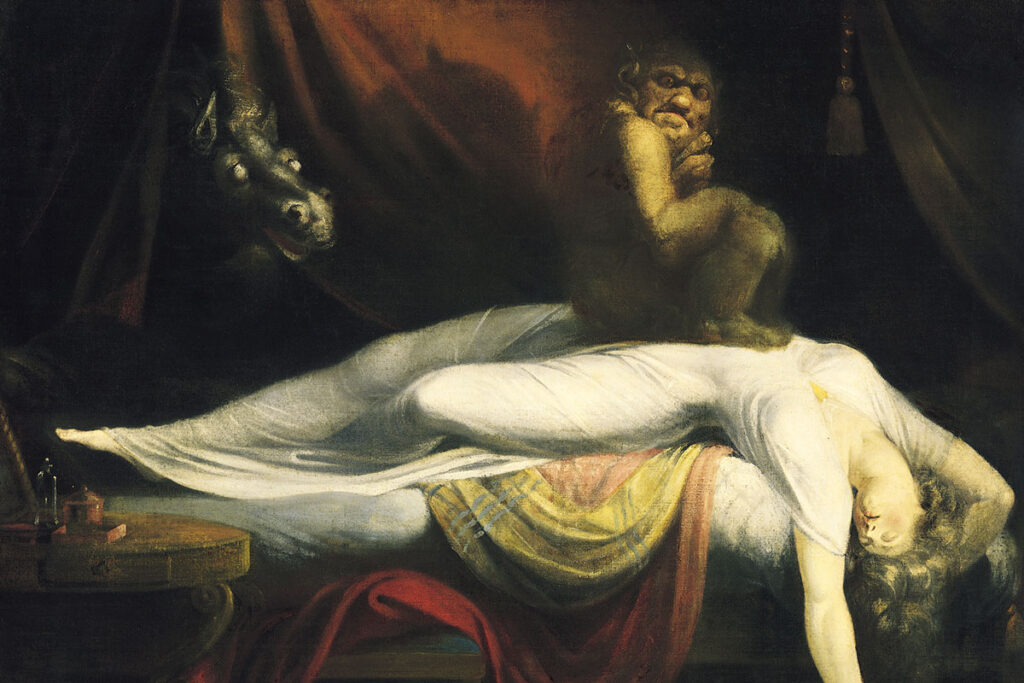
The term nightmare emerged in the early 1300s, with the word’s first element, “night,” self-evident and the second part, “mare,” carrying a far older sense. Rather than a female horse, the Old English word here referred to a goblin or malevolent spirit. By that century, a nightmare denoted a spirit or monster that pressed upon a sleeper, creating a sense of suffocation. The most severe cases pointed to an incubus, a demon believed to lie upon the chest and obstruct breathing, sometimes resulting in what we would now call sleep paralysis. For many contemporaries, this was neither metaphor nor superstition, but an actual, pressing danger. The notion of incubi persisted into legal and ecclesiastical discourse; a 12th‑century knight named Stephen of Hoyland reported regular attacks by a demon during sleep, even drawing his servants to sleep nearby so they could wake him during an episode. A cure was pursued after a pilgrimage to Canterbury, where the afflictions reportedly ceased.
What Doctors Thought
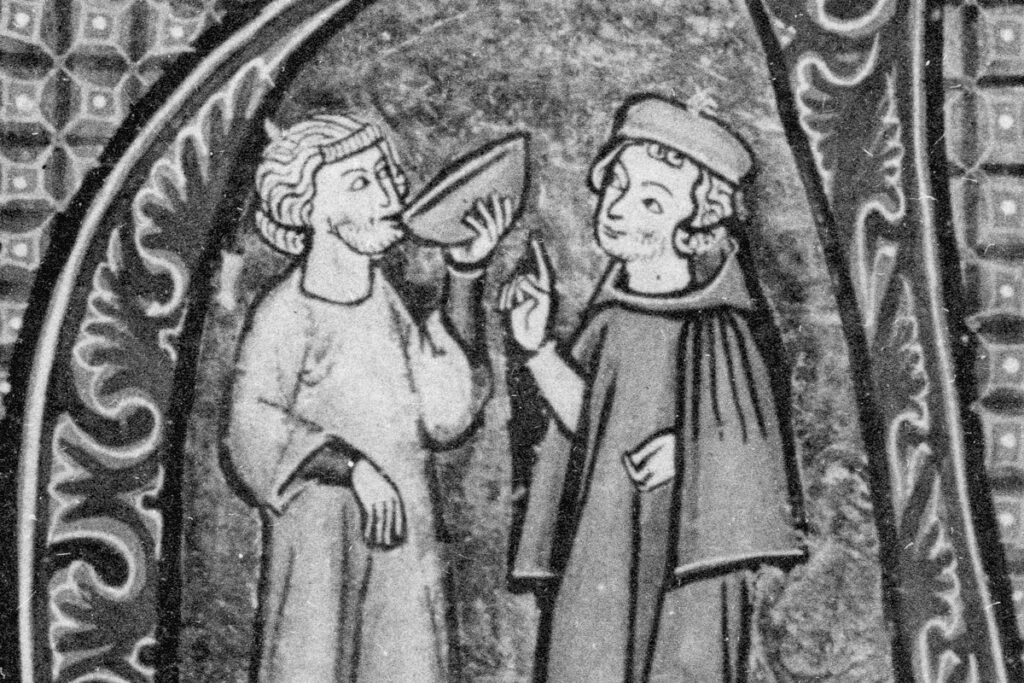
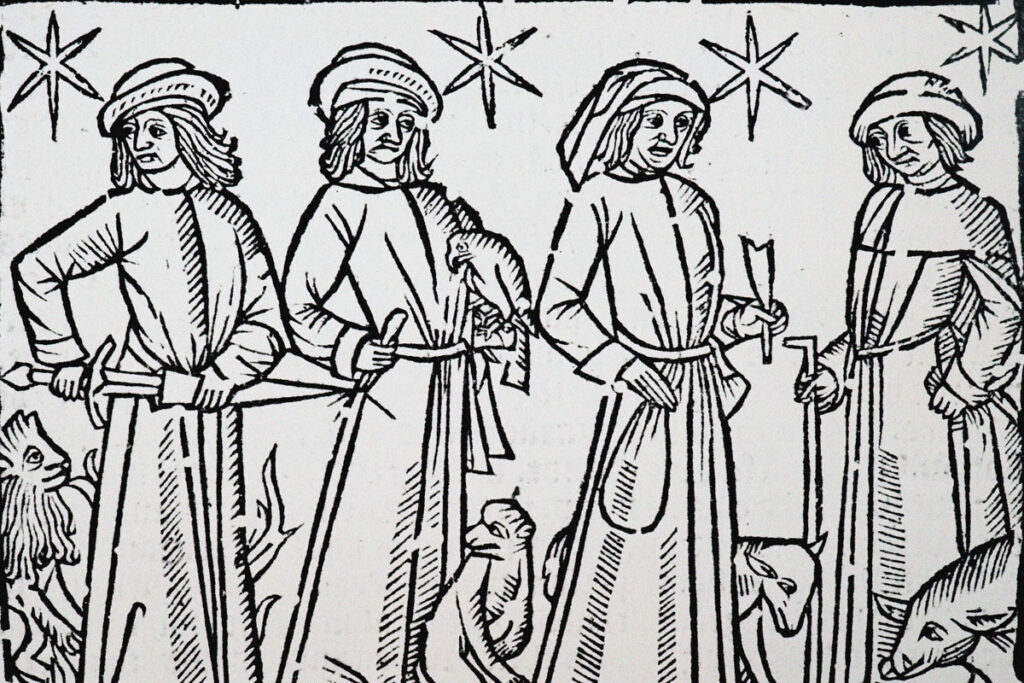
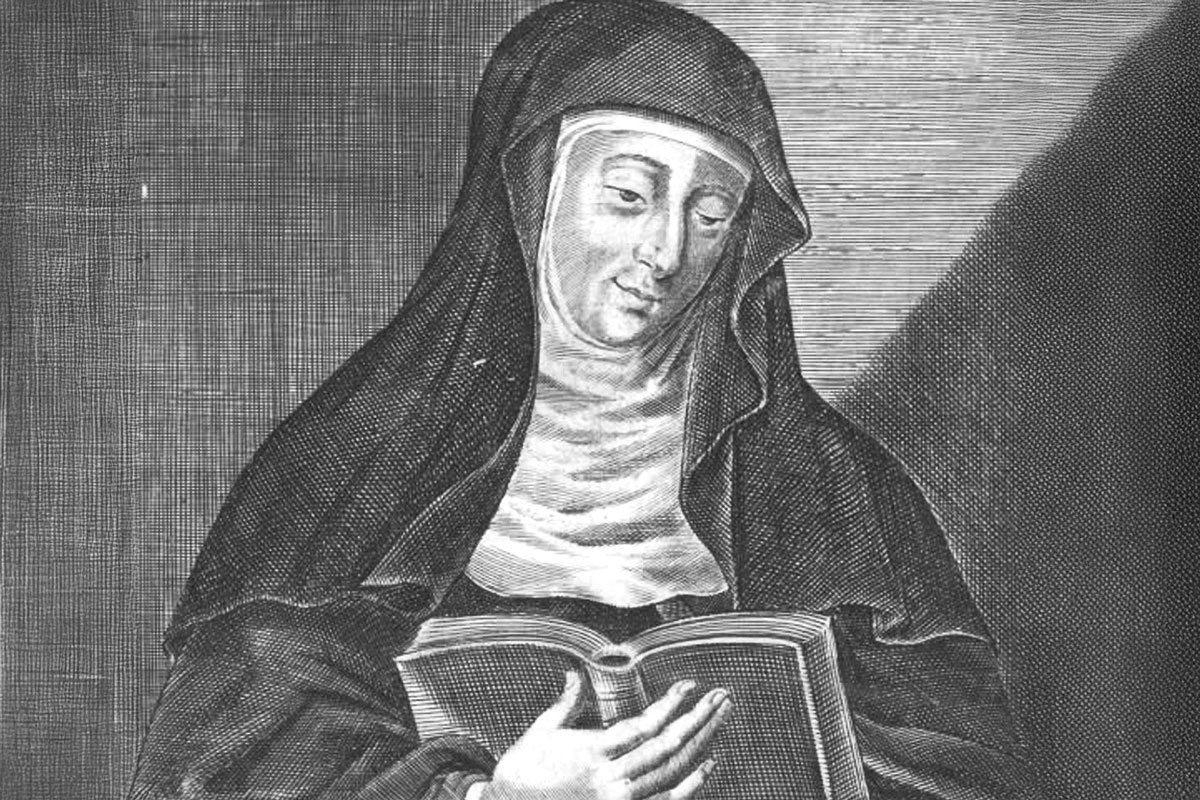
Not every medieval thinker blamed nightmare experiences on supernatural beings. While the general populace and many theologians attributed disturbing dreams to demonic visitations, medieval physicians offered a more methodical explanation grounded in contemporary medical theory. Following the four humors framework—blood, phlegm, yellow bile, and black bile—doctors linked dreams to imbalances in these bodily fluids. Disturbing dreams, insomnia, and even melancholy were associated with an excess of black bile. Figures like Hildegard of Bingen, the Bewhat is it?ctine abbess and polymath, advised that such humoral imbalance could affect mood and behavior. She even noted that dreams, though troubling, often did not reflect reality.
The Spiritual and the Physiological in Tandem
Crucially, many medieval thinkers did not see these explanations as mutually exclusive. They often held both spiritual and medical accounts simultaneously. Hildegard herself suggested that divine will could allow afflictions to chastise a person, while also acknowledging that corrupt humors could render someone vulnerable to demonic influence. In practice, prayer and humoral remedies were commonly recommended together, reflecting a worldview in which body and soul were deeply intertwined, especially when it came to nightmares.