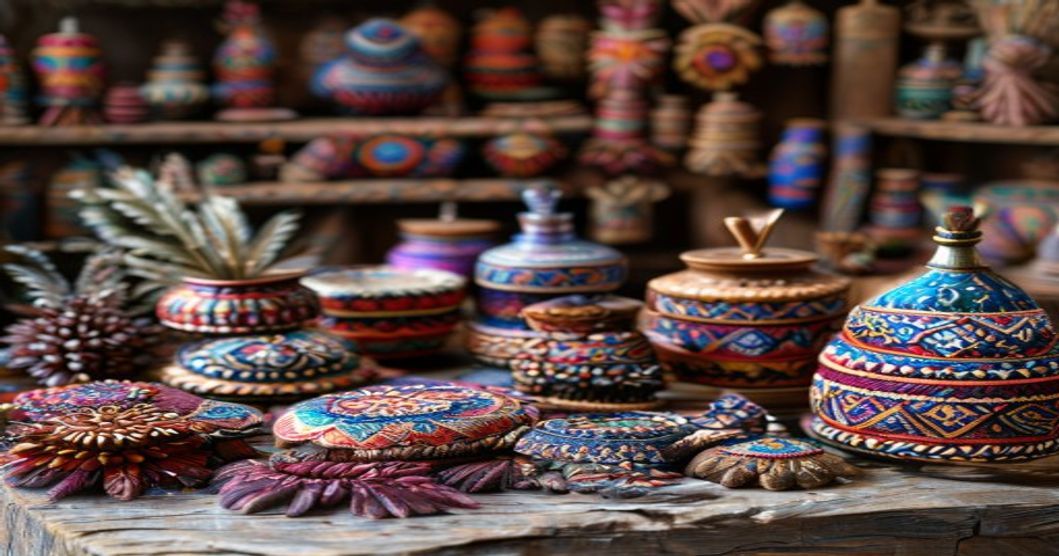
Understanding Authentic Sámi Duodji and Cultural Significance
Sámi duodji represents centuries-old indigenous craftsmanship from northern Scandinavia, encompassing textiles, jewelry, leatherwork, and wood carving. Authentic pieces are never mass-produced; they reflect specific regional identities, seasonal traditions, and ancestral storytelling. Each genuine Sámi souvenir carries cultural weight, with motifs historically used to denote family lineage, geographic origin, and social status. Recognizing the difference between culturally respectful duodji and commercial replicas requires knowledge of traditional crafting standards and modern certification systems.
Traditional Materials and Regional Crafting Techniques
Genuine Sámi handicrafts rely exclusively on natural, locally sourced materials including reindeer fur, antler, bone, birch root, pine resin, and wool dyed with native lichens. Artisans employ hand-stitching, traditional knitting patterns, and precise metal casting techniques passed down through generations. Regional variations are strictly maintained; for example, Kautokeino duodji features distinct silverwork styles, while Finnmark textiles utilize unique geometric motifs. These materials age gracefully and develop a natural patina over time, unlike synthetic substitutes that degrade quickly.
The Role of Official Certification Marks (Sápmi Circle Mark)
The Sápmi Circle Mark is the legally protected authenticity guarantee for indigenous crafts in Norway, Sweden, and Finland. This symbol certifies that a piece was created by a Sámi artisan using traditional methods and materials. Reputable sellers must display this mark prominently on product tags, certificates, or packaging. The certification process involves rigorous verification of lineage, craftsmanship standards, and ethical sourcing compliance. Purchasing items without this mark significantly increases the risk of acquiring counterfeit goods.
Common Characteristics of Fake Sámi Souvenirs
Fake Sámi souvenirs flood global markets by mimicking visual aesthetics while ignoring cultural protocols and material authenticity. These replicas prioritize profit over preservation, often diluting sacred symbols for commercial appeal. Identifying fakes requires close examination of design accuracy, material composition, and production transparency.
Mass-Produced Patterns and Incorrect Symbolism
Counterfeit items frequently reuse generic Nordic or pan-indigenous motifs without cultural context. Authentic Sámi designs follow strict regional codes; for instance, the sun symbol (beaivváš) appears in specific orientations depending on the district, while fakes often place it incorrectly or combine incompatible patterns. Machine-printed
“`html
Frequently Asked Questions
What is Fake Sami Souvenirs Explained?
Fake Sami Souvenirs Explained refers to the practice of identifying counterfeit or mass-produced items that are falsely marketed as authentic Sami handicrafts. The Sami people are the Indigenous inhabitants of Sápmi, a region spanning northern Norway, Sweden, Finland, and Russia’s Kola Peninsula. Their traditional crafts—such as duodji (handmade tools and accessories), gákti (traditional clothing), and beadwork—are deeply rooted in cultural heritage and are typically made using time-honored techniques passed down through generations. Fake Sami souvenirs, on the other hand, are often produced industrially in low-cost regions and sold to tourists as genuine. These counterfeit items may mimic traditional patterns and motifs but lack the cultural authenticity, quality materials, and artisan craftsmanship that define real Sami works. Understanding this distinction helps consumers support Indigenous artisans and preserve cultural integrity.
Key facts about Fake Sami Souvenirs Explained
- Authentic Sami items are handmade: Genuine duodji and traditional Sami crafts are created by hand using natural materials such as reindeer leather, antler, birch wood, and wool, often taking weeks or months to complete.
- Geographical and cultural markers: Authentic Sami souvenirs are typically signed or marked by the artisan and may include region-specific design elements that reflect the wearer’s or maker’s specific Sámi community.
- Mass-produced counterfeits dominate tourist markets: Many fake Sami souvenirs are manufactured in factories in Asia or other low-cost regions and sold at tourist hotspots in northern Europe under misleading labels.
- Price and quality indicators: Fake items are usually significantly cheaper than authentic ones and are made with synthetic materials, machine stitching, and printed patterns rather than hand-dyed threads or hand-carved details.
- Cultural appropriation concerns: The sale of fake Sami souvenirs raises ethical issues regarding cultural appropriation and the economic exploitation of Sami artisans who struggle to compete with cheap imitations.
- Official certification exists: The Sámi Duodji quality mark is a registered certification that guarantees authenticity and is controlled by the Sámi Duodji organizations in Norway and Finland.
- Buyer awareness is growing: Increased education and awareness campaigns by Sámi cultural organizations have helped more tourists and collectors identify and purchase genuine Sami handicrafts.
“`