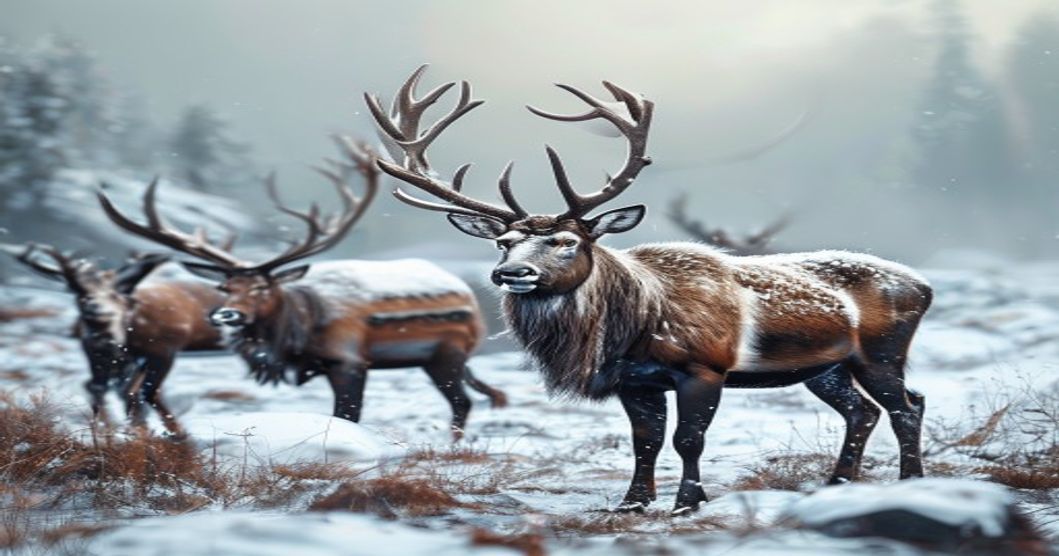
The Reindeer in Sámi Cosmology
For centuries, the reindeer has occupied a central position within Sámi spiritual frameworks, functioning as more than a source of sustenance. Indigenous Sámi traditions recognize the animal as a living bridge between the physical world and the invisible realms governed by ancestral forces. This sacred relationship emerged from generations of observation, adaptation, and reciprocal respect across the Arctic tundra and boreal forests.
Origins of the Sacred Bond
Sámi cosmology divides existence into multiple layers, with the reindeer serving as a guide between them. Traditional narratives describe the first reindeer as a gift from Bieggolmmái, the wind spirit, or as a manifestation of Madare-Yhvee, the creator deity who shaped the landscape and its inhabitants. The animal’s migration patterns were interpreted as celestial maps, aligning seasonal movements with lunar cycles and star positions. Hunters and herders developed rituals to honor these alignments, ensuring spiritual balance alongside ecological stability.
Symbolism Across Sámi Clans
Different Sámi groups attributed distinct meanings to the reindeer while maintaining a core reverence for its spiritual role. Among the Skolt Sámi, the animal represented resilience and adaptability, qualities essential for survival in extreme climates. The Lule Sámi associated reindeer antlers with growth and renewal, using them in crafting ceremonial drums that facilitated communication with nature spirits. Southern Sámi traditions often linked the creature to fertility and communal prosperity, viewing herd health as a direct reflection of collective spiritual well-being.
Rituals and Spiritual Practices
Sámi spiritual life revolved around rituals that acknowledged the reindeer’s sacred status. These practices functioned as operational frameworks for maintaining harmony between humans, animals, and the environment.
Sacrificial Traditions and Offerings
Historical accounts document reindeer sacrifices performed at seasonal transitions or during times of ecological uncertainty. The selected animal was typically chosen based on physical traits that aligned with specific spiritual intentions, such as white coloring for purification or distinctive antler shapes for protection. Blood, hide, and bones were offered to fire altars or buried in sacred groves, accompanied by chants known as yoik. These vocalizations carried prayers directly to the spirit world, reinforcing the reciprocal nature of the relationship.
Dream Interpretation and Ancestral Guidance
Dreams involving reindeer held significant divination value within Sámi communities. Shamans, or Noaidi, trained for years to interpret these visions as messages from ancestors or nature spirits. A reindeer appearing in a dream without fear indicated favorable conditions for migration or hunting, while distressed animals signaled spiritual imbalance requiring ritual correction. These interpretations guided decision-making processes, from herd management to conflict resolution within the community.
Ecological Wisdom and Modern Resonance
The spiritual framework surrounding reindeer has historically functioned as an ecological management system. Sámi knowledge prioritized long-term sustainability over short-term extraction, embedding conservation principles within religious practice.
Sustainable Coexistence in Traditional Livelihoods
Traditional Sámi herding practices relied on rotational grazing patterns that allowed pastures to recover naturally. The spiritual prohibition against taking more than necessary ensured herd populations remained within carrying capacity limits. Elders transmitted this knowledge through oral histories, emphasizing that the reindeer’s survival was inseparable from human survival. This worldview prevented overexploitation and maintained biodiversity across fragile Arctic ecosystems.
Contemporary Cultural Revival
Modern Sámi communities are reclaiming traditional spiritual practices as part of broader cultural revitalization efforts. Youth programs, academic research, and indigenous-led conservation initiatives integrate ancestral reindeer symbolism with contemporary environmental advocacy. Sacred sites once used for offerings are being protected from industrial development, while digital archives preserve yoik recordings and drum designs. The reindeer continues to serve as a powerful emblem of Sámi identity, resistance, and ecological stewardship in the twenty-first century.
Frequently Asked Questions: Spiritual Importance of Reindeer in Sami Beliefs
What is Spiritual Importance of Reindeer in Sami Beliefs?
In Sámi beliefs, reindeer hold profound spiritual significance as sacred gifts from the gods. They are seen as spiritual guides and companions, deeply intertwined with Sámi cosmology, mythology, and daily survival. Reindeer are believed to possess spiritual energy that connects the physical and spiritual worlds, and their migration patterns are often interpreted as divine messages.
Key facts about Spiritual Importance of Reindeer in Sami Beliefs
Key facts include: reindeer are considered sacred and untouchable in certain spiritual contexts; Sámi shamans (noaidi) used reindeer antlers and bones for divination and rituals; reindeer herding is governed by spiritual laws and taboos; and reindeer are believed to carry the souls of ancestors or act as mediators between humans and nature spirits.