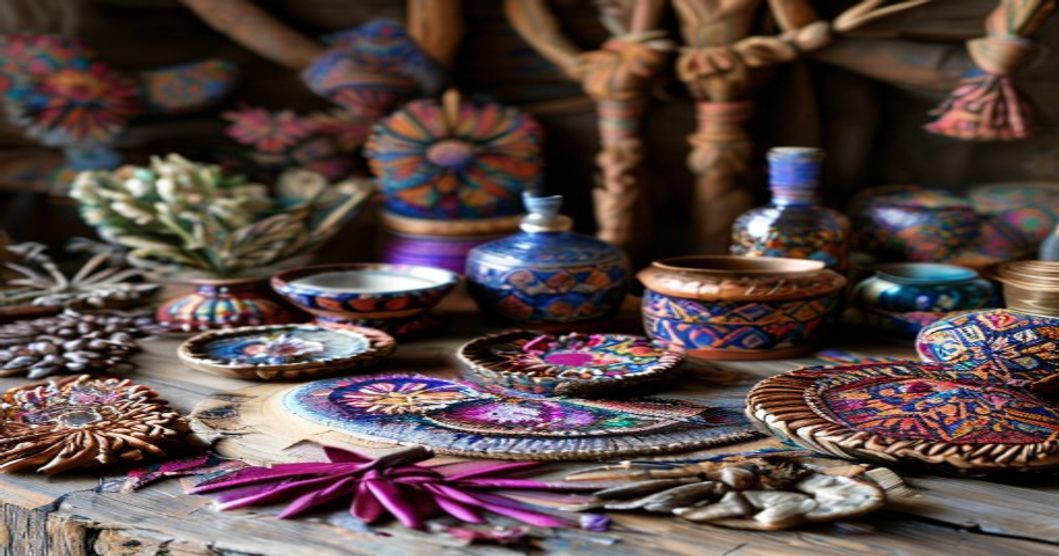
Handmade Sami Products and Their Meanings: A Complete Cultural Guide
Sami handmade artifacts, collectively categorized under the indigenous term duodji, operate as both functional tools and encoded cultural archives across the Arctic regions of Norway, Sweden, Finland, and Russia. Each object requires region-specific materials that dictate its structural integrity and symbolic language. The crimson and blue threadwork visible on traditional garments signals specific family lineages, geographic origins, and social status. Artisans utilize supplementary weft techniques passed through generations to create geometric patterns derived from reindeer migration routes, seasonal weather cycles, and ancestral cosmology.
- Woven belts employ diamond motifs representing fertility and solar cycles, while zigzag sequences map historical river systems used for autumn migration. The interlocking borders prevent unraveling during heavy pack loads.
- Antler carving follows strict sustainability protocols; craftsmen harvest only naturally shed material or legally sourced bone, applying natural ochre pigments that symbolize earth connection and spiritual grounding. Tools remain unpolished to maintain grip during precise incisions.
- Knitted wool garments incorporate undyed fibers to preserve natural lanolin properties, ensuring waterproofing during subzero conditions. Stitch configurations mirror aurora borealis movement patterns, translating celestial observation into tactile form. Double-layered soles utilize split reindeer hide for thermal insulation.
Commercial replication frequently strips contextual meaning from authentic pieces. Genuine craftsmanship demands precise material sourcing: mountain reindeer antler for coastal Norway, moose hide for inland Lapland, and aged bog oak for Finnish territories. Contemporary certification frameworks now protect artisan authenticity by linking purchasers directly to documented cooperatives. These networks maintain oral histories alongside technical instruction, ensuring that every stitch, carve, and weave continues functioning as a living record of Sá
Origins of Sami Duodji and Arctic Craft Traditions
The roots of Sami craftsmanship trace back thousands of years to the indigenous communities inhabiting Sápmi, a vast Arctic region spanning northern Norway, Sweden, Finland, and Russia’s Kola Peninsula. Historically termed duodji by the Sami people, this craft system emerged not as an artistic pursuit but as a vital survival mechanism in one of Earth’s most unforgiving environments. Every object produced served a precise functional purpose while simultaneously encoding generations of ecological knowledge. Tools for reindeer herding, snowshoes, waterproof clothing, and storage vessels were engineered through direct observation of animal behavior, seasonal migration patterns, and material properties under extreme climatic conditions.
Traditional materials were sourced exclusively from the local ecosystem. Reindeer antlers provided durable handles for knives and sewing needles, while cured hides formed the foundation of boots and tents known as lavvu. Birch bark, collected during spring thaw, offered lightweight containers that naturally repelled moisture. Copper wire, historically traded along ancient routes, later enabled intricate embroidery on garments, with specific stitch patterns denoting clan affiliation, marital status, and regional origin. The preparation of these materials demanded meticulous timing; for instance, fur was harvested only during winter months when the pelt retained its insulating density, and wood required precise seasonal cutting to prevent cracking during drying.
- Spiritual Integration: Duodji practices were deeply intertwined with pre-Christian animistic beliefs. Artisans conducted rituals before harvesting materials, acknowledging the spiritual essence of trees, animals, and minerals. This reverence ensured sustainable harvesting and maintained ecological balance across generations.
- Knowledge Transmission: Craft techniques were preserved through direct mentorship within family units and seasonal gatherings. Children learned material identification and tool manipulation alongside herding skills, embedding technical proficiency within broader cultural continuity.
- Functional Aesthetics: Decorative elements never compromised utility. Symmetrical patterns, color contrasts, and woven geometries emerged from structural requirements rather than arbitrary ornamentation, resulting in objects that balanced durability with visual harmony.
The evolution of duodji reflects continuous adaptation to environmental shifts and external political pressures. During the nineteenth and twentieth centuries, state policies attempted to standardize education and suppress indigenous practices, prompting artisans to preserve techniques as acts of cultural resistance. Contemporary practitioners maintain these methods while integrating modern conservation standards, ensuring that each piece remains a living document of Arctic resilience rather than a static historical artifact.
Exploring Handmade Sami Products and Their Meanings by Category
Sámi craftsmanship reflects centuries of adaptation to subarctic environments, where utility and symbolism remain inseparable. The traditional output falls into distinct functional categories, each carrying specific cultural codes that communicate lineage, territory, and spiritual worldview.
Traditional clothing and accessories represent the most visually documented category. The gákti functions as a regional identifier through precise color blocking, embroidery patterns, and fastening methods. Blue and red motifs indicate marriage status and clan affiliation, while silver buttons serve both structural and protective purposes. Reindeer leather footwear incorporates layered soles designed for traction on snow and ice, with stitching techniques passed through generational practice rather than written instruction.
Functional tools and survival equipment prioritize material efficiency and environmental responsiveness. Sámi knives utilize locally forged steel paired with carved handles from birch or reindeer antler, featuring blade geometries optimized for skinning and wood processing. Birch bark containers employ heat-molding techniques to create watertight vessels without synthetic adhesives. Each tool incorporates grip patterns that distribute pressure across the palm, reducing fatigue during extended hunting or crafting sessions.
- Decorative and ritual objects operate within spiritual and ceremonial frameworks. Silver jewelry frequently incorporates solar disc pendants and crescent forms that track seasonal cycles essential to reindeer herding schedules. Woven textiles utilize double-weave techniques to produce reversible patterns with protective symbolism.
- Carved artifacts transition between household use and ceremonial display. Antler carvings feature interlocking geometric designs that map migration routes and territorial boundaries. Lacquer finishes derived from pine resin provide moisture resistance while maintaining breathability in fluctuating humidity conditions.
Material selection follows strict ecological guidelines that prevent overharvesting and maintain herd sustainability. Artisans measure reindeer antler growth rings to determine optimal cutting windows, ensuring structural integrity without compromising animal welfare. Wood sourcing requires windfall timber only, with grain orientation aligned to minimize splitting during seasonal temperature shifts.
Contemporary makers preserve these parameters while adapting tools to modern manufacturing standards. Digital pattern mapping replaces manual templates, yet hand-finishing remains mandatory to maintain tactile qualities that machine stamping eliminates. Certification systems now track material provenance, allowing buyers to verify ethical sourcing and regional origin without compromising traditional production methods.
Reindeer Hide Crafts and Functional Heritage
Reindeer hide constitutes the foundational material in Sami duodji traditions, directly influencing survival architectures across Fennoscandia. Artisans utilize reverse tanning protocols that preserve epidermal pore networks while curing the dermis to achieve dual-density properties. The hair-on surface delivers wind resistance and water shedding capabilities, whereas the flesh side yields pliable leather suitable for intricate joinery. This material duality established functional parameters that dictated tool geometry centuries before synthetic polymers entered Nordic manufacturing. Rawhide components undergo controlled shrinkage when stretched over wooden forms, creating self-reinforcing tension networks that eliminate the need for external fasteners in sled runners and snowshoe frames.
Seasonal acquisition cycles determine performance thresholds. Winter pelts retain dense keratin bundles that maximize thermal retention, while spring hides prioritize tensile strength for fine leather stretching. Makers classify skin quality through systematic evaluation of fat distribution, age markers, and antler calcification patterns. Functional implementations integrate multiple material layers to distribute mechanical stress. Gákti footwear utilizes stacked hide construction with staggered seam alignments to prevent moisture wicking along stitch channels. Sinew threading replaces metallic alternatives during historical periods, with each knot calibrated to compress under load rather than fracture. Antler handles receive cross-grain drilling techniques that align force vectors away from structural weak points.
- Hide grading protocols: Systematic categorization based on seasonal keratin density and pore orientation
- Tension curing methods: Wooden form stretching that creates self-locking fiber networks
- Regional grip geometries: Valley-specific handle angles optimized for local reindeer herding techniques
Contemporary practitioners preserve these methodologies through documented apprenticeship frameworks rather than mechanized replication. Traditional curing sites near mineral-rich water sources remain essential for consistent collagen cross-linking during processing. Modern artisans map historical performance data onto current material batches, tracking fat content fluctuations and seasonal weight variations to maintain archival accuracy. Regional dialects influenced tool nomenclature across mountain and coastal territories, with each community developing distinct cutting angles and lacing patterns suited to specific environmental pressures. This continuous technical evolution ensures reindeer hide crafts function as active ecological documentation rather than preserved museum specimens.
Wood Carvings and Ritual Object Significance
Sámi wood carving represents a deeply rooted tradition where material selection and form directly encode spiritual and practical knowledge. Artisans historically sourced birch, pine, and gnarled root wood from boreal forests, believing that each piece carried inherent vitality shaped by centuries of environmental stress. The resulting carvings were never merely decorative; they functioned as tangible interfaces between the human realm and the natural world. Motifs such as spirals, zigzags, and concentric circles map seasonal cycles, migration routes, and celestial movements, translating ecological observation into visual syntax.
Ritual objects derived from these carvings served specific ceremonial purposes within Sámi cosmology. The goavddis, or joik drum, was carved from birch burl and painted with symbolic diagrams that guided noaidi practitioners during trance states. These diagrams mapped spirit worlds, ancestral territories, and hunting grounds, functioning as navigational tools for spiritual travel rather than mere artwork. Staffs carved with reindeer antler inlays and iron accents marked boundaries between sacred and mundane spaces, while amulets fashioned from twisted root wood were worn to channel protective energy during critical life transitions.
- Spiral patterns denote continuous cycles of birth, death, and renewal, reflecting Sámi animistic worldview
- Geometric grids represent territorial boundaries mapped through generations of reindeer husbandry
- Root wood knots are deliberately preserved to honor the tree’s survival mechanisms and spiritual resilience
The technical execution of these pieces demands precise knowledge of grain direction, moisture content, and seasonal cutting times. Carvers remove material in stages, allowing each cut to respond to the wood’s natural resistance. This process embeds intentionality into every curve, ensuring that functional objects like sled runners, knife handles, and drum frames align with both ergonomic requirements and symbolic frameworks. Modern practitioners continue this methodology while adapting forms for contemporary contexts, maintaining continuity between ancestral knowledge systems and current cultural expression.
Silver Jewelry, Amulets, and Protective Symbolism
Sámi silverwork emerges from centuries of Arctic survival, where metal served as both currency and spiritual armor. Artisans in Sápmi traditionally extracted silver from recycled trade coins, melted reindeer milk pots, and foreign currency, forging each piece through cold-hammering and repoussé techniques passed down through generations. The material choice was deliberate; silver resonated with northern ecosystems, reflecting daylight during polar winters while symbolizing purity and resilience against harsh environments.
Protective symbolism dominates traditional Sámi adornments. Amulets like the návlti (round pendant) functioned as talismans for reindeer herds, safeguarding livestock from predators and spiritual misfortune. The sárggáš (belt buckle) incorporated geometric patterns representing sun movements, animal migrations, and clan territories, creating a wearable map of environmental awareness. Silver chains often held small pouches containing dried herbs, iron nails, or carved bone fragments, combining metallurgy with ethnomedicine to ward off illness and negative energy.
- Cross motifs adapted from Christian missionaries merged with indigenous cosmology, illustrating cultural adaptation rather than replacement.
- Spiral designs trace celestial navigation routes used by hunters tracking seasonal auroras and wildlife patterns.
- Reindeer antler inlays embedded within silver frames acknowledge the reciprocal relationship between herders and their primary economic resource.
- Asymmetrical hammering on pendants reflects organic forms found in tundra flora, rejecting industrial symmetry in favor of ecological authenticity.
Contemporary Sámi smiths maintain these practices while navigating global markets. Authentic pieces require months of labor, involving repeated heating cycles, precise engraving with traditional burins, and chemical patination using local lichens. Museums across Scandinavia document how silver density correlates with family lineage, where inherited tools carry ancestral fingerprints visible under magnification
Crafting Methods and Material Selection in Sami Workshops
Sámi duodji workshops operate on a strict seasonal rhythm that dictates material availability and processing timelines. Artisans source reindeer antlers primarily during late winter when shedding occurs naturally or through regulated harvesting practices. Each tine carries distinct structural properties; the main beam provides dense, heavy components for knife handles and belt buckles, while slender spikes require careful heat treatment to prevent cracking during bending. Bone fragments from ribs and legs undergo prolonged soaking in running water to remove organic tissue before being shaped with traditional bow drills and abrasive stones.
Birch bark collection follows spring thaw protocols, where the inner layer is peeled selectively from standing trunks without damaging cambium layers. Lamination techniques involve steaming thin strips over low heat, then pressing them between wooden boards for seventy-two hours to achieve uniform flexibility. Wool preparation relies on hand-combing raw fleece rather than shearing, preserving natural lanolin content that enhances water resistance during spinning. Artisans twist fibers using drop spindles calibrated to regional climate conditions, producing yarns specifically engineered for extreme temperature fluctuations.
- Antler Processing: Raw tines are split longitudinally with chisel strikes along natural grain lines, then cured in reindeer fat for three weeks before carving.
- Bark Lamination: Strips undergo alternating steam exposure and weighted pressing cycles to eliminate internal tension without losing structural integrity.
- Wool Preparation: Raw fleece is sorted by undercoat density, then spun using weighted spindles that maintain consistent twist angles for durability.
Natural pigment extraction follows precise botanical timing. Lichens harvested from northern rock faces require fermentation in alkaline solutions to develop stable red and orange compounds, while cloudberries yield yellow pigments only when picked at peak ripeness. Dyeing processes demand controlled temperature gradients; boiling exceeds thirty minutes degrades molecular structures, resulting in faded washouts. Finished pieces receive final treatment with beeswax mixed with pine resin, applied through friction heating rather than direct flame contact to preserve material porosity.
Workshop layouts prioritize directional natural lighting for precision carving and ventilation systems that remove particulate matter from wood dust and bone grinding. Tools remain organized by cutting angle specifications rather than size, reflecting historical transmission patterns where master artisans evaluated student proficiency through blade geometry comprehension. Material storage utilizes elevated wooden racks with charcoal lining to regulate humidity levels during extended curing periods.
Natural Resource Harvesting in Fjord and Tundra Ecosystems
The fjord landscapes of northern Scandinavia provide a marine environment where Sami communities have historically harvested cod, salmon, herring, and shellfish using hand-woven nets, bone hooks, and wooden traps. Seasonal migrations dictate precise timing for net placement, with water temperature shifts and ice melt patterns serving as natural calendars. Drying racks constructed from driftwood and pine poles allow fish to cure in the cold, wind-swept air without artificial heat, preserving protein content while developing distinct regional flavors. Coastal mosses and kelp varieties are collected during low tide cycles, then processed into fiber for weaving or utilized as natural binders in traditional food preservation techniques.
Inland tundra zones operate on a completely different ecological rhythm. Reindeer herding remains the cornerstone of resource acquisition, with antler shedding periods and calving grounds mapped across decades of generational observation. Birch bark is harvested during late spring sap flow, carefully split into flexible sheets before peeling damages the vascular tissue underneath. Cloudberry and lingonberry patches are located by studying sun exposure angles and soil drainage patterns, ensuring peak sugar concentration at harvest. Lichen species such as reindeer moss undergo controlled rotational grazing cycles to prevent overharvesting, maintaining ground cover integrity across fragile permafrost boundaries.
Traditional processing methods transform raw materials into durable duodji artifacts without synthetic additives. Antler bases are boiled and carved into knife handles, while cured hides undergo smoke treatment using juniper wood to repel moisture and insects. Berry preservation relies on natural fermentation in birch-bark containers, creating acidic environments that inhibit bacterial growth. Each harvesting technique requires intimate knowledge of microclimates, animal migration corridors, and plant phenology, ensuring resource renewal cycles align with cultural practices. Modern Sami artisans continue these methods, embedding ecological sustainability into every stage from initial collection to final craft production.
The structural integrity of each harvested component determines its final application. Strong sinew replaces modern thread in snowshoe lacing, while cured tendon provides unmatched durability for tool handles. Yield calculations follow strict ecological thresholds, preventing biomass depletion during short growing seasons. These practices maintain ecosystem balance while supplying raw materials for generations of artisans who prioritize function over ornamentation.
Generational Techniques for Durability and Aesthetic Precision
The survival of Sami duodji relies on material selection protocols refined over centuries. Artisans harvest birch root during late autumn when sap flow ceases, ensuring minimal internal moisture that could cause cracking. Reindeer antler is split along natural grain lines rather than forced with chisels, preserving tensile strength. Moose leather undergoes a three-stage curing process involving willow bark tanning and repeated stretching on wooden frames to achieve uniform fiber alignment.
Tool maintenance follows strict temporal rhythms. Bone awls are sharpened using coarse quartz sandstone followed by fine river gravel, creating micro-bevels that glide through dense wood without splintering. Carving knives are honed at precise angles depending on material density, with master craftsmen measuring edge geometry against thumb pads for tactile feedback. This kinesthetic calibration replaces modern gauges and ensures consistent depth control during intricate patterning.
- Structural Reinforcement: Interlocking joints utilize friction-fit mortise systems carved from single timber blocks, eliminating metal fasteners that corrode in arctic conditions. Weight distribution is calculated through load-path visualization, concentrating stress points away from high-flex zones.
- Natural Finish Application: Pine resin and reindeer tallow are heated together at controlled temperatures to create hydrophobic coatings that expand and contract with seasonal humidity shifts. Smoke curing in juniper kilns introduces lignin cross-linking that hardens surface layers while preserving core elasticity.
- Pattern Execution: Geometric motifs follow mathematical progressions based on Fibonacci sequences adapted for tool limitations. Color contrast emerges from layered wood species rather than artificial dyes, with artisans selecting grain orientation to enhance visual depth under low-arctic light conditions.
Knowledge transfer operates through embodied practice rather than documentation. Apprentices begin by handling raw materials before touching tools, developing tactile memory for resistance thresholds. Repetition targets specific micro-movements until muscle adaptation occurs, with corrections delivered through guided hand placement rather than verbal instruction. This somatic pedagogy preserves technique integrity across generations while allowing contextual adaptation to regional material variations.
Authenticity Verification and Ethical Market Navigation
Verifying the provenance of Sami handicrafts requires a systematic approach to material sourcing, technique recognition, and seller transparency. Genuine duodji pieces utilize region-specific resources such as cured reindeer leather, locally harvested birch roots, and silver derived from traditional filigree methods. Buyers should request documented proof of origin, including artisan identification numbers and regional cooperative affiliations. The Sami Duodji certification mark operates under strict guidelines administered by the Sami Parliament councils across Norway, Sweden, Finland, and Russia. Cross-referencing product listings with these official registries eliminates exposure to mass-produced imitations that frequently circulate in global e-commerce platforms.
Ethical acquisition demands direct engagement with established artisan networks rather than third-party aggregators who obscure labor conditions and profit distribution. Reputable sellers provide transparent breakdowns of material costs, crafting hours, and cultural context for each motif. Traditional Sami patterns carry generational knowledge regarding reindeer migration routes, seasonal cycles, and kinship symbols. Purchasing through certified cooperatives ensures fair wage structures that sustain intergenerational skill transfer and protect against cultural commodification. Avoid retail channels that detach objects from their indigenous narrative or price items at tourist-level margins without artisan consultation.
- Certificate Verification: Cross-check all product IDs against the official Sami Duodji database maintained by regional parliamentary boards.
- Material Analysis: Authentic pieces exhibit hand-carved tool marks, natural dye variations, and aged metal patinas inconsistent with factory stamping.
- Seller Auditing: Prioritize vendors who publish artisan biographies, workshop locations, and profit-sharing agreements with Sami communities.
- Pattern Contextualization: Request detailed explanations of symbolic elements to confirm alignment with documented Sami cosmological frameworks.
Sustainable market participation requires buyers to reject urgency-driven purchases and investigate supply chain transparency. When a listing lacks verifiable craftsmanship details or refuses origin documentation, treat the transaction as commercially speculative rather than culturally significant. Supporting ethical channels preserves linguistic diversity, maintains ecological harvesting practices, and ensures that contemporary Sami artisans retain sovereignty over their creative output.
Duodji Certification Systems and Artisan Recognition
The official Duodji certification framework operates as a legally protected quality label that distinguishes authentic Sámi handicraft from commercial imitations. Administered through joint committees in Norway, Sweden, and Finland, the system enforces strict geographical and cultural boundaries. Only crafts produced by registered artisans within the traditional Sámi districts qualify for registration. The certification process requires documented proof of raw material sourcing, adherence to ancestral techniques, and hands-on completion of every production stage. Mass production or external manufacturing immediately disqualifies a piece from bearing the recognized marks.
Certification criteria focus on four non-negotiable pillars:
- Material authenticity: Reindeer antler, birch root, moose hair, and traditional wool must originate from controlled or verified sources.
- Geographic origin: Production must occur within designated Sámi administrative zones to maintain territorial integrity.
- Technique verification: Knitting, weaving, carving, and sewing methods are evaluated against documented Sámi standards rather than generic craft norms.
- Artisan registration: Each maker undergoes portfolio review, practical assessment, and ongoing compliance monitoring by regional Duodji associations.
Affiliated artisans receive dual recognition through national registries and the official “Duodji” or “Samisk håndverk” stamp. These marks function as intellectual property shields, preventing unauthorized replication across international markets. Certified producers gain access to dedicated trade networks, museum partnerships, and export documentation that verify cultural provenance. The system also mandates annual technique audits and material traceability reports to maintain label validity.
Market differentiation remains the primary economic driver behind this framework. Consumers and institutional buyers rely on the certification marks to identify ethically produced items with verified Sámi heritage. The registration structure directly supports rural livelihoods by reducing price compression from fast-fashion competitors and enabling premium pricing for documented craftsmanship. Regional Duodji boards also distribute grant programs, tool subsidies, and apprenticeship funding exclusively to label holders. This closed-loop recognition model sustains intergenerational skill transfer while maintaining strict boundaries against cultural appropriation in global retail channels.
Direct Support Models for Indigenous Craft Communities
Direct financial pipelines eliminate the profit margins that historically diluted artisan earnings. Cooperative digital storefronts operate on revenue-sharing protocols where transaction fees remain below industry averages, ensuring the majority of capital flows directly to craft practitioners. Blockchain-enabled provenance tracking assigns immutable ownership records to each piece, verifying indigenous authorship while preventing unauthorized commercial replication. Licensing frameworks grant communities exclusive rights over traditional geometric patterns and symbolic motifs, generating recurring income streams when designs appear in broader commercial applications. Community-owned production hubs consolidate raw material sourcing, tool maintenance, and quality control under collective governance, reducing operational overhead for individual artisans
Preservation Strategies for Future Generations of Sami Makers
The survival of Sami duodji craftsmanship depends on systematic interventions that address both cultural transmission and economic viability. Traditional knowledge transfer has historically relied on oral instruction and hands-on apprenticeship within family units, a model increasingly strained by urbanization and standardized education systems. To reverse this trajectory, institutional frameworks must embed craft pedagogy into regional curricula. Vocational institutes across Sápmi should develop accredited modules that combine material science with ethnographic context, ensuring artisans understand both technique and symbolic lineage.
- Apprenticeship Integration: Establish certified master-apprentice pathways funded by cultural ministries. These programs must mandate documented skill progression, from raw material selection to finishing techniques, while tracking mentor-learner outcomes through standardized portfolios.
- Digital Archiving Protocols: Deploy high-resolution 3D modeling and photogrammetry to catalog endangered tool sets, stitch patterns, and birch bark weaving sequences. Open-access repositories require strict community governance to prevent cultural appropriation while enabling academic research.
- Economic Safeguards: Implement geographic indication systems for region-specific motifs like the eight-pointed star or reindeer antler carving standards. Cooperative marketing platforms should bypass middlemen, directing revenue directly to producing households and funding youth stipends.
Museum partnerships must shift from static display models to living laboratory frameworks. Curators should co-design exhibition programming with elder artisans, ensuring interpretive labels reflect creator intent rather than external anthropological assumptions. Simultaneously, digital literacy training enables younger makers to document processes via timed-lapse video and material sourcing logs, creating verifiable chains of custody for authenticity verification.
Policy mechanisms require targeted allocation of cultural preservation grants toward intergenerational knowledge exchange rather than one-time exhibition funding. Regional development agencies can establish craft incubators that provide shared kiln spaces, lutherie benches, and tax incentives for materials sourced from sustainable reindeer herding cooperatives. International trade agreements must include cultural heritage clauses that restrict mass reproduction of traditional patterns while permitting licensed commercial adaptations.
Sustainability ultimately hinges on measurable skill retention metrics. Annual proficiency assessments, peer review panels, and community-led certification boards should replace subjective valuations of craft quality. When economic models align with ecological harvesting rights and educational continuity, Sami makers secure both livelihood autonomy and cultural continuity without compromising traditional methodologies.
Education Programs and Apprentice Networks in Northern Scandinavia
The pedagogical framework surrounding Sámi handicrafts in Northern Scandinavia has evolved significantly over the past two decades, transitioning from strictly familial transmission to structured institutional training. Universities and vocational colleges across Finnmark, Troms, Lapland, and northern Finland now offer specialized curricula that balance technical proficiency with cultural anthropology. Programs emphasize the historical context of
“`html
Frequently Asked Questions About Handmade Sami Products and Their Meanings
What is Handmade Sami Products and Their Meanings?
Handmade Sami products are artisanal crafts created by the indigenous Sámi people of northern Scandinavia and Russia, including regions in Norway, Sweden, Finland, and the Kola Peninsula. These products—such as duodji (traditional handicrafts), reindeer leather goods, wooden vessels, silver jewelry, and woven textiles—are steeped in centuries-old cultural symbolism. Each design element reflects the Sámi relationship with nature, their spiritual beliefs, and their seasonal livelihoods. For example, certain patterns represent reindeer herding cycles, others symbolize protection from evil spirits, and colors often mirror the natural landscapes of the Arctic tundra.
Key facts about Handmade Sami Products and Their Meanings
1. Sámi handicraft, known as duodji, is recognized by UNESCO as an Intangible Cultural Heritage of Humanity.
2. Traditional Sámi jewelry often uses silver, antler, and reindeer horn; motifs such as the sun disc (beaivi), the reindeer, and the bear carry deep spiritual and protective meanings.
3. The iconic Sámi gákti (traditional clothing) features regional color codes and embroidery patterns that identify the wearer’s community, family lineage, and marital status.
4. Natural dyes derived from lichens, berries, and roots are used in traditional weaving, reflecting the Sámi sustainable relationship with the Arctic environment.
5. Each handmade Sami product is not merely decorative—it serves as a narrative artifact preserving Sámi language, cosmology, and ancestral knowledge across generations.
“`