How Markets Connected Sami Communities Across Sápmi
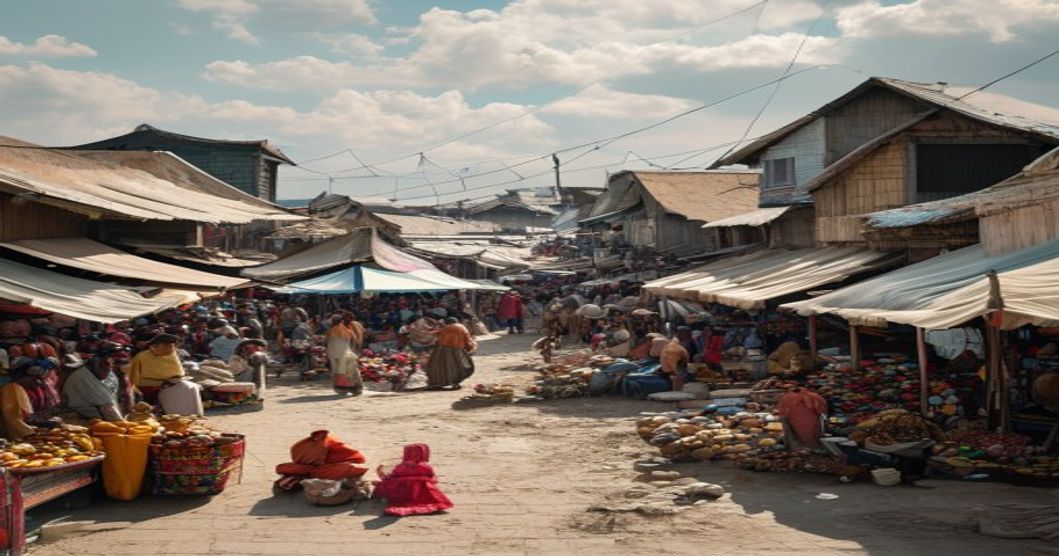
Markets functioned as the structural backbone of Sápmi long before paved roads or digital communication linked these regions. Seasonal trading fairs emerged at ecological crossroads where reindeer pastures met coastal fishing zones and southern agricultural belts. Communities spanning Finnmark, Troms, Nordland, and Lapland converged annually to exchange antler, tallow, wool, dried cod, salt, grain, and forged iron tools. These gatherings operated on precise lunar and solar calendars dictated by migration cycles and ice road conditions. The Kautokeino Fair, documented since the seventeenth century, served as a centralized negotiation ground where Northern Sami, Lule Sami, and South Sami groups balanced supply chains, resolved territorial disputes, and arranged kinship alliances. Rotating markets in Karasjok, Tana, and Enontekiö adapted dynamically to seasonal mobility, ensuring continuous resource flow across fragmented terrain.
Economic interdependence dictated survival in a subarctic environment. Coastal households supplied preserved fish and marine oils to inland pastoralists, while northern herders delivered hides, antler carvings, and dairy products for textiles and agricultural implements. Market squares became linguistic bridges, where dialectal variations merged into functional trade pidgins that sustained cross-regional communication. Itinerant merchants operated as information networks, transporting weather forecasts, political decrees, and technological innovations across hundreds of kilometers. When colonial administrations imposed licensing fees, restricted grazing corridors, or mandated state-controlled pricing, traditional fairs transformed into spaces of quiet economic sovereignty. Indigenous traders developed barter frameworks that bypassed official currency, preserving autonomy amid external pressure.
- Ecological Synchronization: Fair schedules aligned with reindeer calving seasons, fish spawning cycles, and autumn harvest windows to maximize resource availability.
- Linguistic Preservation: Dialect mixing in commercial settings accelerated vocabulary exchange, strengthening shared terminology for navigation, livestock management, and weather prediction.
- Dispute Mediation: Elders and experienced traders arbitrated boundary conflicts and inheritance claims, preventing localized tensions from escalating into regional instability.
The twentieth century disrupted these networks through border closures, motorized transport, and centralized retail systems. Yet the underlying architecture of cooperative exchange persists in modern Sami agricultural cooperatives, seasonal craft exhibitions, and digital marketplaces that replicate historical supply chains. Understanding these traditional commerce patterns reveals how ecological adaptation, linguistic flexibility, and decentralized governance sustained Sápmi communities across centuries.
Historical Trade Routes and Regional Exchange Networks
The geographic fragmentation of Sápmi—spanning coastal fjords, taiga forests, and alpine tundra—necessitated a highly adaptive network of trade corridors that linked indigenous producers to regional commercial hubs long before modern infrastructure existed. Early exchange relied on seasonal movement patterns, where reindeer herders followed established overland trails connecting interior pastures to lowland markets along the Tana, Vuotna, and Pechenga river systems. These waterways served as natural arteries for transporting furs, antler, and dried fish northward, while returning vessels carried grain, salted herring, iron tools, and coarse textiles from Norwegian, Swedish, and Finnish merchants. Trading occurred through a mix of direct barter at designated seasonal fairs and mediated exchanges via coastal entrepôts such as Tromsø, Kautokeino, and Enontekiö, where state-licensed traders operated under increasingly regulated taxation frameworks.
Commodity flows during the medieval and early modern periods were dominated by Arctic fox pelts, reindeer hides, and bone carvings, which commanded premium prices in urban centers across Scandinavia and the Baltic. The demand for these materials directly stimulated localized craft specialization and intensified seasonal migration cycles. Iron knives, axes, and cooking pots gradually replaced traditional stone and antler equivalents, altering hunting efficiency and domestic labor patterns. Simultaneously, imported staples like rye flour, tobacco, and black tea became embedded in subsistence strategies, creating dependency loops that tied Sami economic resilience to fluctuating European market prices.
- Overland corridors followed ridgelines and frozen river beds during winter months, enabling caravans of reindeer-drawn sleds to traverse hundreds of kilometers between interior gathering points and southern trading posts.
- Riverine networks facilitated spring and autumn transport, with flat-bottomed boats moving bulk goods past rapids and shallow tributaries that blocked maritime vessels from reaching inland waters.
- Coastal exchange nodes functioned as transshipment centers where indigenous producers met Scandinavian merchants, Russian Pomors, and Finnish intermediaries under seasonal trading licenses issued by regional authorities.
Cross-border commercial activity expanded significantly during the eighteenth and nineteenth centuries as state borders solidified and taxation systems formalized market participation. The Kildin Sami engaged in direct maritime trade with Russian Pomor settlements along the Murmansk coast, exchanging smoked fish and antler for grain and manufactured goods, while northern Norwegian-Sami merchants integrated into broader Scandinavian supply chains through Bergen and Trondheim port networks. These connections did not merely facilitate material exchange; they restructured social hierarchies, accelerated reindeer domestication models, and embedded Sámi economies within transregional commercial circuits that survived political fragmentation, currency shifts, and colonial land policies.
Seasonal Migration Patterns Shaping Commercial Activity
The commercial networks linking Sami communities were fundamentally synchronized with reindeer herding cycles, coastal fishing seasons, and inland hunting routes. These migratory rhythms dictated the timing, location, and volume of trade interactions across northern Fennoscandia.
- Spring Movements: As herds moved toward summer pastures, traders established temporary exchange points near river crossings and forest edges. Grain, iron tools, and textile goods flowed northward in return for cured reindeer meat, hides, and antler crafts.
- Autumn Gatherings: The autumn drive brought scattered family groups to centralized market towns. These periods triggered intense commercial activity, with merchants setting up seasonal stalls that operated exclusively during the two-to-three week window before snowfall sealed mountain passes.
Migratory corridors functioned as de facto trade routes. Merchants followed established reindeer pathways to minimize travel costs and maximize buyer access. Credit arrangements became standard practice, with southern grain dealers extending winter loans against summer deliveries of furs and dried fish. This seasonal debt cycle bound northern producers and southern distributors into long-term economic dependencies that outlasted individual migration years.
Market geography adapted directly to movement patterns. Permanent trading posts emerged only at convergence points where multiple migratory routes intersected. Locations like Karasjok, Kautokeino, and Kirkenes developed commercial infrastructure specifically because they sat on natural corridors used across generations. When migration paths shifted due to grazing pressure or policy restrictions, market viability fluctuated accordingly.
- Resource Specialization: Coastal Sami focused on salted fish and whale oil exchanges during winter months, while inland groups traded reindeer products during summer fairs. This division of labor created complementary supply chains rather than competing markets.
- Logistical Constraints: Heavy snowfall and thaw periods dictated strict trading windows. Merchants calculated inventory turnover around freeze dates, often storing grain in underground pits or wooden staves until ice roads permitted northbound transport.
Historical trade ledgers from the eighteenth century demonstrate that seasonal price fluctuations for iron nails and woolen cloth directly correlated with migration delays caused by early thaws or harsh winters. Traders who aligned their stockpiles with predictable movement calendars consistently maintained higher profit margins than those operating on fixed urban schedules.
Economic Mechanisms Driving Cross-Cultural Commerce
Traditional barter networks established the initial framework for commercial exchange between Sami pastoralists and southern agricultural settlements. Seasonal migration routes dictated transaction windows, synchronizing reindeer herding cycles with grain harvest periods to create predictable supply nodes. Traders utilized weighted scales calibrated for regional density standards, ensuring consistent measurement of hides, antlers, and dairy products across municipal boundaries. Trade credit arrangements between seasonal merchants and herding families reduced immediate liquidity constraints, allowing producers to defer settlement until market prices stabilized in southern distribution centers.
The monetization of these corridors required standardized valuation metrics that external merchants developed through repeated market interactions. Wool grading systems categorized fiber by staple length, lanolin content, and weather resistance, while duodji artisans faced strict aesthetic audits that determined wholesale pricing tiers. These quality control protocols eliminated information asymmetry, allowing remote producers to negotiate from a position of documented product specifications rather than subjective appraisal.
- Logistics Optimization: Multi-modal freight partnerships maintain temperature-controlled storage for perishable goods while coordinating cross-border documentation through automated customs clearance platforms. Shipping routes adapt to seasonal road conditions, utilizing ice roads during winter months and specialized barge networks along coastal fjords.
- Pricing Algorithms: Digital marketplaces deploy dynamic pricing models that factor in regional demand elasticity, currency conversion volatility, and historical sales velocity. Automated inventory forecasting aligns production schedules with peak purchasing seasons, reducing storage costs and preventing market saturation.
- Compliance Frameworks: Regional export incentives streamline VAT registration, product certification, and intellectual property documentation. Small-scale cooperatives utilize consolidated shipping aggregators to achieve volume discounts while maintaining individual brand visibility in international retail channels.
Contemporary trade infrastructure integrates blockchain verification systems to authenticate material origin and track supply chain milestones. This transparency requirement satisfies international traceability mandates while enabling premium positioning in global luxury segments. Digital escrow platforms mitigate transaction risks for high-value duodji commissions, releasing payments only upon confirmed delivery across municipal checkpoints. Payment gateways adapted for remote Arctic regions process multiple currencies with minimal conversion fees, ensuring capital retention within producer cooperatives. Supply chain finance instruments provide working capital loans backed by historical sales data, enabling inventory expansion during peak tourism seasons. These structural mechanisms sustain continuous commercial flow without compromising cultural production standards or ecological carrying capacity.
Core Commodities Traded Between Indigenous and Settled Populations
The exchange network between Sami pastoralists and agricultural settlers revolved around a tightly regulated flow of raw materials and manufactured goods. Reindeer-derived products formed the foundational layer of this trade. Processed hides, antler carvings, and rendered tallow moved steadily toward southern market centers, where they supplied leatherworkers, lamp manufacturers, and apothecaries. In return, settled communities provided iron implements that replaced bone tools in hunting and butchery, increasing efficiency across both groups. Salt, grain, and copper kettles functioned as high-demand staples, often exchanged at fixed ratios during seasonal fairs.
- Dried Arctic char and capelin supplied critical protein reserves for winter months, traded in bulk through established coastal depots.
- Juniper roots and birch bark served dual purposes as medicinal ingredients and packaging materials, commanding steady demand from herbalists and merchants.
- Pine timber and resin moved northward when settlers expanded logging operations, while reindeer meat and antler chips flowed south to support urban craft industries.
Market connectivity relied on predictable seasonal cycles. Winter expeditions followed frozen river corridors and established sled routes, allowing traders to transport heavy loads across snow-packed terrain. Spring thaw shifted activity to waterways, where flat-bottomed boats carried salted fish and dried pelts downstream to coastal trading posts. These natural transit windows dictated pricing structures and inventory turnover, creating a synchronized economic rhythm that bound inland and coastal communities together.
Credit mechanisms emerged early in this exchange system. Settled merchants extended grain and iron supplies during lean reindeer years, recording debts through ledger marks rather than currency. Repayment occurred during the next market season with hides, antler, or labor services. This barter-based credit network reduced reliance on coinage and maintained trade continuity even when monetary supply contracted. Weight standards evolved organically within these transactions, with merchants adopting local measures like the skippund for pelts and lispund for antler to streamline bulk exchanges.
Price fluctuations responded directly to environmental conditions and colonial policy shifts. Poor reindeer migrations triggered immediate spikes in salt and iron values, while successful hunting seasons depressed raw material prices but increased settlement access to premium hides. Merchants adjusted exchange ratios accordingly, maintaining margins while preserving long-term partnerships. The system required constant negotiation, mutual dependency, and adaptive logistics, establishing a resilient commercial framework that sustained cross-cultural economic integration across northern Europe.
Barter Systems, Weight Standards, and Early Currency Integration
The economic architecture of Sami communities historically operated through highly structured barter networks that bridged ecological zones and cultural boundaries. Reindeer pastoralism dictated seasonal migration patterns, which in turn shaped trading cycles. Communities systematically exchanged raw hides, antler carvings, dried reindeer meat, and skijord against iron nails, woolen textiles, barley, and salt imported from southern agrarian societies. This reciprocal exchange required rigorous measurement protocols to prevent value asymmetry across long-distance routes.
- Weight standardization emerged organically through practical calibration. Traders relied on fixed units such as the duodji measure, a standardized length of reindeer hide strip equivalent to approximately forty centimeters, and calibrated quantities of dried fish that served as baseline value indicators.
- Silver rings functioned simultaneously as personal adornment and quantifiable trade media. Their purity and diameter were consistently monitored by experienced merchants who verified authenticity through touch marks and comparative scaling against established reference weights.
- Cross-border market integration demanded alignment with neighboring Norwegian and Russian measurement systems. Sami traders adopted standardized scales that mirrored southern commercial practices, enabling frictionless valuation of indigenous products against imported commodities.
The transition from pure barter to early currency integration accelerated during the medieval period when silver coinage circulated through northern trade arteries. Market centers in Finnmark and Tromsø became critical junctions where traditional weight metrics intersected with minted denominations. Silver strips and fragmented coins replaced raw barter goods as primary settlement instruments for high-value transactions. This hybrid monetary framework allowed Sami communities to maintain pricing autonomy for pastoral outputs while participating in broader Scandinavian exchange networks.
Archaeological excavations at historic trading sites reveal consistent weight distributions that confirm standardized commercial practices. The systematic use of calibrated scales, documented merchant ledgers, and recurring commodity ratios demonstrate a sophisticated economic ecosystem. These mechanisms reduced transaction friction, stabilized seasonal supply fluctuations, and established durable market connections that linked dispersed Sami settlements to regional commercial hubs.
Social and Cultural Transformations Through Market Interaction
Historical Economic Integration and Livelihood Shifts Market interaction historically shifted Sami livelihoods from purely subsistence reindeer herding, coastal fishing, and hunting to structured commercial exchange networks spanning Nordic regions. This economic integration introduced foreign materials, metal tools, and agricultural techniques, which gradually altered traditional settlement patterns and seasonal migration routes. During the eighteenth and nineteenth centuries, state-imposed taxation policies forced many Sami households into wage labor at coastal trading stations, permanently altering gender roles within pastoral economies. Women increasingly managed household finances and craft production while men engaged in long-distance reindeer driving, creating new domestic power dynamics that persisted through subsequent generations.
Social Stratification and Cultural Adaptation Mechanisms Social hierarchies evolved as specific families or clans secured monopolies over trade corridors
Linguistic Exchange and Shared Rituals at Annual Trade Fairs
Annual Sami trade fairs, historically designated as marts, operated as strategic convergence points where reindeer herders, coastal fishers, and inland hunters negotiated across vast Arctic territories. These gatherings functioned as multilingual laboratories, requiring participants to master rapid code-switching between Northern Sami, Lule Sami, South Sami, Norwegian, Swedish, Finnish, Russian, and later English. Traders developed specialized lexical networks focusing on reindeer husbandry, sled mechanics, textile grading, and meteorological indicators. Numerical dialects emerged to standardize barter ratios, while phonetic simplification facilitated clear communication during high-volume transactions. Merchants relied on shared terminology for animal branding patterns, rope braiding techniques, and ice thickness assessment, creating a functional lingua franca that minimized misinterpretation in critical supply chains.
Commercial activity was structurally embedded within cyclical rituals that synchronized disparate ecological zones. Opening protocols consistently involved joik performances, drum divination sequences, and ceremonial deposits at water sources to appease Njáhkka and secure safe travel corridors. Shared consumption of smoked reindeer venison, cloudberry compotes, and fermented whey established reciprocal trust before negotiation commenced. Seasonal closing ceremonies marked the return to winter pastures, accompanied by oral transmission of migration maps, hunting quotas, and resource conservation principles. These ritual frameworks transformed market interactions into mechanisms of territorial coordination, enabling communities to align reindeer movements, resolve grazing disputes, and maintain kinship obligations across fragmented landscapes.
- Linguistic Adaptation: Traders synthesized grammatical structures from neighboring languages, creating pragmatic trade registers optimized for efficiency rather than poetic expression.
- Ritual Synchronization: Ceremonial calendars dictated market timing, ensuring participants arrived during optimal weather windows and resource availability.
- Economic Reciprocity: Barter systems operated on debt-credit relationships spanning generations, with ritual feasting reinforcing long-term commercial alliances.
The institutional memory of these fairs preserved technical knowledge that would otherwise fragment across isolated settlements. Artisans exchanged weaving patterns, snowshoe designs, and traditional curing methods alongside reindeer hides and antler tools. Market networks functioned as decentralized information systems, distributing ecological data, weather forecasting techniques, and historical land-use records. Commercial hubs thus operated as cultural infrastructure, maintaining linguistic continuity and ritual cohesion while adapting to shifting political borders and economic pressures.
Adoption of Foreign Tools and Materials in Sami Material Culture
Integration of foreign tools and materials into Sami material culture developed through sustained cross-border trade networks, missionary provisioning, and state-regulated market access spanning the 16th to 19th centuries. Scandinavian, Finnish, and Russian merchants consistently supplied iron nails, steel blades, copper wire, glass beads, and woven textiles in exchange for reindeer hides, antler carvings, and dried marine products. This commercial exchange introduced high-yield materials that rapidly supplemented indigenous crafting systems without displacing foundational knowledge.
Iron and steel fundamentally transformed functional toolkits due to superior tensile strength and sharpening retention. Steel-edged axes replaced wooden and bone implements in woodworking, enabling precise construction of fishing traps, sled runners, and seasonal dwelling frames. Steel knives became standard for hide scraping, meat processing, and antler carving, while imported needles and awls accelerated garment production cycles. Copper wire and European glass beads integrated into traditional jewelry frameworks, altering decorative density but preserving regional symbolic coding. Sami craftsmen actively modified foreign items through local heat treatment, handle carving, and sinew binding, ensuring compatibility with reindeer husbandry rhythms and Arctic conditions.
- Textile Substitution: Market-woven cotton and wool replaced exclusive reliance on furs in certain coastal and lowland zones, reducing garment weight during summer migration while maintaining ancestral cut structures like the gákti silhouette.
- Fishing & Hunting Gear: Imported iron hooks, net sinkers, and spring-trap mechanisms were reinforced with local birchwood and reindeer sinew, increasing catch rates without disrupting established harvest protocols.
- Craft Workflow Optimization: Standardized foreign fasteners and cutting tools reduced production time for daily implements, allowing artisans to allocate labor toward ceremonial objects and seasonal storage containers.
Stratified archaeological assemblages across Finnmark, Torne Valley, and the Kola Peninsula consistently document co-occurrence of indigenous bone tools alongside 18th-century European metal fragments, confirming parallel usage rather than immediate replacement. Historical trade ledgers and mission station inventories reveal deliberate negotiation of material terms, with Sami communities prioritizing durability and repairability over aesthetic novelty. This selective integration illustrates a highly calibrated adaptive strategy that leveraged external resources to sustain traditional ecological practices while maintaining cultural continuity.
Royal Charters, Municipal Market Privileges, and Legal Boundaries
Royal charters issued by Scandinavian monarchs during the medieval and early modern periods functioned as the primary legal instruments that formalized market operations across northern territories where Sami populations resided. These documents explicitly delineated trading rights, established toll structures, and granted municipal authorities exclusive jurisdiction over designated exchange zones. Crown-appointed officials utilized these charters to extend royal revenue streams while simultaneously attempting to regulate cross-border commerce with indigenous groups who traditionally operated outside urban legal frameworks.
- Municipal privileges dictated precise weight standards, currency acceptance, and guild membership requirements that often excluded seasonal traders.
- Legal boundaries frequently restricted Sami participation to specific fair dates or designated perimeter zones beyond town walls.
- Crown charters occasionally granted temporary exemptions for reindeer hides, antler goods, and dried fish in exchange for annual tribute payments.
The intersection of municipal market law and indigenous economic practices created a complex regulatory landscape. Town magistrates enforced strict residency requirements for permanent merchants, yet royal dispensations permitted Sami traders to operate under temporary licenses during autumn and spring migrations. These legal accommodations established predictable commercial corridors that linked scattered reindeer herding territories with coastal port towns. Toll collectors recorded transaction volumes at municipal checkpoints, generating archival data that later historians would use to trace trade networks extending hundreds of kilometers across fjord landscapes.
Jurisdictional conflicts frequently emerged when municipal ordinances clashed with customary land rights. Royal courts intervened to resolve disputes over grazing access near market roads, ultimately reinforcing crown authority while gradually legitimizing Sami commercial routes as recognized economic arteries. The legal frameworks that initially sought to contain indigenous mobility instead generated structured exchange points where language translation, barter negotiation, and seasonal labor contracts became standardized practices.
Archival records from municipal courts reveal how toll exemptions, weight certification procedures, and seasonal fair permits operated as practical mechanisms of integration. These administrative tools reduced transaction costs for remote producers while maintaining municipal revenue streams. The resulting commercial infrastructure established enduring trade relationships that survived political boundary shifts and later colonial economic policies.
Taxation Regimes, Trade Restrictions, and Economic Autonomy Shifts
The intersection of state taxation policies and traditional Sami livelihoods fundamentally altered how indigenous markets operated across Sápmi. Colonial administrations in Norway, Sweden, and Finland implemented fiscal systems that prioritized state revenue over subsistence economies. Reindeer herders faced progressive tax brackets based on herd size, effectively penalizing the very practice that sustained cultural continuity. These levies forced communities to convert surplus animals into cash, embedding them into regional commodity chains long before modern infrastructure reached the north.
Trade restrictions further fractured historic exchange networks. The late nineteenth and twentieth centuries witnessed rigid border controls, licensing quotas for reindeer movement, and state monopolies on essential goods like salt and iron. Cross-border trade, once fluid across what are now national boundaries, required expensive permits and faced severe penalties for unauthorized exchange. Fishing cooperatives and small-scale merchants operated under strict catch limits and marketing regulations that favored urban intermediaries, reducing direct market access for remote Sami settlements.
- Fiscal pressure mechanisms compelled herders to liquidate assets during seasonal price dips, destabilizing household economies.
- Licensing frameworks centralized control over reindeer movement and resource extraction under state agencies rather than traditional governance structures.
- Border fortification policies disrupted seasonal migration routes that historically aligned with commercial trade corridors.
Economic autonomy shifted gradually from self-determined exchange to regulated market participation. State subsidies, introduced in the mid-twentieth century, replaced direct taxation for many communities but introduced conditional compliance requirements. Modern Sami enterprises navigate complex certification systems, EU cross-border trade agreements, and digital marketplaces that simultaneously expand reach and intensify regulatory scrutiny. The transition from isolated barter networks to integrated commodity markets created vulnerability to external price shocks while enabling new revenue streams through cultural branding and direct-to-consumer sales channels.
Contemporary economic strategies reflect this historical trajectory. Cooperatives now negotiate bulk processing contracts, utilize traceability protocols for reindeer meat exports, and leverage digital platforms to bypass traditional wholesale gatekeepers. State oversight remains embedded in subsidy disbursement and environmental compliance mandates, yet market connectivity has undeniably restructured how Sami communities measure financial resilience against external economic cycles.
Contemporary Revival and Global Distribution of Sami Market Traditions
The resurgence of Sami market traditions represents a deliberate cultural recalibration following decades of assimilation policies that suppressed indigenous commerce. Contemporary artisans are reclaiming traditional craft techniques while adapting to modern economic frameworks. This revival operates through structured cooperatives in Norway, Sweden, and Finland, where guilds standardize production quality and establish ethical pricing models. Digital infrastructure has accelerated this transformation. Online marketplaces now connect Sami jewelry makers in Tromsø with collectors in Tokyo, while virtual exhibitions replace traditional winter fairs that were once limited by harsh Arctic conditions. Social media algorithms favor visually distinct cultural motifs, allowing creators to bypass geographic isolation and build direct consumer relationships without intermediary retailers.
Institutional frameworks reinforce this expansion. The Sámi Parliament funds heritage grants specifically targeting craft revival programs, ensuring raw materials like reindeer antler and traditional wool remain accessible. Cross-border trade agreements within the Nordic region facilitate tax-efficient movement of handcrafted goods, while international design weeks in Milan and Copenhagen have integrated Sami duodji into contemporary fashion discourse. Certification systems now verify authenticity, protecting against mass-produced replicas that dilute cultural value.
- Digital commerce platforms specializing in indigenous artistry
- Government-backed export initiatives targeting ethical luxury markets
- Academic partnerships documenting traditional dyeing and carving methodologies
- Sustainable tourism corridors that integrate live craft demonstrations with retail access
- Intellectual property frameworks safeguarding distinct Sámi patterns from commercial misuse
Economic sustainability remains contingent on balancing visibility with cultural integrity. Artisans increasingly employ blockchain verification for provenance tracking, while climate shifts threaten reindeer herding cycles essential for raw material supply. Market expansion requires continuous adaptation to regulatory standards across EU and North American jurisdictions, demanding both craft mastery and strategic business literacy. Logistics networks now utilize temperature-controlled shipping for delicate organic materials, and digital payment gateways enable instant cross-border transactions. The trajectory of Sami market traditions demonstrates how indigenous economic practices can scale globally without sacrificing ancestral methodology
Modern Sámi Trade Fairs Preserving Historical Commercial Practices
Modern Sámi trade fairs operate as dynamic economic hubs that directly interface with centuries-old merchant networks across Fennoscandia. These events function as living archives of commercial methodology, where transactional frameworks established during medieval reindeer migration routes remain structurally intact. Vendors utilize pricing models rooted in traditional valuation systems, assessing duodji craftsmanship through fiber density, tool sharpness retention, and ancestral motif accuracy rather than mass-production metrics. The spatial arrangement of market stalls deliberately mirrors historical nomadic camp layouts, facilitating face-to-face negotiation techniques that prioritize relationship continuity over immediate profit maximization.
Contemporary participants actively integrate digital inventory tracking alongside physical ledger maintenance, ensuring that transactional data supports both seasonal demand forecasting and long-term cultural sustainability. Reindeer antler carving, wool dyeing with lichen-based pigments, and traditional lasso construction dominate vendor displays, each requiring multi-generational skill transmission. Trade fairs implement strict provenance verification protocols to prevent cultural appropriation while maintaining authentic commercial circulation. Buyers engage in barter-adjacent exchange systems that acknowledge labor hours, material scarcity, and ecological impact assessments before finalizing purchases.
- Logistical Framework: Mobile vendor units follow established seasonal migration corridors, synchronizing exhibition schedules with reindeer calving cycles and winter solstice trading windows.
- Quality Control Mechanisms: Independent master artisans conduct material stress testing on textiles and bone tools using historical load-bearing standards before items enter commercial circulation.
- Financial Architecture: Transaction records utilize dual-currency tracking, combining modern digital payments with traditional value tokens that reflect resource extraction costs and craft complexity.
These gatherings sustain regional supply chains by connecting remote herding communities directly with urban collectors, eliminating intermediate distributors who historically diluted profit margins. Educational workshops embedded within market territories teach historical weighing standards, seasonal pricing fluctuations, and traditional contract oralization methods that governed pre-industrial commerce. Digital photography documentation of each transaction creates verifiable commercial records, enabling historians to track material flow patterns across Arctic trade corridors. Local municipalities provide subsidized vendor pavilions alongside standardized grading stations where master craftsmen validate artisanal output against historical benchmarks. The economic infrastructure surrounding these events operates as a self-regulating ecosystem where commercial viability directly funds language revitalization programs and traditional tool manufacturing workshops.
E-Commerce Platforms and International Demand for Authentic Sami Crafts
The digital marketplace has fundamentally altered how traditional Sami artisans reach global consumers. Platforms like Etsy, Shopify, and specialized Indigenous trade networks provide direct channels that bypass traditional wholesale intermediaries. These tools allow makers in Finnmark, Troms, and Sápmi to list handcrafted duodji items, including reindeer leather goods, silver jewelry with traditional motifs, and woven textiles, directly to buyers across Europe, North America, and Asia.
- Platform Architecture: Digital storefronts utilize structured product data, multilingual descriptions, and high-resolution imagery demonstrating tool marks and natural dye processes. Search algorithms prioritize pages with verified seller credentials and transparent supply chain documentation.
Authenticity verification remains the primary filter for international purchasers. Buyers demand proof of cultural lineage, prompting sellers to integrate artisan certificates and community endorsement statements into checkout flows. E-commerce infrastructure adapts through localized payment gateways, carbon-neutral shipping partnerships, and inventory systems compatible with seasonal production cycles. Cross-border logistics networks now accommodate fragile materials through reinforced packaging standards and temperature-controlled transit options tailored for Arctic goods.
Frequently Asked Questions
What is How Markets Connected Sami Communities?
How Markets Connected Sami Communities explores the historical trade networks and economic exchanges that linked indigenous Sámi groups across Northern Europe, highlighting how local markets fostered cultural interaction, resource sharing, and social cohesion among dispersed communities.
Key facts about How Markets Connected Sami Communities
Key facts include the reliance on reindeer herding, fur, and marine resources in traditional Sámi trade; the role of seasonal fairs in Norway, Sweden, Finland, and Russia; the impact of colonial border policies on market access; and how these historical connections continue to influence contemporary Sámi economic and cultural resilience.