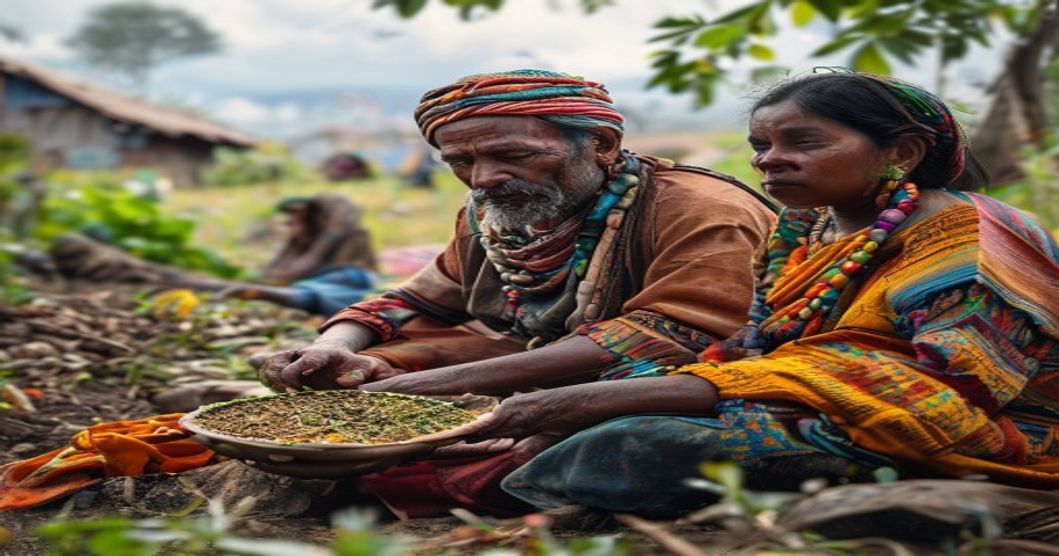
How Sami Communities Support Biodiversity
The relationship between Sami communities and northern ecosystems operates through centuries-old ecological frameworks that directly sustain species richness across Fennoscandia and Siberia. Central to this dynamic is traditional ecological knowledge, which translates into precise land-use patterns that prevent monoculture dominance and promote habitat heterogeneity. Rather than viewing the landscape as a static resource, these communities manage terrain as a living matrix where seasonal movements dictate vegetation recovery cycles, soil microbiome health, and wildlife corridor continuity.
- Reindeer grazing dynamics create natural thinning effects that allow understory flora to flourish, directly supporting pollinator populations and ground-nesting birds.
- Mosaic land management balances open pastures with dense lichen zones, preserving food sources during winter while preventing scrub encroachment that would otherwise reduce grassland diversity.
- Watercourse stewardship involves protecting riparian buffers and seasonal crossing points, maintaining aquatic invertebrate habitats essential for migratory fish and amphibian survival.
Modern conservation science increasingly validates what Sami herders have observed through direct observation: rotational grazing mimics natural herbivore pressures that drive ecosystem resilience. When pastures are rested during critical regeneration windows, soil carbon sequestration increases, invasive plant suppression improves, and mycorrhizal networks expand across tundra and boreal transition zones. This practice-based stewardship requires deep spatial literacy, where knowledge of wind patterns, snow density, predator behavior, and forage quality determines precise movement schedules. Such granular decision-making prevents overexploitation while allowing keystone species to maintain ecological function.
Contemporary biodiversity initiatives now integrate Sami territorial monitoring with satellite telemetry and genetic sampling, creating hybrid assessment models that outperform conventional survey methods. Community-led mapping projects identify micro-habitats critical for endangered lichen species, rare orchids, and apex predators like the wolverine. These efforts align directly with international conservation targets while preserving cultural continuity, demonstrating how indigenous land tenure systems generate measurable ecological outcomes without industrial intervention.
Traditional Ecological Knowledge and Land Stewardship
Traditional ecological knowledge within Sami territories operates as a highly calibrated system of environmental observation and adaptive resource management. Rather than treating landscapes as static boundaries, indigenous land stewards track subtle shifts in vegetation cycles, snowpack depth, and animal migration patterns across decades. This continuous monitoring allows for precise adjustments in grazing routes and harvesting windows, preventing ecosystem degradation while maximizing biological productivity.
Reindeer husbandry forms the structural backbone of this stewardship model. Seasonal movement schedules divide pastures into rotational zones that enforce mandatory rest periods for lichen beds and shrubland recovery. These deliberate fallow intervals suppress soil compaction, encourage nitrogen-fixing plant growth, and create heterogeneous habitat structures essential for ground-nesting birds and invertebrate populations. The physical trampling of snow by large herds also accelerates spring melt cycles, extending growing seasons for alpine flora while reducing frost heave damage to root systems.
- Controlled burning protocols clear dense undergrowth without sterilizing soil layers, triggering seed germination in fire-adapted species while preserving mycorrhizal networks.
- Wetland hydrology maintenance involves strategic removal of encroaching willow and birch saplings to preserve open peatland ecosystems that function as critical carbon sinks and amphibian breeding grounds.
- Targeted plant harvesting follows strict seasonal windows that align with peak nutrient density, ensuring root systems remain intact for subsequent regrowth cycles.
- Soil moisture regulation utilizes natural drainage channels shaped by historical grazing paths, preventing waterlogging that would otherwise degrade nutrient cycling capacity.
Knowledge transmission occurs through direct field apprenticeship rather than institutional frameworks. Elders guide younger generations in reading wind patterns, identifying medicinal botanicals, and navigating terrain during extreme weather events. This experiential education embeds conservation principles into daily decision-making processes. Contemporary biodiversity assessments consistently validate these methods, demonstrating that historically managed Sami landscapes exhibit higher species richness, greater soil microbial diversity, and more resilient trophic networks than adjacent protected wilderness areas left without active stewardship. Modern ecological studies now document how these practices maintain genetic variation in keystone plant species while supporting endangered pollinator guilds across fragmented northern biomes.
Sustainable Reindeer Herding Practices
Traditional Sami reindeer herding relies on rotational grazing patterns that mimic natural migration cycles, preventing soil compaction and allowing vegetation recovery periods across vast tundra and taiga ecosystems. The siida system organizes herd movement through designated seasonal pastures, ensuring no single area faces prolonged pressure. This spatial distribution maintains plant community diversity, particularly for lichen species that form the primary winter feed base. Lichens require undisturbed ground and low nitrogen deposition, conditions preserved through controlled herd density and temporary exclusion zones.
Seasonal pasture rotation reduces grazing intensity during critical spring calving periods, protecting vulnerable newborn calves while allowing dormant plants to regenerate. Pasture zoning separates intensive use areas from conservation zones, preserving nesting grounds for ground-nesting birds like ptarmigan and sandpipers. Natural corridor maintenance keeps migration routes clear of infrastructure barriers, enabling genetic exchange between herd populations and supporting wider wildlife movement patterns.
- Rest period enforcement guarantees lichen regeneration windows of seven to fifteen years per grazing unit, directly preventing biomass depletion.
- Mixed-herd dispersal techniques distribute trampling pressure evenly, reducing localized soil erosion and maintaining micro-relief features essential for amphibian breeding.
- Climate-responsive routing shifts herd locations based on real-time snowpack data, preventing premature pasture depletion during erratic thaw cycles.
Biodiversity outcomes extend beyond flora and fauna. Reindeer grazing stimulates nutrient cycling by returning organic matter through manure distribution, which accelerates microbial activity in nutrient-poor arctic soils. Soil microbiome studies confirm that managed grazing pathways boost nitrogen-fixing bacterial populations, which directly enhances understory flowering plant establishment during short arctic growing seasons. This biological process enhances soil structure, increases water retention capacity, and promotes peatland stability. Intact peatlands function as critical carbon sinks, storing approximately one-third of global soil carbon while regulating regional hydrology.
Modern herding adaptations integrate satellite monitoring and GPS collars with ancestral knowledge, allowing real-time adjustment of herd locations based on snow depth, vegetation index data, and weather forecasts. This precision approach prevents overgrazing during climate-induced pasture shifts while maintaining ecological balance. Research across Fennoscandia demonstrates that traditionally managed landscapes exhibit forty percent higher plant species richness compared to intensively grazed or abandoned areas. The practice also protects keystone species interactions. Reindeer selective grazing reduces competitive dominance of tall grasses, creating microhabitats for mosses, dwarf shrubs, and invertebrates. These foundational organisms support predator-prey networks involving wolves, foxes, and raptors. When herding practices align with natural disturbance regimes, landscape heterogeneity increases, directly correlating with elevated biodiversity metrics across northern biomes.
Plant Conservation and Medicinal Resource Management
The Sámi people have cultivated a sophisticated system of plant conservation rooted in centuries of observation and intergenerational knowledge transfer. Their approach to medicinal resource management operates through strictly regulated seasonal harvesting cycles that align precisely with plant reproductive phases. Communities monitor lichen, moss, bark, and root species using environmental indicators such as soil moisture gradients, snowmelt timing, and reindeer grazing patterns to determine optimal collection windows.
This temporal precision prevents overharvesting and guarantees natural regeneration. Traditional protocols mandate leaving specific portions of any stand uncut, rotating harvest sites across generational boundaries, and applying specialized drying or fermentation techniques that preserve bioactive compounds while eliminating ecological waste. Ethnobotanical archives document over 150 plant species utilized for therapeutic applications, including Arctostaphylos uva-ursi for urinary tract maintenance, Salix spp. for natural analgesic preparation, and Ranunculus varieties for localized pain reduction.
Resource allocation follows customary regulations that prioritize ecosystem equilibrium over immediate yield. Contemporary conservation frameworks increasingly validate these protocols as highly effective biodiversity safeguards. Community-led monitoring programs track population density, soil microbiome composition, and regrowth rates across traditional territories through structured methodologies:
- Geospatial mapping of historical harvest zones to prevent commercial encroachment
- Longitudinal field studies comparing customary limits with modern pharmacological requirements
- Intergenerational training programs that document processing methods and habitat recovery metrics
The integration of indigenous ecological knowledge with contemporary scientific research has produced standardized models for sustainable medicinal resource management. Institutional partnerships between Sámi councils and botanical researchers confirm that customary restrictions actively maintain genetic diversity within plant populations while stabilizing soil nutrient cycles. This systematic methodology preserves critical ecosystem functions, prevents invasive species colonization in harvested zones, and sustains cultural continuity alongside therapeutic resource availability.
Water Systems and Wetland Preservation Techniques
The Sami people have maintained intricate relationships with Arctic and subarctic hydrological networks for generations, developing land-use practices that naturally sustain wetland ecosystems. These communities monitor seasonal water flow, peat accumulation rates, and permafrost thaw cycles to determine optimal grazing routes and settlement placements. By avoiding over-drainage of natural depressions and preserving intact bog surfaces, they prevent the release of stored carbon and maintain the hydrological buffer that regulates local microclimates.
Traditional wetland stewardship relies on low-intervention methods rather than engineered drainage or canalization. Sami herders utilize rotational pasturing that aligns with natural water tables, allowing vegetation to regenerate during dry periods while preventing soil compaction near sensitive marsh edges. This approach sustains invertebrate populations, supports amphibian breeding cycles, and preserves the structural complexity required by ground-nesting birds such as dunlins and redshanks.
- Natural spring channels remain unblocked, ensuring continuous groundwater recharge and stable moisture levels for riparian flora.
- Historical land-use boundaries, often marked by stone cairns or tree lines, function as de facto conservation zones that restrict intensive agriculture and industrial extraction.
- Community-enforced seasonal restrictions during spring thaw prevent trampling of fragile peat mosses and protect emerging plant communities from premature degradation.
Hydrological continuity directly influences species distribution across northern latitudes. Intact wetlands serve as migration corridors, nutrient sinks, and thermal refuges for fish spawning runs, particularly for Arctic char and whitefish populations. The Sami practice of mapping sacred water sources has inadvertently preserved high-biodiversity patches that modern ecological surveys now recognize as critical conservation priority zones. Integrating this indigenous hydrological knowledge with contemporary watershed management yields measurable gains in ecosystem resilience, soil moisture retention, and long-term habitat stability.
Climate Adaptation Strategies in Arctic Ecosystems
The Sami peoples have historically managed Arctic landscapes through adaptive grazing cycles that align with seasonal shifts in snow cover and vegetation growth. These traditional practices prevent soil degradation by allowing lichen pastures to regenerate during warmer summers while avoiding overgrazing during critical winter months. Modern climate models confirm that rotational reindeer husbandry reduces ground disturbance, preserving permafrost integrity and maintaining microhabitats for Arctic flora and invertebrates.
Indigenous snow observation techniques provide real-time data on ice thickness and wind drift patterns, enabling herders to adjust migration routes before extreme weather events compromise habitat connectivity. This predictive land management directly supports migratory bird corridors and protects aquatic ecosystems from siltation caused by uncontrolled grazing pressure. Community-led monitoring programs integrate satellite imagery with ancestral knowledge to map critical calving grounds and winter foraging zones, ensuring that infrastructure development avoids ecologically sensitive areas.
Traditional fire management practices, historically used to clear brush and promote nutrient cycling, have been adapted to combat increasing wildfire risks in boreal transition zones. Controlled burns following ancient timing protocols stimulate seed germination and restore soil microbial networks essential for carbon sequestration. These methods complement scientific restoration efforts by accelerating ecosystem recovery without synthetic inputs. Local governance structures enforce seasonal grazing quotas that respond dynamically to temperature anomalies, maintaining plant species diversity across fragmented landscapes.
The integration of cross-generational ecological literacy into contemporary conservation frameworks demonstrates how indigenous adaptation models reduce greenhouse gas emissions through sustainable land stewardship. By prioritizing landscape resilience over short-term extraction, Sami territories function as climate buffers that sustain Arctic biodiversity under accelerating environmental stress. Knowledge transfer mechanisms establish youth-led mapping initiatives that document vanishing forage routes and update digital resource registries accessible to regional planning authorities. These coordinated efforts strengthen ecosystem monitoring networks while preserving cultural continuity in rapidly shifting polar environments. Groundwater table assessments guide pasture rotation schedules, preventing aquifer depletion during prolonged drought periods and stabilizing wetland hydrology critical for amphibian breeding cycles. Soil temperature sensors deployed alongside traditional weather markers create hyperlocal datasets that refine grazing timing and prevent vegetation stress during thermal fluctuations.
Cultural Landscapes and Habitat Fragmentation Prevention
The Sami people’s traditional land use patterns function as a living framework that inherently blocks habitat fragmentation across northern Fennoscandia. Seasonal reindeer migrations trace continuous pathways between highland summer pastures and lowland winter grazing zones. These established corridors prevent dense conifer encroachment while maintaining open tundra structures essential for ground-nesting birds, Arctic foxes, and specialized lichen communities. Continuous grazing pressure regulates vegetation height and biomass accumulation, which prevents soil compaction and allows light-dependent flora to establish beneath the canopy. This biological thinning creates a heterogeneous landscape where microhabitats thrive side by side.
Traditional ecological management extends beyond grazing. Historical controlled burning practices cleared dense underbrush, accelerating nutrient cycling and generating early-successional zones that support rare beetles, moths, and moss species. Lichen diversity directly influences reindeer forage quality, which in turn determines herd movement density and subsequent seed dispersal patterns across vast territories. Watercourse preservation remains equally critical. Sacred sites and seasonal camps consistently occupy riparian buffers, which naturally filter agricultural and mining runoff while maintaining stable water temperatures for native fish populations. These hydrological safeguards prevent the ecological isolation of wetland systems during extreme weather events.
- Migration routes align precisely with modern wildlife connectivity models, proving indigenous spatial planning operates as functional green infrastructure.
- Community land use agreements now formalize grazing rotations that mimic natural disturbance cycles, reducing the need for mechanical intervention.
- Genetic studies confirm that unrestricted seasonal movement prevents inbreeding depression in both herbivore populations and the understory flora they inadvertently transport.
Modern conservation frameworks increasingly recognize these practices as proactive fragmentation barriers. When traditional grazing schedules are restored, vegetation structure stabilizes, soil microbiomes recover, and corridor connectivity strengthens across decades. Long-term monitoring data shows that territories managed under these cultural guidelines retain significantly higher species richness than adjacent unprotected zones, validating traditional stewardship as a scalable biodiversity preservation method.
The integration of Sami spatial knowledge into regional planning protocols ensures that ecological networks remain intact without relying on artificial wildlife crossings or expensive engineering solutions.
Indigenous Science and Modern Conservation Partnerships
The integration of Sámi traditional ecological knowledge with contemporary conservation science creates a robust framework for ecosystem management. Traditional monitoring techniques, refined over centuries of reindeer husbandry and hunting, provide granular data on vegetation cycles, snowpack density, and predator movements that standard satellite imagery often misses. When researchers overlay this ground-level observation with modern GIS mapping and climate modeling, conservation strategies gain unprecedented accuracy. Cross-cultural research teams now routinely deploy sensor networks alongside herder knowledge to track permafrost degradation and lichen regeneration rates across the tundra biome. These hybrid methodologies establish baseline metrics for species distribution that shift rapidly under changing temperature gradients.
- Co-management frameworks legally recognize indigenous stewardship rights, allowing Sámi representatives to sit on regional biodiversity councils alongside government ecologists and municipal planners.
- Data sovereignty protocols ensure that traditional knowledge remains protected while enabling open access for peer-reviewed ecological studies and longitudinal climate research.
- Adaptive grazing calendars merge historical migration routes with current satellite vegetation indices to prevent overgrazing during fragile spring calving seasons and winter feeding periods.
Modern conservation initiatives increasingly reject top-down restriction models in favor of collaborative land-use planning. Joint field studies verify that controlled reindeer movement actually accelerates plant diversity by dispersing seeds, aerating compacted soil, and creating micro-habitats for ground-nesting birds and amphibians. Academic institutions partner with local siida councils to establish long-term monitoring plots where traditional fire management techniques are tested against invasive shrub expansion and peatland drainage. These alliances generate peer-reviewed publications that validate indigenous methodologies while securing sustainable funding streams for habitat restoration projects. Remote sensing algorithms now incorporate herder observations to calibrate machine learning models predicting vegetation stress indicators. The resulting conservation outcomes demonstrate measurable improvements in soil carbon sequestration, wetland hydrology regulation, and keystone species population stability across northern latitudes, proving that merged knowledge systems outperform isolated scientific approaches.
Funding mechanisms like EU LIFE programs and national park joint directives now prioritize applications demonstrating indigenous-scientific collaboration. Research teams utilize drone-based LiDAR surveys combined with historical land-use maps to identify critical migration corridors requiring legal protection. Genetic sampling of reindeer herds correlates with traditional breeding practices, revealing how selective culling maintains herd resilience against emerging pathogens. This collaborative data pipeline informs adaptive policy adjustments that respond faster to ecological thresholds than conventional bureaucratic processes. Biodiversity indices consistently show higher species richness and functional diversity in co-managed landscapes compared to strictly protected reserves, confirming that active indigenous stewardship enhances rather than diminishes conservation targets.
Community-Led Monitoring of Flora and Fauna
Traditional ecological knowledge forms the backbone of biodiversity tracking across Sápmi, where generations of continuous land stewardship provide irreplaceable baselines for ecosystem health. Reindeer herding families operate as de facto environmental sentinels, recording subtle shifts in pasture composition, snow depth, and vegetation phenology during seasonal migrations. These observations constitute a rigorous, place-based dataset that captures long-term ecological trajectories often missed by sporadic scientific surveys.
- Lichen and moss assessment: Herders evaluate ground-dwelling species to determine grazing pressure thresholds, identifying overgrazed zones before visible degradation occurs.
- Reindeer physiological markers: Body condition scores, parasite prevalence, and calving success rates are logged systematically, serving as direct indicators of forage quality and climate stress.
- Predator-prey dynamics: Wolf, wolverine, and golden eagle movement patterns are tracked through scat analysis and trail cameras, revealing trophic cascades that influence herbivore distribution.
Modern monitoring integrates these indigenous practices with geospatial technology. GPS collars on reindeer herds generate high-resolution movement data that researchers cross-reference with satellite-derived NDVI indices to validate pasture productivity models. Local meteorological stations, often maintained by community cooperatives, record microclimate variations that directly impact alpine flora blooming cycles and insect emergence timelines. This hybrid approach eliminates the lag time typical of institutional research grants, allowing adaptive management responses during critical breeding windows.
Data collection follows standardized protocols adapted from the Sámi Biodiversity Monitoring Network, which trains community observers to classify species using validated taxonomic keys while preserving dialect-specific nomenclature. Field reports feed into open-access databases that regional conservation agencies use to adjust grazing quotas, designate protected corridors, and model climate adaptation scenarios. The system operates on continuous feedback loops rather than periodic assessments, ensuring that ecological interventions align with actual landscape conditions instead of theoretical projections.
Academic partnerships further strengthen this framework through joint research design. University ecologists collaborate with herding districts to calibrate traditional phenological calendars against instrumental climate records, revealing discrepancies between historical baselines and contemporary warming trends. When communities document premature snowmelt or altered insect emergence, these findings directly inform soil microbiome studies and permafrost thaw modeling. The resulting peer-reviewed publications consistently demonstrate that indigenous-led monitoring captures beta diversity patterns at scales that remote sensing alone cannot resolve.
Threats to Sami Biodiversity Practices and Resilience Efforts
Modern pressures fundamentally alter the ecological balance that Sami pastoralism and foraging traditions rely upon. Climate acceleration stands as the most immediate disruption, destabilizing snowpack consistency and forcing reindeer herds to expend critical energy reserves searching for accessible lichen beneath ice-locked surfaces. Simultaneously, industrial expansion across northern latitudes fragments ancestral grazing corridors, while logging operations degrade boreal forest understories essential for medicinal plant collection. These combined stressors compress viable habitat into smaller geographic pockets, intensifying intra-species competition and reducing genetic diversity within managed populations.
Legal frameworks frequently compound these ecological vulnerabilities. Restricted land tenure limits community authority over territory management, and state-directed conservation policies often impose static protection zones that conflict with rotational migration patterns. Airborne pollutants from southern industrial centers deposit heavy metals into alpine tundra ecosystems, accumulating in lichen matrices and entering the food chain through reindeer populations. Regulatory gaps further exacerbate the issue by allowing resource extraction permits to override traditional land use agreements without mandatory environmental impact assessments.
Community-driven mitigation strategies address these compounding vulnerabilities through coordinated adaptation. Land rights negotiations prioritize continuous territorial corridors that maintain ecological connectivity across administrative boundaries. Local monitoring networks deploy GPS tracking alongside traditional observation techniques to map herd movements against shifting vegetation boundaries. Educational programs bridge generational knowledge gaps by pairing elder herders with university researchers in joint data collection initiatives.
- Territorial Advocacy: Legal petitions secure continuous migration routes that bypass industrial development zones and protect critical calving grounds.
- Ecosystem Monitoring: Community scientists document permafrost degradation and lichen recovery rates using standardized field protocols integrated with satellite imagery analysis.
- Adaptive Grazing Management: Herding groups adjust seasonal timing to match altered snowmelt patterns and vegetation growth cycles, preventing overgrazing in degraded pastures.
- Pollution Mitigation: Alternative foraging zones redirect livestock away from heavy metal concentrated areas during critical breeding periods while soil remediation trials test natural phytoremediation species.
These coordinated responses strengthen ecological resistance while preserving cultural continuity. By aligning traditional land stewardship with contemporary conservation science, Sami populations establish functional buffers against environmental degradation and institutional exclusion. Cross-regional collaboration further amplifies these efforts, enabling data sharing between indigenous councils and environmental agencies to refine predictive models for habitat sustainability.
Implementing Sami-Inspired Conservation Models Globally
The global application of Sami conservation frameworks requires translating rotational grazing protocols, landscape-level monitoring, and non-extractive resource management into actionable ecological strategies. Central to this adaptation is the integration of Traditional Ecological Knowledge with modern biogeographic data collection. Researchers and land managers must map seasonal migration corridors, soil regeneration cycles, and keystone species interactions before introducing modified practices into foreign ecosystems. Successful replication demands cross-disciplinary collaboration between indigenous knowledge keepers, wildlife ecologists, and regional planning authorities.
Policy alignment forms the structural foundation for scaling these models beyond Scandinavia. Co-management agreements that recognize customary land tenure enable adaptive resource allocation rather than rigid zoning. Governments and conservation NGOs must establish legal mechanisms that protect data sovereignty while allowing open access to biodiversity metrics. Funding architectures should prioritize long-term monitoring over short-term restoration targets, ensuring that intervention periods match natural regeneration timelines. Technical assistance programs need to embed community-led governance structures into every phase of project design.
- Adaptive Grazing Frameworks: Replace static pasture allocation with dynamic seasonal rotation based on vegetation recovery rates and wildlife breeding cycles.
- Bioacoustic & Camera Monitoring: Deploy sensor networks that track species density, vocalization patterns, and habitat fragmentation without disturbing natural behavior.
- Fire Ecology Integration: Utilize controlled low-intensity burns during specific moisture windows to maintain shrub-steppe transitions and prevent catastrophic wildfires.
Implementation barriers frequently stem from land tenure disputes, insufficient baseline ecological surveys, and cultural misalignment. Overcoming these obstacles requires rigorous impact assessments that measure carbon storage capacity, pollinator activity, and soil microbiome health alongside traditional indicators like lichen biomass and reindeer body condition. Cross-border cooperation networks must standardize monitoring protocols while preserving localized knowledge systems. Continuous feedback loops between field technicians and indigenous stewards ensure that conservation outputs remain ecologically viable and culturally sustainable.
Policy Integration and Land Rights Recognition
Secure land tenure and formal policy integration serve as foundational drivers for biodiversity preservation within Sami territories. When governments recognize Indigenous land rights, traditional ecological knowledge transitions from cultural practice to actionable conservation strategy. Historical marginalization often resulted in fragmented ecosystems, but recent legislative shifts have restructured environmental governance across Scandinavia and Russia. Co-management agreements now require state agencies to consult Sami councils before approving resource extraction, infrastructure projects, or protected area expansions. This legal framework ensures that reindeer grazing routes, sacred birch forests, and alpine wetlands remain intact under community-led stewardship, directly reducing anthropogenic habitat loss.
- Finnmark Act (Norway): Transfers ownership of 95% of Finnmark county to the Finnmark Estate, enabling Sami institutions to regulate land use and monitor ecosystem health directly through localized environmental impact assessments.
- ILO Convention 169 & UNDRIP Compliance: Mandates free, prior, and informed consent for development projects, reducing habitat fragmentation and protecting critical migration corridors essential for caribou and ground-nesting avian populations.
- Sami Biodiversity Monitoring Programs: Integrate herder observations with satellite telemetry to map grazing pressure, soil degradation thresholds, and species recovery rates across tundra biomes, creating real-time adaptive management protocols.
Legal recognition transforms seasonal land management into continuous biodiversity maintenance. Traditional practices such as rotational grazing, controlled burning of lichen pastures, and waterway preservation align precisely with modern conservation targets. When policy frameworks embed these methods into national environmental strategies, compliance costs drop while ecological resilience rises. Protected zones established through Indigenous governance often exhibit higher species richness than state-managed reserves due to hyper-localized adaptation and generational data accumulation. Regulatory integration also funds community-led restoration initiatives, ensuring that economic incentives reinforce rather than undermine ecological balance. Cross-border cooperation further standardizes habitat corridors, allowing migratory species to navigate climate-shifted landscapes without administrative barriers. Enforcement mechanisms now include independent audits, indigenous-led compliance reviews, and digital land-use mapping that tracks vegetation recovery against legislative benchmarks.
Educational Programs for Traditional Knowledge Transfer
Traditional ecological knowledge operates through structured mentorship and immersive learning environments rather than standardized curricula. Sami elders function as primary educators, transmitting species-specific behaviors, seasonal migration patterns, and sustainable harvesting techniques directly into community life. This pedagogical model relies on observation, hands-on practice, and contextual storytelling. Young learners acquire fluency in landscape reading by tracking reindeer herds across tundra ecosystems, identifying medicinal flora through tactile engagement, and decoding weather indicators embedded in oral narratives. Such experiential frameworks ensure that conservation practices remain adaptive rather than static.
Formal educational initiatives have increasingly integrated these methodologies into regional school systems and university research departments. Cross-disciplinary projects pair indigenous knowledge holders with ecologists to document plant distribution maps, monitor soil health across grazing lands, and reconstruct historical climate data through community archives. Digital repositories now host audio recordings of seasonal calendars, interactive species databases, and virtual mapping tools that preserve linguistic nuances tied to ecological observation. These platforms operate under strict community governance, ensuring that sensitive information remains accessible only to authorized learners while still contributing to broader scientific conservation efforts.
Language revitalization programs serve as critical infrastructure for ecological continuity. Terminology describing snow conditions, vegetation cycles, and animal behavior carries precise environmental data that modern taxonomy often overlooks. Classroom modules emphasize vocabulary acquisition alongside land-based activities, where students cultivate native grasses, manage controlled burns, and practice rotational grazing under elder supervision. Community workshops regularly convene to evaluate harvest quotas, adjust grazing routes based on recent biodiversity surveys, and update traditional management protocols.
- Intergenerational mentorship frameworks establish structured learning pathways where youth accompany experienced herders during seasonal transitions, documenting flora changes and water source reliability.
- Digital archival systems catalog oral histories, botanical illustrations, and meteorological records using community-approved metadata standards that prevent unauthorized commercial exploitation.
- Field-based certification tracks validate practical competencies through demonstrated proficiency in sustainable plant harvesting, reindeer pasture management, and micro-habitat restoration techniques.
This continuous feedback loop strengthens ecosystem resilience while maintaining cultural integrity across generations. Educational outcomes measure success through measurable biodiversity indicators rather than standardized testing, aligning academic progression with landscape health metrics. Schools collaborate with regional conservation authorities to align traditional management calendars with contemporary monitoring schedules, ensuring that knowledge transfer directly informs active habitat protection strategies.
Collaborative Research Frameworks with Scientific Institutions
Partnerships between Sami communities and academic or governmental research bodies operate through structured collaborative frameworks that prioritize co-design and shared authority over traditional ecological knowledge. These arrangements typically begin with formal memoranda of understanding that explicitly define data sovereignty, intellectual property rights, and compensation structures before any fieldwork commences. Research institutions establish dedicated liaison offices within Sami administrative regions to facilitate continuous dialogue rather than transactional field visits.
- Co-Designed Monitoring Protocols: Field methodologies integrate reindeer grazing patterns, lichen growth cycles, and migratory bird tracking with satellite telemetry and soil sampling. Local knowledge holders guide site selection, seasonal timing, and species identification criteria.
- Data Governance Structures: Joint steering committees review all data collection activities, approve publication pathways, and enforce strict access controls for sensitive ecological information. Indigenous data sovereignty principles dictate storage locations and usage permissions.
- Capacity Building Initiatives: Universities fund graduate fellowships specifically designated for Sami researchers, develop bilingual research toolkits, and host annual symposiums that translate academic findings into actionable land management strategies.
These frameworks generate measurable conservation outcomes by aligning long-term ecological baselines with rapid climate adaptation responses. Continuous biodiversity assessments reveal shifts in plant community composition, predator-prey dynamics, and wetland hydrology across reindeer husbandry zones. Scientific institutions leverage this high-resolution data to adjust grazing regulations, design wildlife corridors, and restore degraded peatlands that function as critical carbon sinks. Joint field teams deploy camera traps, acoustic monitors, and vegetation quadrats calibrated to local phenological cues, ensuring sampling accuracy matches traditional observation standards.
Funding mechanisms rely on multi-year grants from national research councils and European conservation programs, which require demonstrated community ownership and transparent impact metrics. Peer-reviewed publications consistently attribute joint methodologies to improved species recovery rates and enhanced habitat connectivity. The integration of place-based observation networks with institutional laboratory analysis creates a feedback loop that accelerates evidence-based policy formulation across northern ecosystems. Institutional review boards now mandate indigenous co-authorship requirements, guaranteeing that conservation strategies reflect both empirical measurements and generational land stewardship practices.
Frequently Asked Questions
What is How Sami Communities Support Biodiversity?
This topic explores the traditional ecological knowledge, land management practices, and cultural values of the Sami people that actively preserve and enhance ecosystem health, species diversity, and sustainable resource use across northern Scandinavia and Russia.
Key facts about How Sami Communities Support Biodiversity
The Sami utilize rotational reindeer grazing to prevent overgrazing, maintain peatlands that sequester carbon, protect native plant species through traditional harvesting, and integrate low-impact farming methods that have sustained northern ecosystems for centuries.