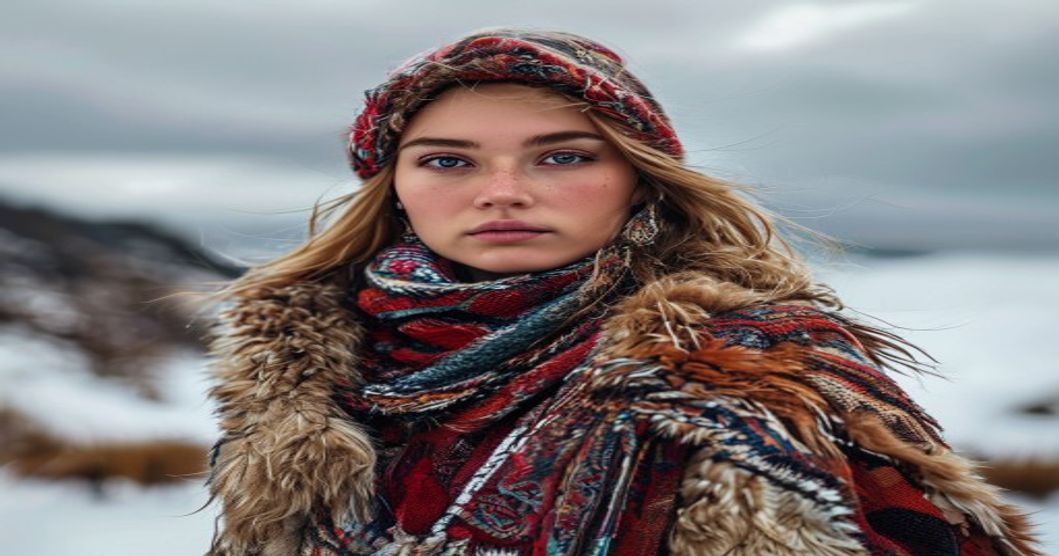
The Evolution of Sami Fashion in 2024
The contemporary landscape of Sami fashion trends 2024 marks a pivotal shift toward recognizing indigenous craftsmanship as a cornerstone of Nordic luxury and everyday wear. Designers are increasingly moving beyond superficial cultural appropriation, opting instead for deep collaboration with Sami communities to ensure authenticity. This evolution reflects a broader industry commitment to preserving the Modern Scandinavian Heritage while honoring centuries-old textile techniques. The integration of traditional duodji (handicraft) principles into high-end streetwear and formal attire demonstrates how indigenous narratives are reshaping global fashion consciousness.
Bridging Indigenous Heritage with Contemporary Design
Modern Sami-inspired clothing relies on architectural tailoring that respects the functional origins of traditional garments like the gákti. Garment structures now prioritize clean lines and adaptive fit, making indigenous motifs accessible without compromising cultural integrity. Designers utilize digital pattern-making to replicate intricate traditional Sami embroidery while reducing material waste. This technological fusion ensures that each piece maintains its historical resonance while meeting contemporary ergonomic standards.
Key Silhouettes and Textile Innovations
The 2024 collection cycle emphasizes structured outerwear and layered knitwear as primary vehicles for cultural expression. Heavy wool blends are being replaced by lightweight, temperature-regulating fibers that mimic the insulating properties of reindeer hide. Contemporary Sami fashion heavily features asymmetrical cuts and modular paneling, allowing wearers to customize traditional color blocking. These innovations cater to urban professionals seeking garments that transition seamlessly from professional environments to cultural celebrations.
Modern Scandinavian Influences on Nordic Indigenous Wear
The intersection of Nordic indigenous fashion and Scandinavian minimalism has created a distinct aesthetic governed by restraint and precision. Design houses are stripping back excessive ornamentation to highlight the geometric purity of Sami motifs. This approach aligns with the broader Scandinavian design philosophy of form following function, yet it elevates traditional symbols into standalone artistic statements. The result is a cohesive visual language that bridges coastal modernism with Arctic indigenous roots.
Minimalist Aesthetics Meets Traditional Embroidery
Current collections demonstrate how traditional Sami textiles modernized can thrive within minimalist wardrobes. Instead of overwhelming prints, designers apply subtle tonal stitching and micro-embroidery along seams and hems. This technique preserves the symbolic meaning of patterns while adhering to contemporary preferences for understated luxury. The strategic placement of heritage motifs ensures that cultural storytelling remains central without dictating the overall silhouette.
Sustainable Sourcing and Ethical Production
Ethical transparency has become a non-negotiable standard in the Sami fashion trends 2024 market. Brands are implementing traceable supply chains that guarantee fair compensation for Sami artisans and responsible sourcing of natural dyes. The shift toward regenerative agriculture for wool production aligns with circular economy principles, reducing the environmental footprint of luxury garments. Consumers increasingly demand proof of cultural respect, driving industry-wide reforms in manufacturing protocols.
2024 Trend Forecast for Sami-Inspired Apparel
Forecasting the trajectory of Nordic indigenous fashion reveals a clear movement toward nature-derived palettes and adaptive functionality. The 2024 season prioritizes garments that respond to extreme climate variations while maintaining cultural authenticity. Designers are mapping traditional color symbolism onto modern seasonal collections, creating wearable archives that document environmental and cultural shifts.
Color Palettes Inspired by the Arctic Landscape
The dominant hues in contemporary Sami clothing this year draw directly from the Fennoscandian tundra. Deep indigos replace traditional reds in primary garments, symbolizing winter fjords and midnight skies. Earthy ochres, lichen greens, and slate grays form the foundational base, offering versatile layering options for global markets. These naturally derived tones are achieved through plant-based dyeing processes that honor ancestral chemical knowledge.
Modular Garments and Adaptive Traditional Patterns
Interchangeable components have emerged as a defining feature of this year’s designs. Detachable sleeves, reversible collars, and adjustable hemlines allow wearers to modify traditional patterns according to climate or occasion. This modularity respects the historical necessity of versatile indigenous dress while addressing modern lifestyle demands. The adaptive structure ensures that Modern Scandinavian Heritage remains relevant in fast-paced urban environments.
Cultural Preservation Through Commercial Fashion
The commercialization of indigenous design presents both opportunities and challenges for cultural continuity. Successful brands treat Sami artisans as co-creators rather than inspiration sources, establishing long-term licensing agreements that fund community education programs. This model ensures that economic benefits directly support the preservation of language, weaving techniques, and oral histories tied to textile art.
Collaborative Design Models with Sami Artisans
Direct partnerships between international fashion houses and Sami cooperatives have redefined creative ownership. Joint workshops facilitate knowledge transfer, where master weavers train emerging designers in authentic stitch density and motif placement. These collaborative frameworks prevent cultural dilution while fostering innovation. The resulting collections carry certified authenticity marks, providing consumers with guaranteed respect for intellectual property and heritage.
Global Market Reception and Retail Expansion
Retail strategies for Sami fashion trends 2024 emphasize experiential showrooms that educate visitors about indigenous craftsmanship. Flagship stores feature interactive textile displays and artisan storytelling zones, transforming shopping into cultural immersion. Digital retail platforms utilize augmented reality to demonstrate the construction process
The Architectural Shift in Contemporary Sami Apparel
Deconstructing the Gákti Silhouette for Urban Wearability
Modern designers are reinterpreting the traditional Gákti dress and tunic through asymmetric hemlines, tailored waistlines, and modular closures. The original belt system, historically used to secure layers, now functions as a structural corset element in outerwear. Garment construction prioritizes mobility while preserving the garment’s cultural gravity, replacing heavy wool with technical fleece blends that mimic historical insulation properties.
Technical Fabrication and Climate-Responsive Layering
2024 collections emphasize climate-adaptive layering, a direct adaptation of Sámi survival strategies. Designers utilize windproof shells, moisture-wicking mid-layers, and thermal base knits arranged in predictable gradient sequences. The focus remains on functional elegance, where each layer serves a documented environmental purpose rather than decorative excess.
Material Innovation Rooted in Sápmi Traditions
Reinventing Reindeer Leather and Fur Applications
Contemporary reindeer leather processing employs vegetable tanning methods that reduce chemical runoff while preserving the hide’s natural durability. Fashion houses are integrating split-grain reindeer leather into structured bags, tailored jackets, and reinforced footwear. The hair-on applications follow strict ethical sourcing protocols, prioritizing naturally shed material
Frequently Asked Questions: Sami Fashion Trends in Modern Scandinavia
What is Sami Fashion Trends in Modern Scandinavia?
Sami fashion trends in modern Scandinavia refer to the contemporary reinterpretation and integration of traditional Sami design elements, such as the gákti, duodji crafts, and symbolic motifs, into current Scandinavian streetwear, haute couture, and everyday apparel. This movement emphasizes cultural preservation, sustainable practices, and ethical production while adapting indigenous aesthetics to global fashion contexts.
Key facts about Sami Fashion Trends in Modern Scandinavia
Key facts include the rising recognition of Sami designers on international runways, the use of traditional reindeer leather and wool in eco-conscious collections, the legal and cultural pushback against cultural appropriation, and the growing consumer demand for authentic indigenous storytelling in fashion. Modern adaptations often feature minimalist silhouettes paired with vibrant traditional embroidery, reflecting a blend of heritage and contemporary Scandinavian design principles.