The Rich Tapestry of Sámi Storytelling Traditions
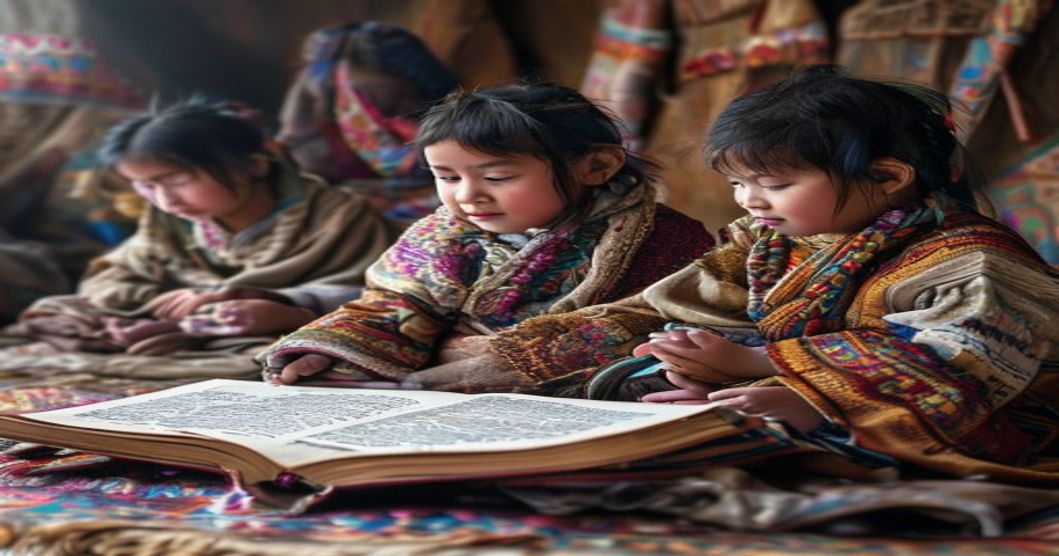
For generations, the Sámi people, indigenous to the Arctic regions of Norway, Sweden, Finland, and Russia, have preserved their heritage through intricate oral narratives. Sami storytelling for kids offers a unique window into a culture deeply intertwined with nature, seasonal cycles, and ancestral wisdom. Unlike conventional fairy tales, these legends emphasize reciprocity with the environment, respect for animal spirits, and the interconnectedness of all living beings. Educators and parents increasingly recognize that exposing children to Sámi culture through authentic folklore cultivates empathy, ecological awareness, and cross-cultural literacy.
Understanding the Cultural Foundations of Indigenous Narratives
The foundation of Sámi oral tradition rests on mythological frameworks that explain natural phenomena, guide hunting practices, and reinforce communal values. Stories are not merely entertainment; they function as pedagogical tools that encode survival strategies, ethical guidelines, and spiritual beliefs. When adapting these narratives for younger audiences, it is essential to preserve their original context rather than diluting complex themes into simplistic moral lessons. Authentic Sami storytelling for kids maintains the respectful tone of the source material while using accessible language to highlight themes of resilience, adaptability, and harmony with the Arctic landscape.
How Oral History Shapes Sámi Worldview
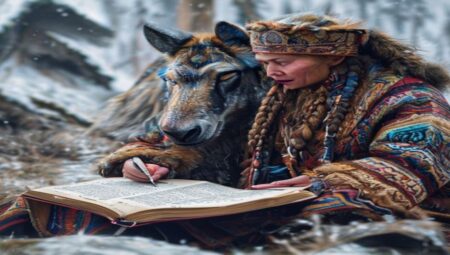
Oral transmission remains the primary vessel for Sámi knowledge. Elders historically used rhythm, repetition, and vocal modulation to enhance memorization and emotional engagement. The joik, a traditional form of song that captures the essence of a person, place, or animal, often accompanies these tales, transforming spoken word into multisensory experience. For modern learners, encountering this oral heritage fosters auditory discrimination, lyrical appreciation, and historical continuity. Integrating recorded elder voices or contemporary Sámi artists into children’s education bridges generational gaps and reinforces the living nature of indigenous culture.
Core Legends and Folktales for Young Learners
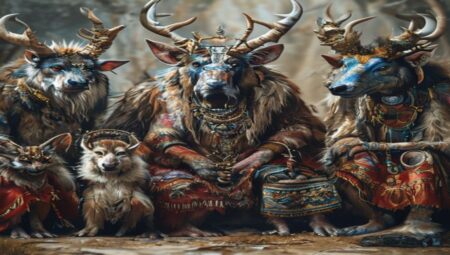
Sámi mythology features a distinctive pantheon of beings and phenomena that differ markedly from European folk traditions. The most prominent figures include Noaidi (shamans who mediate between the physical and spiritual realms), Ribbelfjäll (mythical mountains housing ancient treasures), and Luojaháhko (the northern lights, often depicted as a celestial game of ball played by spirits). These narratives provide rich material for educational programming that emphasizes wonder, curiosity, and critical thinking.
The Mysterious Noaidi and Shamanic Journeys
The Noaidi serves as a central archetype in Sámi folklore, functioning as a healer, mediator, and guide. Traditional tales describe the Noaidi’s drum journeys into upper, middle, and lower worlds to retrieve lost souls or forecast seasonal changes. When presenting these stories to children, focus on the symbolic aspects of courage, problem-solving, and spiritual
Frequently Asked Questions
What is Sami Storytelling Traditions for Children?
Sami storytelling traditions for children refer to the rich oral heritage of the indigenous Sami people of northern Scandinavia and Russia, where stories, joik songs, and legends are shared to educate, entertain, and pass down cultural values, history, and ecological knowledge to younger generations.
Key facts about Sami Storytelling Traditions for Children
Key facts include the central role of the joik (traditional song), the use of nature and reindeer herding as narrative themes, the importance of elders as knowledge keepers, the integration of duodji (crafts) and gákti (traditional clothing) in storytelling contexts, and ongoing preservation efforts to safeguard these traditions against cultural assimilation.