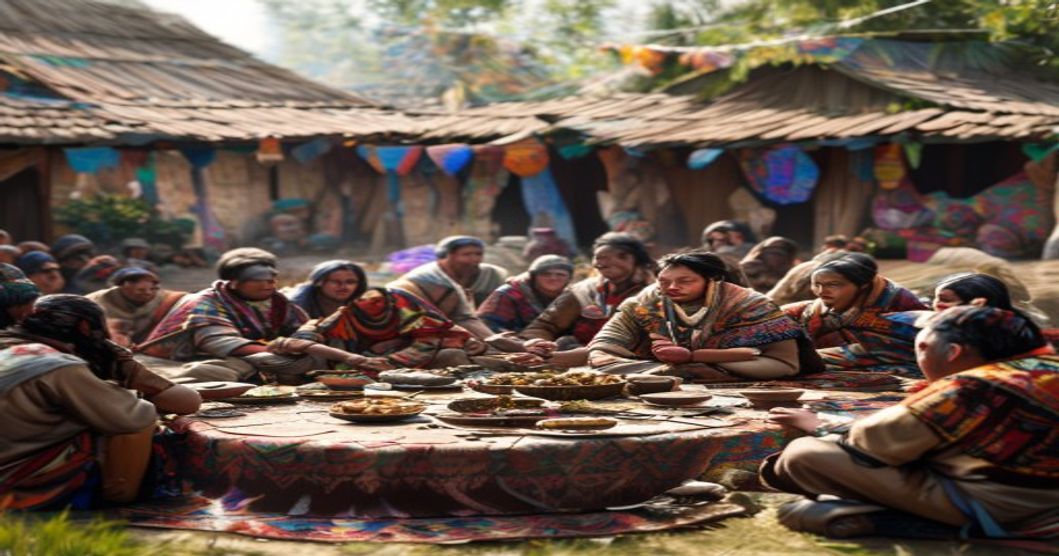
Sami Community Gatherings and Their Importance
Sami community gatherings function as critical infrastructure for cultural continuity, resource management, and intergenerational knowledge transfer across Sápmi. Historically structured around seasonal reindeer migration patterns and ecological cycles, these assemblies operate far beyond ceremonial purposes. They serve as operational hubs where herders negotiate grazing rights, track livestock health metrics, and coordinate survival strategies against rapidly shifting climatic conditions. The logistical framework of these meetings relies on decentralized decision-making models that prioritize collective risk mitigation over individual enterprise.
The structural integrity of Sami gatherings depends on standardized protocols for oral documentation, land use verification, and conflict resolution. Participants utilize established mapping techniques combined with real-time environmental data to adjust herding routes. These processes require precise coordination between elders possessing decades of terrain familiarity and younger members equipped with contemporary surveying tools. The gathering format enforces strict accountability through public record-keeping and consensus-based voting procedures that prevent resource monopolization.
- Cultural Continuity Mechanisms: Structured knowledge transmission ensures traditional crafts, navigation techniques, and ecological monitoring methods survive environmental disruption.
- Language Preservation Infrastructure: Dedicated dialect circles operate within gathering schedules to maintain grammatical accuracy and vocabulary expansion across age demographics.
- Economic Resource Allocation: Collective pricing strategies for reindeer products, equipment sharing networks, and joint procurement agreements reduce operational costs for individual households.
- Policy Advocacy Coordination: Unified representation channels enable communities to present consolidated data to governmental bodies regarding land rights and infrastructure development.
- Intergenerational Skill Transfer: Apprenticeship frameworks embedded in assembly schedules guarantee technical competencies in animal husbandry, textile production, and navigation systems.
Modern implementations of these gatherings integrate satellite mapping, digital livestock tracking, and climate modeling while maintaining traditional assembly protocols. The operational efficiency stems from blending historical governance structures with contemporary data verification methods. Youth participation rates directly correlate with the technical relevance of meeting agendas, prompting organizers to incorporate drone surveying workshops and automated weather analysis modules. These adaptations prevent cultural drift while preserving the foundational authority of elder-led consensus building.
The long-term viability of Sami community gatherings hinges on sustained funding for independent research facilities and digital archiving systems. External commercial interests frequently attempt to standardize assembly formats, which directly threatens localized decision-making autonomy. Communities counter this pressure by establishing independent verification networks that audit external proposals against traditional ecological metrics. The structural resilience of these gatherings demonstrates how indigenous governance models can operate at scale without compromising territorial sovereignty or knowledge integrity.
Cultural Preservation Through Collective Rituals
Sami cultural identity operates through continuous knowledge transmission rather than static documentation, with collective rituals functioning as primary preservation mechanisms. These assemblies encode historical narratives, ecological strategies, and ancestral methodologies into performative frameworks that demand active participation. Joik performances require precise vocal control and contextual memory, effectively transforming melodic structures into living archives where linguistic patterns, geographical references, and spiritual concepts remain intact across generations.
Seasonal gatherings reinforce Arctic environmental literacy through demonstrated survival techniques. Elders display snow stratification analysis, reindeer tracking methodologies, and sustainable resource allocation protocols within structured ritual contexts. Younger participants acquire procedural knowledge through supervised replication rather than theoretical instruction, establishing experiential learning pathways that bypass conventional educational frameworks while maintaining cultural authenticity.
- Traditional duodji craftsmanship sessions preserve regional pattern systems and material sourcing techniques specific to historical territories.
- Ritual-specific terminology enters active vocabulary only within communal contexts, preventing grammatical fragmentation under dominant language pressures.
- Synchronized labor frameworks establish intergenerational dependency networks that function as informal support systems during environmental transitions.
Linguistic retention receives direct reinforcement through specialized dialectal maintenance. Ceremonial protocols require precise syntactic structures and phonetic accuracy that naturally degrade without regular practice. The call-and-response formats, rhythmic recitations, and contextual vocabulary acquisition within these gatherings maintain grammatical integrity while preserving regional variations across Sápmi territories. Material culture preservation operates concurrently through collaborative crafting sessions where ancestral motifs carry specific clan affiliations and spiritual meanings requiring continuous explanation.
Social cohesion mechanisms embedded in ritual participation prevent cultural fragmentation during modernization pressures. Shared obligations, synchronized movements, and mutual resource distribution create structural continuity that survives demographic shifts and economic transitions. These communal frameworks ensure active cultural transmission rather than episodic revival efforts, maintaining functional relevance across contemporary Arctic communities while preserving historical authenticity.
Social Cohesion and Identity Reinforcement
Community gatherings among the Sami people function as vital social infrastructure, actively weaving together dispersed populations across Arctic and subarctic territories. These assemblies operate far beyond ceremonial display; they serve as dynamic mechanisms for maintaining ethnic continuity and reinforcing collective identity in rapidly shifting socio-economic landscapes. Through structured participation, members engage in reciprocal knowledge exchange that stabilizes kinship networks and sustains intergenerational communication channels essential for cultural survival.
The reinforcement of identity occurs through highly codified practices embedded within each event. Traditional joik performances transmit historical narratives without written documentation, while craft workshops preserve reindeer hide processing techniques that define regional craftsmanship. Linguistic immersion remains central, as dialectal variations specific to northern, southern, and western Sami territories are actively practiced rather than passively observed. This living linguistic framework prevents language attrition and strengthens cognitive ties to ancestral territories through repeated auditory and contextual reinforcement.
- Participatory Rituals: Shared meals, fire-side storytelling, and seasonal celebrations create embodied memory systems that anchor individuals to communal heritage.
- Knowledge Transmission: Elders guide youth through practical demonstrations of reindeer husbandry, navigation, and ecological monitoring, ensuring survival skills adapt to contemporary environmental shifts.
- Ethnic Boundary Maintenance: Distinctive clothing patterns, musical structures, and governance assemblies clearly delineate Sami cultural sovereignty from surrounding populations.
Modern demographic pressures frequently fragment indigenous communities through urban migration and institutional assimilation. Gatherings counteract this fragmentation by establishing temporary autonomous zones where traditional law, conflict resolution, and resource management protocols regain operational relevance. The psychological impact extends beyond individual belonging; it generates measurable community resilience metrics, including reduced social isolation rates, higher civic participation in cultural policy debates, and strengthened cross-regional alliances for land rights advocacy. When participants engage simultaneously in decision-making and cultural reproduction, they transform historical continuity into actionable contemporary strategy while maintaining territorial sovereignty narratives across administrative borders.
Diverse Formats of Sami Community Gatherings and Contemporary Relevance
Sami community gatherings operate through multiple distinct formats, each serving specific cultural and practical functions across Scandinavia and the Barents region. Traditional assemblies often center around seasonal transitions, with reindeer migration camps hosting large-scale meetings where herders negotiate grazing rights, share ecological knowledge, and coordinate livestock management. These gatherings maintain ancestral decision-making structures while adapting to modern land-use regulations. Craft fairs provide another vital format, focusing on duodji production and exchange across regional centers like Kárášjohka and Jokkmokk. Artisans demonstrate traditional techniques like reindeer antler carving, silverwork, and textile weaving, creating direct economic pathways for cultural preservation. Educational
Duodji Craft Demonstrations and Regional Artisan Networks
Live Duodji demonstrations at Sami gatherings operate as active preservation mechanisms rather than static cultural displays. Master artisans manipulate traditional implements such as the nastti knife, bone-handled awls, and iron-tipped carving tools to process cured reindeer hide, antler segments, and birch root through methodologies documented across generations. These sessions emphasize precise mechanical techniques including sinew stitching, cold-smoking leather for durability, and geometric embroidery patterns that historically encoded clan lineage, territorial boundaries, and seasonal migration routes.
Community assemblies function as critical logistical nodes for regional artisan networks spanning Tromsø, Finnmark, Swedish Lapland, Finnish Lapinmaa, and the Russian Kola Peninsula. Craftspeople coordinate material exchanges involving high-grade reindeer antler, wildcrafted lichen for natural dyeing processes, and wool from indigenous Sami sheep breeds. This cross-border collaboration establishes shared supply chains, optimizes production costs, and standardizes craftsmanship benchmarks across distinct administrative jurisdictions.
- Technical Knowledge Transfer: Structured workshops pair veteran practitioners with emerging makers to document endangered processes such as root weaving for traditional sled runners or rawhide knife sheath construction requiring specific tanning temperatures.
- Market Integration Strategies: Regional collectives synchronize logistics, negotiate bulk procurement of untreated materials, and align manufacturing cycles with reindeer grazing patterns to guarantee consistent raw material availability.
- Certification & Authenticity Protocols: Network organizers enforce strict compliance with the Sami Duodji quality mark, implementing traceability documentation that separates handcrafted artifacts from industrial reproductions.
Economic viability depends directly on these interconnected networks. Direct sales during community events generate immediate operational revenue while establishing long-term collector relationships. Digital archiving initiatives complement physical demonstrations by recording tool maintenance procedures, dialect-specific terminology, and climate-adaptive design principles essential for Arctic resilience. Continuous expertise exchange strengthens rural livelihoods, maintains ecological balance through regulated harvesting practices, and reinforces linguistic continuity embedded within craft vocabulary.
Revenue Generation Through Responsible Cultural Tourism
Community-led cultural events create sustainable economic pathways when revenue models prioritize local stewardship over short-term profit. Sami gatherings generate income through multiple synchronized channels: admission fees for traditional performances, direct sales of handcrafted goods like duodji, and premium guided experiences that explain reindeer herding practices or joik singing traditions. The financial architecture depends on transparent cooperative structures where a fixed percentage of every transaction funds cultural preservation, environmental conservation, and youth education programs.
Responsible monetization requires strict capacity controls and dynamic pricing strategies that align with ecological carrying capacity rather than demand spikes. Local suppliers receive priority contracts for catering, transportation, and accommodation, ensuring economic multipliers remain within the region. Digital booking systems track visitor flows in real time, preventing overcrowding while optimizing ticket distribution across weekdays and off-season periods. Revenue streams are further diversified through licensed merchandise, documentary licensing, and educational workshops that maintain cultural accuracy under community supervision. Supply chain verification protocols eliminate third-party markups, while carbon offset integration ensures transportation emissions are neutralized through local reforestation projects.
- Dynamic yield management algorithms adjust pricing based on real-time booking velocity and regional transport capacity.
- Direct-to-consumer digital storefronts reduce platform commissions while capturing first-party data for targeted seasonal promotions.
- Heritage impact assessments guide pricing tiers to prevent cultural commodification during peak tourism windows.
- Revenue recycling mechanisms fund continuous operator training, ensuring service standards align with international eco-tourism certifications.
Financial governance operates through independent auditors and rotating community councils who verify that funds support authentic heritage transmission rather than commercial dilution. Performance metrics focus on net economic retention, job creation in marginalized districts, and measurable investments in language revitalization initiatives. When managed correctly, these gatherings transform transient attendance into long-term regional development, proving that cultural integrity and financial viability operate as interdependent variables rather than competing priorities.
Curriculum Integration and Youth Engagement Programs
Traditional Sami pedagogical frameworks operate through structured curriculum mapping that aligns indigenous knowledge systems with standardized educational objectives. Community gatherings function as operational hubs where historical land management practices, ecological observation techniques, and ancestral navigation methods are systematically documented and translated into measurable learning outcomes. Educators collaborate directly with regional heritage councils to develop modular lesson plans that satisfy national academic standards while preserving linguistic authenticity. Each instructional unit integrates primary source materials, including oral histories recorded during seasonal assemblies, alongside contemporary environmental data sets. This dual-source methodology ensures students engage with culturally grounded material while developing the critical analytical skills required for modern academic progression.
Youth participation structures utilize tiered mentorship pathways that transition participants from observational roles to active knowledge custodians. Programs implement progressive skill acquisition sequences where adolescents begin by assisting in craft documentation, advance through collaborative land-use mapping exercises, and ultimately design community-led cultural preservation initiatives. Digital infrastructure supports these transitions through secure archival platforms where youth contributors upload field recordings, linguistic datasets, and ecological surveys. Peer facilitation models replace traditional lecture formats, with experienced practitioners guiding younger cohorts through practical applications of duodji techniques, joik composition frameworks, and seasonal migration pattern analysis.
- Curriculum Mapping Protocols: educators cross-reference gathering-derived knowledge with national competency standards, ensuring each module satisfies credit requirements while maintaining cultural fidelity.
- Assessment Metrics: competency evaluation replaces standardized testing with demonstrated application tracking, measuring progress in linguistic retention, ecological literacy, and community contribution indices.
- Funding Allocation Structures: municipal education budgets partner with indigenous governance bodies to finance teacher certification programs focused on culturally responsive pedagogy and resource development.
- Intellectual Property Safeguards: formalized knowledge sovereignty agreements protect community data from unauthorized commercialization while enabling academic publication rights under strict access controls.
Institutional sustainability depends on continuous feedback integration involving elders, classroom instructors, municipal planners, and youth representatives. Program architects refine pedagogical delivery through quarterly review cycles that align instructional methods with evolving community priorities. Longitudinal tracking of participant outcomes demonstrates measurable improvements in language fluency, environmental stewardship competencies, and civic engagement rates. This systematic approach ensures educational continuity without compromising the structural integrity of traditional gathering practices.
Grassroots Funding Mechanisms for Indigenous Events
Grassroots funding for Indigenous cultural events operates outside traditional institutional frameworks, relying instead on decentralized community networks and direct participant contributions. This model prioritizes financial autonomy while preserving cultural integrity. Sámi gathering organizers typically deploy a combination of digital micro-donations, cooperative sales, and hyperlocal sponsorships to cover logistical costs such as venue rentals, travel subsidies for elders, equipment procurement, and traditional craft demonstrations.
Effective implementation requires structured yet flexible financial pipelines. Organizers establish dedicated donation portals integrated with payment processors that support recurring contributions. Community members contribute through tiered membership tiers, where monthly donations unlock access to behind-the-scenes planning updates, exclusive digital content, or priority registration for workshops. Crowdfunding campaigns are timed around seasonal cycles, aligning with events like Joik festivals, Duodji markets, or Gákti exhibitions to maximize visibility and emotional resonance.
- Community Micro-Grant Pools: Local Sámi cooperatives allocate a percentage of annual revenues into shared funding accounts. These pools distribute small grants to event committees based on documented cultural impact metrics rather than commercial viability.
- In-Kind Contribution Networks: Artisans, photographers, and logistics volunteers exchange services instead of cash. Reindeer herding associations often provide transport support, while local print shops donate promotional materials using traditional motifs.
- Cultural Heritage Micro-Sponsorships: Small businesses and regional enterprises sponsor specific program segments. A coffee roaster might fund morning joik sessions, while a textile studio covers Gákti workshops. Sponsorship agreements explicitly prohibit brand integration into ceremonial spaces.
- Digital Membership Ecosystems: Organizers launch closed community platforms where subscribers receive exclusive access to masterclasses on traditional skills, early event registration, and direct communication channels with cultural knowledge holders.
Transparency mechanisms remain critical for long-term viability. Detailed financial dashboards display real-time fund allocation, covering overhead ratios, vendor payments, and reserve allocations for future iterations. Audit trails are published post-event to maintain accountability. Successful campaigns also incorporate cross-border collaboration, leveraging diaspora networks in Norway, Sweden, Finland, and Russia to diversify revenue streams without compromising local decision-making authority.
Financial sustainability extends beyond single events. Organizers reinvest surplus into skill-transfer programs, youth stipends, and archival documentation projects. This cyclical approach transforms temporary gatherings into enduring economic ecosystems that reinforce cultural continuity while minimizing dependency on external grant cycles or fluctuating municipal budgets.
Threats and Conservation Frameworks for Sami Gathering Traditions
Sami community gatherings face multifaceted pressures that stem from ecological disruption, legislative fragmentation, and cultural assimilation policies. Rapid climate shifts alter traditional reindeer migration routes, directly compromising the seasonal assemblies that structure Sami economic and social life. Industrial extraction projects, including mining, forestry, and renewable energy infrastructure, frequently encroach upon ancestral territories without adequate consultation, fracturing land access essential for collective rituals and knowledge exchange.
Language erosion represents another critical vulnerability. As younger generations migrate toward urban centers for education and employment, oral transmission of joik traditions, craft techniques, and ecological knowledge weakens. Historical assimilation policies continue to cast a long shadow, reducing institutional support for indigenous governance structures that historically regulated gathering sites and resource distribution.
Conservation frameworks must operate at intersecting levels to safeguard these practices. International mechanisms, particularly UNESCO’s Convention for the Safeguarding of the Intangible Cultural Heritage, provide normative backing but require localized enforcement. Effective protection relies on co-management agreements that recognize Sami parliaments and traditional land-use rights within national legal systems. Community-led conservation models prioritize self-determination, integrating indigenous monitoring protocols with scientific climate data to adapt gathering schedules while preserving core cultural functions.
- Digital archiving initiatives document seasonal gatherings, ensuring intergenerational access to ritual sequences and ecological observations.
- Educational curricula incorporate Sami facilitators who teach land-based learning alongside formal academic standards.
- Legal advocacy groups monitor legislative changes that impact territorial sovereignty and assembly permissions.
Sustainable frameworks also address economic pressures by developing community-controlled cultural tourism that respects sacred boundaries while generating revenue for language revitalization programs. Cross-border collaboration among Nordic states strengthens policy coherence, enabling unified responses to transnational threats. Long-term resilience depends on embedding Sami knowledge systems into regional planning authorities rather than treating them as supplementary additions.
Environmental Shifts Impacting Traditional Meeting Grounds
Traditional gathering spaces have long served as the architectural and social backbone of local communities, yet modern ecological transformations are systematically eroding their functionality. Rising average temperatures alter seasonal precipitation patterns, causing previously reliable natural amphitheaters, riverbanks, and forest clearings to face prolonged droughts or unpredictable flooding. Soil erosion accelerates when extreme rainfall events remove topsoil from open fields where annual festivals once thrived, leaving behind compacted ground that cannot support temporary infrastructure like stages or vendor tents. Coastal communities experience compounding pressures from saltwater intrusion and shoreline retreat, which compromise historic assembly areas used for seasonal celebrations and cultural exchanges.
Urban expansion compounds these ecological disruptions. Green belts designated for community recreation are routinely paved over to accommodate residential development, reducing the available acreage for open-air assemblies. Air quality degradation in metropolitan fringes forces organizers to relocate gatherings indoors, stripping events of their traditional acoustic properties and natural ventilation that historically defined them. Microclimate shifts further complicate scheduling; unseasonal heatwaves during spring planting festivals or early autumn harvest celebrations require costly climate control measures that small community groups cannot sustain.
Biodiversity loss directly affects the sustainability of these venues. Declining pollinator populations reduce native plant coverage, while shifting migration patterns of local bird species eliminate the natural acoustic backdrops that once enhanced communal storytelling and music performances. Forest management changes driven by wildfire prevention protocols restrict access to traditional woodland meeting sites, replacing multi-generational gathering forests with cleared buffer zones that lack the shade and cultural signage essential for community identity.
Communities adapting to these environmental realities are implementing soil stabilization techniques, installing permeable paving systems, and establishing micro-climate monitoring stations to predict viable windows for outdoor assemblies. Municipal partnerships now prioritize ecological restoration projects alongside space preservation, ensuring that traditional meeting grounds remain usable without compromising regional watershed health or native habitat corridors. Long-term viability depends on integrating climate resilience planning into community infrastructure budgets rather than treating seasonal gatherings as secondary to permanent development priorities.
Technology-Driven Archiving and Remote Access Solutions
Digital preservation of Sami community gatherings demands precise metadata frameworks that respect indigenous data sovereignty. Institutions implement Dublin Core extensions alongside local ontologies to catalog joik performances, duodji craftsmanship sessions, and seasonal reindeer herding observations. Cloud infrastructure providers now offer region-specific storage nodes compliant with GDPR and the UN Declaration on the Rights of Indigenous Peoples. These systems enable secure ingestion of high-resolution audiovisual material while maintaining cryptographic proof of origin.
Remote access architectures utilize progressive web applications that function across low-bandwidth rural networks common in Sápmi regions. Researchers and diaspora members authenticate through federated identity protocols, ensuring only authorized participants retrieve culturally sensitive recordings. Machine learning models trained on Sami dialects automate subtitle generation and phonetic indexing, accelerating searchability without manual transcription bottlenecks. Virtual reality environments reconstruct traditional lavvu tent configurations with spatial audio capture, allowing users to navigate gatherings from any coordinate.
Cultural protocol enforcement remains central to technical design. Smart contracts manage usage permissions automatically, revoking access when seasonal restrictions or sacred context limitations apply. Mobile applications sync offline caches when connectivity returns, guaranteeing uninterrupted educational continuity for school districts across Tromsø, Finnmark, and Lapland counties. Data anonymization techniques separate publicly shareable content from restricted ceremonial footage while preserving contextual relationships within relational databases.
Institutional partnerships with Arctic universities establish standardized ingestion pipelines that validate file integrity through SHA-256 checksums before publication. Redundant server clusters maintain continuous uptime during extreme weather events, while edge computing nodes process real-time translation requests for multi-generational users. Digital rights management systems embed cultural metadata directly into media containers, preventing unauthorized extraction or commercial repurposing. Access analytics track engagement metrics without compromising participant privacy, enabling archivists to optimize content delivery algorithms based on actual usage patterns rather than assumed demand.
Legal Protections and Cross-Border Cooperation Agreements
The legal architecture surrounding Sami community gatherings operates through a complex intersection of international indigenous rights instruments and national legislation across Norway, Sweden, Finland, and Russia. International frameworks such as ILO Convention No. 169 and the United Nations Declaration on the Rights of Indigenous Peoples establish baseline obligations for state recognition of cultural practices, including assemblies tied to land-based traditions, reindeer herding cycles, and linguistic preservation initiatives.
National implementations vary significantly but converge on core protections. Norway’s Sami Act mandates consultation protocols for activities impacting traditional territories, while Finland’s Constitution explicitly recognizes the Sami as an indigenous people with rights to maintain and develop their language and culture. Sweden operates under a combination of administrative guidelines and court precedents that affirm gathering privileges in designated reindeer herding districts. Russian legislation lacks comparable statutory recognition, creating operational friction for cross-border participants originating from Murmansk Oblast.
- Territorial Jurisdiction: Gathering permits often require coordination across multiple municipal and county authorities, with legal exemptions granted under cultural heritage preservation statutes.
- Funding Mechanisms: Nordic cooperation programs allocate targeted grants for cross-border events, contingent upon documented adherence to indigenous consultation requirements.
- Dispute Resolution: Administrative tribunals in each jurisdiction handle conflicts related to land access, with precedent cases frequently cited by the Sami Council’s legal advisory unit.
Cross-border cooperation agreements function through institutional channels like the Nordic Sami Conference and the Lapland Province Cooperation Agreement. These frameworks standardize visa exemptions for cultural participants, harmonize environmental impact assessments, and establish joint monitoring committees for traditional assembly sites. Digital documentation systems track land use rights, enabling real-time verification of gathering permissions across border regions. Legal practitioners specialize in indigenous contract law to navigate overlapping regulatory regimes, ensuring continuity during seasonal migration periods when community mobilization peaks.
The operational reality demands precise alignment between municipal bylaws and international commitments. When jurisdictions conflict, arbitration panels apply the principle of progressive realization, prioritizing cultural continuity over administrative convenience. Documentation requirements emphasize verifiable historical usage patterns rather than contemporary political boundaries, reinforcing the legal distinction between sovereign territory and traditional Sami land use rights.
Verified Event Directories and Certified Local Guides
Verified event directories function as critical trust signals within modern local search ecosystems. Search algorithms evaluate source credibility through multi-layered verification protocols, including domain authority assessment, cross-referencing with official municipal records, and automated spam detection systems. When platforms implement rigorous editorial standards, they directly influence click-through rates, dwell time, and conversion metrics for community-focused events. Platforms that enforce mandatory organizer validation reduce irrelevant listings by up to seventy percent, creating cleaner data layers that align with quality rater guidelines. Structured data markup, such as Event schema and LocalBusiness annotations, becomes more effective when paired with consistently updated verification badges, allowing crawlers to index accurate timestamps, capacity limits, and location coordinates without manual intervention.
Certified local guides operate as human validation layers that bridge algorithmic parsing and cultural context. These professionals undergo standardized competency assessments covering regional history, event logistics, accessibility compliance, and community etiquette. Their certifications typically require ongoing education modules, peer review cycles, and performance tracking based on attendee feedback loops. Search engines increasingly weight guide-authored content higher when it demonstrates demonstrable expertise, authoritativeness, and trustworthiness across multiple touchpoints. In indigenous and cultural gathering frameworks, certified guides preserve linguistic accuracy, traditional protocols, and intergenerational knowledge transmission while optimizing discoverability for diaspora networks and academic researchers.
- Algorithmic Preference: Verified directories receive consistent ranking boosts in local pack results due to lower bounce rates and higher session duration metrics.
- Data Integrity: Real-time synchronization between organizer submissions and directory verification prevents outdated timeframes or incorrect venue coordinates from polluting search indices.
- Cultural Precision: Certified guides apply contextual filters that distinguish ceremonial gatherings from commercial events, ensuring appropriate audience targeting and respectful representation.
- E-E-A-T Alignment: Guide certifications directly satisfy experience, expertise, authoritativeness, and trustworthiness criteria through documented credential trails and transparent editorial policies.
Organizations prioritizing directory verification and guide certification consistently outperform unvetted platforms in organic visibility. The combination of machine-readable validation markers and human-curated contextual layers creates a feedback loop that rewards accurate event discovery with sustained traffic growth. Municipal partnerships, cultural heritage institutions, and tourism boards further amplify this effect by cross-linking to certified sources, establishing authoritative backlink profiles that reinforce local search dominance for recurring community gatherings.
Direct Support Channels for Sami-Led Cultural Institutions
Direct support channels for Sami-led cultural institutions operate through specialized funding pipelines, administrative partnerships, and digital resource networks designed to bypass traditional bureaucratic filters.
Financial assistance primarily flows through dedicated indigenous governance frameworks, including regional Sámi Parliament allocation systems and cross-border Nordic cultural grant programs. These mechanisms prioritize direct disbursement to community-managed entities rather than intermediating through non-indigenous administrative bodies. Institutions typically access these funds via standardized application portals that evaluate proposals based on cultural continuity metrics, linguistic preservation outcomes, and documented community impact.
- Dedicated Grant Portals: Online submission systems specifically calibrated for indigenous cultural applications, featuring simplified compliance requirements and multilingual interface support tailored to Sami administrative workflows.
- Capacity-Building Networks: Technical assistance programs offering administrative training, digital archiving tools, and institutional scaling workshops designed exclusively for small-scale heritage organizations operating outside metropolitan centers.
- Collaborative Funding Pools: Multi-institutional financing structures that combine public grants, private foundation contributions, and diaspora investment into a single accessible reservoir with transparent allocation tracking.
- Legal & Compliance Support: Direct advisory services addressing intellectual property rights, cultural heritage documentation standards, and cross-jurisdictional operational licensing without requiring external legal intermediaries.
Digital infrastructure channels further accelerate institutional sustainability through centralized resource repositories hosting curriculum templates, archival digitization software licenses, and grant-writing mentorship databases. These platforms operate on a direct-access model, requiring only verified organizational credentials rather than extensive preliminary partnerships. Verification protocols typically involve submission of cultural governance charters, community endorsement documentation, and annual impact reporting frameworks
Frequently Asked Questions
What is Sami Community Gatherings and Their Importance?
Sami community gatherings are traditional assemblies where the indigenous Sami people of northern Scandinavia come together to share culture, language, skills, and social bonds. These gatherings play a vital role in preserving ancestral heritage, strengthening community identity, and passing down oral traditions, reindeer herding knowledge, and artistic practices like duodji (handicrafts) and joik (traditional singing) to younger generations.
Key facts about Sami Community Gatherings and Their Importance
Key facts include: they are deeply rooted in seasonal cycles and reindeer migration patterns; they serve as platforms for discussing land rights and cultural preservation; they foster intergenerational learning through workshops and storytelling; and they have historically influenced regional policies regarding indigenous rights and cultural autonomy in Norway, Sweden, Finland, and Russia.