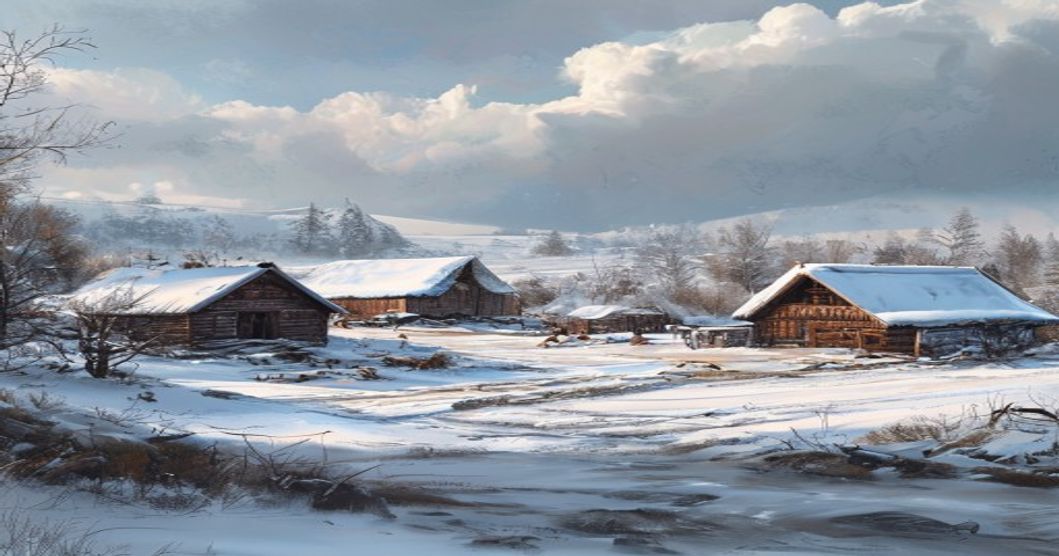
Daily Life in a Remote Sami Village: An In-Depth Overview
The rhythm of daily existence in a remote Sámi village is dictated by Arctic climatic cycles and seasonal light extremes. Winter brings polar nights where temperatures regularly drop below thirty degrees Celsius, while summer delivers continuous daylight that accelerates biological and agricultural processes. These environmental parameters shape every routine, from housing insulation standards to transportation schedules. Residents adapt their daily workflows around ice thickness on rivers, reindeer migration corridors, and snowpack density rather than conventional clock time.
Economic survival hinges on integrated subsistence strategies. Reindeer husbandry remains central, requiring constant movement across vast grazing territories. Herders monitor animal health, track pasture recovery rates, and manage calving seasons with precision. Concurrently, seasonal fishing targets Arctic char and whitefish, while summer foraging yields lingonberries, cloudberries, and medicinal lichens. Food preservation relies on traditional fermentation, smoking, and air-drying techniques that maintain nutritional value during prolonged cold periods.
Social organization operates through tightly knit kinship networks and cooperative labor systems. Household responsibilities rotate seasonally, with winter focusing on reindeer processing and summer dedicated to infrastructure maintenance and resource gathering. Community decisions emerge from local gatherings where experienced herders, fishers, and craftsmen share observational data about weather patterns, animal behavior, and terrain changes. Knowledge transmission occurs through direct mentorship rather than formal instruction.
Modern infrastructure intersects with traditional practices in practical ways. All-terrain vehicles replace reindeer sleds for supply transport during brief summer windows, while satellite communication bridges isolation from regional service centers. Schools integrate Sámi language immersion alongside standard curricula, and healthcare workers utilize telemedicine platforms to supplement limited on-site medical facilities. Residents navigate these adaptations by maintaining strict protocols for traditional craft production and seasonal hunting permissions.
Cultural continuity depends on active language preservation and material heritage maintenance. North Sámi remains the primary vernacular, with oral histories, ecological knowledge, and technical terminology encoded in vocabulary specific to reindeer management and weather reading. Traditional duodji craftsmanship utilizes locally sourced antler, birch wood, and reindeer hide to produce tools that meet contemporary functional standards while retaining historical design principles. Economic sustainability requires balancing commercial craft sales with community-driven resource management frameworks.
Historical Roots and Cultural Continuity
The Sami presence across northern Fennoscandia extends beyond documented history into prehistoric settlement patterns evidenced by petroglyphs at Alta, ancient hearth sites near Inari, and centuries-old grazing routes that follow natural topographical corridors. These communities developed survival strategies anchored in precise ecological observation rather than written documentation. Linguistic structures within North Sami encode seasonal shifts, reindeer behavior, and snow classification systems that modern meteorology only recently validated through empirical study.
Colonial administrative boundaries attempted to fragment traditional territories during the 19th century, yet remote settlements maintained autonomous resource management through customary law. Village elders governed land use via consensus-based councils that prioritized herd welfare over short
Community Structure and Social Organization
Kinship networks form the foundational framework of settlement patterns in remote Sami communities. Extended families traditionally cluster around shared grazing corridors or coastal fishing grounds, creating interdependent household units that operate through reciprocal resource allocation rather than fixed property boundaries. Migration routes dictate spatial organization, with seasonal camps arranged according to reindeer movement and weather patterns. This fluid territorial approach ensures ecological balance while maintaining tight familial oversight across dispersed locations.
Authority structures derive from demonstrated expertise and generational continuity rather than institutional appointment. Elders function as living repositories of navigational techniques, weather prediction methods, and animal husbandry practices. Their influence persists because survival historically depended on accurate knowledge transmission. Community decisions regarding pasture rotation, hunting quotas, or infrastructure development require unanimous verbal consent during assembly gatherings. Dissent triggers extended negotiation phases lasting several days until consensus emerges through practical demonstration of alternative solutions.
Economic organization reflects strict ecological specialization paired with mandatory cross-support systems. Herders exchange dairy products and leather goods for fisher families’ preserved catches and timber workers’ construction materials. This barter network operates on seasonal credit tracking, where obligations settle naturally during winter trading festivals. Modern wage labor has introduced monetary transactions, yet reciprocal obligation remains the primary social currency. Youth apprenticeships under master herders or boat builders formalize skill transfer across generations, ensuring technical continuity despite external economic pressures and climate shifts.
- Communal labor structures housing construction, net mending, and food preservation through synchronized group participation.
- These activities function as both practical necessity and relationship reinforcement, preventing isolation during long winters.
- Dispute resolution prioritizes restorative mediation over punitive measures, with community witnesses documenting agreements in oral tradition.
External administrative boundaries rarely penetrate internal governance mechanisms. Customary law governs daily interactions regarding resource access and behavioral standards while maintaining functional compliance with national legal frameworks. This dual-layer system preserves cultural autonomy without creating legal friction. Social cohesion persists through structured knowledge exchange, seasonal festivals that reinforce kinship ties, and shared responsibility for ecological stewardship across generations.
Core Economic Activities and Traditional Livelihoods
The economic foundation of a remote Sámi settlement rests on centuries-old subsistence practices adapted to the harsh Arctic environment. Reindeer herding remains the central pillar of this system, governing movement patterns, social organization, and seasonal calendars. Herders track animal migrations across tundra and boreal forests, relying on precise knowledge of snow conditions, lichen availability, and predator behavior. Each reindeer serves multiple purposes: meat provides essential protein, hides are processed into winter clothing and footwear, antlers become tools and decorative materials, and milk is transformed into butter and cheese during calving season. Labor division follows strict seasonal cycles, with children managing calf sorting, adults overseeing migration routes, and elders directing camp logistics based on historical weather patterns.
Beyond pastoralism, winter fishing on frozen lakes and rivers supplements household nutrition and generates supplementary income. Northern pike, char, and Arctic grayling are caught using traditional ice augurs and handcrafted nets. The catch undergoes immediate preservation through smoking, drying, or freezing, ensuring food security during months when overland transport becomes impossible. Small-scale trapping of fox and mink adds fur trade value, though regulated harvest quotas maintain ecological stability.
Craft production operates as both cultural maintenance and economic activity. Sámi artisans transform reindeer leather into traditional garments, embossing patterns that denote regional origin and family lineage. Birch root weaving, antler carving, and textile designs command attention in cultural markets and digital platforms. Modern cooperatives now facilitate direct-to-consumer sales, bypassing middlemen while preserving pricing transparency. E-commerce integration allows artisans to reach global buyers without compromising traditional dyeing techniques or sustainable harvesting methods.
Contemporary adaptations blend ancestral knowledge with limited infrastructure. Solar panels power small workshops for leather treatment and wood finishing. Satellite communication enables real-time market access and weather forecasting. Younger generations document oral histories through multimedia archives while maintaining hands-on apprenticeships in traditional skill transmission. The economic model prioritizes ecological balance over volume, ensuring reindeer populations remain sustainable and forest ecosystems undisturbed. This equilibrium between heritage preservation and pragmatic adaptation defines the financial resilience of northern Sámi communities.
Reindeer Herding in Extreme Conditions
Reindeer herding in the Arctic tundra demands continuous physical endurance and precise environmental reading. Herders navigate snow-covered valleys, frozen rivers, and uneven rock formations while tracking herd movements across hundreds of miles. Subzero temperatures regularly drop below minus thirty degrees Celsius, requiring layered wool garments, insulated boots, and specialized equipment designed to prevent frostbite during prolonged outdoor exposure. The terrain itself dictates daily pacing; deep powder snow slows progress, while ice crusts form slippery surfaces that challenge both human and animal mobility.
Daily routines center on monitoring herd dispersion, assessing pasture quality, and maintaining boundary markers across vast grazing territories. Herders use traditional lassoing techniques to secure individual animals for veterinary checks, tagging, or separation during seasonal splits. Food supplies are packed in windproof containers, and meals are prepared over portable stoves when temperatures drop below functional limits for open flames. Communication relies on radio networks, satellite phones, and established visual signals to coordinate with neighboring families during sudden weather shifts or predator encounters.
- Snow depth assessment: Herders interpret snow texture and wind drift patterns to locate lichen-rich pastures beneath frozen crusts, ensuring reindeer can access critical winter nutrition.
- Herd positioning strategy: Animals are guided toward sheltered ridges during blizzards, minimizing energy expenditure and preventing stampedes across thin ice layers.
- Equipment maintenance protocol: Sleds, sled dogs, and reindeer harnesses require daily waxing and leather conditioning to prevent brittleness in extreme cold.
Modern herding operations integrate satellite telemetry collars with ancestral migration knowledge, allowing real-time tracking of herd movements while preserving traditional route memory. Climate volatility introduces unpredictable freeze-thaw cycles that damage lichen beds and force unexpected route adjustments. Despite technological support, success remains dependent on generational observation skills, rapid decision-making during whiteout conditions, and strict adherence to sustainable grazing quotas that protect fragile Arctic ecosystems for future herding seasons.
Artisan Crafts and Sustainable Trade Practices
Traditional Sámi duodji operates as a
Modern Employment Shifts and Rural Economies
Traditional reindeer herding once dictated the seasonal rhythm of livelihoods across northern Fennoscandia. Today, younger generations increasingly pursue education in regional centers, creating a structural divide between established pastoral families and emerging service-oriented workers. This demographic transition forces municipal budgets to adapt, shifting funding from agricultural subsidies toward infrastructure that supports remote connectivity and vocational training programs.
The digital economy has introduced unprecedented flexibility. High-speed satellite networks now enable remote professionals to manage international clients from winter cabins without relocating. Digital freelancers in design, software development, and translation services contribute directly to local GDP while preserving linguistic heritage through tech-enabled cultural projects. Municipal cooperatives actively lease vacant properties to these newcomers, generating rental income that subsidizes public transport and healthcare maintenance.
Tourism remains a critical economic pillar, but the model has evolved from seasonal wildlife viewing to year-round cultural immersion experiences. Certified guides now combine traditional knowledge with environmental science certifications, attracting academic researchers and eco-conscious travelers. Revenue streams include sustainable craft markets, digital archives of oral histories, and licensed merchandise that respects intellectual property protocols established by indigenous councils.
- Government grants for renewable energy microgrids powering small-scale enterprises
- Educational partnerships with northern universities offering distance learning in Sami studies
- Cooperative farming initiatives that merge traditional livestock management with organic certification standards
- Digital marketplaces connecting artisans directly to global buyers without intermediary markup
Financial resilience depends on balancing external investment with cultural autonomy. Municipal councils now require impact assessments for all new commercial developments, ensuring that wage structures align with seasonal work cycles and that profit-sharing mechanisms benefit local families. Blockchain-based tracking systems monitor supply chains for traditional materials like reindeer antler and river birch wood, guaranteeing ethical sourcing while creating premium export channels.
Housing, Infrastructure, and Climate Adaptation
Traditional Sami dwellings have historically relied on lightweight, modular designs that respond directly to migratory reindeer herding patterns. The lavvu, constructed from wooden poles and covered with reindeer hides or canvas, allows rapid assembly and disassembly. Modern settlements increasingly combine these traditional forms with engineered timber frames and high-performance insulation panels. Walls are layered with spruce planks, recycled wool batts, and vapor barriers to maintain thermal stability during winters that regularly drop below minus thirty degrees Celsius. Roofs are pitched at steep angles to prevent snow accumulation, which can exceed two meters in depth.
Infrastructure development in these Arctic communities follows strict environmental regulations and seasonal accessibility windows. Gravel roads become impassable during spring thaw, necessitating snowmobile networks and winter ice roads maintained by local cooperatives. Power generation relies on a hybrid system combining diesel generators with wind turbines and photovoltaic arrays mounted on south-facing slopes. Water supply comes from drilled boreholes equipped with submersible pumps and insulated piping, while waste management utilizes sealed septic tanks paired with seasonal composting units to prevent permafrost contamination.
Climate adaptation strategies have shifted from reactive measures to proactive architectural planning. Buildings now feature elevated foundations on adjustable steel piles that accommodate ground movement caused by thawing permafrost. Window assemblies use triple-glazed units with argon gas fillings and warm-edge spacers to minimize heat loss. Heating systems transition toward air-source heat pumps and biomass boilers fueled by locally sourced peat or wood residue. Community centers double as emergency shelters, equipped with independent power grids, satellite communication relays, and stored provisions that sustain residents during extended whiteout conditions.
- Snow load distribution requires reinforced truss systems and continuous roof monitoring during thaw cycles.
- Underfloor heating loops prevent frost heave damage to structural footings.
- Mobile communication towers operate on independent solar-charged battery banks to ensure year-round connectivity.
Traditional Laveu Structures and Modern Rebuilds
The traditional lavvu functioned as a highly optimized shelter system, developed through generations of Arctic survival experience. Builders selected young spruce or pine saplings, bending them into a conical skeleton secured with rawhide ties and wooden pegs. The exterior covering historically utilized cured reindeer hides or tightly woven canvas, fastened to the ground with weighted stones and tension ropes. A central fire pit anchored the interior layout, providing radiant heat while generating an updraft that cleared smoke through the roof opening. This passive ventilation mechanism prevented oxygen depletion during extended winter occupancy. Interior zones followed strict functional divisions: sleeping platforms lined the perimeter walls, storage netting suspended from upper poles kept provisions dry, and the hearth area remained completely clear for rapid gear retrieval during reindeer migrations.
Modern structural rebuilds retain this exact geometric configuration while upgrading material performance. Contemporary frameworks now employ heat-treated timber or reinforced aluminum poles that resist warping under repeated snow loads. Exterior coverings transitioned to flame-retardant polyester-canvas composites, which maintain breathability while eliminating the rot and insect damage common in historical hide applications. Foundation systems shifted from direct ground contact to elevated gravel pads or insulated wooden platforms, drastically reducing capillary moisture transfer during thaw periods. Fire chambers now incorporate removable stainless steel liners and adjustable draft regulators, satisfying regional building codes without disrupting the traditional airflow dynamics.
These technical modifications support long-term cultural preservation rather than architectural replacement. Village artisans document lashing techniques, pole spacing measurements, and tension calibration methods through standardized blueprints and interactive 3D models. Educational programs teach precise weight distribution calculations, ensuring new structures withstand extreme wind shear while preserving the original acoustic properties that historically amplified drumming and vocal storytelling. The rebuilt dwellings operate identically to their predecessors, maintaining thermal efficiency, portability, and spatial hierarchy. This approach guarantees that architectural heritage remains functionally relevant across shifting environmental conditions.
- Pole spacing calibrated to 1.2-meter intervals for optimal snow shedding
- Tension rope systems replaced with UV-stabilized synthetic fibers rated for minus thirty-degree flexibility
- Interior insulation layers utilize recycled wool batting instead of traditional moss bedding
- Roof apex openings fitted with adjustable canvas flaps to regulate airflow during temperature inversions
Heating Systems and Energy Independence
Remote Sami settlements maintain indoor comfort through a calculated integration of heritage practices and modern renewable infrastructure. The core objective involves eliminating diesel dependency while guaranteeing continuous thermal output during prolonged polar nights. Traditional methods like peat combustion, granite wood stoves, and animal hide drafting barriers established foundational insulation principles that still inform current construction standards. Modern households now supplement these techniques with monocrystalline solar panels, vertical-axis wind turbines, and r-410a heat pumps calibrated for extreme cold climates. Lithium-ion battery banks store surplus generation, bridging the gap between peak production windows and nighttime demand spikes.
Communities achieve energy independence through decentralized microgrids that prioritize load balancing and predictive maintenance. Critical operational tactics include:
- Thermal zoning
Road Access, Connectivity, and Supply Chains
Transportation infrastructure in remote Sami settlements operates on strict seasonal and meteorological cycles rather than fixed municipal grids. Winter transit depends entirely on engineered ice roads that cross frozen waterways, permafrost plateaus, and dense boreal terrain. Local drivers continuously monitor ice thickness, snow compaction, and temperature shifts to prevent structural collapse, while summer months completely eliminate ground routes as rapid thawing transforms stable paths into impassable wetlands. This geographic constraint forces residents to adapt daily routines around narrow navigation windows, requiring proactive stockpiling of heating fuel, construction materials, and winter clothing before ice routes fracture.
Digital connectivity has fundamentally altered how isolated communities maintain economic and administrative ties with regional centers. Historical reliance on shortwave radio and delayed postal delivery has transitioned to low-earth orbit satellite terminals and expanding 4G cellular coverage. Fiber optic expansion remains economically prohibitive due to permafrost instability and extreme installation expenses, yet hybrid network architectures now deliver consistent bandwidth for telemedicine consultations, remote banking, and digital education platforms. Signal degradation during intense geomagnetic storms or heavy snowfall persists, prompting households to maintain independent battery backups and dual-redundant communication hardware.
- Logistical scheduling aligns with fixed aerial and maritime cargo windows, delivering bulk supplies from northern distribution hubs on predetermined weekly routes.
- Food preservation systems rely on community-managed cold storage facilities that receive bi-monthly shipments, complemented by reindeer processing and seasonal berry harvesting networks.
- Fleet management protocols utilize GPS tracking and fuel consumption algorithms to coordinate snowmobile convoys and all-terrain transport across dispersed grazing zones.
Economic stability within these settlements emerges from integrated resource distribution models that merge traditional land navigation with modern inventory software. Local cooperatives consolidate purchasing orders to neutralize freight surcharges, while cloud-based stock monitoring enables precise demand forecasting across multiple households. Real-time weather APIs and satellite ice-density sensors feed directly into municipal transit decisions, allowing authorities to redirect delivery routes ahead of blizzard formations. This coordinated approach eliminates critical supply delays while maintaining cultural continuity in one of Europe’s most logistically demanding environments.
Culinary Traditions and Seasonal Food Cycles
The culinary landscape of a remote Sami village operates in direct synchronization with the Arctic ecosystem, where survival and sustenance have historically depended on precise seasonal tracking. Reindeer forms the cornerstone of traditional nutrition, providing meat, fat, blood, and offal, each utilized without waste. During late autumn, herders process fresh reindeer meat into suovas, a cold-smoked delicacy preserved over birch or alder wood fires. This method extends shelf life through winter while imparting a distinct phenolic profile that pairs naturally with the region’s hardy flora.
Fishing cycles dictate spring and summer diets, as rivers thaw and Atlantic salmon, Arctic char, and whitefish migrate upstream. Communities deploy traditional stone weirs and hand-woven netting to capture fish, which are then split, air-dried on wooden racks, or fermented in shallow pits lined with reindeer antlers. Fermentation relies on native lactobacillus strains and controlled temperatures, producing tangy preserves that complement fatty meats and offset the monotonous texture of dried provisions.
- Spring foraging: Wild garlic, sea buckthorn shoots, and early mosses are harvested immediately after snowmelt to replenish depleted vitamin reserves.
- Summer abundance: Cloudberry and lingonberry patches are collected in mid-July, when fruit sugars peak. Berries are either dried on heated rocks or packed in birch bark containers with reindeer fat for long-term storage.
- Winter rationing: Dried meat strips (gáhkku), frozen fish blocks, and preserved lichen form the baseline caloric intake during months when temperatures drop below minus thirty degrees Celsius.
Seasonal food cycles function as a living calendar encoded in preparation techniques. The siida system of shared grazing grounds ensures that herds move to higher pastures in summer, allowing forests and tundra to regenerate while providing access to diverse botanical resources. Cooking methods adapt accordingly: open-fire boiling with antler handles dominates winter months, while shallow sun-heated drying boards become essential during brief summer thaw periods. Every ingredient carries ecological context, reflecting generations of observation regarding animal migration routes, soil conditions, and microclimates.
Modern adaptations have introduced refrigeration and imported goods, yet traditional preservation remains a deliberate cultural practice rather than a historical relic. Villagers continue to smoke meat over peat fires, ferment fish in insulated earth cellars, and harvest berries at precise ripeness stages dictated by lunar cycles and wind patterns. These techniques maintain microbial diversity, reduce food waste, and sustain metabolic balance across extreme seasonal shifts. The culinary framework operates as an adaptive technology, calibrated to Arctic resilience and grounded in continuous environmental feedback.
Preservation Techniques for Winter Survival
Traditional Sami winter survival hinges on meticulous food preservation strategies developed over centuries of Arctic adaptation. The extreme climate dictates a strict preservation calendar, where autumn processing directly determines community sustenance through months of continuous darkness and subzero temperatures. Reindeer meat forms the primary protein source, traditionally prepared using three distinct methods: air-drying into suovas (smoked reindeer sausage), wind-curing strips into gáhkku, and freezing raw cuts in permafrost caches. Each method exploits natural atmospheric conditions to inhibit bacterial growth while concentrating nutrients.
- Air-drying and smoking protocols utilize controlled airflow through elevated wooden racks, removing moisture without introducing heavy smoke residues that compromise long-term storage stability.
- Fish dehydration systems along coastal settlements rely on cold wind velocity rather than thermal energy, producing stockfish with a shelf life exceeding two years without refrigeration.
- Fermentation techniques process organ meats and reindeer blood inside sealed stomach bladders or birch bark vessels, generating natural lactic acid that preserves nutrients while synthesizing essential B vitamins absent during polar nights.
- Rendered reindeer fat serves as both caloric insulation and a preservation coating, applied to dried meat strips to prevent oxidative degradation and maintain structural integrity during extreme cold exposure.
Storage architecture amplifies these biological processes through engineered environmental control. Deep snow trenches lined with reindeer hides create passive refrigeration units maintaining temperatures near zero degrees Celsius throughout the thaw cycle. Elevated birch-bark granaries position supplies above melting snowlines, while wind-exposed rock shelters accelerate moisture evaporation without fracturing cellular tissue. Bone marrow extraction utilizes specialized hollowed tools and thermal cracking methods to recover maximum calories from skeletal remains that would otherwise remain inaccessible.
These preservation systems operate within a closed ecological loop where every reindeer component undergoes deliberate processing. Sinew transforms into cordage, antlers become structural tools, and processed hide functions as thermal insulation. The seasonal slaughtering rhythm aligns precisely with optimal fat content and muscle tenderness before winter immobilization halts mobility. Contemporary remote settlements maintain these historical protocols alongside regulated freezing infrastructure, preserving metabolic efficiency while adapting to modern sanitary requirements. The techniques demonstrate precise environmental calibration, where atmospheric humidity, wind velocity, and ambient temperature function as primary processing variables rather than secondary considerations.
Reindeer-Based Diets and Nutritional Adaptations
The traditional Sámi nutritional framework in remote Arctic settlements operates as a highly optimized metabolic system, historically engineered to sustain human physiology under extreme subarctic conditions. Reindeer herding functions simultaneously as an economic activity and a complete food supply chain, where anatomical utilization follows strict caloric and micronutrient allocation principles. Core muscle tissues deliver dense protein matrices alongside intramuscular fat deposits that provide sustained thermal energy during prolonged outdoor labor. Organ consumption remains central to dietary planning, with liver tissue serving as a concentrated reservoir of vitamins A and D, while kidney and heart structures supply essential B-complex cofactors required for accelerated glucose metabolism during cold stress.
Blood processing represents a sophisticated preservation strategy where fresh reindeer blood is blended with native barley or oat flour and slowly cooked into nutrient-dense puddings. This technique prevents iron depletion and delivers complete amino acid profiles without refrigeration infrastructure. Bone marrow extraction follows traditional cracking methods, yielding arachidonic and eicosapentaenoic fatty acids that maintain cardiovascular function and joint lubrication during decades of repetitive physical strain.
- Preservation protocols transform seasonal surpluses into year-round reserves through wind-drying, fermentation in sealed birch bark containers, and cold-smoking over juniper wood to inhibit lipid oxidation.
- Seasonal macronutrient shifts occur naturally; winter diets emphasize higher fat ratios to support thermogenesis, while summer months introduce limited foraged lichen and wild berries that supplement vitamin C synthesis.
- Gut microbiome adaptation indicates long-term indigenous populations develop microbial strains optimized for breaking down complex reindeer collagen and traditional fermented substrates, enhancing mineral bioavailability beyond conventional agricultural diets.
Modern nutritional science validates these ancestral practices, noting that the reindeer’s browse-based diet in tundra ecosystems produces meat with significantly lower saturated fat percentages compared to grain-fed livestock. The absence of industrial processing preserves natural enzymatic activity, allowing probiotic fermentation pathways to remain intact. Contemporary Sámi communities maintain this dietary architecture while integrating regulated hunting quotas and veterinary monitoring to prevent zoonotic disease transmission. The nutritional resilience observed in these populations correlates directly with consistent access to unprocessed reindeer products, demonstrating how ecological constraint historically shaped a highly efficient human metabolic adaptation.
Contemporary Kitchen Shifts and Local Ingredients
Traditional Sami households are experiencing a quiet but measurable transformation in how food is prepared, stored, and valued. The central hearth has largely given way to induction cooktops and compact refrigeration units, yet the culinary rhythm remains dictated by Arctic seasons rather than supermarket calendars. Reindeer meat still anchors most meals, but butchering practices now incorporate precise temperature control to prevent spoilage during unexpected thaw periods. Wild foraging continues as a daily necessity, not merely a nostalgic hobby.
Local ingredients define the contemporary Sami pantry. Cloudberries and crowberries are harvested during narrow summer windows, then flash-frozen or preserved in traditional sugar-cured jars. Birch sap, collected in early spring, ferments into mildly alcoholic beverages or reduces into syrup for glazing cured fish. Dried cod and reindeer tendon remain staples, their preparation relying on wind-drying racks positioned to catch coastal breezes rather than indoor dehydrators. Even modern kitchens retain wooden curing chambers originally designed for lichen-stable storage.
- Reindeer processing now uses vacuum sealing alongside traditional smoking, extending shelf life without compromising the distinct pine-needle flavor profile.
- Berry harvesting has shifted toward staggered picking cycles to combat erratic ripening caused by temperature fluctuations.
- Dairy preservation incorporates controlled fermentation starters while maintaining the use of reindeer milk for skyr-like textures and high-fat butter production.
Supply chain constraints force adaptive cooking strategies. Imported flour and sugar still reach these settlements, but their usage declines as households prioritize self-sufficiency. Younger generations document foraging routes using GPS coordinates, cross-referencing them with historical land-use maps to locate unspoiled patches of lingonberry and wild garlic. Climate instability directly impacts ingredient availability, prompting communities to adjust planting schedules for hardy root vegetables and expand lichen cultivation for reindeer winter feed.
Kitchen tools reflect this synthesis of old and new. Pressure cookers reduce cooking time for tough cuts, while ceramic crocks replace metal barrels for fermenting sauerkraut with native juniper berries. The absence of commercial refrigeration in outlying tents has driven innovation in passive cooling methods using insulated moss layers and subterranean storage pits. Every modern adaptation serves one purpose: extending the usable window of hyper-local ingredients without compromising nutritional density or cultural continuity.
Spiritual Practices, Language Preservation, and Education
The spiritual foundation of a remote Sámi village rests on an uninterrupted relationship with the landscape. Sámi cosmology treats the sacred and the seasonal as interdependent. Reindeer migration routes dictate ritual timing. Historical drum patterns still guide contemporary noaidi ceremonies. Communities maintain ancestral gathering sites using reindeer antler, copper wire, and hand-painted symbols that map celestial movements alongside terrain features. These practices function as active navigation systems for decision-making during extreme weather events or herd relocation.
Language preservation operates through structured daily implementation rather than periodic workshops. Regional Sámi schools utilize full immersion models where mathematics, ecology, and civic studies are delivered exclusively in Northern Sámi, Lule Sámi, or Southern Sámi. Elders lead weekly documentation sessions that capture oral histories using synchronized audio archives. Digital infrastructure now supports dialect mapping software, community-developed vocabulary applications, and independent radio networks broadcasting traditional narrative formats. Grammatical competence develops through continuous environmental engagement rather than isolated classroom drills. Youth acquire complex syntactic structures by participating in reindeer branding, lichen harvesting, and seasonal craft production alongside fluent speakers.
Educational frameworks integrate institutional requirements with place-based pedagogy. Academic schedules shift to align with natural cycles. Students collect meteorological data using standardized field forms while simultaneously mastering Sámi ecological vocabulary. Municipal education boards allocate funding for bilingual teacher certification that emphasizes indigenous knowledge transmission. Research partnerships with academic institutions provide documentation grants, yet all archival access remains governed by local consent protocols.
Modern assessment systems now award academic credits for joik performance and duodji craftsmanship alongside conventional examinations. Legal mandates in Nordic jurisdictions require these bilingual frameworks, transforming historical preservation into standardized academic policy. This structural alignment ensures linguistic continuity while validating traditional expertise within contemporary educational metrics.
Sami Shamanism, Duodji, and Oral Storytelling
The spiritual framework of Sami life operates through the Noaidi tradition, a continuous practice rather than historical artifact. Practitioners maintain active relationships with sacred landscapes, ancestral spirits, and reindeer herds through ritual offerings, drum divination, and seasonal observances. The joik functions as both spiritual technology and ecological record. Each melody maps specific territories, tracks migration corridors, or acknowledges natural phenomena. These vocalizations create auditory navigation systems that reinforce precise environmental awareness. Communities rely on these practices to interpret weather shifts, locate grazing grounds, and maintain ritual balance with the ecosystem.
Duodji encompasses a comprehensive craft system tied directly to survival and cultural continuity. Artisans manufacture knives, weave birch bark baskets, carve antler tools, and process reindeer leather using methods unchanged for centuries. Material sourcing follows strict seasonal windows: spruce roots are harvested in late summer for binding, wild herbs provide natural dyes during peak growth periods, and antlers are collected only after natural shedding. The production process demands direct mentorship. Knowledge transfers through hands-on demonstration rather than written documentation. Every object carries dual functionality. Handles encode territorial markers, woven patterns denote family lineage, and tool designs optimize efficiency for extreme cold conditions. Contemporary practitioners sustain these techniques while adapting materials to modern requirements, keeping the craft economically viable.
- Ritual protocols dictate specific gathering locations and seasonal timing for spiritual activities
- Duodji tools require constant maintenance through traditional sharpening and oiling routines
- Oral narratives embed practical data on ice thickness, forage cycles, and predator migration patterns
Oral transmission serves as the primary educational mechanism within remote settlements. Elders deliver stories during extended winter periods or while processing materials, structuring survival knowledge through memorable narrative frameworks. Legends explain geographic features, establish resource management boundaries, and preserve historical movement routes. Repetition of specific phrases creates cognitive anchors that enable younger generations to recall complex ecological information. This decentralized archival system remains highly adaptive. Communities adjust narratives in response to environmental changes while preserving foundational cultural principles. The continuous cycle of listening, practicing, and retelling ensures spiritual practices, material craftsmanship, and environmental literacy remain interdependent components of daily village operations.
Language Immersion Programs and Youth Engagement
Language revitalization in remote Sami settlements relies heavily on structured immersion frameworks that bypass traditional classroom limitations. Villages deploy contextual learning loops where linguistic exposure occurs during daily activities rather than isolated lessons. Elders and certified language mentors guide youth through reindeer husbandry terminology, weather pattern vocabulary, and craft-specific dialects. These sessions operate outside standard curricula, utilizing functional communication over grammatical perfection. Digital archives store recorded oral histories, while offline servers distribute localized dictionaries to regions with intermittent connectivity.
- Elder-Youth Knowledge Transfer: Structured daily interactions focus on task-based vocabulary acquisition. Participants learn seasonal migration routes, lasso techniques, and traditional food preservation methods through direct instruction in Sami.
- Community-Led Cultural Camps: Seasonal gatherings replace theoretical language study with immersive practice. Youth participate in drum-making, joik performance notation, and textile dyeing while receiving corrective feedback from native speakers.
- Adaptive Educational Technology: Offline-first applications map terrain features, animal behaviors, and historical landmarks using Sami nomenclature. These tools sync with regional satellite networks to update lexical databases without relying on continuous broadband.
Youth retention within these programs depends on measurable skill application rather than abstract proficiency metrics. Participants track vocabulary acquisition through practical tasks: navigating winter trails, negotiating market transactions, or documenting ecological changes in local dialects. Peer mentorship structures assign older adolescents as language coordinators for younger cohorts, creating a self-sustaining communication network. Schools integrate community immersion schedules with standard academic terms, ensuring linguistic continuity across developmental stages. External media consumption decreases naturally as functional Sami usage becomes the primary channel for information exchange, entertainment, and decision-making within village boundaries. Long-term engagement correlates directly with economic participation; youth who master dialectal variations gain priority access to traditional resource management roles and cultural tourism operations. Program administrators monitor retention through attendance logs, vocabulary benchmark tests, and community project contributions rather than standardized examinations.
Interfaith Dynamics and Secular Modernization
The spiritual landscape of a remote Sami settlement reflects centuries of cultural negotiation between indigenous cosmology and external religious imposition. Traditional Sámi spirituality centers on the sacred geography of the tundra, where natural formations function as ritual sites rather than architectural temples. Annual cycles dictate communal activities aligned with reindeer migration patterns, auroral phenomena, and seasonal light transitions. These practices persist through oral transmission, drum divination, and seasonal gatherings that maintain ecological reciprocity.
Historical Lutheran missionary campaigns initiated in the eighteenth century systematically replaced indigenous spiritual frameworks with standardized theological instruction. Church construction along trade routes established centralized worship centers that gradually marginalized traditional gathering sites. Language policies restricted Sámi vocalizations during religious services, creating generational discontinuities in spiritual vocabulary. Contemporary demographic shifts have introduced additional religious traditions through seasonal employment networks and administrative appointments. Migrant workers from Eastern Europe and Mediterranean regions establish informal prayer spaces that operate parallel to established community structures without institutional integration.
Secular modernization operates through multiple overlapping channels that reshape communal organization. Digital connectivity introduces external value systems while simultaneously enabling language revitalization programs and spiritual documentation initiatives. Municipal governance replaces elder councils in resource allocation decisions, though traditional knowledge remains essential for land management permits. Tourism infrastructure generates economic alternatives that reduce dependence on state subsidies, allowing communities to fund cultural programming independent of religious institutions. Educational curricula now incorporate environmental science alongside historical theology, creating cohorts capable of navigating multiple epistemological frameworks.
Community cohesion adapts through pragmatic syncretism rather than ideological uniformity. Seasonal markets function as neutral gathering spaces where ritual exchange occurs alongside commercial transactions. Youth demographics prioritize skill acquisition and digital literacy over doctrinal adherence, yet maintain participation in cultural ceremonies framed as heritage preservation rather than spiritual practice. Administrative boundaries recognize minority rights frameworks while operational policies emphasize secular service delivery. The resulting equilibrium demonstrates adaptive resilience through structural compartmentalization rather than cultural homogenization.
Cross-community resource pooling during extreme weather events reveals functional interfaith cooperation that operates outside formal theological alignment. Digital archiving projects preserve sacred drum patterns and seasonal chants in state-mandated secular repositories, ensuring accessibility without doctrinal interpretation. Local educators facilitate structured dialogue sessions that map historical missionary impacts against contemporary economic realities, allowing residents to navigate pluralistic environments without ideological compromise. Economic transitions from gift-based spiritual exchanges to cash-driven transactions have redefined social reciprocity, yet traditional hospitality protocols remain embedded in seasonal commerce and community decision-making processes.
Environmental Stewardship and Climate Challenges
The Sami people have maintained ecological balance across Arctic landscapes for centuries through rotational grazing systems and strict seasonal harvesting rules. Reindeer herding dictates land use patterns, preventing overgrazing while preserving lichen beds and tundra soil stability. Traditional knowledge tracks subtle shifts in snow density, wind direction, and vegetation cycles to guide migration routes. Modern climate disruption fractures these established rhythms. Rising winter temperatures create ice layers that block reindeer from accessing forage, forcing herders to transport supplemental feed or relocate entire communities. Thawing permafrost destabilizes terrain, compromising infrastructure and traditional fishing grounds. Altered precipitation patterns reduce snowpack reliability, affecting travel safety and cultural practices tied to frozen waterways.
Communities respond through adaptive management frameworks that integrate historical observation with satellite monitoring. Herding cooperatives track weather anomalies using automated sensors while maintaining oral documentation of generational trends. Local authorities implement grazing quotas during extreme weather events to prevent livestock loss. Renewable microgrids powered by wind and hydroelectric systems reduce reliance on imported diesel, lowering carbon footprints in isolated settlements. Educational programs teach younger generations both ancestral land navigation techniques and modern environmental data analysis. Policy advocacy groups pressure national governments to recognize indigenous land rights and fund climate resilience projects specific to northern ecosystems.
Traditional ecological knowledge operates as a continuous feedback loop rather than static folklore. Elders record grazing density metrics, snow crust formation timing, and bird migration deviations in community archives. These records cross-reference with meteorological data from nearby research stations to identify long-term vegetation stress indicators. When lichen recovery rates decline due to unseasonal rain-on-snow events, herders adjust herd sizes to match available forage capacity. Soil carbon sequestration in undisturbed tundra zones remains a priority, as degraded ground releases stored methane and reduces pasture regeneration speed. Infrastructure planning now incorporates elevated foundations and permeable drainage systems to handle increased thaw depth and seasonal flooding.
- Rotational grazing protocols prevent soil compaction and allow lichen beds to regenerate during off-season periods.
- Community-led weather stations transmit real-time temperature and wind data to coordinate migration schedules across multiple family units.
- Indigenous co-management agreements grant voting rights on regional land use permits, replacing top-down conservation mandates.
- Traditional snow shelter construction techniques utilize dense ice layers that insulate against extreme cold while requiring zero artificial materials.
Economic adaptation follows ecological constraints. Some villages transition toward low-impact eco-tourism that funds herding equipment upgrades and digital mapping tools. Others invest in sustainable forestry practices outside the reindeer pasture zones to generate year-round income without expanding grazing pressure. Legal frameworks increasingly acknowledge that protecting Arctic biodiversity requires recognizing indigenous stewardship as a measurable conservation metric rather than a cultural footnote. The integration of ancestral land ethics with contemporary climate modeling establishes a replicable framework for high-latitude environmental management.
Permafrost Thaw and Reindeer Migration Routes
The degradation of subsurface ice layers triggers immediate ecological shifts that directly compromise reindeer foraging efficiency across northern tundra ecosystems. When seasonal temperature fluctuations cause the active layer to thaw prematurely, meltwater refreezes into dense ice sheets beneath the snowpack. This crust formation prevents reindeer from digging through frozen ground to reach dormant lichen and moss reserves. Herders in remote Sami settlements track subsurface moisture levels using calibrated ground probes and thermal imaging drones to identify high-risk zones before migration seasons begin. The altered soil stability also destabilizes traditional pathways, forcing animals to navigate uncharted terrain that increases energy expenditure and reduces body condition scores.
Operational adjustments require precise coordination between historical grazing maps and real-time meteorological data. Communities establish dynamic monitoring stations along former corridors to record snow density, ice thickness, and animal movement patterns. These field observations feed into centralized databases that guide pasture rotation schedules and emergency intervention points. Herders modify daily routines by deploying mobile feeding platforms positioned on elevated ground with stable substrate. Vehicle routes receive reinforced drainage systems to prevent equipment from sinking into saturated peatlands during spring thaw periods.
- Continuous GPS tracking of herd movements to identify emerging bottlenecks and safe passage corridors
- Integration of satellite-derived vegetation indices with traditional knowledge for predictive grazing allocation
- Installation of windbreak barriers along exposed ridges to reduce snow drift accumulation near critical crossing points
- Implementation of rapid response teams equipped with acoustic sensors and thermal cameras for locating stranded animals during freeze-thaw cycles
Economic and cultural adaptations emerge as communities document shifting migration timelines across multiple generations. Research collaborations between local cooperatives and environmental institutes generate high-resolution terrain models using ground-penetrating radar and LiDAR surveys. These datasets inform infrastructure planning for new livestock handling facilities located away from thermokarst development zones. Traditional grazing calendars transition into adaptive management frameworks that prioritize soil recovery periods over fixed seasonal boundaries. Knowledge transfer mechanisms emphasize hands-on training in ice crust identification, vegetation stress indicators, and emergency herd separation techniques. Long-term sustainability depends on maintaining flexible route networks that accommodate accelerating permafrost degradation while preserving cultural continuity across changing environmental baselines.
Wind Farms, Mining Pressures, and Land Rights
Industrial infrastructure expansion directly intersects with traditional Sami territories, fundamentally altering environmental baselines that communities have managed for centuries. Wind energy projects frequently target high-altitude plateaus and coastal ridges, regions that align precisely with seasonal reindeer migration corridors. Turbine foundations fragment grazing lands, while construction noise and operational vibrations disrupt herd movement patterns. Reindeer herders report altered feeding cycles and increased calf mortality when wind installations occupy critical winter pastures. The transition to renewable energy frequently overlooks cumulative ecological impacts, treating vast landscapes as empty space rather than living cultural ecosystems.
Mining concessions extend these pressures through subsurface extraction operations that threaten aquifer integrity and surface water quality. Heavy machinery traffic increases sediment runoff into pristine lakes and rivers, directly compromising fish stocks that supplement community diets during long winters. Tailings storage facilities and chemical processing plants introduce long-term contamination risks that exceed standard environmental impact assessments. Local monitoring groups document heavy metal accumulation in soil samples near active claim zones, challenging regulatory compliance claims made by extraction companies.
- Legal frameworks governing indigenous land rights remain fragmented across national jurisdictions, yet historical precedents consistently prioritize resource extraction over customary use rights.
- Consultation requirements often reduce to formal notice periods rather than meaningful consent processes.
- Communities navigate complex administrative procedures while documenting centuries of land use through oral histories, mapping reindeer trails, and submitting ecological data collected by local researchers.
Land rights disputes frequently conclude with court rulings that acknowledge cultural connections but struggle to balance economic development mandates with sustainable coexistence models. Daily routines adapt through coordinated monitoring networks that track industrial activity against traditional calendars. Elders adjust migration schedules based on real-time construction updates, while younger generations utilize satellite imagery and drone surveys to document landscape changes. Knowledge transmission continues despite physical displacement, with community archives preserving language, navigation techniques, and ecological observations that inform future advocacy strategies.
Indigenous Conservation Models and Policy Advocacy
The Sami communities have sustained delicate Arctic ecosystems for centuries through adaptive conservation frameworks rooted in intergenerational ecological knowledge. Central to this system is the reindeer pastoral model, which operates on rotational grazing patterns that prevent overgrazing and allow alpine tundra and forest biomes to regenerate naturally. These practices align closely with modern range management principles, yet they remain fundamentally distinct because decision-making authority rests directly with herding families rather than external administrative bodies.
Policy advocacy within these remote settlements focuses heavily on securing legal recognition of ancestral land tenure. The Finnmark Act in Norway and comparable frameworks in Sweden and Finland demonstrate how indigenous statutory rights can override conventional property regimes when communities maintain documented historical usage patterns. Sami Parliaments function as legislative intermediaries, translating local conservation priorities into national environmental policy. This institutional bridge has enabled co-management agreements for wildlife populations, watershed protection zones, and protected area boundaries that explicitly incorporate traditional ecological indicators.
- Rotational Grazing Protocols: Seasonal migration routes are mapped using digital terrain analysis alongside oral landmarks, creating dynamic land-use plans that respond to snowpack variability and vegetation cycles.
- Legal Recognition Mechanisms: Co-management councils negotiate harvest quotas with government agencies, ensuring that conservation targets reflect both biological carrying capacity and cultural livelihood requirements.
- Climate Adaptation Strategies: Communities monitor permafrost degradation and erratic freeze-thaw cycles through community-led observation networks, feeding real-time data into regional climate resilience planning.
International instruments such as the United Nations Declaration on the Rights of Indigenous Peoples provide additional leverage for treaty negotiations, yet implementation gaps persist when municipal zoning laws conflict with traditional land corridors. Successful advocacy campaigns consistently combine spatial mapping of sacred sites, historical documentation of grazing rights, and independent ecological audits to establish evidence-based policy positions. When conservation frameworks integrate indigenous governance structures, biodiversity metrics improve alongside community economic stability, demonstrating that sovereignty and environmental stewardship operate as mutually reinforcing objectives rather than competing priorities.
Navigating Modernity While Preserving Indigenous Identity
Modern infrastructure and digital connectivity have fundamentally altered the operational reality of remote Sami settlements without erasing centuries-old cultural frameworks. Residents utilize satellite-based internet networks to access global markets while maintaining traditional reindeer husbandry practices that depend on precise ecological timing. Digital tools now track migration patterns, weather shifts, and pasture conditions, yet herders still rely on oral knowledge passed through generations to interpret subtle environmental signals. This synthesis requires deliberate policy implementation at both municipal and regional levels.
- Digital Language Preservation: Mobile applications and online dictionaries enable youth in isolated communities to practice Northern Sami, Lule Sami, and South Sami with native speakers across borders. Community-led recording projects archive elder narratives, ensuring linguistic continuity despite historical assimilation policies.
- Economic Transition Mechanisms: Cooperative structures merge traditional duodji production with e-commerce platforms. Sustainable tourism models prioritize visitor education over mass access, generating revenue that funds local language schools and cultural centers.
- Legal Land Management: Reindeer herding rights remain legally distinct from state infrastructure projects. Modern mapping software supports indigenous land claims by overlaying historical grazing routes with contemporary development zones, strengthening negotiations for resource allocation.
Educational curricula in these regions increasingly incorporate Sámi pedagogy alongside national standards. Teachers trained in dual-system instruction facilitate lessons where reindeer ecology intersects with mathematics, and traditional weather forecasting aligns with meteorological science. Media production studios operated by indigenous youth document daily routines, festival preparations, and seasonal transitions, distributing content through streaming networks that bypass mainstream editorial filters. The integration of renewable energy microgrids reduces dependency on external supply chains while allowing communities to fund cultural initiatives independently. Each adaptation serves as a functional bridge rather than a replacement, ensuring that technological advancement operates within established cosmological boundaries. Municipal planning committees now require indigenous impact assessments before approving new telecommunications towers or winter road expansions, guaranteeing that development corridors avoid
Youth Migration Patterns and Return Trends
The outflow of young adults from remote Sami settlements has historically followed a predictable trajectory toward regional hubs and metropolitan centers. Economic constraints within traditional reindeer husbandry zones force graduates to pursue higher education in specialized fields such as environmental science, indigenous law, or digital infrastructure management. This educational migration creates a temporary brain drain, yet recent demographic data indicates a structural shift toward circular mobility rather than permanent displacement.
Several interconnected drivers fuel contemporary movement patterns. Expanded broadband networks and municipal fiber-optic investments enable remote employment across sectors like software development, ecological monitoring, and cultural documentation. Young residents increasingly adopt hybrid lifestyles, maintaining primary residence in the village while accessing external job markets through digital platforms. Simultaneously, traditional livelihoods face seasonal volatility and grazing land fragmentation due to climate shifts and infrastructure expansion, pushing youth toward alternative income streams.
- Municipal retention programs provide housing subsidies, startup capital for reindeer cooperatives, and bilingual curriculum support in regional schools.
- University partnerships offer distance learning modules tailored to indigenous management practices and sustainable land use.
- Digital nomad visas and remote work contracts allow professionals to relocate seasonally without severing cultural or administrative ties.
Return migration has accelerated over the past decade, driven by policy incentives and community-led economic revitalization. Former residents frequently launch hybrid enterprises combining traditional craftsmanship with e-commerce distribution, operate guided eco-tourism routes aligned with reindeer migration cycles, or coordinate satellite offices for regional sustainability NGOs. Reintegration success correlates strongly with access to shared workspaces, reliable medical services, and high-speed connectivity that bridges geographic isolation.
Sustaining these return trends requires continuous investment in intergenerational knowledge transfer systems and adaptive governance frameworks. Housing availability remains a critical bottleneck, as limited construction permits and land zoning regulations restrict new development. Municipal councils address this through modular housing initiatives and cooperative ownership models. Educational pipelines now emphasize dual-degree pathways that merge technical certifications with indigenous ecological metrics, ensuring returning youth possess both market-ready skills and cultural continuity. Long-term retention depends on balancing economic modernization with pasture management protocols, preventing over-commercialization while preserving the socio-ecological foundation of remote Sami communities.
Eco-Tourism, Cultural Documentation, and Global Outreach
Eco-tourism operations within remote Sami settlements follow strictly regulated frameworks that align visitor activities with seasonal reindeer migration cycles and fragile tundra ecosystems. Local councils implement carrying capacity limits to prevent soil compaction and vegetation loss. Guests engage in guided herding assistance, traditional duodji leatherworking sessions, and joik vocal workshops under direct elder supervision. Permit fees fund habitat restoration projects and winter road maintenance. Daily routines adapt to structured visitor windows, requiring households to coordinate meal preparation and craft production around scheduled cultural exchanges.
- Eco-Tourism Logistics: Centralized booking systems allocate guided experiences across designated territories. Revenue distribution prioritizes reindeer health monitoring, snowmobile fleet electrification, and youth apprenticeship stipends.
- Cultural Documentation Protocols: Field teams utilize GPS tracking for grazing route mapping, 3D laser scanning of temporary lavvu structures, and high-fidelity audio recording of dialect variations. All archives adhere to CARE indigenous data principles, ensuring community retention of intellectual property rights.
- Global Outreach Mechanisms: Verified digital channels replace third-party tourism platforms. Content strategies emphasize live seasonal festival coverage, interactive migration corridor maps, and multilingual educational modules developed with university research partners.
Digital algorithms favor consistent publication schedules focusing on authentic daily routines rather than curated aesthetic imagery. Partnership agreements with international conservation networks facilitate knowledge exchange programs that position local grazing practices as reference models for sustainable land management. External researchers must submit peer-reviewed proposals to the community council before accessing restricted historical records.
Visitor codes of conduct mandate respectful distance during calving periods, mandatory cultural sensitivity briefings, and direct financial contributions to elder care initiatives. Daily life maintains continuity through transparent governance structures that filter external engagement, preserve language immersion schools, and upgrade renewable energy microgrids using vetted tourism revenue.
“`html
Frequently Asked Questions About Daily Life in a Remote Sami Village
What is Daily Life in a Remote Sami Village?
Daily life in a remote Sami village revolves around traditional reindeer herding, fishing, and close-knit community bonds. Residents follow seasonal migration patterns, maintain ancestral crafts like duodji (handicrafts), and rely on modern adaptations while preserving centuries-old Sámi culture, language, and spiritual connection to the Arctic landscape.
Key facts about Daily Life in a Remote Sami Village
Key facts include: (1) The Sámi are the indigenous people of northern Scandinavia and Russia; (2) Reindeer herding is central to their economy and cultural identity; (3) Many remote villages experience midnight sun in summer and polar night in winter; (4) Traditional lavvu tents and modern heated homes coexist; (5) The Sámi languages—such as North Sámi, Lule Sámi, and South Sámi—are actively preserved through education and media.
“`