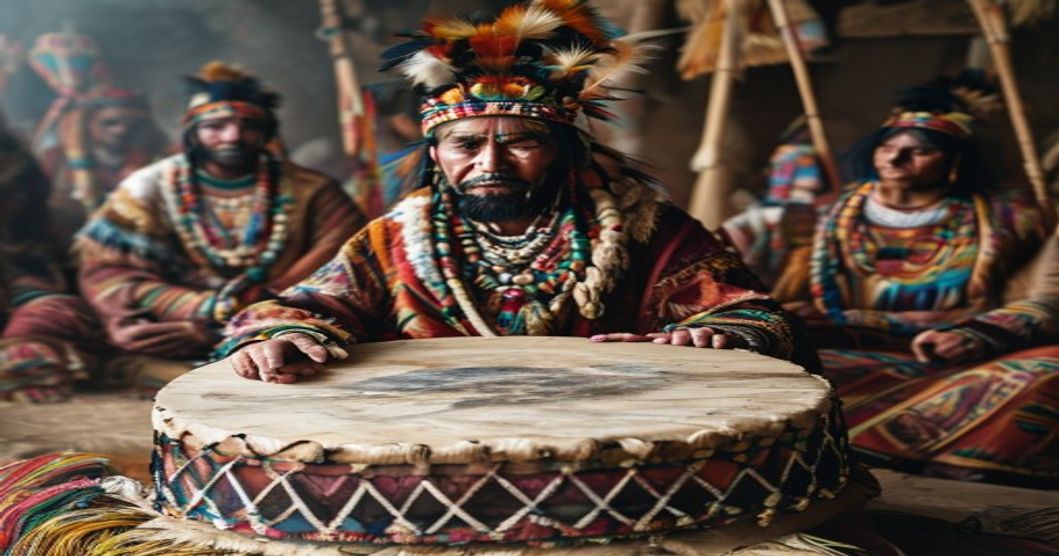
Historical Origins and Cultural Significance of the Sámi Drum
The Sámi drums, historically referred to as goavddis or päätki, functioned as central ritual instruments within indigenous reindeer-herding communities across Fennoscandia. These artifacts emerged from pre-Christian cosmological frameworks, serving as physical conduits between the mortal realm and spiritual forces. Early archaeological evidence indicates that drum-making traditions evolved alongside seasonal migration patterns, with each regional variant reflecting localized ecological knowledge and oral transmission networks.
Pre-Christian Spiritual Foundations and Shamanic Practices
Traditional Sámi shamanic drum usage was exclusively managed by the noaidi, a designated spiritual practitioner who interpreted cosmic alignments, animal migrations, and community fortune through structured divination. The instrument operated as a cosmological map, with painted iconography representing celestial bodies, underworld realms, and terrestrial ecosystems. Ritual efficacy depended on precise acoustic resonance, achieved through controlled striking techniques that induced trance states for weather forecasting, hunting success, and healing ceremonies.
Socio-Political Context and Historical Suppression
Colonial expansion and forced Christianization during the seventeenth and eighteenth centuries triggered systematic destruction of Sámi drum history. Missionary authorities classified these instruments as pagan relics, resulting in public burnings and clandestine preservation by remote herding families. Surviving examples were often altered or disguised to evade confiscation, creating fragmented archival records that modern ethnographers must cross-reference with oral testimonies and material analysis.
Traditional Craftsmanship and Material Selection
The construction of a reindeer hide drum required specialized knowledge of seasonal animal husbandry and botanical processing. Artisans selected mature reindeer hides to ensure tensile strength, followed by meticulous scraping to remove adipose tissue while preserving dermal collagen integrity. The drying phase occurred in shaded, ventilated spaces to prevent warping, with the hide subsequently stretched over a carved wooden base secured using braided birch root cordage.
Anatomical Preparation and Hide Treatment
Traditional Sámi drum construction mandated precise alignment of muscle fibers along the radial axis to maintain uniform tension. Hides underwent fumigation with juniper smoke to deter insect infestation, followed by application of rendered fat to prevent desiccation cracking. Artisans monitored humidity absorption rates, adjusting stretching frequency until the surface achieved a resonant pitch when tapped lightly with a wooden mallet.
Frame Engineering and Tensioning Mechanisms
Drum bases were typically carved from spruce or pine, utilizing green-wood carving techniques to maintain natural flexibility. Artisans drilled peripheral channels for birch root lacing, applying progressive tension through a knotting sequence that distributed stress evenly across the hide perimeter. Iron or brass studs were hammered into predetermined positions, functioning both as decorative markers and divination indicators during ritual operations.
Sacred Symbolism and Divination Methodology
The iconographic system of Sámi drum symbolism operated as a non-textual knowledge archive. Painted motifs followed strict geometric conventions, utilizing natural pigments derived from lichen extracts, crushed berries, iron-rich ochre, and charcoal. Each color category carried cosmological weight: red denoted life force and fire deities, black represented the underworld and ancestral spirits, white signified celestial purity, and blue indicated waterways and seasonal transitions.
Cosmological Mapping and Iconographic Conventions
Sámi drum symbolism divided the surface into three concentric zones representing upper, middle, and lower worlds. Central cross-hatching illustrated the world tree connecting spiritual strata, while peripheral arcs mapped reindeer migration corridors and fishing grounds. Diviners referenced specific stud positions to interpret omens, with cluster density indicating urgency and directional placement signaling environmental variables such as wind patterns or prey movement.
Operational Practices in Ritual Contexts
Ritual execution required precise rhythmic sequences synchronized with joik vocalizations. The noaidi struck designated studs using a carved wooden striker, listening for harmonic decay rates to assess spiritual receptivity. Drum orientation relative to sunrise or sacred landmarks determined ritual efficacy, with practitioners adjusting tension knots seasonally to account for atmospheric pressure changes affecting acoustic properties.
Scientific Conservation and Museum Preservation Protocols
Sámi drum conservation demands interdisciplinary collaboration between conservators, indigenous knowledge holders, and materials scientists. Deteriorated hides exhibit collagen fiber fragmentation due to historical humidity fluctuations and microbial activity. Stabilization requires controlled microclimate environments that replicate original drying conditions without inducing thermal shock or adhesive degradation.
Environmental Control and Humidity Management
Museum display cases must maintain relative humidity between forty-five and fifty-five percent, with temperature stabilization at eighteen to twenty degrees Celsius. Fluctuations beyond these parameters accelerate hide shrinkage, causing stud detachment and pigment flaking. UV filtration glass and motion-activated lighting reduce photochemical degradation, while inert gas flushing minimizes oxidative reactions on iron-based pigments.
Stabilization Treatments for Deteriorated Hides
Preserving indigenous artifacts involves reversible consolidation methods using methyl cellulose solutions calibrated to match original hide porosity. Conservators apply capillary action techniques to penetrate cracked collagen networks without altering surface texture. Structural support utilizes acid-free archival backing boards with custom-milled acrylic cradles that distribute weight evenly, preventing gravity-induced stress on historically compromised tension zones.
Contemporary Revival and Ethical Stewardship
Modern Sámi drum revival initiatives prioritize indigenous-led replication programs that document traditional techniques through intergenerational apprenticeship. Cultural centers across Sápmi establish material libraries containing historically accurate pigments, wood species, and hide preparation methodologies. Academic institutions collaborate with Sámi artisans to develop standardized conservation guidelines that respect sacred protocols while enabling scholarly examination.
Indigenous-Led Replication and Knowledge Transfer
Traditional craft revival projects emphasize ethical material sourcing, prohibiting commercial reindeer hide trade for ceremonial purposes. Artisans utilize ethically harvested fallow deer or domestic bovine hides as alternative substrates during sacred drum production, maintaining acoustic properties while adhering to contemporary wildlife regulations. Digital mapping archives record tensioning sequences, pigment mixing ratios, and divination interpretations for future generations.
Decolonizing Cultural Heritage Practices
Repatriation frameworks now govern the handling of Sámi drums held in European collections, requiring institutional agreements that acknowledge indigenous sovereignty over ritual knowledge. Replicas crafted for academic display undergo strict iconographic review to prevent inappropriate modification or secular commodification. Collaborative curation models ensure that conservation documentation includes oral histories, linguistic terminology, and community-defined protocols governing sacred versus ceremonial usage classifications.
The Sámi Drum: Ritual Instrument and Cosmological Map
The **sámi drum** functions as a ritual instrument and cosmological map. Indigenous communities across Fennoscandia utilized it for spiritual navigation. The artifact bridges human activity and natural forces. Modern scholarship treats the drum as a primary historical document.
Historical Origins and Cultural Context
Early **noaidi** shamanic practices trace to prehistoric reindeer herding societies. Archaeological finds confirm drum presence in Bronze Age contexts. Oral transmission preserved core methodologies across centuries. Colonial suppression drastically reduced active drum usage.
Pre-Christian Rituals and Syncretic Adaptations
Pre-Christian rituals relied on drums for seasonal forecasting. Syncretic periods merged Norse and Christian symbols into traditional frameworks. Drum surfaces displayed hybrid iconography during missionary contact. Communities adapted drum functions to maintain cultural continuity.
Construction Techniques and Material Selection
Artisans selected specific wood types for structural integrity. **Birch** and **pine** frames provided optimal resonance properties. Hide tension dictates acoustic output and symbolic layering. Each component carries precise cosmological meaning.
Frame Assembly and Hide Preparation
**Reindeer** or **elk hides** undergo extensive curing processes. Salt and smoke treatment prevent leather degradation. Artisans stretch hides over bentwood frames using rawhide thongs. Heat application smooths the surface for pigment adhesion.
Pigment Application and Symbolic Motifs
Pigments derive from natural minerals and organic compounds. **Red ochre** represents fire and vitality within Sámi cosmology. Circular diagrams outline the three-tiered Sámi universe. Motif placement follows strict ritual geometry rather than artistic freedom.
Ritual Practices and Divination Methods
Ceremonial drumming requires precise rhythmic patterns and vocal coordination. The practitioner strikes the drum with a wooden mallet during trance states. Vocalizations synchronize with percussive impacts to induce altered consciousness. Ritual sequences follow established indigenous protocols.
Divination Techniques and Omens
Practitioners cast **copper pendants** onto the drum surface. Landing positions dictate specific omens and future predictions. Spirit guides interpret pendant alignments during nocturnal sessions. Divination outcomes directly influence hunting routes and migration timing.
Festival Ceremonies and Community Events
Spring thaw ceremonies address reindeer migration patterns and resource allocation. Winter solstice gatherings focus on spiritual renewal and ancestral veneration. Healing rituals utilize drum vibrations to restore physical and mental equilibrium. Community leaders coordinate festival logistics across multiple generations.
Preservation, Documentation, and Contemporary Revival
Institutional archives catalog surviving drums for academic analysis. Digital reconstruction projects restore fragmented historical artifacts. Contemporary artisans replicate traditional methods using authentic materials. Educational initiatives transmit drum craftsmanship to younger Sámi generations.
Academic Documentation and Museum Archiving
Researchers apply **multispectral imaging** to recover faded drum pigments. Provenance tracking combats historical looting and unauthorized collection. Digital 3D modeling preserves fragile artifacts without physical handling. Collaborative curatorial models prioritize Sámi oversight in exhibition design.
Modern Sámi Artisan Revival and Educational Programs
Vocational workshops teach frame bending and hide curing techniques. University partnerships integrate Sámi drum studies into anthropology curricula. Apprenticeship systems replace fragmented classroom instruction. Economic support programs enable sustainable artisan livelihoods.
Frequently Asked Questions
What is Sami Drum Traditions and Rituals?
The Sami drum traditions and rituals refer to the sacred practices of the indigenous Sámi people of northern Scandinavia, centered around the use of the goavddis (Sámi drum). Historically used by noaidi (shamans) for divination, spiritual guidance, and connecting with the spirit world, these rituals involved drumming, chanting, and symbolic imagery painted on the drum’s surface. Though largely suppressed during Christianization, the tradition has seen a cultural revival in modern times as a symbol of Sámi heritage and identity.
Key facts about Sami Drum Traditions and Rituals
Key facts include: (1) The Sámi drum was primarily a tool for divination and spiritual communication, not music; (2) Its surface was divided into sections representing different worlds (earth, sky, underworld); (3) Noaidi (shamans) used a pointer to interpret patterns created by striking the drum; (4) The tradition was heavily persecuted in the 17th–18th centuries but has been preserved and revitalized through museums, academic research, and contemporary Sámi cultural movements; (5) Modern Sámi communities continue to honor these rituals as part of their intangible cultural heritage.