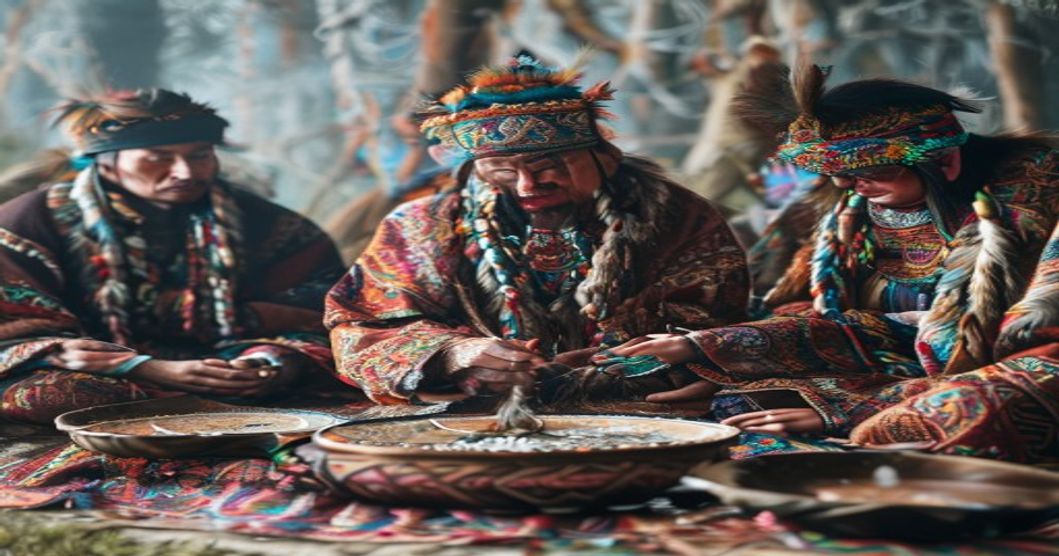
Understanding Traditional Sami Spiritual Ceremonies
The spiritual framework of the Sámi people centers on a deeply interconnected worldview where nature, community, and the unseen realm operate as a single continuum. Traditional ceremonies were never isolated performances but functional rituals designed to maintain ecological balance, ensure successful hunting or reindeer herding, and navigate critical life transitions. Central to these practices was the noaidi, a spiritual mediator who utilized rhythmic drumming, specific chants, and altered states of consciousness to communicate with viddis (spirits) and bierjjá (deities). The goavddis, or shamanic drum, served as both a cosmological map and a navigational tool. Its painted panels depicted the upper, middle, and lower worlds, guiding the noaidi through spiritual journeys aimed at diagnosing illness, locating lost objects, or securing favorable weather patterns.
Rituals were tightly synchronized with natural cycles. Spring calving periods required appeasement rituals for reindeer spirits, while autumn migrations demanded gratitude offerings to landvahttis (guardian spirits of specific territories). Participants often gathered in lavvu tents arranged according to sacred geometry, reinforcing communal cohesion during the ceremony. Core elements included the joik, a non-lexical vocal tradition that does not merely describe but invokes the essence of a person, animal, or landscape. Unlike Western musical structures, joiks functioned as spiritual anchors, allowing practitioners to channel energy and align with natural forces. Offerings typically consisted of reindeer antlers, dried fish, or symbolic carvings placed at seida stones, which marked spiritually potent locations where the boundary between physical and metaphysical realms thinned.
- Sacred Geography: Ceremonies occurred only at designated sites where geological formations stored accumulated spiritual energy.
- Vocal Mechanics: Joiks utilized microtonal shifts and breath control to mimic animal calls, wind patterns, or river flows, creating resonant frequencies believed to influence physical outcomes.
- Kinetic Rituals: Drummers maintained precise rhythmic cycles while entering trance states, using drumsticks carved from birch wood to trace cosmic pathways across the hide surface.
Modern archaeological and ethnographic records confirm that these ceremonies operated without centralized dogma. Instead, they relied on localized knowledge transmission, where elders passed down drum designs, chant variations, and ritual protocols through direct mentorship. The efficacy of a ceremony depended on precise timing, environmental conditions, and the practitioner’s spiritual readiness. Disruptions to traditional practices during colonial periods led to fragmented knowledge systems, yet core cosmological principles remain embedded in contemporary Sámi cultural revival movements. Understanding these ceremonies requires recognizing their practical function: they were survival mechanisms encoded in ritual, where spiritual discipline directly influenced material outcomes in one of Earth’s most demanding environments.
Historical Origins and Cultural Foundations
The spiritual framework of the Sámi people developed through continuous adaptation to Arctic environments, subsistence economies, and animistic cosmology well before external documentation. Historical evidence indicates that pre-Christian ritual life centered on the noaidi, a designated intermediary who communicated with invisible forces responsible for weather patterns, animal migration routes, and community prosperity. Norse runic accounts and early missionary field notes describe these practices across Sápmi, spanning from northern Fennoscandia to the Russian Kola Peninsula.
Sami cosmology structured reality into vertical domains: the upper realm governed by celestial entities such as Bieggolmmái, the inhabited middle earth supporting human and reindeer communities, and the lower waters inhabited by aquatic spirits. Ritual activity concentrated on sieidi locations—natural rock formations or tree roots considered active spiritual nodes where participants deposited antlers, dried fish, or traded metal objects before expeditions. The goavddis drum operated as a ritual instrument rather than musical equipment. Drum surfaces displayed painted cosmological maps and symbolic markers that guided the noaidi through trance-induced journeys, with rhythmic patterns functioning as navigational coordinates for otherworldly travel.
- Sacred Geography: Sieidi sites functioned as territorial anchors where seasonal gatherings coordinated resource distribution and spiritual obligations across family groups.
- Oral Preservation Systems: Joik melodies transmitted ecological calendars, genealogical records, and ceremonial protocols through melodic variation rather than linear narration.
- Cyclical Ritual Timing: Ceremonial schedules synchronized with reindeer calving periods, salmon spawning cycles, and solstice transitions to maintain ecological equilibrium.
Seventeenth through nineteenth century Christianization initiatives suppressed public drum ceremonies and sieidi veneration, compelling practitioners to internalize rituals within household spaces. Archaeological excavations reveal ritual continuity extending beyond two millennia, with artifact distributions aligning with historical exchange networks that facilitated spiritual knowledge transfer across indigenous territories.
The Role of the Noaidi in Ritual Practice
The Noaidi operated as the primary spiritual mediator within traditional Sámi communities, functioning as a direct conduit between human activity and the invisible forces governing nature, fate, and ancestral realms. This role required intensive apprenticeship under experienced elders, focusing on trance induction techniques, symbolic drum interpretation, and specialized vocal modulation. Practitioners underwent rigorous physical conditioning and seasonal fasting to prepare their nervous systems for altered states of consciousness essential for ritual work.
Sacred Drum Mechanics and Divination
The goavddis served as the central diagnostic tool during all ceremonial operations. The Noaidi struck the reindeer-hide membrane with a wooden mallet while maintaining intense focus on specific community inquiries. Rhythmic patterns combined with pre-existing symbolic markings revealed guidance regarding hunting trajectories, reindeer migration routes, and impending ecological shifts. Each strike produced distinct acoustic frequencies that altered neural processing, enabling the practitioner to access layered subconscious knowledge typically inaccessible during ordinary waking states.
- Healing Protocols: Spiritual imbalances manifested as physical illness or misfortune. The Noaidi diagnosed root causes by identifying offending nature spirits or ancestral entities requiring negotiation or appeasement.
- Spirit Journeying: During trance states, the practitioner navigated lower and upper cosmological realms to communicate with habme (territorial guardians) and áhkku (ancestral protectors), retrieving lost soul fragments or negotiating favorable outcomes for failing hunts.
- Ritual Preparation: Sacred sites required precise arrangement of iron tools, birch bark, reindeer antlers, and woven wool to enhance spiritual conductivity. Vocal techniques known as juoigan provided harmonic structures that synchronized ceremonial activity with environmental frequencies.
Community ceremonies demanded strict adherence to established protocols. The Noaidi directed offerings of reindeer blood, dried fish, and smoked meat to territorial deities during solstice gatherings or major life transitions. These exchanges maintained ecological balance by honoring reciprocal relationships between human settlement and wilderness territories. Dispute mediation also fell under spiritual jurisdiction, as the practitioner interpreted omens and enforced traditional taboos that prevented supernatural retribution from accumulated transgressions.
Training methodologies emphasized empirical observation over theological dogma. Prospective practitioners learned to distinguish authentic spirit encounters from psychological projections through systematic testing and elder supervision. The operational framework functioned as a sophisticated ecological management system where ritual precision directly correlated with community survival in extreme northern environments. Contemporary Sámi cultural preservation efforts continue documenting these practices, highlighting how ancestral spiritual mechanics addressed practical survival challenges through structured ceremonial intervention.
Core Components of Sami Sacred Rituals
The foundational structure of Sami sacred rituals rests on several interwoven elements that reflect a deep ecological and cosmological worldview. Central to these practices is the goavddis (sacred drum), which functions as both a tool for divination and a portal to the spirit realm. Drummers, known as noaidi, interpret the rhythmic patterns and symbolic markings etched onto the drum’s surface to navigate hunting grounds, predict seasonal shifts, and communicate with ancestral forces. The drum’s construction itself follows strict traditional protocols, utilizing reindeer hide stretched over birch or pine frames, with pigments derived from local minerals and berries.
Equally vital is joik, a vocal tradition that operates as a sonic bridge between the physical and spiritual planes. Unlike conventional songs, joik does not describe a subject; it embodies it. Practitioners use specific melodic contours, throat-like harmonics, and repetitive phrasing to invoke natural elements, animal spirits, or individual identities. The performance often occurs in silence or near sacred landscapes, allowing the acoustic resonance to interact with the environment.
Ritual offerings form another critical pillar. Participants present reindeer antlers, dried fish, woolen threads, or carved wooden figures at sieidi sites—naturally occurring rock formations, mountains, or trees regarded as dwelling places for protective spirits. These offerings are not transactional but reciprocal, acknowledging the interconnectedness of human activity and ecological balance. Seasonal timing dictates the intensity and scope of these ceremonies, with solstices and migration cycles marking periods of heightened spiritual activity.
Finally, spatial orientation remains indispensable. Rituals are deliberately staged in landscapes that align with cardinal directions, water sources, or geological features believed to amplify spiritual energy. The physical arrangement of participants, often seated in a circle facing inward, reinforces communal cohesion while maintaining a clear boundary between the mundane and the sacred. Every gesture, material choice, and acoustic element operates within a tightly defined cosmological framework that has preserved its integrity across generations.
Sacred Instruments and Symbolic Artifacts
The spiritual framework of traditional Sami ceremonial practice relied heavily on physical objects that functioned as conduits between the human realm and the invisible forces governing nature, fate, and hunting success. Central to these rituals was the goavddis, a circular or oval drum crafted from birch bark stretched over reindeer hide and bound with sinew. The surface of each drum contained hand-painted symbols representing distinct cosmological zones: the upper world of celestial deities, the middle earth inhabited by humans and animals, and the lower realm associated with water spirits and ancestral guidance. Divination occurred by striking the drumhead with a mallet marked by an iron ring, allowing the instrument to leap toward specific pictograms that indicated spiritual responses or seasonal omens.
- Iron ritual knives (sieidi knives) were used for ceremonial cutting and blood offerings during sidai stone rites, symbolizing the severing of material ties to access visionary states.
- Copper coin belts woven into ceremonial garments served as auditory amplifiers during trance dances, their metallic resonance believed to attract protective spirits while masking human vocal frequencies from unwanted entities.
- Antler and wooden ritual figures carved from fallen birch or reindeer antlers represented ancestral guardians, placed near dwelling entrances to regulate household fortune and monitor hunting migration patterns.
These artifacts were never decorative. Each object underwent consecration through smoke purification with juniper and lingonberry branches, followed by offerings of dried fish, reindeer fat, or woven wool strips tied to nearby sacred trees. The precise arrangement of drums, rattles, iron tools, and carved figures within a temporary ceremonial enclosure established a microcosm of the Sami worldview, aligning human action with cyclical natural rhythms. Practitioners documented specific combinations of instruments for distinct purposes: healing ceremonies required paired rattle drums and copper bells to manipulate vibrational frequencies, while fertility rites demanded antler staffs positioned at cardinal points to channel seasonal renewal energies. The material composition, wear patterns, and placement protocols of these artifacts reflect a highly systematized approach to spiritual practice that prioritized functional precision over aesthetic expression. Historical field records indicate that drum dimensions varied by region, with southern Sámi communities favoring larger percussion surfaces for group divination, while northern practitioners utilized compact handheld variants for individual trance navigation.
Rhythmic Drumming and Vocal Chanting Techniques
The rhythmic foundation of traditional Sami spiritual ceremonies relies on precise drumbeat patterns played on the goavddis, a handcrafted frame drum typically constructed from reindeer wood and stretched moose or reindeer hide. Skilled practitioners employ striking techniques including palm strikes, finger taps, and specialized drumstick percussion, each generating distinct acoustic frequencies that guide participants into focused meditative states. The tempo generally oscillates between forty and sixty beats per minute, mirroring human resting heart rates to facilitate physiological entrainment. This deliberate pacing suppresses cognitive overactivity while amplifying auditory processing, creating an optimal environment for ritual progression.
Vocal chanting techniques operate in tandem with drumming, utilizing extended tonal ranges and repetitive phonetic structures derived from ancient vocal traditions. Practitioners deploy layered polyphonic harmonies, often incorporating overtone singing methods that produce multiple simultaneous pitches from a single vocal source. Syllabic sequences function as sonic anchors, repeated across escalating intensity levels to maintain group synchronization. Call-and-response formations allow the lead ritual specialist to direct communal energy, while secondary voices provide harmonic stabilization and rhythmic reinforcement.
- Rhythmic Encoding: Beat variations correspond to celestial movements, seasonal transitions, and ancestral timelines, with tempo shifts signaling transitions between ordinary reality and altered spiritual planes.
- Vocal Modulation: Frequency adjustments encode mythological narratives, healing directives, or divination queries directed toward spirit companions.
- Kinetic Propagation: Physical drumming generates acoustic energy that traverses the ceremony space, while vocal frequencies penetrate deeper psychological layers, collectively dismantling conventional perception barriers.
Transmission of these techniques occurs through rigorous apprenticeship models emphasizing kinesthetic learning and auditory memorization. Master ritual specialists diagnose individual student capabilities before introducing complex polyrhythms or advanced overtone manipulation. Regional variations dictate specific rhythmic signatures, with northern communities favoring rapid triple-meter patterns for migration rituals while southern groups employ elongated duple beats for solstice ceremonies. Contemporary preservation efforts utilize documented notation systems and controlled ceremonial replication to maintain acoustic authenticity across generations.
Major Ceremonial Events and Their Significance
The most prominent gatherings in Sami spiritual tradition revolve around seasonal transitions, each anchored to specific ecological markers and ancestral narratives. The Spring Reindeer Sacrifice marked the beginning of the migration cycle, requiring precise timing dictated by snowmelt patterns and reindeer herd movements. Participants gathered at designated sacred landscapes where the noaidi interpreted drum patterns to determine the most favorable routes for survival. Midsummer ceremonies aligned with the midnight sun, focusing on purification rituals and communal feasting that reinforced kinship ties across dispersed clans. Winter solstice events operated as critical knowledge transfer sessions, where elders encoded navigation techniques, weather prediction methods, and mythological frameworks into rhythmic joik sequences.
These gatherings followed strict procedural protocols governed by hereditary spiritual authorities. The goavddis drum functioned as a cosmological map rather than a musical instrument, with painted symbols representing mountain spirits, water deities, and ancestral guides. Ritual participants underwent fasting and isolation periods before assembly to achieve the required mental clarity for spirit communication. Vocal techniques employed specialized melodic structures that mimicked wind patterns and animal calls, enabling practitioners to navigate altered states of consciousness without external aids. Communal participation remained mandatory across all age groups, ensuring continuous cultural transmission through direct experiential learning rather than textual documentation.
- Seasonal timing dictated by ecological indicators rather than fixed calendar dates
- Sacred geography determining site selection based on geological formations and historical spirit encounters
- Ritual purification sequences involving smoke, water immersion, and dietary restrictions
- Intergenerational knowledge transfer through performative repetition and oral mnemonic structures
The ecological dimension of these events extended beyond spiritual fulfillment. Ritual calendars synchronized with predator migration patterns, vegetation cycles, and ice formation timelines, creating an integrated management system for resource allocation. Modern preservation initiatives now document surviving ceremonial frameworks while respecting community protocols regarding restricted knowledge transmission. Contemporary practitioners maintain strict boundaries between publicly shared performances and internally protected ritual sequences, ensuring cultural integrity remains intact during revival efforts.
Seasonal Transitions and Ecological Alignments
The traditional Sami cosmology operates on a precise calendar dictated by environmental shifts rather than fixed Gregorian dates. Spiritual observances synchronize with the movement of the sun, the phases of the moon, and the behavioral rhythms of reindeer herds. When the midnight sun breaks through the polar night, communities perform purification rites to welcome light back into the landscape. These ceremonies mark the exact moment when lichen begins to thaw and calving grounds become accessible. Drum patterns encode ecological data, with specific drum faces representing spring meltwater streams or autumn grazing territories. Elders interpret drum beats as instructions for resource distribution, ensuring that hunting and herding activities do not disrupt fragile breeding cycles.
Winter ceremonies focus on endurance and spiritual navigation through snowstorms. The noaidi conducts rituals using animal skins and copper bells to map invisible pathways across frozen tundra. Participants invoke ancestral spirits to protect livestock from avalanche risks and predatory threats. These practices embed ecological monitoring directly into spiritual frameworks. Drum rhythms change frequency based on wind direction, snow density, and ice thickness on rivers, functioning as an oral weather forecast system. The community relies on these sacred acoustic signals to adjust camp locations before storms intensify.
- Spring equinox rituals involve cleaning ritual spaces and preparing copper drums for migration tracking
- Summer solstice ceremonies align with reindeer calving seasons, emphasizing territorial boundaries and water source protection
- Autumn gatherings coincide with slaughter seasons, where spiritual protocols ensure respectful handling of animal spirits and sustainable herd management
- Winter darkness periods trigger trance journeys to negotiate seasonal balance between human activity and predator populations
Ecological alignment extends beyond timing. Sacred groves near rivers maintain specific tree ages that regulate soil moisture levels for reindeer forage. Drum construction requires wood from fallen birch or pine, preventing unnecessary deforestation while maintaining ritual integrity. Copper weights attached to drum handles correspond to lunar cycles, allowing practitioners to calculate optimal hunting windows without overexploiting prey populations. This integration of spirituality and environmental science operates through generational oral transmission rather than written records, preserving adaptive management strategies that respond to microclimate variations across the Arctic region.
Healing Practices and Ancestor Communion Rites
The Sámi spiritual framework historically positioned healing as a holistic restoration of physical, emotional, and communal equilibrium rather than isolated symptom management. Central to this system was the noaidi, a ritual specialist who navigated multiple cosmological layers through drum divination (goavddis), rhythmic chanting, and controlled trance states. The Sámi drum functioned as a cartographic instrument: painted symbols mapped spirit territories, illness origins, and optimal timing for intervention. When disease or misfortune occurred, the noaidi interpreted drum patterns to identify whether the affliction stemmed from broken taboos, displaced soul fragments, or ancestral displeasure.
Restorative protocols relied heavily on targeted herbal applications, incense fumigation, and vocal toning. Pine resin, lichen species, and specific bark extracts were prepared under precise lunar phases to maximize therapeutic properties. Chants operated as acoustic scaffolding; each melodic contour aligned with a particular spirit guide or ancestral lineage. The performer maintained strict dietary and behavioral restrictions before ritual onset to ensure vocal purity and spiritual receptivity. Healing sessions frequently concluded with communal sharing of reindeer milk or smoked meat, reinforcing social cohesion alongside individual recovery.
Ancestor communion rites formed the structural backbone of Sámi cosmological maintenance. Communities recognized deceased kin as active participants in daily survival, capable of influencing weather patterns, hunting success, and livestock health. Offerings at sieidi stones—natural rock formations or carved wooden markers—typically included reindeer antlers, dried fish, iron tools, or woven textiles. These deposits were not mere gestures but contractual exchanges: communities provided material sustenance to ancestral spirits in return for continued protection and ecological balance.
- Seasonal gatherings occurred during autumn equinox and spring thaw, marking transitions requiring spiritual recalibration
- Sacrificial animals underwent ritual purification; only unblemished specimens were permitted at sacred sites
- Drum circles facilitated multi-generational dialogue, with elders transmitting divination techniques through apprenticeship rather than written documentation
Contemporary ethnographic records confirm that these practices operated within a strictly regulated temporal framework. Ritual calendar adherence prevented spiritual contamination and maintained intergenerational trust in the specialist’s authority. Violations of sieidi protocols or improper drum handling carried documented social consequences, including temporary exclusion from hunting parties or mandatory fasting periods. The integration of healing mechanics with ancestor veneration created a self-sustaining cultural ecosystem where spiritual maintenance directly supported material survival.
Sami Spiritual Cosmology and Worldview
The Sami spiritual cosmology operates on a fundamentally relational framework where the physical landscape functions as a living archive of ancestral memory and environmental intelligence. Traditional belief systems map existence across three interconnected realms: the upper world inhabited by celestial beings and atmospheric spirits, the middle world encompassing human settlements, wildlife corridors, and seasonal migration routes, and the lower world governed by earth mothers and subterranean forces. These layers do not function as separate domains but operate as a continuous ecological continuum where spiritual energy circulates through natural phenomena, dream states, and ritual intermediaries known as Noaidi.
Sacred geography anchors this cosmological structure. Sites designated as sieidi or goavdde serve as focal points where terrestrial and celestial boundaries converge, allowing practitioners to negotiate with environmental forces. These locations are never randomly selected but correspond to specific topographical features such as glacial erratics, pine groves, mountain passes, or coastal inlets that align with solar movements and auroral activity. Offerings placed at these sites typically include reindeer antlers, copper coins, or dried fish, functioning as reciprocal transactions rather than supplications. This practice reinforces a core principle: survival depends on maintaining equilibrium between human extraction and ecological regeneration cycles.
Time within this worldview follows a non-linear trajectory dictated by climatic shifts, animal migrations, and hydrological patterns. Seasonal transitions trigger specific ritual obligations tied to reindeer husbandry, fishing windows, and berry harvesting periods. The Noaidi facilitates continuity across these phases by interpreting omens, conducting drum divination, and performing rites that realign community practices with environmental feedback loops. This cosmological architecture rejects the separation between culture and nature, positioning human groups as active participants within a broader ecological network governed by mutual obligation.
- Sacred Geography: Sieidi formations operate as territorial nodes where spiritual concentration occurs, requiring precise protocols for approach, offering placement, and silence maintenance.
- Divination Mechanics: Drum readings utilize painted symbols to track spirit movements across temporal boundaries during seasonal transitions, guiding hunting and migration decisions.
- Ethical Reciprocity: Resource extraction follows strict regeneration limits ensuring that harvest volumes never exceed population recovery thresholds for flora and fauna.
Archaeological findings and oral transcriptions confirm that this cosmological framework historically dictated settlement patterns, tool metallurgy, and inter-community conflict resolution. The structural integrity of Sami spiritual ecology remains embedded in place-based knowledge systems that prioritize long-term sustainability over short-term extraction, maintaining relevance through continuous adaptation to environmental monitoring practices.
Reciprocal Relationships Between Humans and Nature
The Sami worldview operates on a foundational principle of mutual obligation between people and the living landscape. Rather than viewing nature as a resource to be extracted, traditional cosmology frames the environment as a network of conscious entities requiring continuous exchange. Reindeer herders, hunters, and gatherers operate under the understanding that survival depends on maintaining spiritual equilibrium with luonddu—the animating force embedded in forests, mountains, waterways, and wildlife. This reciprocity is not metaphorical; it dictates concrete behavioral protocols that govern movement across the tundra and taiga.
Ritual offerings establish the physical and metaphysical channels through which this exchange occurs. Practitioners leave antlers, dried fish, or woven birch bark at sieidi stones—natural rock formations believed to house protective spirits. These sites function as terrestrial intersections where human intentions meet environmental responsiveness. Seasonal migrations follow strict ecological markers aligned with spiritual calendars, ensuring that harvesting never outpaces regeneration. When a reindeer is taken, specific bones are returned to the earth in prescribed orientations, while the flesh is utilized entirely to honor the animal’s spirit contract.
- Sieidi veneration: Sacred stones serve as conduits for gratitude and petitions, requiring abstention from waste or disrespectful proximity.
- Goavddis drum divination: Ritual patterns map terrain features to spiritual territories, guiding sustainable hunting routes based on ancestral feedback.
- Joik transmission: Vocalizations encode geographic memory and species behavior, functioning as auditory stewardship tools that reinforce ecological awareness across generations.
The continuity of this system relies on immediate environmental feedback. Drought, unusual wildlife behavior, or disrupted migration paths signal a breach in the reciprocal contract, prompting communal rituals to restore alignment. Contemporary land managers and indigenous scholars recognize that these practices predate modern conservation frameworks by centuries, embedding sustainability into daily spiritual discipline rather than regulatory compliance. The landscape retains agency within this paradigm; humans act as participants rather than directors, ensuring cultural survival remains inseparable from ecological integrity.
Modern Revival Movements and Community Initiatives
Contemporary efforts to restore Sami spiritual practices have shifted from isolated cultural preservation to structured, community-driven movements across Sápmi. Grassroots organizations in Norway, Sweden, Finland, and Russia now coordinate seasonal gatherings that integrate joik restoration protocols, drum divination training, and ancestral ecological ethics with formal educational frameworks. These initiatives prioritize intergenerational knowledge transfer, recognizing that spiritual continuity requires active participation rather than static archival documentation. Digital repositories managed by regional Sámi Parliaments and independent cultural trusts have cataloged historical drum manuscripts, ritual audio recordings, and oral testimonies, establishing searchable databases for researchers and community members. Accessibility functions alongside embodied practice, as local councils organize hands-on workshops led by elder knowledge keepers who guide participants through ceremonial protocols, kinship obligations, and linguistic nuances embedded in sacred terminology.
- Institutional Funding & Festival Production: Nordic Council cultural grants finance mobile exhibition units and annual ritual festivals that travel to remote settlements, ensuring geographic accessibility while generating sustainable tourism revenue controlled by indigenous cooperatives.
- Youth Integration & Educational Curricula: Schools in Tromsø, Kiruna, and Inari incorporate ritual ecology into environmental science programs. Students engage in supervised ceremonial simulations that teach sustainable harvesting techniques while reinforcing cultural identity through direct mentorship.
- Digital Archiving & Ethical Boundaries: Community leaders utilize encrypted messaging networks for secure knowledge exchange among initiated practitioners, deliberately limiting algorithmic amplification to prevent cultural commodification. Legal frameworks now mandate explicit kinship consent before any public performance of spiritual elements.
UNESCO recognition of Sami drum traditions as Intangible Cultural Heritage has triggered national policy revisions, particularly regarding land-use restrictions near sacred sites and reindeer migration corridors. These protections enable uninterrupted seasonal ceremonies while reducing conflicts with extractive industries. Contemporary revival operates as a living adaptation rather than historical reenactment, balancing documented tradition with modern socio-political realities. Community-led governance models ensure that spiritual restoration remains decentralized, preventing institutional homogenization while maintaining methodological rigor across different Sámi dialect groups.
Indigenous Rights Frameworks and Institutional Support
The intersection of Sami spiritual practices and contemporary legal structures operates through a multi-layered network of international declarations, national legislation, and dedicated cultural institutions. The United Nations Declaration on the Rights of Indigenous Peoples establishes the baseline for protecting ancestral rituals, land access, and religious autonomy across Arctic jurisdictions. Domestic implementation diverges significantly among Norway, Sweden, Finland, and Russia, where specific Sami Acts and constitutional amendments determine the scope of institutional backing. National bodies such as the Sámediggi assemblies coordinate policy advocacy, secure municipal grants, and monitor heritage compliance. These organizations negotiate directly with energy developers, forestry agencies, and tourism boards to preserve acoustic and visual integrity around sacred landscape features essential for noaidi rituals and seasonal festival gatherings.
- Nordic cultural ministries administer targeted funding streams that finance the archival preservation of joik repertoire, the restoration of traditional ceremonial grounds, and intergenerational training programs led by recognized community elders.
- University research partnerships operate under strict ethical protocols requiring free, prior, and informed consent before documenting sacred practices or mapping ritual geography.
- Scandinavian court systems increasingly reference traditional ecological knowledge during land adjudication processes, indirectly reinforcing spatial boundaries necessary for uninterrupted spiritual ceremonies.
International heritage designations under UNESCO trigger cross-border conservation budgets and standardized monitoring frameworks that prevent industrial encroachment on historically significant sites. Indigenous legal networks continuously track legislative amendments to ensure policy adjustments never dilute existing protections. Bureaucratic approval timelines for gathering sacred materials or establishing new ritual infrastructure remain complex, requiring sustained coordination between municipal authorities, regional heritage boards, and community governance structures. Institutional support ultimately functions as a stabilizing mechanism that translates historical recognition into actionable preservation strategies while maintaining strict community control over spiritual documentation. Regional cultural centers provide technical assistance for grant applications, facilitate cross-jurisdictional dialogue, and manage digital archives that safeguard ritual knowledge from unauthorized commercial exploitation.
Ethical Engagement with Sami Spiritual Traditions
Engaging with Sámi spiritual practices requires a fundamental shift from observational tourism to respectful cultural participation. The core principle revolves around obtaining explicit consent from community elders and knowledge keepers before documenting or participating in any ritual. Many sacred sites, drum ceremonies, yoik traditions, and seasonal gatherings are not public performances but living cultural expressions protected by indigenous rights frameworks. Unauthorized recording, commercial exploitation, or superficial imitation directly violates the Sámi People’s intellectual property rights under international law and erodes centuries-old knowledge systems.
- Free, Prior, and Informed Consent (FPIC) must govern all interactions, ensuring communities retain full authority over how their spiritual knowledge is shared, archived, or published.
- Academic Integrity Protocols require researchers to co-author publications with Sámi experts, compensate knowledge holders fairly, and return digital archives to local repositories rather than retaining institutional control.
- Tourism Compliance Standards mandate that operators avoid staging rituals for audiences, respect seasonal restrictions near sacred landscapes, and redirect all visitor revenue toward community-managed cultural preservation funds.
Ethical frameworks demand that all projects include Sámi representatives in planning stages, revenue distribution, and editorial control. Tourism operators often market joik singing or reindeer herding rituals as entertainment, stripping them of their ecological and cosmological context. Sustainable engagement requires understanding that these traditions remain deeply tied to land stewardship, climate adaptation, and intergenerational memory. Visitors should seek certified guides from Sámi communities, respect photography restrictions near altars or sacred stones, and avoid treating ceremonial objects as artifacts rather than active spiritual instruments.
Supporting indigenous-led cultural centers, purchasing authentic crafts through cooperative networks, and advocating for legal protections against biopiracy or cultural appropriation strengthens long-term preservation efforts. Educational materials must accurately represent Sámi cosmology without romanticizing or exoticizing daily life. When approaching these practices with humility, transparency, and structural support for community autonomy, external engagement becomes a mechanism for cultural continuity rather than extraction.
Cultural Sensitivity Guidelines for Observers and Researchers
Engaging with Traditional Sami Spiritual Ceremonies demands a rigorous ethical framework that prioritizes indigenous sovereignty over academic curiosity. Researchers and observers must first secure explicit, written informed consent from designated community elders and the noaidi or ceremonial leader before any documentation occurs. This consent process requires transparent discussion regarding how recordings, photographs, or transcripts will be stored, who will access them, and under what conditions they may be published or archived. Unrestricted digital distribution of sacred joik melodies, drum patterns, or ritual sequences violates both Sami cultural protocols and international data protection standards.
Core observational protocols dictate that participants maintain a non-intrusive stance throughout rituals. Flash photography, audio recording devices, and portable electronic equipment should remain sealed unless explicitly permitted by the ceremonial authority. Researchers must recognize that many Sami spiritual practices operate within seasonal and ecological cycles tied to reindeer herding routes, forest territories, and coastal environments. Disrupting these temporal rhythms or entering restricted sacred grounds without invitation constitutes a direct violation of indigenous land rights.
- Community-led data governance: All collected materials must be subject to Sami-controlled repositories. Digital archives should implement access tiers where sensitive ritual knowledge remains locked behind institutional authentication managed by the originating Sámi group.
- Language preservation standards: Documentation must utilize authentic Northern, Inari, or Skolt Sami terminology approved by local linguistic committees. Direct translations of sacred concepts into English or Nordic languages often strip contextual meaning and should be avoided in preliminary field notes.
- Compensation and reciprocity frameworks: Academic institutions must establish formal benefit-sharing agreements that fund community cultural revival projects, support youth apprenticeship programs with noaidi practitioners, and cover travel costs for elder consultants.
Long-term fieldwork requires sustained relationship building rather than transactional data extraction. Researchers should participate in public cultural festivals, language workshops, and land rights advocacy initiatives before requesting access to closed ceremonial events. Peer-reviewed publications must include co-authorship credits for Sámi knowledge keepers whose insights shape the research outcomes. Violation of these guidelines not only damages academic credibility but also triggers legal consequences under Finland’s, Norway’s, and Sweden’s indigenous protection statutes.
Verified Academic Sources and Documented Materials
Academic research on Sami spiritual practices relies on a multidisciplinary framework combining ethnography, archival historiography, and indigenous epistemology. Scholars must navigate colonial-era missionary records, nineteenth-century expedition logs, and twentieth-century field notes to reconstruct pre-Christian cosmological systems. Peer-reviewed publications from university presses such as Universitetsforlaget in Oslo and Brill Academic Publishers form the core of verifiable literature. Researchers consistently cross-reference these texts with primary materials housed in the National Archives of Norway, the Swedish Sami Archives, and the Finnish Literature Society manuscript collections.
Key academic contributions include ethnographic studies published in journals like Sami Journal and Arctic Anthropology. These outlets enforce strict methodological standards requiring explicit citation of oral testimonies, drum iconography analysis, and joik transcription protocols. University departments specializing in Sami studies at UiT The Arctic University of Norway and Sami Allaskuvla publish annual monographs that undergo blind peer review before distribution. Fieldwork documentation follows contemporary ethical guidelines established by the International Society for Ethnology and Folklore, ensuring community consent and data sovereignty.
- Archival analysis of eighteenth-century Lutheran missionary correspondence reveals systematic attempts to categorize Sami sacrificial rituals, which modern scholars decode through linguistic triangulation.
- Museum catalogues from the Tromsø Museum and Lofotr Viking Museum contain digitized drum fragments accompanied by spectrographic recordings of associated joik melodies.
- Peer-reviewed dissertations from the University of Oulu Department of Cultural History utilize radiocarbon dating on ritual artifacts to establish chronological frameworks for spiritual practices.
Contemporary academic validation requires triangulating indigenous knowledge holders testimonies with colonial administrative documents. Researchers apply qualitative coding software to transcribed interview data, comparing recurring cosmological motifs across regional dialects. Funding bodies such as the Research Council of Norway and the Swedish Research Council mandate open-access repositories for all generated datasets, ensuring reproducibility. Scholarly consensus emerges only after multiple independent teams verify drum patterns, seasonal ritual calendars, and shamanic journey narratives against primary source materials.
Frequently Asked Questions
What is Traditional Sami Spiritual Ceremonies?
Traditional Sámi spiritual ceremonies are ancient rituals practiced by the Indigenous Sámi people of northern Scandinavia and Russia, deeply rooted in animism and shamanism. Central to these practices is the noaidi (shaman) who uses a drum, chants (joik), and offerings to communicate with spirits, nature, and the divine for healing, divination, and maintaining balance with the natural world.
Key facts about Traditional Sami Spiritual Ceremonies
– The ceremonies are closely tied to nature, seasons, and reindeer husbandry.
– The joik (traditional chant) is considered a spiritual tool rather than just a song.
– Sámi drums were used as sacred maps for divination and guiding rituals.
– These practices were historically suppressed by Christian missionaries but have seen a cultural revival in recent decades.
– They emphasize harmony with animals, forests, mountains, and weather patterns.