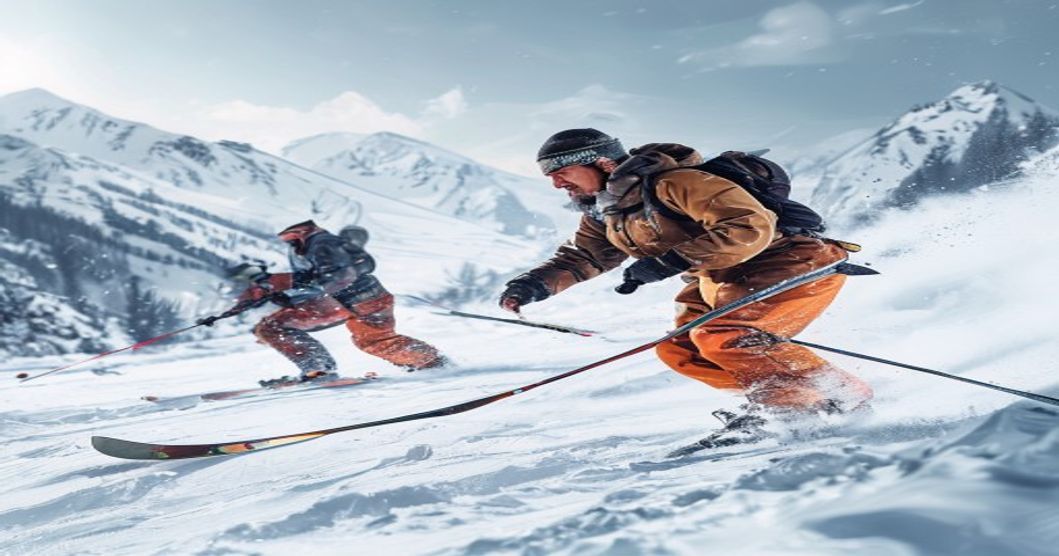
The Origins of Sami Skiing Culture
Traditional Sami skiing techniques emerged from centuries of adaptation to the harsh Arctic environments of Fennoscandia. For the indigenous Sami people, skis were not merely recreational tools but essential instruments for survival, hunting, and communication across frozen landscapes.
Historical Context and Arctic Survival
Archaeological evidence suggests that Sami winter mobility dates back over two millennia. Early skis were crafted from locally sourced birch and pine, designed to distribute weight evenly across deep snowpacks. These primitive skis enabled reindeer herders to traverse vast distances while tracking game and monitoring livestock during extreme subzero conditions.
Cultural Significance in Northern Fennoscandia
Skiing was deeply embedded in Sami spiritual practices and seasonal rituals. The annual migration routes, known as *siidat*, relied heavily on ski trails that connected hunting grounds, fishing lakes, and winter camps. Elders passed down oral instructions on ski maintenance and trail etiquette, reinforcing community cohesion and environmental stewardship.
Core Principles of Traditional Sami Ski Techniques
Mastering traditional Sami skiing methods requires a profound understanding of biomechanics, material science, and terrain dynamics. Unlike modern alpine skiing, which prioritizes speed and control on groomed slopes, Sami techniques emphasize efficiency, silence, and adaptability.
Equipment Mastery: Skis, Bindings, and Wax
Traditional Sami ski construction utilized laminated wood with a pronounced waist and wide tips for flotation. Leather bindings, often hand-stitched from reindeer hide, wrapped securely around the boot without restricting ankle movement. Wax formulations were derived from natural beeswax, pine resin, and animal fats, adjusted seasonally to match snow temperature and humidity.
Body Mechanics and Weight Distribution
The Sami skiing posture centers on a low center of gravity with knees slightly flexed and weight shifted toward the ball of the foot. This stance minimizes energy expenditure during long glides while allowing rapid adjustments when encountering uneven terrain or sudden wind gusts.
Gliding vs. Climbing Strategies
Different Sami ski strokes were employed based on elevation changes. Flat and downhill travel utilized a rhythmic skating motion, while steep ascents demanded the *stegski* technique, where skis were angled outward for maximum grip. Switching between techniques required seamless weight transfer and precise timing to prevent fatigue.
Navigating the Terrain: Following Nature’s Trail
Successful Sami trail navigation depends on interpreting natural indicators rather than relying on artificial markers. Skiers learned to read snowpack density, wind drift patterns, and vegetation shifts to maintain course accuracy across featureless tundra.
Reading Snow Conditions and Weather Patterns
Experienced skiers distinguished between wind-packed snow, soft powder, and ice crust by observing surface texture and listening to ski glide sounds. Overcast skies often signaled approaching blizzards, prompting skiers to seek shelter in tree lines or natural rock formations while adjusting their pace.
Route Selection and Landmark Navigation
Routes were chosen based on Sami winter navigation techniques that prioritized safety over speed. Skiers followed riverbeds, ridge lines, and distinctive tree clusters, using cardinal directions aligned with solar position and seasonal star patterns. Trail markers consisted of stacked stones (*leavttu*), carved wood symbols, and strategically placed pine branches.
Modern Applications and Preservation Efforts
Contemporary Sami skiing revival initiatives integrate ancestral knowledge with modern sports science to sustain cultural heritage. Educational programs across Norway, Sweden, Finland, and Russia teach youth both technical proficiency and ecological awareness.
Cultural Revival and Educational Programs
Institutions such as the Sami Ski Museum and regional cultural centers host workshops focusing on traditional ski carving, binding crafting, and trail navigation. These programs emphasize intergenerational knowledge transfer, ensuring that indigenous winter mobility practices remain relevant in an era of climate change.
Adaptive Techniques for Contemporary Winter Sports
Modern backcountry enthusiasts increasingly adopt Sami-inspired skiing principles for sustainable trail building and low-impact travel. The emphasis on minimal snow disruption, natural wax usage, and terrain-aware pacing aligns with contemporary eco-tourism standards while honoring centuries of Arctic expertise.
Frequently Asked Questions
What is Traditional Sami Skiing Techniques?
Traditional Sami skiing techniques refer to the ancient methods of skiing developed and used by the Sámi people, the indigenous inhabitants of northern Fennoscandia (Norway, Sweden, Finland, and Russia’s Kola Peninsula). These techniques were primarily designed for survival, hunting, and transportation across snow-covered landscapes, featuring distinctive bindings, long wooden skis, and specialized footwork adapted to deep powder and cold climates.
Key facts about Traditional Sami Skiing Techniques
Key facts include the use of long, flexible spruce skis with reindeer leg bindings for secure footing, the employment of a unique gliding stride optimized for deep snow, the integration of hunting and herding purposes into ski design, and the preservation of this heritage as an intangible cultural tradition passed down through generations in Sápmi.