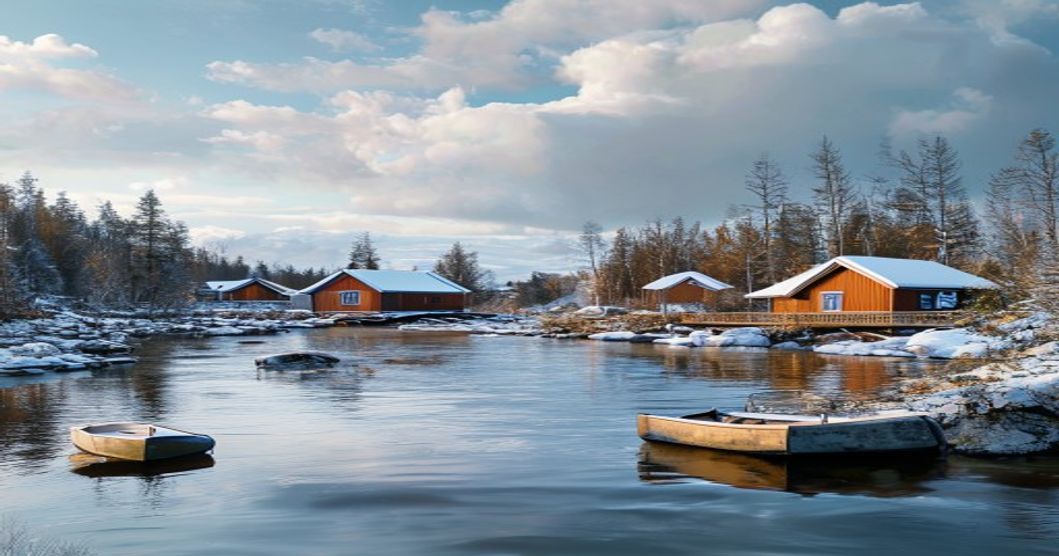
Understanding Sápmi and Indigenous Sami Heritage
The Sami people represent Europe’s only recognized Indigenous population, with a cultural footprint spanning across northern Finnish Lapland, Norway, Sweden, and Russia. Their ancestral homeland, Sápmi, has been shaped by millennia of adaptation to subarctic ecosystems, where survival depended on deep ecological knowledge and communal cooperation. Unlike mainstream Nordic historical narratives, Sami heritage emphasizes oral transmission, seasonal migration patterns, and a non-hierarchical social structure rooted in kinship networks. Modern Indigenous cultural tourism in Lapland prioritizes preserving this living heritage rather than treating it as a static museum exhibit.
Linguistic Diversity and Cultural Preservation Efforts
Sami languages belong to the Uralic language family, distinct from Finnish and Swedish. Today, over ten recognized Sami dialects exist across Sápmi, with North Sami and Inari Sami actively used in education, media, and official contexts within Lapland. Cultural preservation initiatives focus on intergenerational knowledge transfer, digital archiving of joik singing traditions, and legal frameworks that protect Indigenous land rights. Visitors engaging with authentic Sami experiences should recognize that cultural practices are not performances but continuous expressions of identity adapted to contemporary realities.
Traditional Reindeer Herding and Livestock Management
Reindeer herding remains the cornerstone of traditional Sami livelihoods, governing seasonal migration routes known as siida districts. These migratory paths traverse snow-covered plateaus, pine forests, and coastal tundra, requiring precise knowledge of weather patterns, lichen availability, and predator behavior. Modern herding integrates GPS tracking and satellite monitoring alongside ancestral navigation techniques, demonstrating how Indigenous ecological knowledge evolves without losing its core principles.
Seasonal Cycles and Herding Practices
The annual reindeer cycle begins in spring with calving grounds where newborns learn to navigate rocky terrain within hours of birth. Summer months focus on insect protection through strategic grazing near windward ridges, while autumn brings the critical reindeer roundup for marking, selection, and slaughter. Winter operations involve tracking herds across frozen lakes and maintaining communication with remote corrals. Ethical cultural tourism in Lapland requires visitors to participate only through Indigenous-managed cooperatives that compensate herders fairly and limit group sizes to prevent ecological stress.
Hands-On Cultural Immersion and Duodji Craftsmanship
Sami duodji, recognized by UNESCO as Intangible Cultural Heritage, encompasses traditional crafts carved from antler, bone, wood, and reindeer leather. These objects serve functional purposes while embedding
Best Sámi Tourism Experiences in Lapland: Core Offerings & Verification Framework
Authentic Indigenous Experiences & Operational Verification
Reindeer Herding & Traditional Migration Routes
Focus on Suoma Ráidu migration corridors during April calving season. Track reindeer harness patterns that indicate pack hierarchy. Verify herd movement data against official Sámi land use registers. Avoid commercial enclosures that disrupt natural foraging cycles.
Indigenous Husky Expeditions & Snow Navigation
Demand Sámi-owned kennel certifications rather than commercial dog sledding operators. Navigate using trail breaking techniques that preserve snow crust integrity. Monitor canine heart rate metrics to prevent overexertion in subzero conditions. Request winter survival demonstrations including snow trench construction.
Traditional Duodji Craft & Sami Silversmithing
Require official Duodji quality marks for all silverwork purchases. Examine wire twisting methods that prevent metal fatigue during wear. Inspect reindeer antler carving depth for accurate tribal pattern alignment. Confirm birch root dye sourcing matches indigenous material restrictions.
Arctic Cuisine & Reindeer-Based Dining
Order soppa broth prepared with traditional stone boiling techniques. Request gáhkku meat cuts sourced from autumn slaughter seasons. Verify cloudberry harvest dates against local foraging regulations. Avoid commercial reindeer farms that lack pasture rotation protocols.
Northern Lights & Sami Oral History Sessions
Position viewing areas away from artificial light pollution zones. Listen for Bassi cosmology narratives that explain auroral movement patterns. Record sessions using directional microphones to capture dialect variations. Confirm guides possess oral tradition transmission credentials.
Provider Vetting & Booking Logistics
Ownership Documentation & Cultural Certification
Request Sámi Parliament registration numbers for all operational staff. Verify Duodji artisan registration against national databases. Check land lease agreements for indigenous territorial claims. Reject providers lacking cultural heritage compliance certificates.
Guide Credentials & Indigenous Language Requirements
Mandate North Sámi fluency for route navigation and cultural explanations. Require first aid certification specific to hypothermia and frostbite protocols. Verify snowmobile operation licenses issued by Finnish Lapland authorities. Demand cultural sensitivity training documentation.
Group Size Limits & Environmental Impact Protocols
Enforce maximum eight-person limits per expedition unit. Apply leave no trace principles across fragile tundra ecosystems. Monitor reindeer welfare indices during close-proximity interactions. Implement snowmobile emission tracking to minimize atmospheric deposition.
Seasonal Timing & Regional Access
Optimal Travel Windows by Season
Target December to February for peak aurora activity and deep snow conditions. Schedule March to April visits for spring skiing trails and calving observations. Utilize June to August for midnight sun photography and hiking routes. Avoid September to November for unpredictable weather transitions.
Transport Access to Sami Territories
Route through Kittilä Airport for direct access to northern Sámi villages. Utilize Rovaniemi rail connections for cost-effective ground transfers. Book Finnish Lapland bus lines that service indigenous settlement hubs. Arrange private 4WD transfers for off-road territory navigation.
Financial Framework & Expedition Execution
Pricing Structure & Transparent Booking Channels
Compare seasonal rate fluctuations against indigenous cooperative pricing models. Calculate value-added tax implications for cross-border service purchases. Verify cancellation policies that protect advance payment security. Use direct Sámi agency portals to eliminate third-party commission fees.
Thermal Layering & Safety Gear Checklist
Wear merino wool base layers to regulate core body temperature. Pack down mid-layers rated for -30°C environments. Utilize Gore-Tex shell jackets during blizzard conditions. Carry heated insoles and UV protection goggles for glare mitigation.
Photography Angles for Arctic Conditions
Monitor lens temperature drops to prevent internal condensation failure. Apply polarizing filters to reduce snow surface glare. Secure tripod mounts using snow anchors for long-exposure aurora shots. Maintain battery warmers to prevent power depletion in extreme cold.
Health Considerations & Emergency Protocols
Apply frostbite prevention creams to exposed facial skin. Monitor hypothermia symptoms including shivering cessation. Carry emergency thermal blankets rated for subzero survival scenarios. Establish satellite communication links for remote area distress calls.
Best Sami Tourism Experiences in Lapland: Frequently Asked Questions
What is Best Sami Tourism Experiences in Lapland?
Best Sami Tourism Experiences in Lapland refers to the curated collection of authentic cultural tours, traditional reindeer safaris, lavvu camping, and indigenous storytelling sessions that showcase the rich heritage of the Sami people in the Lapland region. These experiences offer visitors a deep connection with the Arctic landscape, Sami cuisine, duodji (handicrafts), and the ancient traditions of one of Europe’s last nomadic cultures.
Key facts about Best Sami Tourism Experiences in Lapland
- The Sami are the only indigenous people in the European Union, with a history spanning thousands of years in Lapland.
- Reindeer herding is central to Sami culture, and many tourism experiences allow visitors to learn about and participate in this tradition.
- Traditional Sami dwellings called lavvu or goahti are used for overnight stays during cultural tours.
- Samisami language belongs to the Uralic language family, distinct from Finnish and Swedish, with several dialects still spoken today.
- Many Sami tourism experiences are offered across northern Finland, Sweden, Norway, and the Kola Peninsula in Russia.
- Winter activities include dog-sledding across snow-covered tundra, ice fishing, and witnessing the Northern Lights from a traditional Sami camp.
- Sami cuisine features reindeer meat, cloudberries, and smoked fish, often enjoyed around a campfire with traditional coffee.