The Origins of Sámi National Day
February 6th marks the official celebration of Sámi National Day, a date deeply rooted in the indigenous history and cultural resilience of the Sámi people. The choice of this day commemorates the first Nordic Sámi conference held in Helsinki, Finland, in 1917. During this pivotal gathering, delegates from Norway, Sweden, Finland, and Russia convened to discuss land rights, linguistic preservation, and political autonomy. Historian and activist Lars Levi Laestadius laid early theological groundwork for indigenous dignity, but the intellectual framework established by Sámi representatives set the stage for modern recognition. The date symbolizes unity among four distinct Sámi nations across northern Scandinavia and northwestern Russia.
The 1917 Helsinki Gathering and Symbolic Birth
Before 1917, Sámi communities operated under fragmented colonial administrations that systematically suppressed indigenous practices, languages, and traditional livelihoods. The Helsinki conference emerged as a watershed moment when Sámi representatives formally articulated their demands for territorial rights, educational access, and cultural sovereignty. Although political recognition lagged for decades, the event established a shared identity that transcended national borders. Over time, February 6 became synonymous with indigenous pride, academic advocacy, and diplomatic dialogue.
Evolution from Cultural Celebration to Official Recognition
For much of the twentieth century, Sámi cultural expression faced marginalization through forced assimilation policies and state-sponsored relocation programs. The turning point arrived in 1992 when the Nordic Sámi Council officially designated February 6 as Sámi National Day. Norway followed suit in 2005, and Sweden, Finland, and Russia gradually adopted formal observances through legislative decrees and ministerial proclamations. Today, the day is enshrined in national calendars, academic curricula, and public policy frameworks across Sápmi.
Core Traditions and Cultural Expressions
Observing Sámi National Day requires understanding the living traditions that sustain Sápmi’s heritage. These practices are not historical artifacts but dynamic expressions of identity, adaptation, and continuity.
The Gákti and Traditional Attire
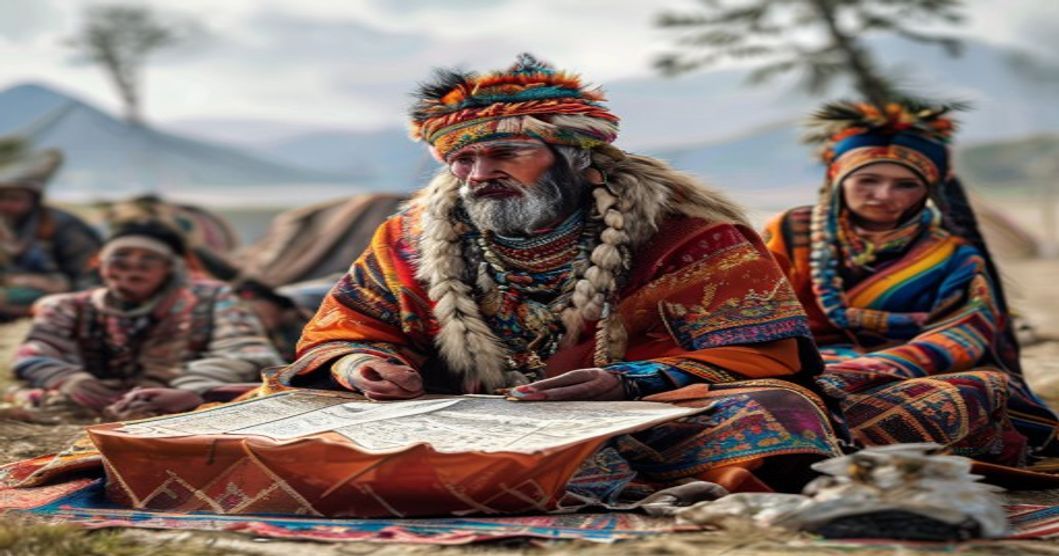
The Gákti, a traditional Sámi garment, serves as the most visible cultural marker during national celebrations. Each region’s Gákti features distinct color patterns, embroidery, and silver adornments that denote family lineage, marital status, and local dialect. Wearing the Gákti is not merely aesthetic; it represents a deliberate act of cultural preservation. During official ceremonies, community elders often explain how textile motifs encode ancestral knowledge and ecological relationships with reindeer herding landscapes.
Music, Joik, and Contemporary Arts
Joik, the traditional Sámi vocal style, functions as a sonic archive of place, memory, and spiritual connection. Unlike Western melodic structures, joiking often imitates natural elements, historical figures, or personal experiences in circular, meditative patterns. Contemporary Sámi artists blend joik with electronic music, jazz, and spoken word to address climate change, linguistic revitalization, and political representation. Concerts and open-air performances dominate February 6 programming across Tromsø, Kiruna, Rovaniemi, and Kautokeino.
Food, Craftsmanship, and Community Gatherings
Culinary traditions on Sámi National Day emphasize reindeer meat, smoked fish, cloudberries, and fermented dairy products prepared using centuries-old techniques. Handicraft markets feature duodji, the official designation for Sámi artisanal work, including copper jewelry, carved antler tools, and woven baskets. Local councils organize public feasts, storytelling sessions, and intergenerational workshops that prioritize knowledge transfer over commercial exchange.
Your Ultimate Participation Guide
Engaging with Sámi National Day responsibly requires moving beyond superficial tourism toward ethical cultural engagement. The following frameworks ensure respectful participation while supporting indigenous autonomy.
Observing the Day with Respect and Awareness
Attend publicly hosted events in Sápmi regions only when explicitly invited or advertised as community-open. Avoid photographing sacred rituals, private ceremonies, or individuals who have not consented to documentation. Learn basic Sámi greetings such as “Buorre beaivi” (Good day) and acknowledge the specific Sámi group hosting an event—Northern, Southern, Lule, Skolt, Inari, Kildin, or Ume. Respect local regulations regarding reindeer grazing areas and protected cultural sites during winter festivals.
Supporting Sámi Communities and Artists Year-Round
Sustainable support extends beyond annual observances. Purchase duodji directly from certified Sámi artisans through official cooperatives like the Sámi Duodji mark. Contribute to indigenous-led educational initiatives, language immersion programs, and land rights organizations such as the Sámi Parliament councils or the International Sámi Council. Follow Sámi journalists, filmmakers, and academics on verified platforms to amplify authentic narratives rather than colonial reinterpretations.
Educational Resources and Official Events
Structured learning deepens meaningful participation. Access digitized archives from the Sámi University of Applied Sciences, the Sámi Museum Siida, or the Nordic Sámi Institute’s digital library. Enroll in accredited courses on Sámi linguistics, reindeer husbandry ethics, or Arctic indigenous law. Verify event legitimacy through official Sámi Parliament websites and cultural ministries before booking travel. Prioritize experiences led by Sámi facilitators to ensure accurate context and equitable economic return.
Origins of Sámi National Day
February 6th Historical Context
February 6 marks the anniversary of the 1917 Lapland Conference in Trondheim. Delegates established a unified platform to address indigenous land rights and linguistic preservation. The date aligns with traditional winter gathering cycles across Arctic communities. This historical anchor transformed scattered regional movements into a coordinated political force.
Lapland Conference and Symbol Selection
Astrid Båhl designed the official Sámi flag in 1986 to replace fragmented regional symbols. The red circle represents the sun while the blue circle signifies the moon. Yellow and green stripes mirror traditional gákti embroidery patterns. The cross layout reflects indigenous cosmological mapping techniques.
Core Cultural Traditions
Gákti Attire and Regional Patterns
Each regional gákti variation signals specific family lineage and marital status. Weavers use hand-spun reindeer wool dyed with lichen and bilberry extracts. The cut differs between northern skolt communities and southern inari districts. Wearing incorrect regional patterns disrupts established genealogical records.
Joik Music and Oral Storytelling
Joik functions as a direct vocal invocation rather than a descriptive performance. Vocalists utilize throat-like resonance and controlled breath cycles to mimic landscape acoustics. Knowledge transfers through direct apprenticeship rather than written notation. The technique preserves dialect variations that standard recording methods often flatten.
Traditional Cuisine and Seasonal Foods
Arctic preservation methods rely on wind-drying techniques for riippuvichca and muohtáguolli. Reindeer fat provides essential caloric storage during extended polar nights. Fermentation tanks utilize controlled bacterial cultures to prevent spoilage. Seasonal hunting quotas dictate the precise timing of community feasts.
Regional Celebrations Across the Four Nations
Norway: Tromsø and Kautokeino Events
Kautokeino hosts the primary Sámi National Day parade along the frozen riverbanks. Tromsø organizes academic panels focused on contemporary land claim litigation. Municipal authorities coordinate firework displays to mark the evening transition. Local Sámediggi representatives deliver official statements regarding resource extraction policies.
Sweden: Jokkmokk Market and Parades
Jokkmokk integrates the celebration with its historic winter market infrastructure. Reindeer herding demonstrations occupy designated grazing zones outside the town center. Municipal councils distribute bilingual educational materials to participating schools. Historical archives display original duodji artifacts alongside modern interpretations.
Finland: Inari and Kaaresuvanto Gatherings
Inari hosts structured workshops on Sámi language revitalization techniques. Kaaresuvanto organizes traditional cross-country skiing routes across frozen tundra. Local educators coordinate intergenerational storytelling sessions in community halls. Municipal funding supports the production of gákti for participating youth groups.
Russia: Kola Peninsula and Murmansk Events
Murmansk hosts the largest Russian Sámi assembly due to population density. Kola Peninsula elders perform customary blessing ceremonies for incoming participants. Municipal authorities coordinate transport logistics for remote village delegations. Regional archives preserve Soviet-era documentation regarding indigenous rights restrictions.
Practical Guidelines for Respectful Participation
Etiquette and Cultural Sensitivity
Visitors must refrain from photographing sacred duodji tools without explicit permission. Observers should maintain silence during joik performances to preserve acoustic integrity. Purchasing mass-produced replicas undermines traditional weaving cooperatives. Municipal guidelines specify designated zones for public demonstrations and parades.
Sustainable Tourism and Environmental Impact
Organized tours must utilize electric or reindeer-drawn transport to minimize soil compaction. Waste management protocols require participants to remove all non-biodegradable materials. Local guides enforce strict boundaries around reindeer grazing territories. Municipal authorities monitor visitor numbers to prevent ecosystem degradation.
Supporting Indigenous Economic Initiatives
Official Sámi tourism certification ensures revenue reaches indigenous cooperatives. Donations should flow through verified Sámi cultural foundation channels. Purchasing directly from registered weavers supports sustainable wool harvesting. Municipal grants fund youth apprenticeships in traditional duodji techniques.
Common Misconceptions and Historical Corrections
Flag Symbolism and Design Intent
The circular design rejects traditional European heraldic structures entirely. Red and blue circles represent celestial bodies rather than political factions. The specific color palette derives from historical gákti dye sources. Municipal historians verify design authenticity through archival cross-referencing.
Historical Erasure and Soviet Policies
Soviet authorities actively suppressed Sámi language education during the 1930s. Repatriation programs relocated communities to centralized agricultural settlements. Municipal archives contain declassified documents detailing forced assimilation tactics. Contemporary scholars utilize oral histories to reconstruct suppressed historical narratives.
Language Revitalization Efforts
Municipal grants fund Sámi language immersion schools in northern districts. Digital archives preserve dialect variations before they disappear completely. Broadcast media coordinates standardized pronunciation guides for educational institutions. Academic institutions publish peer-reviewed research on linguistic preservation techniques.
Expert Insights and Scholarly Perspectives
Contemporary Land Rights and Resource Extraction
Municipal authorities negotiate mining permits with indigenous councils to protect grazing lands. Academic institutions publish data on ecosystem degradation from industrial activities. Legal frameworks require free, prior, and informed consent for resource extraction. Indigenous cooperatives monitor environmental impact assessments through independent auditors.
Modern Joik Adaptations and Fusion
Contemporary composers integrate electronic synthesis with traditional vocal techniques. Academic institutions host symposiums analyzing cultural appropriation in commercial music. Municipal cultural departments fund independent artist residencies for experimental projects. Historical archives preserve original field recordings for comparative analysis.
Indigenous Tourism and Community Control
Municipal certification programs ensure indigenous operators retain majority revenue shares. Academic institutions publish case studies on successful community-led tourism models. Indigenous cooperatives develop standardized sustainability metrics for participating businesses. Historical archives document traditional land use patterns for modern zoning applications.
Historical Timeline and Key Milestones
Early 20th Century Mobilization
The 1917 Lapland Conference established foundational demands for linguistic rights. Municipal archives document early petitions submitted to national parliaments. Indigenous leaders coordinated cross-border alliances to amplify political pressure. Historical records detail strategic shifts from local advocacy to international lobbying.
Mid-Century Legal Victories
Post-war legislation recognized limited grazing rights across northern territories. Municipal courts adjudicated disputes regarding reindeer herding boundaries. Academic institutions published anthropological studies validating indigenous land claims. Indigenous organizations established legal defense funds for ongoing litigation.
Contemporary Political Achievements
Municipal councils established formal advisory roles for Sámi representatives. National governments ratified international conventions protecting indigenous linguistic rights. Indigenous cooperatives secured direct funding for cultural preservation projects. Academic institutions developed standardized curricula for Sámi history education.
Community Voices and Personal Narratives
Interviews with Indigenous Elders
Elders document traditional knowledge through structured oral history sessions. Municipal archives preserve recordings of dialect variations and seasonal terminology. Academic institutions analyze narrative structures to identify historical migration patterns. Indigenous cooperatives utilize elder testimony to validate traditional land use claims.
Young Activists and Modern Perspectives
University students coordinate digital campaigns highlighting contemporary land rights issues. Municipal youth councils organize cultural workshops to engage younger demographics. Academic institutions provide research grants for student-led preservation projects. Indigenous organizations mentor emerging leaders in traditional governance structures.
Artists and Cultural Practitioners
Contemporary weavers experiment with natural dyes while maintaining traditional patterns. Academic institutions host exhibitions showcasing the evolution of duodji craftsmanship. Municipal cultural departments fund public art installations depicting indigenous cosmology. Historical archives preserve technical manuals detailing traditional tool fabrication methods.
Future Directions and Ongoing Challenges
Climate Change and Reindeer Herding
Unpredictable freeze-thaw cycles disrupt traditional migration routes across northern territories. Municipal authorities fund research into alternative grazing strategies for affected herds. Academic institutions monitor ecosystem shifts to predict future resource availability. Indigenous cooperatives develop adaptive management plans for sustainable herd maintenance.
Language Preservation and Digital Innovation
Municipal grants support the development of AI-driven dialect translation tools. Academic institutions publish research on the efficacy of digital immersion programs. Indigenous organizations coordinate online forums for remote language practice sessions. Historical archives digitize rare manuscripts for broader public accessibility.
Political Autonomy and Governance Models
Municipal councils debate proposals to expand Sámediggi legislative authority. Academic institutions analyze comparative governance structures across Nordic indigenous systems. Indigenous cooperatives lobby for direct representation in national resource management boards. Historical archives document past autonomy negotiations to inform current policy debates.
Frequently Asked Questions
What is Sami National Day Traditions Explained?
Sami National Day Traditions Explained refers to the comprehensive overview of the cultural practices, historical significance, and annual celebrations observed by the Sámi people on February 6th to honor their indigenous heritage, language, and resilience.
Key facts about Sami National Day Traditions Explained
Key facts include the official recognition of the Sámi flag, traditional duodji crafts, joik singing, reindeer herding displays, and the wearing of the traditional gákti costume, all commemorating the founding of the Sámi Congress in 1992.