Sami Funeral Rituals and Beliefs: A Comprehensive Guide
The Sámi people have historically approached death as a profound transition rather than a final cessation, embedding their funerary practices within a cosmology that views the spirit as embarking on a structured journey toward the afterlife. Traditional burial customs varied across reindeer-herding, fishing, and forest Sámi communities, yet shared core principles centered on purification, directional orientation, and spiritual sustenance. Upon death, the body underwent careful washing, received clean garments, and was positioned with the face directed eastward to align with solar symbolism and ancestral guidance. The dwelling required immediate ritual cleansing; windows were covered with white linen, household tools suspended from rafters, and livestock kept at a distance to prevent spiritual contamination.
- Body Preparation and Orientation: The deceased received specific garments, often including reindeer skins or woolen wraps, and was placed on a bed of fresh birch branches. Directional alignment toward the sunrise remained critical across most regions to facilitate the soul’s passage.
- Food Offerings and Sustenance: Meat from reindeer, fish, or game was prepared and placed near the grave or within the home. These provisions sustained the habme during its transitional phase before reaching the ancestral realm of Eajna-eahke.
- Mourning Period and Social Protocols: Families observed structured grief lasting several days to weeks. Public wailing, wearing of dark or white mourning attire depending on local tradition, and suspension of communal gatherings marked the bereavement phase. Work resumed only after ritual purification ceremonies concluded.
Christianization during the eighteenth and nineteenth centuries systematically suppressed many indigenous practices, yet ecological memory preserved core elements in remote Arctic communities. Contemporary Sámi funeral observances frequently integrate historical symbolism with modern legal frameworks, emphasizing land connection, ancestral continuity, and community solidarity. Burial sites often remain near traditional reindeer pastures or fishing grounds, reinforcing the inseparable link between territorial stewardship and spiritual heritage. Modern memorials increasingly document oral histories alongside grave markers, ensuring intergenerational transmission of funerary knowledge.
Historical Origins of Sámi Death Traditions
The historical foundations of Sámi death traditions emerge from a complex interplay of pre-Christian animism, Arctic survival strategies, and early Scandinavian contact. Long before Christian missionary activity altered regional practices, Sámi communities viewed mortality through a cyclical lens deeply tied to reindeer herding patterns and seasonal migrations. Archaeological excavations at sites like Sammaljoki in Finland reveal Bronze Age burial mounds containing copper bracelets, iron knives, and reindeer antlers, indicating that grave offerings served both practical and spiritual functions. These items were not mere possessions but essential tools for navigating the afterlife, where the deceased required protection from predatory spirits and guidance toward ancestral realms.
- Spiritual Framework: The Sámi cosmology positioned death as a transitional phase rather than an absolute end. The soul, known as vájmo, was believed to separate gradually from the physical body over several days, requiring ritual silence and specific behavioral taboos to prevent premature departure or spiritual entanglement.
- Ritual Architecture: Traditional burial sites often incorporated natural topography. Rock graves carved into bedrock, snow-covered tents (lavvu), and wooden sleds dragged across frozen tundra functioned as temporary sanctuaries where the body underwent purification through exposure to wind and cold, aligning with seasonal migration routes.
- Syncretic Evolution: From the seventeenth century onward, Lutheran missionaries systematically suppressed indigenous practices, yet core elements persisted through covert adaptation. Reindeer sacrifice at gravesites transformed into symbolic offerings of copper coins, while shamanic drum chants evolved into communal joik performances designed to stabilize grieving households and maintain ecological balance.
Regional variations reflect distinct ecological adaptations across Sápmi. Northern communities prioritized rapid interment to prevent the máttar (ancestral spirits) from lingering near settlements, while southern groups developed extended mourning periods synchronized with reindeer calving seasons. Rock petroglyphs near historic gravesites consistently depict spirals, animal silhouettes, and boat-like forms, suggesting standardized symbolic language that transcended individual clan boundaries. Contemporary Sámi historians cross-reference these archaeological markers with nineteenth-century parish records to reconstruct pre-colonial funeral protocols, revealing a highly structured system where death rituals functioned as vital mechanisms for resource redistribution, kinship reinforcement, and environmental stewardship.
Preparation of the Deceased According to Sámi Customs
The preparation of the deceased within Sámi tradition follows a carefully structured sequence designed to honor spiritual continuity and communal respect. Family members traditionally wash the body using clean water, often drawing from nearby springs or rivers considered spiritually pure. This act symbolizes purification before the transition to the afterlife. Once cleansed, the individual is dressed in traditional attire, typically a handcrafted gákti woven from wool or reindeer leather, with colors and patterns reflecting regional identity and clan lineage. Personal belongings, such as tools, jewelry, or a small knife, are placed alongside the body to support the deceased during their journey.
The corpse is then positioned on a prepared surface, frequently a thick reindeer hide or a simple wooden bier. Orientation holds particular significance; the body is traditionally laid facing east, aligning with solar symbolism and ancestral pathways. In some coastal communities, burial sites face the sea, acknowledging the water’s role in spiritual passage. A small fire may be lit nearby to guide the spirit, while elders perform quiet joik chants to maintain emotional balance and prevent disruptive mourning practices.
Coffins are historically constructed from local pine or spruce, shaped without nails to preserve natural integrity. The interior is lined with fresh moss or dried grasses for comfort and insulation. Before interment, family members place stones along the path to the grave, believing each marker stabilizes the soul’s departure. Modern adaptations occasionally incorporate Christian elements, yet core preparation protocols remain intact to maintain cultural continuity. Ritual specialists oversee every step, ensuring compliance with inherited guidelines and preventing accidental spiritual disturbance. Regional variations appear in clothing embroidery, drum usage during dressing, and specific plant offerings placed near the wrists or feet.
Cleansing and Dressing the Body
The preparation of the deceased in Sámi tradition functions as a critical transitional phase between earthly existence and the ancestral realm. Family members, traditionally women, perform the washing using fresh water drawn from a sacred source. The liquid carries spiritual weight, symbolizing purification before the soul begins its journey toward the afterlife. Participants recite specific joik melodies or silent prayers during the process, ensuring the transition remains undisturbed by negative influences. Historical accounts document the use of birch branches or reindeer bone tools to assist in the washing, followed by gentle drying with soft woolen cloths.
- The body is washed from head to feet in a continuous motion, avoiding any abrupt stops that might disrupt the spiritual flow.
- Clean water collected before sunrise holds particular significance in northern Sámi communities.
- Traditional soap made from reindeer fat and ash was historically employed, though modern practice often substitutes with mild, unscented alternatives to preserve ritual purity.
Dressing follows immediately after cleansing. The deceased wears their finest traditional garments, typically a wool or reindeer hide gákti embroidered with culturally specific patterns. These textiles serve as both protection and identification during the soul’s passage. In older practices, the body was wrapped in multiple layers of reindeer pelts before being placed on a bed of fresh moss or birch branches inside the funeral tent. Regional variations dictate sleeve length and belt placement, reflecting clan affiliations and seasonal influences. Personal items such as iron knives, copper coins, or carved prayer objects are positioned near the hands or chest to accompany the deceased into the next world.
- Garments are fastened with wooden toggles rather than metal fasteners in many traditional communities to maintain alignment with pre-Christian customs.
- The head is often covered with a woven bandana or fur cap to preserve warmth and spiritual integrity.
- Specific color combinations indicate marital status, geographic origin, and generational lineage within Sámi society.
This meticulous preparation ensures the deceased enters the ancestral domain fully dressed, spiritually cleansed, and culturally recognized. The ritual maintains continuity between living relatives and departed ancestors while reinforcing communal bonds through shared responsibility and precise ceremonial execution.
Placement of Personal Items and Offerings
The placement of personal items and offerings within Sámi funeral traditions operates as a structured ritual framework designed to facilitate the deceased’s transition between physical existence and ancestral realms. Historically, these practices emerged from a worldview that recognized death not as an endpoint but as a spatial and spiritual migration requiring tangible preparation. Every object positioned alongside the body carries documented significance, reflecting occupational identity, social standing, and familial lineage rather than arbitrary sentiment.
- Personal effects typically include handcrafted knives (sealis), reindeer antler combs, woolen garments woven with traditional patterns, and copper jewelry that signals marital status or clan affiliation. These items serve both mnemonic functions for surviving relatives and navigational aids for the departed.
- Ritual offerings consist of dried reindeer meat, smoked fish, rye bread, and clarified butter, placed in wooden vessels or directly on burial stones. Food provisions are calculated to sustain the deceased through seasonal thresholds until ancestral integration is complete.
The physical positioning of these elements follows strict spatial protocols dictated by regional customs and seasonal timing. Items are arranged along cardinal axes aligned with natural landmarks such as glacial ridges, sacred lakes, or petroglyph sites that historically functioned as spiritual gateways. Burial mounds receive layered placements where clothing wraps the torso, tools occupy the hands or chest cavity, and offerings rest at the northern perimeter to align with prevailing wind patterns believed to carry spiritual residue. In coastal Sámi communities, small wooden boats containing miniature replicas of household goods are positioned near tidal zones to facilitate maritime passage during autumn equinox ceremonies.
Contemporary practitioners maintain these placement sequences through documented elder guidance and archaeological verification. The materials used undergo natural weathering processes that intentionally degrade over time, symbolizing the gradual release of earthly attachments. Ritual specialists monitor stone placements for alignment shifts caused by permafrost movement or reindeer migration paths, adjusting supplementary offerings to preserve cosmological balance. Each arrangement requires precise measurement against lunar cycles and migratory bird patterns, ensuring the deceased receives timely guidance during liminal periods.
Mourning Periods and Community Grief Practices
The Sami approach to mourning operates through structured temporal frameworks designed to stabilize both the departing spirit and the surviving community. Traditional observance typically spans forty days, a period rooted in ancient cosmological cycles rather than arbitrary designation. During this interval, households observe strict behavioral protocols. Families refrain from using the deceased’s personal items, particularly tools, clothing, and reindeer gear, as contact is believed to trap the wandering eallu within the material world. Dietary restrictions commonly exclude fresh meat and dairy for the first seven days, shifting instead to preserved fish, dried venison, and root vegetables to minimize spiritual contamination.
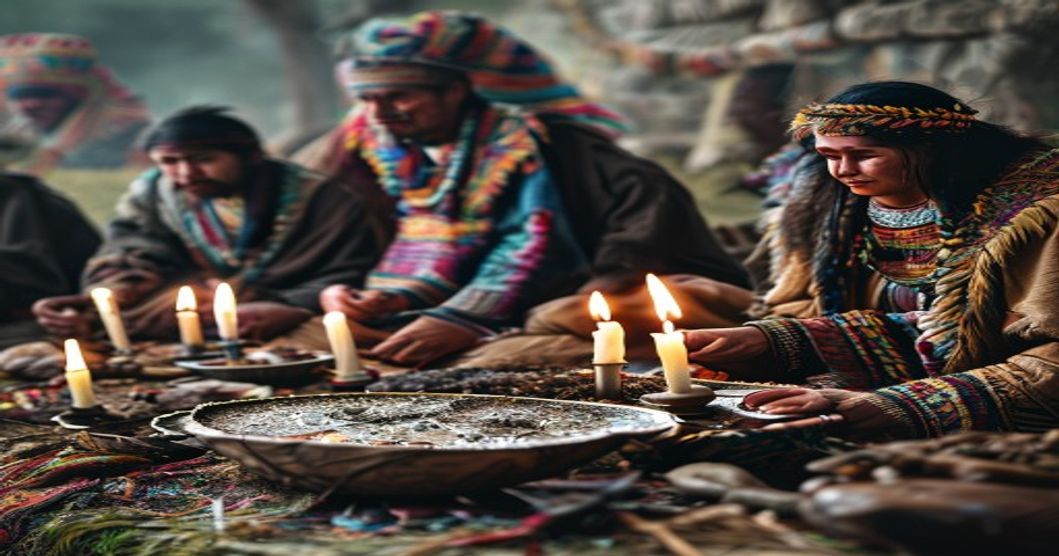
Community participation follows a highly organized pattern of mutual aid and ritual containment. Neighbors and extended kin assemble to prepare burial containers from driftwood or pine, construct temporary mourning shelters, and process communal meals that feature boiled reindeer meat, cloudberries, and flatbread. These gatherings serve dual purposes: practical support for the bereaved household and collective spiritual management. Elders and experienced practitioners direct specific rites, including the rhythmic striking of iron objects against stone to disrupt hostile spirits, and the recitation of protective formulas directed toward the northern cardinal point.
Grief expression remains regulated through established cultural boundaries. Loud wailing outside designated mourning hours is discouraged, as unstructured emotional outbursts are thought to attract predatory spiritual entities. Instead, controlled vocalizations accompany work activities, while communal drumming sessions focus on mapping the soul’s journey across the bierkka. The distribution of the deceased’s reindeer herd follows precise kinship rules, ensuring livestock disperses to capable handlers rather than remaining idle. After the forty-day threshold, a renewal ceremony marks the transition from active mourning to remembrance, involving the sharing of preserved provisions and the gradual reintroduction of ordinary labor cycles.
- Burial containers are constructed without iron nails to prevent spiritual entrapment
- Mourners wear woven dark bands on their left arm for exactly thirty days
- Livestock handling resumes only after the final drum ritual confirms safe passage
Silent Vigil and Wailing Traditions
The Sámi approach to death centers on a carefully structured period of mourning that balances vocal expression with deliberate silence. Before burial, family members and close community figures maintain a continuous vigil around the deceased, observing strict protocols designed to ease the transition of the soul into the afterlife. This silent watch is not passive; it involves rhythmic prayer, quiet recitation of ancestral verses, and the avoidance of sudden movements or loud speech. The absence of noise serves a practical spiritual function: it prevents the wandering spirit from becoming attached to the physical world or disturbed by external energies that could disrupt its journey.
- Wailing Practices: Professional mourners, typically elder women, lead the keening rituals using traditional vocal techniques passed down through generations. Their cries follow specific melodic patterns that mirror regional dialects and ancestral territories, transforming personal grief into a communal language of loss.
- Vigil Duration: The watch period traditionally spans three days, with each phase introducing different ritual requirements. The first day focuses on preparation and initial wailing, the second emphasizes silence and soul-guiding prayers, and the third combines both elements before the final procession to burial grounds.
- Spiritual Framework: Sámi cosmology views death as a migration rather than an ending. The silent vigil creates a threshold space where the vuoibme (soul) can detach from earthly ties without resistance. Wailing serves dual purposes: it releases emotional weight while simultaneously acting as an auditory beacon that helps the departing spirit navigate toward the afterlife realms.
Community participation extends beyond immediate family, with neighbors contributing to the vigil by maintaining hearth fires and preparing ritual items such as wooden vessels and reindeer bone ornaments. These objects are placed near the deceased to assist in the journey, while the continuous presence of mourners ensures no spiritual vulnerability exists during the transition window. Modern Sámi communities continue adapting these practices, though the core principle remains unchanged: controlled vocalization paired with strategic silence forms the foundation of respectful departure and collective healing.
Fasting and Dietary Restrictions During Mourning
Within traditional Sámi bereavement frameworks, fasting operates as a structured mechanism for spiritual realignment rather than mere physical abstention. Mourning periods traditionally required participants to suspend ordinary consumption patterns, signaling respect for the deceased’s journey through the afterlife and acknowledging the transitional liminal space occupied by the grieving community. The practice aligns with broader Arctic indigenous cosmologies where food intake directly correlates with spiritual readiness and communal harmony.
Dietary protocols during this phase emphasize purity and restraint. Participants typically avoid game meat from predators, dairy products consumed in excess, and any items associated with celebratory feasting. Instead, consumption shifts toward lean reindeer flesh, wild fish, foraged berries, and root vegetables harvested before autumn frost. These selections reflect both ecological practicality and symbolic alignment with cycles of renewal. The restriction extends beyond individual choice; household heads often coordinate meal preparation to prevent accidental violation of mourning taboos.
- Forbidden items include bear meat, fermented dairy, and all alcoholic beverages
- Permitted staples focus on preserved fish, dried reindeer strips, cloudberries, and lichen-based broths
- Ritual coordination requires communal kitchens to pause normal cooking routines until ceremonial cleansing concludes
Fasting duration typically spans seven to fourteen days, depending on regional clan customs and the circumstances surrounding death. Younger mourners may observe stricter intervals, while elders adapt practices according to health considerations. The physiological slowdown serves as a deliberate deceleration of daily rhythms, allowing mourners to process loss without external stimulation. The conclusion of dietary restrictions coincides with a structured return to normal consumption, marked by shared meals that reinforce kinship bonds and facilitate emotional reintegration. Contemporary Sámi families frequently blend historical guidelines with modern nutritional standards, yet the core principle remains unchanged: controlled consumption during grief functions as a psychological anchor and cultural continuity marker.
Burial Methods and Sacred Site Selection
Traditional Sámi funerary practices reflect a profound integration of ecological awareness and animistic cosmology. The physical disposition of the deceased was never arbitrary but carefully calibrated to preserve spiritual equilibrium between the living community and the natural world. Historically, burial methods varied according to regional ecology, social status, and the circumstances surrounding death. In coastal and lowland areas, inhumation within wooden caskets lined with reindeer hides or birch bark remained standard. These containers were often positioned to align with ancestral migration corridors, ensuring the spirit could navigate toward familiar hunting grounds. Mountainous and inland felling communities frequently employed exposure techniques, placing bodies on elevated rock platforms or within natural crevices. This practice facilitated rapid decomposition while allowing raptors and scavengers to participate in the cyclical return of energy to the landscape, a concept deeply embedded in Sámi ecological philosophy.
Cremation held particular significance for reindeer pastoralists who required mobility across vast territories. The deceased would be interred alongside personal reindeer gear, emphasizing continuity of livelihood beyond physical existence. When permanent resting places were established, site selection followed strict environmental and spiritual parameters. Proximity to sieidi—sacred stones or geological formations believed to house protective spirits—was paramount. Communities avoided marshland, newly quarried soil, or areas associated with sudden illness, viewing these zones as spiritually unstable. Burial grounds typically occupied elevated terrain with clear sightlines toward ancestral pastures, reinforcing territorial memory and intergenerational continuity.
- Topographical Requirements: Elevated, well-drained locations prevented water intrusion while symbolizing spiritual ascent.
- Spiritual Landmarks: Sites near sieidi or historically significant reindeer crossing points ensured ongoing protection for surviving family members.
- Orientation Protocols: Bodies were positioned facing the direction of ancestral migration routes or toward the rising sun, facilitating guided passage to the afterlife realm known as Noaidimaa.
- Taboo Avoidance: Ground contaminated by bear hunting, metalworking, or previous unexplained deaths was strictly excluded to prevent spiritual contamination.
Preparation of the burial ground involved ritual cleansing with juniper smoke and the placement of protective stones along the perimeter. These measures maintained boundary integrity between the mortal sphere and the invisible realms. Family members observed strict behavioral protocols during interment, including silence regarding personal grievances and the deliberate avoidance of pointing toward the grave site. The physical landscape thus functioned as both a spiritual archive and a living testimony to Sámi cosmological principles, where earth, water, and stone retained active agency in guiding human transition.
Rock Tombs and Traditional Grave Markers
The Sami relationship with death centers on returning the deceased to the natural landscape, a principle that directly shaped the construction and placement of rock tombs and traditional grave markers. Bedrock outcrops, glacial erratics, and sheltered stone hollows were frequently selected as burial sites because they align with indigenous cosmology, which views stone as a permanent link between the physical world and the spiritual realm. These natural formations required minimal alteration; excavators simply cleared vegetation, lined cavities with reindeer hides or birch bark, and placed personal belongings alongside the body before sealing the space with loose stones.
Over centuries, surface markers evolved to reflect both environmental adaptation and cultural shifts. Early markers consisted of stacked cairns known as jietni, which served dual purposes: marking individual graves and indicating sacred territory to visiting communities. The height and stone density of these cairns often correlated with the social standing of the deceased or the resources available to the mourning family. As Christianity spread across Sápmi during the eighteenth and nineteenth centuries, wooden crosses gradually replaced purely pagan stone arrangements, yet their placement strictly followed ancestral rock formations rather than grid-based cemetery layouts.
- Natural Bedrock Integration: Tombs were carved into or placed against existing fissures to maintain structural integrity in permafrost and acidic soil conditions.
- Cairn Construction Techniques: Stones were stacked without mortar, allowing the earth to settle naturally while preventing marker displacement during seasonal thaw cycles.
- Spiritual Orientation: Markers consistently faced north or toward significant landscape features like mountain peaks or sacred lakes, reinforcing the belief that the soul travels through established natural pathways.
Preservation challenges persist due to acid rain, reindeer grazing patterns, and shifting tourism footprints. Modern conservation efforts prioritize stabilizing original stone arrangements rather than reconstructing lost formations, ensuring that historical burial sites retain archaeological authenticity. Researchers document these markers through ground-penetrating radar and stratigraphic soil analysis, revealing continuous use spanning from pre-Christian periods into the twentieth century.
Seasonal Considerations for Interment
The timing of interment within Sami communities historically aligned with natural cycles rather than fixed calendar dates. Ground conditions, reindeer migration patterns, and daylight availability dictated when burial preparations could proceed without disrupting essential livelihood activities. Communities adapted their mourning logistics to match ecological rhythms, ensuring that ceremonial duties never compromised food security or herd management.
- Winter Interment: Frozen ground simplified excavation while extreme cold required reinforced sled transport for coffins and sacrificial items. Burials typically occurred during stable snow cover periods to prevent premature thawing of shallow graves. The extended darkness influenced vigil durations, with families maintaining continuous presence until the first visible return of sunlight.
- Spring Thaw Period: Melting permafrost created impassable terrain, delaying physical interment until drainage improved. Communities redirected mourning efforts toward memorial feasting and joik performances, preserving burial materials for summer readiness. Temporary markers replaced permanent graves during this window.
- Summer Operations: Reindeer calving season demanded full community labor elsewhere, restricting grave preparation to peripheral family members. Interment sites utilized elevated terrain to avoid flooding while maximizing exposure to midnight sun for spiritual purification rituals. Coffin construction incorporated driftwood and birch bark harvested during this active period.
- Autumn Preparation: Shortening daylight hours accelerated burial scheduling before winter isolation set in. Communities coordinated grave digging with annual reindeer slaughter logistics, repurposing durable hides for shrouds and reinforcing wooden markers against early snowfall.
Spiritual interpretations of these seasonal adaptations emphasized ecological continuity rather than mechanical scheduling. Burial ground selection followed microclimate patterns, avoiding avalanche paths in spring and utilizing wind-swept ridges where snow accumulation remained consistent year-round. Ritual markers evolved to withstand seasonal weathering, with stone cairns positioned to remain visible during summer thaws and winter blizzards alike. The Sami cosmological framework treated each interment window as a deliberate synchronization between human mourning cycles and the living landscape that sustained them across generations.
Material preparation followed strict seasonal procurement rules that prevented resource depletion during critical survival months. Winter grave linings utilized reindeer fat for moisture resistance while summer shrouds incorporated woven grasses harvested after snowmelt. Community coordination relied on intergenerational knowledge transfer, with elders mapping optimal burial windows based on historical climate data and herd behavior observations. These practices ensured that seasonal interment constraints functioned as protective mechanisms rather than limitations, maintaining both ecological balance and ceremonial integrity across changing environmental conditions.
Post-Funeral Ceremonies and Ancestor Veneration
The period immediately following a Sami burial marks a structured transition from grief to spiritual reintegration. Traditional mourning protocols dictate specific behavioral restrictions for family members, including temporary avoidance of reindeer herding, fishing grounds, and sacred sites associated with the deceased’s life. These restrictions serve both practical and cosmological purposes, preventing spiritual contamination while allowing the community to manage economic disruptions.
- Purification and Cleansing: Participants undergo ritual washing in rivers or snow, often accompanied by drumming sequences designed to neutralize death-related impurities. The noaidi historically led these rites, though contemporary practices adapt these elements through community elders.
- The Communal Feast: A mandatory gathering occurs within days of interment, where reindeer meat, dried fish, and fermented dairy are prepared according to strict kinship distribution rules. This meal functions as both social cohesion mechanism and spiritual bridge, with portions deliberately set aside for the departed.
- Property Disposition: Personal effects undergo systematic evaluation. Tools used in daily labor return to active circulation among skilled relatives, while clothing and ritual objects may be ritually burned or buried alongside grave markers to prevent spiritual residue accumulation.
Ancestor veneration operates through cyclical seasonal observances rather than static memorialization. Families maintain continuous contact with ancestral presence by visiting burial grounds during solstice periods, leaving offerings of tobacco, reindeer antler fragments, or wild berry extracts at marked stone cairns. These deposits follow precise directional alignments tied to cardinal winds and historical migration routes.
Oral transmission remains the primary vessel for ancestral knowledge. Elders recite genealogical sequences during winter gatherings, embedding ecological wisdom and clan territorial boundaries within narrative frameworks. Certain phrases function as protective incantations when spoken near gravesites, reinforcing the boundary between mortal and spirit realms. Contemporary Sami communities preserve these practices through documented ritual calendars, ensuring intergenerational continuity without compromising traditional cosmological parameters.
Feasting and Remembrance Gatherings
The post-burial gathering functions as a critical mechanism for communal processing of loss, transforming individual grief into shared cultural continuity. Within Sámi tradition, this assembly operates as a structured spiritual practice designed to guide the departed soul toward its final resting place while reinforcing kinship networks that sustain the living. Participants convene in designated homes or community halls, where meal preparation follows strict customary protocols transmitted through oral lineage. The event bridges mourning and acceptance by establishing predictable routines that ground participants during emotional volatility.
- Symbolic Food Offerings: Dried reindeer meat, cloudberries, and fermented dairy products serve as both sustenance and ritual tokens, representing endurance and the cyclical nature of life.
- Communal Preparation: Hunting and meat processing fall to men, while women prepare breads and preserves, ensuring balanced energetic contribution through established roles.
- Temporal Structure: The feast traditionally spans three consecutive days, aligning with indigenous cosmological frameworks regarding spiritual transition periods.
Storytelling and vocal traditions anchor the remembrance component of these gatherings. Elders document the deceased’s achievements, while skilled practitioners perform yoik melodies that encode personal histories and ancestral connections. This auditory documentation operates as a living archive, preserving biographical details that written records frequently omit. The rhythmic patterns and melodic structures function as mnemonic devices, guaranteeing that vital cultural knowledge survives across generations without external documentation.
The structured nature of the feast provides measurable milestones during mourning. Each phase of food preparation, seating arrangement, and vocal performance follows predictable sequences that reduce cognitive load during emotional distress. Community members rotate responsibilities systematically, preventing exhaustion while maintaining collective engagement. The assembly ultimately transitions from active mourning to celebratory remembrance, marking the moment when the deceased shifts from physical presence to ancestral stewardship within the family lineage.
Continuing Bonds with the Deceased Spirit
The Sami framework for maintaining relational continuity with departed individuals operates through sustained ritual engagement rather than permanent separation. Burial sites function as active spiritual interfaces where structured visits, material deposits, and generational memory practices preserve ongoing connection. Families regularly clear vegetation around grave mounds, reinforce wooden markers, and position traditional artifacts such as reindeer antlers, iron implements, or handwoven textiles near the interment location. These deliberate physical actions signal enduring respect and prevent spiritual detachment from communal awareness.
- Seasonal offering cycles: Winter solstice and spring thaw periods trigger coordinated visits where smoked fish, dried provisions, or reindeer byproducts are deposited at graves. These materials reflect historical subsistence systems and reinforce the deceased’s continued participation in ecological and economic networks.
- Name inheritance and narrative transmission: Children frequently receive personal names from departed relatives. This mechanism ensures behavioral patterns, occupational knowledge, and familial history remain embedded in daily community operations without interruption.
- Object-based remembrance practices: Personal equipment including hunting tools, drum frames, or seasonal garments are preserved within household spaces. These items anchor memory during gatherings and enable structured storytelling that reinforces lineage identity across generations.
- Dream documentation and environmental signaling: Established frameworks interpret recurring dreams, animal behavior, or weather shifts near burial grounds as communicative events. Elders record these observations to modify offering schedules or initiate corrective rituals that restore equilibrium between the living community and ancestral presence.
Material preservation extends into communal storage systems where ancestral artifacts are cataloged according to lineage and territorial affiliation. Regional documentation maintains precise records of grave orientations, offering frequencies, and symbolic placements to standardize practices across dispersed settlements. Contemporary maintenance protocols integrate historical archives with structural conservation methods, ensuring physical stability and spiritual accessibility remain synchronized. The operational model relies on continuous reciprocity where ritual action sustains spiritual presence while material preservation anchors cultural memory within living communities.
Regional Variations Across Sápmi Territories
The Sámi funeral landscape reflects a complex mosaic shaped by geographic isolation, subsistence patterns, and historical contact with neighboring cultures across the transboundary region known as Sápmi. In northern coastal zones of Finnmark and Troms, traditional practices emphasized rapid burial to prevent spiritual contamination, often utilizing stone cairns or wooden coffins placed in natural crevices. Mourning periods extended longer among coastal communities due to seasonal fishing cycles, which dictated when families could safely pause labor-intensive work. Grave goods typically included iron tools, bronze jewelry, and sometimes miniature boats, reflecting a maritime worldview where the afterlife was conceptualized as an extension of the sea routes.
Inland reindeer-herding territories across the Scandinavian mountains, burial customs diverged significantly. The siida (clan-based cooperative) structure governed funeral arrangements, with decisions made collectively by elders. Graves were frequently oriented toward calving grounds or traditional migration corridors rather than cardinal directions. Food offerings of dried reindeer meat and reindeer milk appeared at memorial sites to sustain the spirit during seasonal transitions. The use of the goavddis (sacred drum) in pre-burial rites persisted longer here than in southern regions, with drumming sequences specifically designed to guide the deceased across liminal landscapes.
Southern Sápmi communities experienced earlier Christianization and agricultural settlement patterns, which accelerated the integration of European burial norms. Wooden churches replaced open-air ceremonial grounds, and grave markers shifted from natural stones to carved timber crosses. Despite this syncretism, core elements remained intact: the joik continued as a functional spiritual bridge rather than mere performance, and certain taboo restrictions around handling the deceased’s household items survived well into the twentieth century. Regional dialect boundaries closely mirrored ceremonial variation, with distinct mourning chants recorded in Lule Sámi, Pite Sámi, and Southern Sámi communities showing phonetic and structural differences aligned with historical trade routes.
- Coastal vs. Inland Divergence: Maritime groups prioritized quick interment and boat-related grave offerings, while pastoral communities aligned burial orientation with reindeer migration paths.
- Ceremonial Duration: Mourning periods adapted to ecological calendars; fishing communities observed extended fasts during spawning seasons, whereas herding groups timed grief rituals around lambing and autumn roundups.
- Syncretism Levels: Southern territories adopted Christian iconography faster, yet retained shamanic drum patterns embedded in lullabies and memorial chants. Eastern Sámi groups near the Kola Peninsula maintained stricter separation between sacred burial grounds and settlement zones.
These regional distinctions demonstrate how Sámi funeral practices functioned as adaptive cultural mechanisms rather than static traditions. Environmental constraints, clan organization, and external religious pressure created a living archaeological record visible in grave distributions, artifact patterns, and oral transmission networks across Sápmi’s fragmented terrain.
Modern Adaptations and Cultural Preservation Efforts
The intersection of contemporary life and Sami funeral traditions requires deliberate structural interventions to prevent cultural erosion. Municipal councils across Finnmark, Troms, and Sápmi now fund designated heritage coordinators who work directly with aging noaidi descendants and reindeer herding cooperatives. These specialists map ancestral burial grounds using GIS technology, ensuring that infrastructure development respects sacred topography while documenting ritual pathways through geospatial archives. Community-led initiatives prioritize intergenerational transmission by organizing seasonal mourning workshops where elders demonstrate traditional birch branch symbolism, fasting protocols, and joik vocal techniques used to guide spirits during transitional periods.
- Digital archiving projects collaborate with the Sami University of Applied Sciences to record audio-visual documentation of regional mourning practices, storing materials in encrypted repositories accessible only to accredited cultural researchers.
- Municipal heritage departments have implemented statutory protection for historical funeral sites, requiring environmental impact assessments before any land modification near documented ritual zones.
- Youth engagement programs integrate traditional ecological knowledge with modern memorial ethics, teaching participants how sustainable land management aligns with ancestral beliefs about reciprocal relationships between the living and the deceased.
Contemporary preservation strategies explicitly reject commodification by establishing ethical review boards that oversee all public representations of Sami mourning customs. Cultural institutions now mandate direct compensation for knowledge holders, ensuring intellectual property remains within indigenous governance structures. Climate adaptation frameworks guide communities in modifying seasonal funeral logistics while maintaining core spiritual principles, such as relocating tent-based rites to climate-controlled cultural centers during extreme weather events without diluting ritual authenticity. Academic partnerships focus on linguistic documentation, training new generations in dialect-specific mourning terminology to prevent semantic loss during translation processes. Cross-border Sámi councils coordinate standardized preservation protocols across Norway, Sweden, Finland, and Russia, creating unified digital registries that track ritual variations while protecting sacred knowledge from external appropriation. These coordinated efforts demonstrate how institutional backing, technological mapping, and community sovereignty converge to sustain Sami funeral traditions within rapidly evolving socio-economic landscapes.
Frequently Asked Questions About Sámi Funeral Customs
Why do Sámi communities traditionally use euphemisms rather than direct terms for death?
Directly naming death was historically considered dangerous in Sápmi. Community elders believed that speaking the word aloud could summon misfortune or disturb the departing soul’s journey. Instead, families used carefully chosen phrases such as “gone to the reindeer pastures” or “returned to the land,” which reflect deep ties to pastoral life and ancestral territory. This linguistic precaution remains culturally significant in many northern communities.
- How was the deceased traditionally prepared for burial?
The body was washed by same-sex relatives using reindeer milk or clean water, then dressed in freshly made garments woven from locally sourced materials. Personal items including knives, prayer books, and sometimes a favorite saddle were placed near or on the chest. Historically, the body rested inside a temporary goahti for several days while community members gathered to sing joiks and share memories. - What spiritual role did reindeer serve during funeral rites?
Reindeer functioned as both practical carriers and spiritual guides. In pre-Christian eras, shamans directed the soul toward Eadni, the mother deity of the underworld. Families often sacrificed a trusted reindeer or buried its antlers near the grave to ensure safe passage. Observing the herd’s reaction to the funeral process was also interpreted as an omen regarding the deceased’s spiritual condition. - How do contemporary Sámi families approach burial versus cremation?
Christianization introduced cemetery plots, yet many descendants still prefer earth burial on recognized ancestral grounds. Modern regulations permit cremation, and several parishes operate dedicated urn fields. Despite practical shifts, a growing number of families request that cremated remains be scattered in traditional winter pastures or transported back to Sápmi, preserving the geographic connection central to indigenous cosmology. - Are there established mourning periods or remembrance practices?
Mourning length varies by region and family tradition, often lasting until the first snowfall or the next spring grazing season. During this time, households avoid music festivals and communal celebrations. Annual remembrance meals feature traditional foods like cloudberries and reindeer meat, while elders recite genealogies to reinforce lineage continuity.
Frequently Asked Questions
What is Sami Funeral Rituals and Beliefs?
Sámi funeral rituals and beliefs encompass the traditional death customs, spiritual practices, and mourning processes of the indigenous Sámi people across northern Scandinavia and Russia. Historically, these rituals were deeply intertwined with animism, shamanism (noaidi), and later Christian influences, focusing on respecting the deceased, ensuring a peaceful journey to the afterlife, and maintaining harmony with nature.
Key facts about Sami Funeral Rituals and Beliefs
Key facts include: traditional burials often occurred in natural settings like forests or near water; drums (goavddis) were used by shamans to guide the soul; mourning periods involved specific clothing restrictions and food taboos; the deceased’s belongings might be burned or buried with them; and modern Sámi funerals increasingly blend ancestral customs with contemporary Christian practices while preserving cultural identity.