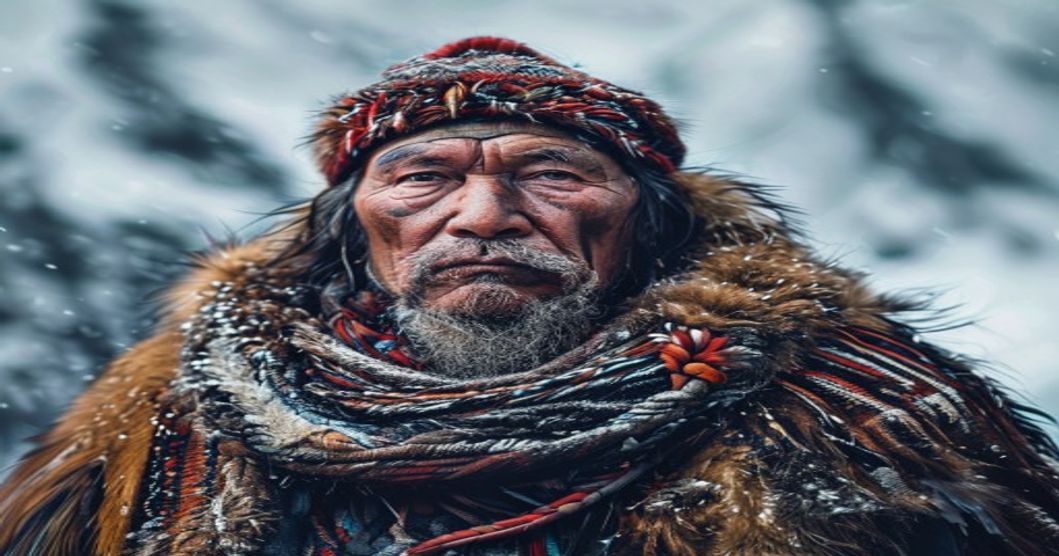
The Global Significance of Sami Indigenous Knowledge
The Sami people have cultivated a sophisticated system of traditional ecological knowledge that operates across the Arctic regions of Norway, Sweden, Finland, and Russia. This knowledge network extends far beyond local community boundaries, offering critical insights into ecosystem dynamics, climate adaptation, and sustainable resource management. Modern environmental science increasingly recognizes these indigenous frameworks as vital references for preserving biodiversity and maintaining fragile polar habitats. Cross-disciplinary researchers analyze historical migration patterns to reconstruct past climatic shifts, providing baseline data that satellite imagery alone cannot capture.
Reindeer husbandry represents one of the most documented examples of this expertise. Seasonal movement corridors, grazing rotation schedules, and animal health monitoring rely on generations of precise observation. Ecological studies confirm that these practices
Historical Foundations of Sámi Ecological Wisdom
The ecological framework of the Sámi people emerged from millennia of continuous adaptation across the Arctic and Subarctic regions spanning Norway, Sweden, Finland, and Russia. Long before modern environmental science formalized concepts like sustainability, Sámi communities operated within a deeply integrated resource management system. Their historical survival strategies relied on precise observation of seasonal cycles, animal behavior, and terrain shifts. Reindeer husbandry did not develop as an isolated economic activity but evolved alongside complex grazing logistics that prevented overgrazing and allowed pastures to regenerate naturally.
Sámi environmental knowledge was transmitted through oral archives rather than written manuscripts. Generational memory preserved critical data regarding snowpack density, ice thickness, migration corridors, and botanical flowering patterns. Traditional tools such as duodji knives, reindeer antler hooks, and woven grass mats were engineered to minimize ecological disruption while maximizing utility. Historical settlement patterns followed a transhumant rhythm, where families relocated between coastal winter quarters and inland summer pastures. This cyclical movement maintained soil stability, supported fish spawning grounds, and preserved lichen ecosystems essential for reindeer nutrition.
- Seasonal Grazing Mathematics: Historical maps reveal that Sámi herders calculated grazing pressure by tracking reindeer herd size against available lichen biomass, establishing one of the earliest documented carrying capacity models in human history.
- Microclimate Navigation: Hunters and fishers memorized wind patterns, thermal vents, and subterranean water flows to locate safe passage routes during extreme blizzards or spring thaws.
- Botanical Preservation: Communities systematically cataloged over seventy native plant species for medicinal, dietary, and material purposes, documenting harvest timing to ensure regenerative cycles remained intact.
These historical practices operated on a principle of reciprocal stewardship rather than resource extraction. Land was never classified as property but recognized as a living network requiring active maintenance. When early European colonial administrations attempted to impose sedentary agricultural models or restricted migration routes, Sámi ecological continuity faced severe disruption. Despite these pressures, the foundational knowledge persisted within family lineages and local guilds. Contemporary research now validates many of these historical methods, demonstrating that Sámi land management actively contributed to biodiversity retention, carbon sequestration in peatlands, and watershed protection across northern latitudes.
Linguistic Diversity and Oral Knowledge Transmission
The Sami peoples inhabit a vast circumpolar region stretching across northern Fennoscandia and the Kola Peninsula, yet their linguistic landscape operates as a complex polyphonic system rather than a single unified tongue. Seven distinct Sami languages survive today, each functioning as an independent epistemological framework that encodes unique ecological classifications. North Sami maintains thousands of precise lexical items describing snow density, reindeer antler development, and tundra vegetation cycles that standard Scandinavian languages cannot replicate. South Sami preserves archaic grammatical structures lost in other Uralic branches, while Skolt Sami retains tonal distinctions critical for differentiating medicinal plant properties and seasonal migration corridors.
This linguistic diversity directly enables sophisticated oral knowledge transmission. When a community elder performs a yoik, the melodic contour functions as a navigational database rather than mere artistic expression. Vocal techniques bypass written syntax to embed geographic coordinates, atmospheric shifts, and historical land-use patterns into rhythm and timbre. Younger generations acquire environmental literacy through this auditory architecture, learning to interpret lichen growth rates by listening to generational narratives about past drought cycles. Herders decode pasture recovery timelines through songs that map wind directions and current velocities along fjord systems.
- Morphological precision: Case suffixes indicate specific snow depth thresholds required for safe reindeer passage across frozen wetlands.
- Poetic compression: Yoik refrains store multi-layered weather predictions within single melodic phrases, allowing rapid data retrieval during storms.
- Ritual reinforcement: Seasonal gatherings trigger synchronized vocal exercises that calibrate collective memory against environmental drift and glacial retreat.
The oral mechanism operates as a distributed epistemological network, resilient against digital fragmentation because it requires embodied practice and contextual verification. Each utterance demands real-time adaptation to immediate terrain conditions, preventing static documentation from freezing living techniques into museum artifacts. Contemporary revitalization initiatives prioritize native speaker immersion over translation projects precisely because lexical gaps in standardized orthographies would collapse nuanced ecological relationships into oversimplified categories. The structural survival of these languages directly correlates with subarctic biodiversity conservation outcomes, demonstrating that linguistic preservation functions as active environmental infrastructure rather than cultural heritage.
Traditional Reindeer Husbandry and Land Stewardship
The Sami practice of reindeer husbandry represents one of the most sophisticated adaptive pastoral systems in Arctic and sub-Arctic environments. This practice functions as a deeply integrated ecological framework that has sustained both human communities and fragile tundra ecosystems for over a millennium. Herders navigate complex seasonal migration routes, moving between summer pastures in mountainous forests and winter grazing grounds across expansive lichen-dominated plateaus. These movements are dictated by precise environmental indicators: snow depth, wind patterns, reindeer physiological cycles, and vegetation regeneration rates.
- Seasonal transhumance prevents soil compaction and allows critical forage species to recover naturally across vast territories.
- Herders utilize generational knowledge of microclimates and terrain features to locate hidden water sources and sheltered valleys during severe weather events.
- Rotational grazing protocols are embedded in customary land-use agreements, ensuring lichen mats receive adequate resting periods between consumption cycles.
Land stewardship within this system operates on principles of reciprocal responsibility rather than resource extraction. Herders monitor herd health through subtle behavioral cues, track genetic lineages across generations, and maintain direct relationships with specific grazing territories. This continuous observation creates a dynamic feedback loop where ecological conditions directly shape management decisions. Modern environmental science increasingly validates these indigenous practices, recognizing that controlled reindeer browsing reduces invasive species dominance, maintains open woodland structures, and preserves peatland carbon sinks that would otherwise release greenhouse gases if disturbed.
Contemporary challenges include fragmented land rights, infrastructure development disrupting migration corridors, and accelerating climate shifts altering traditional seasonal rhythms. Despite these pressures, Sami herding communities continue refining their stewardship methods through intergenerational knowledge transfer and strategic collaboration with ecological researchers. The global relevance of this system extends far beyond regional boundaries, offering evidence-based models for sustainable pastoral management, biodiversity conservation, and indigenous-led land governance frameworks that align with international environmental policy standards.
Cultural Resilience Amidst Modernization Pressures
The preservation of Sami indigenous knowledge operates through structured adaptation rather than static conservation. Modernization pressures, including industrial resource extraction and centralized governance models, have historically disrupted traditional land-use patterns across Sápmi. Cultural continuity persists because communities actively integrate ancestral practices with contemporary legal and educational frameworks. Language revitalization initiatives led by the three Sami Parliaments in Norway, Sweden, and Finland prioritize intergenerational transmission through immersion schools and standardized curricula. These institutional mechanisms transform historical marginalization into coordinated policy advocacy.
Reindeer pastoralism demonstrates measurable resilience through adaptive herd management strategies that respond to shifting weather patterns and grazing regulations. Herders utilize satellite mapping alongside traditional landscape reading to maintain migration corridors despite infrastructure expansion. Digital archiving projects record oral histories, joik traditions, and craft techniques, ensuring that epistemological frameworks survive demographic shifts. Youth engagement programs combine mobile applications with field-based mentorship, creating feedback loops between elders and digital-native generations.
- Legal recognition of land rights establishes operational boundaries for sustainable resource management
- Educational partnerships integrate indigenous ecological metrics into regional environmental planning
- Community-led monitoring networks track biodiversity fluctuations using both scientific instruments and traditional observation methods
The global relevance of this knowledge system extends beyond regional identity. Ecological stewardship principles embedded in Sami land management inform contemporary conservation biology and climate adaptation strategies. When industrial development conflicts with grazing territories, indigenous legal frameworks provide precedent for balancing economic objectives with long-term environmental stability. The ongoing negotiation between modernization demands and cultural preservation continues to generate transferable models for other indigenous groups facing similar structural pressures.
Sámi Knowledge Systems in Contemporary Science and Policy
Contemporary scientific institutions and governmental bodies increasingly recognize Sámi knowledge systems as critical frameworks for ecological monitoring and environmental governance. This integration operates through structured co-production models that merge longitudinal traditional observations with peer-reviewed research methodologies. Reindeer herding calendars, historically calibrated by lunar cycles and vegetation phenology, now inform climate adaptation strategies across Arctic regions. Researchers utilize these seasonal indicators to validate satellite-derived snow cover data and permafrost thaw patterns, creating hybrid datasets that improve predictive accuracy for ecosystem shifts.
Policy frameworks at regional and international levels reflect this epistemological shift. The Sámi Parliaments of Norway, Sweden, and Finland actively participate in environmental impact assessments, grazing rights negotiations, and protected area zoning decisions. Nordic legislation increasingly mandates prior consultation protocols aligned with United Nations Declaration on the Rights of Indigenous Peoples standards. European Union biodiversity initiatives incorporate biocultural conservation metrics that explicitly account for Indigenous land stewardship practices. These policy mechanisms transition from symbolic recognition to operational co-management structures.
- Ecological Validation: Traditional fire management techniques and wetland drainage patterns cross-referenced with remote sensing data to optimize habitat restoration projects.
- Data Sovereignty Protocols: Research agreements now require Indigenous data governance frameworks, ensuring community control over genetic resources, medicinal plant distributions, and mapping datasets.
- Institutional Integration: Nordic university curricula embed Sámi methodological approaches in environmental science programs, replacing extractive research models with collaborative fieldwork standards.
Advancing this integration demands structural accountability. Funding allocations must prioritize community-led research infrastructure rather than external academic appropriation. Conservation zoning policies require legally binding consultation thresholds before permitting mineral extraction or renewable energy installations in traditional territories. Establishing permanent knowledge exchange councils between scientific agencies and Sámi governing bodies will sustain evidence-based environmental decision-making while preserving epistemic sovereignty.
Bridging Indigenous Ecological Data with Climate Research
Traditional ecological monitoring conducted by Sami communities operates on generational timescales, capturing microclimatic shifts that conventional scientific instruments frequently miss. Reindeer herding practices rely on precise observations of snow crust formation, ice layer density, and lichen availability. These indicators serve as early warning systems for atmospheric temperature fluctuations and precipitation anomalies. Climate models require long-term baseline data to validate projections, yet many Arctic regions lack historical meteorological stations. Indigenous observational records fill this chronological gap by providing continuous environmental tracking across centuries.
Integrating these qualitative datasets with quantitative research demands methodological adaptation. Participatory mapping initiatives
Legal Frameworks Protecting Sámi Land Rights and Intellectual Heritage
The legal architecture safeguarding Sámi land rights and intellectual heritage operates through a layered intersection of international treaties, constitutional provisions, and specialized domestic legislation across Norway, Sweden, Finland, and Russia.
At the international level, ILO Convention No. 169 on Indigenous and Tribal Peoples serves as the foundational instrument. Ratified by Norway in 1990, it explicitly mandates state consultation prior to resource extraction or legislative measures affecting Sámi territories. The United Nations Declaration on the Rights of Indigenous Peoples (UNDRIP) reinforces Free, Prior, and Informed Consent (FPIC) standards, though its non-binding nature requires domestic transposition for enforceability.
- Norway: The Finnmark Act of 2005 transferred ownership of approximately 95 percent of Finnmark county to the local population, administered by the Finnmark Estate (FeFo). The Sámi Parliament retains co-management authority over reindeer husbandry zones, with the Reindeer Husbandry Act defining grazing rights and seasonal migration corridors.
- Sweden: The Environmental Code requires state agencies to evaluate impacts on Sámi interests before issuing mining or forestry permits. Recent Supreme Court rulings have affirmed that historical usage patterns establish protected land rights, even without formal title deeds.
- Finland: The Constitution recognizes the Sámi as an indigenous people with language and cultural protections. The Reindeer Husbandry Act delineates exclusive grazing areas, while specialized legislative drafts address biopiracy and safeguard traditional medicinal practices.
Intellectual heritage protection relies on a combination of copyright adaptations, geographical indication systems, and specialized cultural property statutes. Norway’s Copyright Act explicitly protects Sámi folk art and joik performances as collective works, while Sweden’s Cultural Heritage Act classifies sacred sites, ancient runestones, and traditional duodji crafts as protected national assets. The European Union’s Geographical Indication framework increasingly supports Sámi reindeer meat and handcrafted goods through Protected Designation of Origin status.
Enforcement mechanisms face structural friction between extractive industry permits and indigenous land claims. Courts in all four jurisdictions routinely apply the principle of continuous historical use to validate grazing boundaries, yet administrative delays frequently undermine FPIC implementation. Recent legislative amendments in Norway and Sweden now require mandatory impact assessments that integrate Sámi knowledge systems alongside scientific data, creating a hybrid evidentiary standard for resource licensing.
Advocacy organizations utilize strategic litigation to challenge patent applications that appropriate traditional medicinal formulas or textile patterns. The World Intellectual Property Organization’s Intergovernmental Committee tracks these cases, pushing for sui generis databases that document Sámi ecological knowledge without transferring commercial ownership. Cross-border coordination through the Sámi Council ensures consistent legal monitoring, though jurisdictional fragmentation remains a persistent obstacle to unified heritage preservation.
Integration of Sámi Practices into Global Biodiversity Conservation
Sámi traditional ecological knowledge operates on a continuous feedback loop between human activity and ecosystem resilience. Reindeer husbandry, rather than being classified merely as pastoralism, functions as a dynamic land management system that maintains open tundra landscapes and prevents shrub encroachment. Grazing patterns naturally mimic historical herbivore movements, reducing fuel loads and promoting biodiversity through microhabitat variation. This practice directly aligns with modern conservation goals of maintaining ecological succession stages that support specialized flora and fauna.
Seasonal migration corridors require precise spatial planning to balance livestock movement with wildlife breeding grounds and vegetation recovery periods. Sámi communities utilize generational memory of snow conditions, lichen growth rates, and predator behavior to adjust routes annually. Conservation agencies increasingly adopt these adaptive strategies through co-management agreements that replace rigid zoning with flexible, seasonally adjusted land use plans. Such frameworks prove more effective than static protected areas when addressing climate-driven habitat shifts.
- Curriculum Co-Construction: Local Sámi communities draft learning objectives alongside university departments, guaranteeing that ecological monitoring techniques and seasonal migration patterns are documented using indigenous classification systems rather than imposed taxonomies.
- Reciprocal Research Archives: Circumpolar academic networks host open-access repositories where oral histories and weather forecasting methods undergo peer review by Sámi knowledge holders, eliminating interpretive bias and standardizing citation protocols for primary sources.
- Field-Based Pedagogical Training: Student cohorts participate in supervised land-based learning expeditions that pair contemporary remote sensing technology with traditional resource management practices, producing dual competency profiles for future educators and researchers.
- Interdisciplinary Course Architecture: Merge ecological monitoring techniques with Sámi seasonal calendar systems, creating laboratory components where students analyze landscape changes alongside traditional land-use patterns.
- Language-Integrated Pedagogy: Embed Northern Sámi terminology into scientific and humanities modules to preserve linguistic nuance while expanding academic vocabulary across disciplines.
- Community-Governed Review Cycles: Implement mandatory Sámi advisory panels for curriculum approval, course updates, and faculty training on culturally responsive teaching practices.
- Technological Infrastructure: Projects deploy geospatial mapping tools to record reindeer migration routes, traditional place names (sámi topography), and seasonal resource locations. Audio-visual digitization captures joik vocalizations, duodji craftsmanship techniques, and oral histories using high-fidelity recording equipment tailored for field conditions.
- Metadata & Ontology Development: Standardized classification systems are adapted to incorporate Sámi linguistic structures and epistemological frameworks. Platforms like Mukurtu CMS enable granular access controls, allowing knowledge holders to restrict sensitive ceremonial content while publishing educational materials openly. Checksum verification and version control protocols maintain data integrity across distributed networks.
- Ethical Protocol Integration: Documentation workflows require explicit consent tiers, dynamic licensing agreements, and continuous community review cycles. This prevents misappropriation and ensures that digital representations remain contextually accurate across generations.
- Nordic Sámi Festival Networks facilitate annual knowledge-sharing forums where artisans, linguists, and land stewards demonstrate traditional practices to international audiences.
- University Research Consortia establish joint degree programs focusing on indigenous epistemologies, embedding Sámi methodologies into global environmental science curricula.
- Digital Heritage Platforms utilize geospatial tagging and interactive storytelling to archive seasonal migration routes, medicinal plant classifications, and snow-reading techniques for worldwide scholarly access.
- Policy Exchange Mechanisms connect Sámi parliamentary representatives with indigenous advisory bodies in Canada, Australia, and New Zealand to harmonize land rights frameworks.
- Community-anchored documentation centers operating on local servers with rotating custodianship cycles prevent knowledge hoarding and ensure continuous relevance.
- Intergenerational mentorship frameworks embed traditional practitioners within municipal education systems, creating structured pathways for apprenticeship rather than classroom-only instruction.
- Tiered access protocols distinguish between publicly available ecological data, culturally sensitive seasonal knowledge, and sacred ceremonial recordings through cryptographic permission layers.
- Economic reciprocity models route licensing fees directly to community trust funds, financing language revitalization programs and digital infrastructure maintenance.
- Phenological Mismatch: Unpredictable freeze-thaw cycles eliminate reliable ice routes and alter plant emergence timelines, rendering historical navigation and foraging knowledge ineffective without systematic recalibration.
- Territorial Encroachment: State-authorized resource extraction zones routinely overlap with legally recognized grazing boundaries, creating jurisdictional conflicts that restrict seasonal mobility and land access.
- Ecosystem Degradation: Soil compaction from heavy machinery and water table disruption from drainage projects reduce biodiversity in keystone habitats, diminishing available medicinal and craft materials.
- Digital Archiving Protocols: Young researchers collaborate with linguists to build open-access databases that record dialectal variations, ensuring phonetic accuracy while respecting community protocols regarding sacred or restricted content.
- Intergenerational Mentorship Networks: Formalized pairings connect adolescents with master artisans, healers, and herders, facilitating hands-on transmission of craft techniques, medicinal plant identification, and narrative storytelling structures.
- Youth-Led Media Production: Community radio stations and independent documentary projects provide platforms for younger Sámi to document local ecosystems, translate technical terminology into accessible formats, and challenge external academic narratives that historically marginalized indigenous epistemologies.
- Endowment Trust Structures: Seed capital from public heritage agencies or international preservation foundations is converted into conservative investment portfolios generating perpetual annual yields. The principal remains permanently intact while dividends finance language revitalization curricula, master-apprentice stipends, and archival documentation.
- Community-Led Enterprise Cooperatives: Indigenous-owned operations in handicraft production, sustainable resource management, or cultural hospitality generate direct market revenue. Profits are contractually mandated to flow into a dedicated cultural continuity fund with transparent quarterly reporting accessible to all community stakeholders.
- Cross-Border Heritage Funding Networks: Since indigenous territories span multiple sovereign jurisdictions, coordinated applications to Nordic Council cultural grants, European Union rural development programs, and UNESCO heritage preservation mechanisms maximize resource allocation while standardizing compliance requirements across national borders.
Educational Integration and Cross-Cultural Knowledge Exchange
Integrating Sámi indigenous knowledge into formal education requires systematic curriculum redesign that respects epistemological boundaries while creating accessible academic frameworks. Northern European universities and regional schools have developed modular programs where traditional ecological knowledge, reindeer herding dynamics, and joik vocal traditions are studied alongside modern environmental science and ethnomusicology. Academic accreditation bodies now require documented proof of indigenous advisory board involvement during syllabus development cycles. This pedagogical shift moves beyond token representation, establishing Sámi scholars as primary contributors to course design rather than subjects of external research. Faculty development initiatives mandate competency training in Sámi linguistic structures and historical land rights, ensuring instructors facilitate discussions with academic precision and cultural accountability.
The institutionalization of Sámi knowledge has fundamentally altered assessment criteria within Nordic academic systems. Grading rubrics now evaluate ethical research practices, indigenous sovereignty recognition, and interdisciplinary synthesis rather than conventional citation metrics alone. Teacher certification pathways incorporate mandatory modules on decolonial pedagogy and Sámi constitutional rights, preparing educators to navigate complex cultural intersections without appropriating sacred narratives. International educational networks increasingly adopt these frameworks as standards for indigenous knowledge integration, demonstrating how localized academic models can inform global curriculum policy while maintaining strict community governance over intellectual property distribution and establishing measurable outcomes for intercultural competency development across transnational academic partnerships.
Curriculum Development for Indigenous Knowledge in Higher Education
Integrating Sámi indigenous knowledge into university programs requires deliberate structural shifts rather than superficial cultural add-ons. Higher education institutions must redesign syllabi to position Sámi epistemologies as foundational academic disciplines, not supplementary topics. This begins with mapping existing courses in anthropology, environmental science, linguistics, and law to identify natural intersections with Sámi worldview principles such as traditional craftsmanship systems, reindeer herding ecology, and oral narrative documentation.
Effective curriculum development relies on direct collaboration with Sámi communities, knowledge holders, and academic staff. Joint faculty committees should co-author course materials, ensuring authentic representation while maintaining rigorous peer-review standards. Assessment methods must move beyond standardized testing to include reflective portfolios, community-engaged research modules, and competency-based evaluations that honor non-Western learning cycles. Institutions frequently encounter accreditation barriers when allocating credit for place-based fieldwork; establishing modular micro-credentials or flexible credit pathways resolves this structural limitation.
When universities treat indigenous knowledge as a living research framework rather than historical artifact, student outcomes shift significantly. Learners develop methodological flexibility, ethical research protocols, and systems-thinking capabilities that directly address contemporary challenges like climate adaptation and resource governance. Faculty development programs must equally emphasize decolonial pedagogy training, interdisciplinary mentoring networks, and longitudinal impact tracking to sustain curricular transformation beyond initial implementation phases.
Digital Archiving and Community-Led Documentation Projects
The preservation of Sami Indigenous Knowledge relies heavily on digital archiving frameworks that prioritize data sovereignty and community governance. Traditional archival models historically extracted cultural artifacts without consent, but contemporary initiatives reverse this dynamic by placing control within Sámi institutions. Community-led documentation projects utilize participatory methodologies where elders, youth, and knowledge holders co-design metadata schemas, access protocols, and preservation priorities through structured workshops and iterative feedback loops. This approach aligns with the CARE principles for Indigenous Data Governance—Collective Benefit, Authority to Control, Responsibility, and Ethics—ensuring that digital repositories reflect lived cultural contexts rather than external academic interpretations.
Sustainable digital archiving demands long-term technical maintenance alongside cultural stewardship. Cross-institutional partnerships between Sámi parliaments, university archives, and open-source developers establish redundant storage systems and migration pipelines that protect against format obsolescence. Interoperability standards like Dublin Core and EAD facilitate cross-border research while maintaining localized control mechanisms. Educational integrations emerge when digitized collections feed directly into bilingual curricula, enabling language revitalization programs grounded in authentic source material. The convergence of technical precision and community authority transforms digital archives from passive repositories into active instruments of cultural continuity and policy advocacy.
Fostering International Collaboration Through Sámi Cultural Exchanges
Sámi cultural exchanges operate as vital conduits for transferring traditional ecological knowledge, linguistic preservation techniques, and sustainable land management practices across continental boundaries. Organizations such as the Sámi Council coordinate cross-border workshops that unite reindeer herding communities in Norway, Sweden, Finland, and Russia with academic institutions in North America and Oceania. These structured dialogues enable direct knowledge transfer regarding climate adaptation strategies documented over centuries. Digital archives and open-access repositories further dismantle geographical barriers, allowing researchers worldwide to analyze ancestral mapping methods, textile weaving patterns, and oral history documentation without physical displacement.
Academic institutions across Europe and North America now integrate Sámi ecological monitoring data into climate resilience models. Field studies conducted by joint research teams demonstrate how traditional weather prediction systems correlate with modern atmospheric readings, providing actionable insights for agricultural planning in vulnerable regions. Language revitalization programs export pedagogical frameworks that prioritize community-led immersion, directly influencing UNESCO’s indigenous education guidelines. International funding bodies increasingly allocate resources toward collaborative documentation projects, recognizing that Sámi knowledge systems offer scalable solutions for biodiversity conservation and sustainable resource allocation. Cross-border digital labs now utilize machine learning algorithms to decode historical duodji patterns and winter survival techniques, creating open-source datasets that empower remote communities. Municipal governments in Scandinavia and the Pacific Northwest now adopt these collaborative frameworks to draft localized conservation legislation, proving that indigenous epistemologies drive contemporary governance standards worldwide.
Future Pathways for Preserving and Scaling Indigenous Wisdom
Preserving Indigenous wisdom requires a fundamental shift from passive archiving to active, community-controlled ecosystems that adapt to modern information infrastructure. Digital sovereignty remains the cornerstone of this transition. When Sami knowledge keepers dictate how their ecological observations, linguistic structures, and seasonal navigation techniques are stored and accessed, preservation becomes an act of cultural continuity rather than academic extraction. Decentralized repositories built on open-source frameworks allow communities to manage metadata standards, control access tiers, and update records in real time without relying on external institutional gatekeepers.
Technology accelerates scaling when deployed under strict ethical governance. Machine learning models trained exclusively on community-verified datasets can translate dialectal variations across Sápmi regions while preserving contextual nuances that flat dictionaries miss. Interactive geospatial platforms map reindeer migration routes alongside historical grazing grounds, linking oral testimonies to satellite imagery and climate data. Blockchain verification systems establish immutable provenance trails for traditional ecological knowledge, ensuring that commercial or academic applications receive explicit consent and deliver reciprocal benefits.
Scaling Indigenous wisdom demands institutional partnerships that reject extractive research paradigms. Universities and tech developers must co-design data governance charters before deployment begins, establishing clear boundaries for commercial utilization and mandating community veto rights over derivative works. Regional policy frameworks increasingly recognize traditional knowledge as critical infrastructure for climate adaptation, enabling municipalities to fund bilingual environmental monitoring stations staffed by Indigenous practitioners. Measurable success emerges when preservation metrics track active usage rates, youth participation levels, and cross-community knowledge exchange rather than static collection sizes.
Addressing Threats from Climate Change and Industrial Expansion
The Arctic and subarctic territories where Sami communities have maintained continuous ecological observation for millennia face accelerating environmental destabilization. Elevated temperature trajectories reduce snowpack duration, compromise crust formation on winter surfaces, and trigger premature lichen desiccation. These physical alterations disrupt the seasonal calendars that govern reindeer husbandry, hunting schedules, and botanical harvesting. When traditional phenological markers lose predictive accuracy, intergenerational knowledge transmission fractures. The resulting data gap removes centuries of localized climate adaptation strategies from contemporary environmental modeling frameworks.
Industrial development intensifies these pressures through linear infrastructure placement, extractive operations, and energy corridor planning that bypass ecological carrying capacity assessments. Logging concessions fragment old-growth birch stands essential for reindeer shelter while mineral exploration permits introduce heavy metal contamination into wetland systems. Wind energy installations frequently cross established migration bottlenecks without adequate seasonal adjustment protocols. Habitat fragmentation forces herd displacement into nutrient-poor zones, increasing calf mortality during extreme weather events. Contaminant accumulation in aquatic ecosystems subsequently undermines traditional fishing practices and compromises food sovereignty.
Mitigation requires institutionalized integration of community monitoring networks with regional environmental agencies. Participatory GIS mapping preserves historical range data while drone-based vegetation surveys track real-time ecosystem recovery. Co-management legislation establishes seasonal closures around critical calving pastures and lichen regeneration zones. Language documentation initiatives maintain precise ecological terminology, ensuring that classification systems for terrain features, animal behavior, and weather patterns remain functionally intact. Protecting this knowledge infrastructure delivers measurable benefits beyond cultural continuity; it supplies validated land stewardship models, enhances carbon storage monitoring accuracy, and strengthens regional climate resilience strategies applicable to high-latitude conservation worldwide.
Empowering Next-Generation Sámi Knowledge Holders
Transmitting Sámi ecological and cultural insights to younger cohorts requires structured, community-driven pedagogical frameworks that bridge traditional oral practices with contemporary educational infrastructure. Youth initiatives across Sápmi increasingly prioritize immersive language environments where children engage with reindeer herding terminology, seasonal navigation techniques, and textile patterning under direct mentorship from elder knowledge keepers. These programs operate outside conventional classroom boundaries, utilizing land-based curricula that align learning cycles with natural rhythms such as calving seasons, migration routes, and midnight sun observations.
Policy frameworks supporting these efforts must recognize intellectual property rights specific to Sámi knowledge systems. Educational grants increasingly fund mobile learning labs equipped with field recording equipment, GPS mapping tools, and adaptive language software tailored to Ume Sámi, Inari Sámi, and Skolt Sámi dialects. Schools integrating land-based pedagogy report measurable improvements in student engagement, cultural identity formation, and ecological literacy. Municipal partnerships with Sámi parliaments streamline funding allocation for youth cooperatives focused on sustainable reindeer husbandry, traditional food preservation, and low-impact tourism development. When financial resources align with indigenous governance structures, next-generation knowledge holders gain autonomy over curriculum design, documentation standards, and cultural interpretation without external appropriation. Digital sovereignty remains central to these initiatives. Young developers code privacy-first applications that store genealogical records and land-use maps directly on community servers, bypassing third-party platforms that historically exploited indigenous data. Skill transfer extends beyond cultural preservation into economic resilience, with apprenticeships in renewable energy installation, regenerative agriculture, and heritage tourism management creating self-sustaining local economies. Academic institutions now partner with Sámi youth councils to co-author research methodologies that prioritize consent-based data collection and reciprocal knowledge exchange, fundamentally shifting how indigenous expertise enters global scholarly discourse.
Establishing Sustainable Funding Models for Cultural Continuity
Securing financial stability for indigenous cultural preservation requires transitioning from intermittent grant dependency toward institutionalized capital frameworks that operate independently of political cycles. Effective funding architecture integrates endowment trusts, community-controlled investment vehicles, and revenue-generating enterprises designed to circulate wealth within indigenous networks rather than extract it. Legal structuring forms the operational foundation; establishing registered cooperatives or nonprofit foundations with explicit bylaws prevents asset fragmentation and guarantees intergenerational transfer of resources across generations.
Diversification functions as the primary risk mitigation mechanism. Relying exclusively on government cultural budgets exposes preservation initiatives to legislative shifts, administrative red tape, and sudden austerity measures. High-performing frameworks layer multiple income streams: intellectual property licensing for traditional textile patterns and craft techniques, land-based eco-tourism partnerships with legally binding profit-sharing agreements, and digital archive subscriptions governed by indigenous data trusts. Each revenue channel demands specialized operational capacity, making staff training in financial management, tax compliance, and grant administration equally critical as initial capital acquisition.
Implementation demands rigorous governance protocols. Financial oversight committees must include knowledge keepers, youth representatives, and certified accountants proficient in indigenous economic principles. Contractual agreements with external commercial partners require explicit clauses protecting traditional knowledge from unauthorized commodification while permitting ethical market integration. Technology infrastructure further strengthens operational sustainability; distributed ledger systems ensure transparent tracking of digital content usage and royalty distribution, while automated financial dashboards provide real-time liquidity monitoring for grant administrators and board members.
Long-term viability depends on inflation-adjusted allocation formulas and strategic asset diversification. Currency hedging protects cross-border investments from exchange rate volatility, while fixed-income securities maintain purchasing power during macroeconomic downturns. Independent triennial audits verify that disbursements align with documented cultural continuity objectives rather than administrative convenience. When financial architecture mirrors indigenous decision-making rhythms and territorial realities, capital transforms into a mechanism for intergenerational sovereignty rather than a temporary subsidy.
Frequently Asked Questions
What is The Global Significance of Sami Indigenous Knowledge?
The Global Significance of Sami Indigenous Knowledge lies in its profound understanding of Arctic ecosystems, sustainable reindeer herding practices, traditional ecological wisdom, and cultural heritage that offer valuable lessons for modern sustainability, biodiversity conservation, and climate resilience worldwide.
Key facts about The Global Significance of Sami Indigenous Knowledge
Key facts include: (1) It encompasses centuries of observational data on weather, wildlife, and plant cycles; (2) It influences contemporary environmental policies and indigenous rights frameworks globally; (3) It contributes uniquely to sustainable land management and climate adaptation strategies across the circumpolar North.