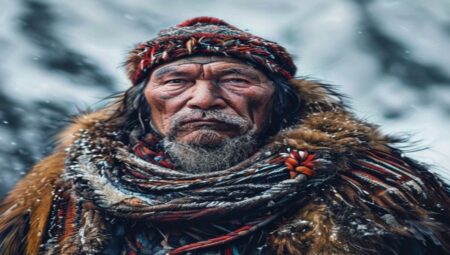
Foundations of Indigenous Wisdom From the Arctic North
The foundational architecture of Arctic Indigenous knowledge systems emerges from continuous environmental calibration across millennia. Rather than treating nature as a commodity, these epistemologies establish reciprocal kinship networks where human survival depends on precise ecological feedback loops. Survival in polar environments required mastery of microclimatic indicators: interpreting ice thickness through acoustic resonance, tracking auroral activity for navigation, identifying safe passage routes via snowdrift morphology, and forecasting storms through changes in animal vocalization patterns. This empirical database operated as a living protocol governed by strict harvest quotas, territorial rotation schedules, and collective resource distribution mechanisms that prevented ecological collapse.
Knowledge transmission relies on immersive pedagogical structures where competence develops through supervised field practice. Elders function as cognitive archives, embedding survival metrics, navigation coordinates, medicinal botany, and architectural engineering within seasonal narratives, drum chants, and kinship obligations. Learning occurs through graduated responsibility: children first observe, then assist, then lead under direct mentorship, ensuring technical accuracy alongside ethical compliance.
- Advanced route-finding utilizing stellar azimuths and terrain landmarks for winter travel across frozen seas
- Sustainable procurement methods that maintain prey population viability through seasonal restrictions and gender-specific harvesting roles
- Thermal architecture engineering snow crystal density into load-bearing structures with passive ventilation systems
- Predictive resource mapping tracking migratory corridors, breeding grounds, and freshwater access points across shifting ice regimes
Governance structures operate through consensus-based councils where decisions require broad kinship alignment rather than hierarchical decree. Taboos function as ecological safeguards, regulating hunting seasons, protecting breeding grounds, and enforcing territorial boundaries through social accountability. Climate adaptation strategies remain embedded in mobility patterns, food preservation techniques like air-drying and fermentation, and communal sharing networks that buffer against resource scarcity. Material culture reinforces these principles through tool design optimized for multi-season utility, clothing layers engineered from reindeer and seal hide for moisture management, and communal structures distributed to maximize resource efficiency during winter months. The integration of observable natural phenomena with spiritual cosmology creates a self-regulating system where cultural continuity, environmental stewardship, and intergenerational knowledge transfer function as interdependent pillars of Arctic survival.
Oral Traditions and Storytelling Methods
Arctic Indigenous communities have historically functioned as living libraries, encoding survival knowledge, ecological patterns, and moral frameworks directly into spoken narratives. Rather than treating stories as static artifacts, these traditions operate as dynamic epistemological systems where memory, environment, and language intersect. Elders utilize rhythmic pacing, vocal modulation, and deliberate pauses to anchor complex information in auditory memory. The narrative structure often mirrors seasonal cycles, with winter tales reserved for long nights when communal gathering was physically possible, while summer narratives focus on migration routes, resource mapping, and interpersonal ethics.
- Drum circle transmission: Percussive rhythms establish temporal anchors, allowing listeners to synchronize attention and retain sequential information across multiple generations.
- Kinship-based mentorship: Knowledge transfers through direct elder-to-youth dyads, ensuring contextual nuances and pronunciation standards remain intact without institutional mediation.
- Chant cycles and call-response formats: Community participation transforms passive listening into active cognitive rehearsal, reinforcing recall through collective vocalization.
- Seasonal narrative scheduling: Stories align with environmental markers, such as ice formation periods or animal breeding seasons, embedding ecological data within cultural practice.
Performance mechanics in Arctic oral traditions prioritize adaptability within strict structural boundaries. Narrators maintain core plotlines and ethical lessons while adjusting descriptive details to reflect contemporary observations, weather patterns, or community-specific events. This controlled improvisation prevents historical stagnation while preserving foundational wisdom. Audience members frequently interrupt with clarifying questions, geographic references, or related personal experiences, creating a feedback loop that validates and updates the knowledge base. The absence of written documentation historically necessitated highly refined mnemonic devices, including geographical markers woven into plot sequences, kinship terminology used as structural scaffolding, and environmental metaphors that double as survival instructions.
Contemporary preservation efforts recognize oral transmission as an irreplaceable cognitive technology rather than a historical relic. Community-led recording projects prioritize ethical data sovereignty, ensuring audio archives remain accessible to originating families and linguistic revitalization programs. Digital platforms now facilitate cross-regional storytelling exchanges, yet the core pedagogical model remains rooted in face-to-face interaction where vocal tone, facial expression, and spatial proximity convey meaning beyond lexical content. This embodied knowledge transfer sustains cultural continuity while adapting to rapidly shifting Arctic environments.
Ecological Knowledge and Sustainable Practices
Arctic indigenous communities have developed intricate ecological frameworks through millennia of direct environmental interaction. These systems prioritize long-term resource stability over short-term extraction, relying on precise observation of weather patterns, animal migrations, and seasonal shifts. Traditional Ecological Knowledge (TEK) operates as a dynamic repository of survival strategies, where every harvested species is managed according to strict cultural protocols that prevent ecological collapse.
- Seasonal Harvesting Cycles: Communities track glacial melt dates and aurora patterns to determine optimal hunting windows. This prevents overharvesting during breeding seasons and ensures population regeneration.
- Mixed-Species Resource Management: Rather than focusing on single commodities, Arctic peoples utilize complementary ecosystems. Marine mammals, seabirds, and coastal flora are managed as interconnected units, maintaining trophic balance across fragile tundra and ice-edge environments.
- Adaptive Migration Routing: Herders and hunters follow ancestral pathways that shift gradually in response to permafrost degradation and changing wind corridors. These routes minimize soil compaction and allow vegetation recovery periods.
Modern conservation science increasingly validates these methods through empirical data. Satellite tracking of caribou herds aligns with century-old oral maps, while water quality studies confirm that traditional fish weir placements reduce sediment disruption compared to industrial infrastructure. The integration of TEK into contemporary Arctic governance frameworks demonstrates measurable improvements in biodiversity retention and carbon sequestration rates across northern biomes.
Practical application requires respecting intellectual property rights and community sovereignty over data collection. Researchers collaborating with indigenous councils must establish co-management agreements that prioritize local decision-making authority. This approach transforms ecological monitoring from an external imposition into a culturally grounded stewardship model, ensuring that preservation strategies remain viable for future generations facing rapid climatic shifts.
Seasonal Tracking and Climate Adaptation
Arctic Indigenous communities have historically relied on precise seasonal tracking systems that integrate microclimatic observations, celestial navigation, and ecological indicators. These methods are not speculative but systematically documented through generational knowledge transmission. Hunters monitor ice formation patterns by listening to acoustic shifts in frozen surfaces, which reveal internal stress fractures and thickness variations long before visual inspection confirms safety. Snow density and crust formation provide early warnings of temperature fluctuations, while the timing of aurora borealis activity correlates with geomagnetic storms that affect animal migration routes.
- Glacial and Sea Ice Dynamics: Elders assess ice readiness by observing wind direction shifts, salinity gradients in meltwater pools, and the behavior of ringed seal breathing holes.
- Biological Phenology Markers: The emergence of specific lichen species, the nesting cycles of Arctic terns, and the molting patterns of caribou serve as reliable seasonal anchors across decades of observation.
Arctic Indigenous communities developed hunting and fishing practices that functioned as intricate survival systems, deeply intertwined with environmental observation and spiritual reciprocity. These protocols were never arbitrary; they emerged from centuries of direct interaction with shifting ice formations, migratory patterns, and marine ecosystems. Hunters relied on subtle indicators—wind direction, snow texture, animal tracks, and even the behavior of seabirds—to locate prey without depleting local populations. Fishing techniques adapted to seasonal variations, utilizing hand-carved spears, woven nets, and carefully positioned traps that allowed fish to pass freely during spawning periods while capturing mature specimens during winter months.
The underlying philosophy treated every animal as a conscious being offering itself for human survival, demanding respect in return. Before a hunt, elders conducted rituals to seek permission from the spirit of the species, reinforcing the belief that taking life required gratitude and restraint. Rules governed what could be taken, how much was necessary, and which animals were off-limits during breeding seasons or when populations showed signs of stress. Wastefulness was strictly prohibited; every part of a harvested animal served a purpose, from hides used for clothing to bones fashioned into tools and sinew repurposed as thread.
Distribution networks ensured that no household faced scarcity while others hoarded surplus. Meat and fish were shared according to established kinship ties and community need, creating a social safety net that sustained groups through harsh winters. Younger generations learned these protocols through immersive apprenticeship rather than formal instruction. Children accompanied hunters on the ice, studying animal behavior, mastering knot-tying, and understanding weather patterns long before handling weapons or fishing gear. This oral transmission preserved ecological data across millennia, allowing communities to adapt to climate shifts while maintaining strict boundaries around resource extraction.
Contemporary marine biologists and wildlife managers increasingly recognize these traditional frameworks as early models of ecosystem-based management. The protocols emphasized carrying capacity, predator-prey balance, and habitat preservation long before modern conservation science formalized such concepts. By aligning human activity with natural rhythms rather than attempting to dominate them, Arctic Indigenous groups maintained ecological stability across generations. Their methods demonstrate that sustainability is not a modern invention but a foundational principle embedded in indigenous knowledge systems.
Flora and Fauna Utilization
Arctic indigenous communities have developed highly specialized knowledge systems for harvesting and processing local flora and fauna, ensuring survival across extreme climatic conditions. Ethnobotanical records demonstrate that lichen species, particularly reindeer moss (Cladonia rangiferina), served as critical winter forage for domesticated caribou and were processed to extract carbohydrates after prolonged boiling neutralized usnic acid. Berries such as cloudberry (Rubus chamaemorus) and crowberry (Empetrum nigrum) provided essential vitamin C during polar winters, while traditional preservation methods like freeze-drying, fermentation in seal skins, and smoking over bone fires extended nutritional availability across months. Medicinal flora included Labrador tea (Rhododendron groenlandicum), which researchers later identified as containing potent antimicrobial flavonoids.
Faunal resources dictated seasonal migration patterns and tool fabrication across circumpolar regions. Caribou antlers and bones were heat-treated to produce harpoons, needles, and sled runners, while sinew from leg muscles functioned as high-tension thread for waterproof clothing. Seal blubber yielded omega-3 rich oil used in traditional lamps (qulliq), providing both illumination and dietary calories during daylight-scarce periods. Whale hunting required coordinated group strategies, with every anatomical component processed: meat supplied iron and protein, hides were fermented into parka material, and bones constructed kayak frames or carving tools.
- Medicinal applications: Willow bark extracts contained salicin compounds for pain relief, while dried birch fungus (Piptoporus betulinus) served as anticoagulant and wound dressing in pre-contact pharmacopeias. Spruce tips provided quinine alternatives for fever reduction.
- Sustainable harvesting protocols: Traditional taboos restricted overharvesting during breeding seasons, enforced rotational grazing zones for caribou herds, and mandated complete utilization of harvested animals to prevent ecological waste.
- Seasonal calibration: Plant collection aligned with lunar cycles and auroral patterns, ensuring optimal alkaloid concentration in medicinal herbs and peak lipid accumulation in marine mammals before winter migration.
Modern archaeological studies confirm that these utilization practices maintained ecosystem equilibrium for millennia. Soil pH levels around ancient refuse middens remain stable, demonstrating minimal long-term degradation. Contemporary conservation frameworks increasingly reference this circumpolar knowledge when designing wildlife corridors and climate adaptation strategies for high-latitude biomes.
Spiritual Beliefs and Community Governance
Arctic Indigenous cosmologies operate on a foundational premise that spirit permeates every element of the environment—rock, wind, animal, and human. This animistic framework does not separate sacred practice from daily survival. Hunting expeditions require ritual preparation, vocal offerings, and strict behavioral codes to maintain reciprocal relationships with animal spirits. The Inuit concept of inua, representing the essential spirit residing within living and non-living entities, dictates that exploitation without gratitude disrupts ecological and social balance. Similarly, Sámi reindeer herders navigate seasonal migrations guided by ancestral visions interpreted through drum circles and joik singing, which encode territorial boundaries and resource rights passed across generations.
These spiritual principles directly structure community governance. Decision-making rarely follows top-down hierarchy. Instead, authority emerges through demonstrated knowledge, ethical conduct, and consensus-building among kinship networks. Elders serve as living archives, interpreting customary law through oral narratives rather than written statutes. Conflict resolution prioritizes restorative dialogue over punitive measures, ensuring group cohesion in environments where isolation means mortality. Resource distribution operates on strict reciprocity—surplus is shared during lean months, and leadership roles shift contextually based on expertise required for the task at hand.
- Kangiqsialuk assemblies function as democratic forums where every adult voice carries equal weight in matters of territorial use or intergroup relations.
- Shamanic figures historically mediated between human communities and spirit realms, advising on migration timing, healing practices, and ethical boundaries for hunting grounds.
- Kinship obligations override individual ambition, with marriage alliances and adoption networks creating overlapping governance layers that prevent power monopolization.
Modern Arctic communities continue adapting these structures while navigating state-imposed legal systems. Land claims agreements now incorporate traditional ecological knowledge as binding policy, recognizing that spiritual stewardship and administrative authority remain inseparable. Governance effectiveness correlates directly with cultural continuity—regions where language preservation and ritual practice thrive demonstrate lower internal conflict and more sustainable resource management. The integration of ancestral consensus models into contemporary municipal planning illustrates how spiritual architecture remains a functional political blueprint, not merely historical artifact.
Ancestral Connections and Land Stewardship
The relationship between Arctic Indigenous communities and their territories operates on a framework of continuous reciprocity rather than ownership. For generations, Inuit, Sámi, Yupik, and Nenets peoples have maintained detailed observational records of glacial shifts, marine ice formations, and caribou migration corridors. This knowledge system relies on direct environmental feedback loops where survival strategies are calibrated through decades of accumulated field data. Land stewardship emerges not as a policy choice but as an inherent cultural obligation encoded in oral histories, precise place names, and seasonal harvesting calendars.
Traditional ecological practices demonstrate sophisticated resource management techniques that align with modern conservation science. Communities utilize rotational grazing patterns for reindeer herds to prevent tundra degradation, apply controlled burning methods to manage shrub encroachment, and track sea ice thickness through direct observation of wind patterns and animal behavior. These interventions maintain habitat balance while preserving critical biodiversity corridors. When external monitoring systems fail during extreme weather events, Indigenous trackers provide real-time environmental assessments that guide emergency response protocols.
- Intergenerational Knowledge Transmission: Elders teach navigation routes, weather prediction methods, and sustainable harvesting limits through direct field mentoring rather than formal documentation.
- Spiritual-Ecological Integration: Land features are recognized as living entities requiring respectful interaction protocols that prevent overexploitation and maintain ecosystem equilibrium.
- Climate Adaptation Metrics: Historical baseline data recorded through storytelling traditions enables accurate comparison with contemporary satellite imagery, revealing accelerated permafrost thaw rates.
Modern conservation frameworks increasingly recognize that Arctic land management requires merging scientific modeling with Indigenous observation networks. Research institutions now partner directly with local knowledge keepers to validate climate models and design adaptive management strategies. This collaboration produces more resilient monitoring systems because ground-level insights capture micro-environmental changes that remote sensing technology frequently misses. The integration of ancestral stewardship principles into contemporary policy reduces conservation implementation costs while improving long-term ecological outcomes.
Decision Making Through Consensus
Arctic Indigenous communities have preserved governance models that prioritize collective alignment over individual authority. Decision making through consensus requires extended dialogue, active listening, and a deliberate pace that allows every voice to shape the outcome. Unlike majority rule systems that can marginalize minority perspectives, this approach ensures that proposals only advance when they address communal needs without fracturing social cohesion. Elders facilitate discussions, yet authority remains distributed across knowledge holders who contribute ecological insights, historical precedents, and practical experience.
The mechanism relies on structured circles where participants speak in turn, pause for reflection, and respond to concerns rather than defend positions. Silence functions as an essential component, giving individuals time to process information and adjust their stance. When disagreements arise, mediators reframe arguments around shared survival priorities—food security, shelter maintenance, resource distribution, and intergenerational responsibility. Proposals undergo iterative refinement until all participants can endorse the direction or withdraw objections through documented compromise.
- Reciprocal accountability: Every decision carries direct consequences for those who implement it, eliminating detached leadership.
- Ecological synchronization: Choices align with seasonal cycles, animal migration patterns, and environmental thresholds rather than arbitrary timelines.
- Knowledge democratization: Practical expertise from hunters, crafters, navigators, and caregivers holds equal weight to ceremonial or political roles.
Modern governance frameworks increasingly study these methods to address polarization and short-term planning. The Arctic consensus model demonstrates how prolonged deliberation reduces implementation friction, because participants internalize the rationale behind each action rather than obeying top-down directives. Communities that maintain this practice report stronger conflict resolution, higher resource sustainability, and measurable improvements in youth retention rates. The system demands patience and emotional regulation, yet delivers institutional stability that outlasts political cycles.
Integrating Traditional Knowledge Into Contemporary Science
The convergence of Arctic Indigenous knowledge and contemporary scientific research represents a structural evolution in polar environmental monitoring. For generations, Inuit, Sámi, Yupik, and Chukchi communities have maintained continuous observational systems documenting ice dynamics, marine mammal migration windows, tundra vegetation cycles, and atmospheric pressure shifts. These practices function as long-term ecological datasets, refined through iterative community feedback loops and adaptive resource management protocols.
Contemporary research frameworks gain measurable accuracy when scientists adopt co-production methodologies that position traditional ecological knowledge alongside instrumental telemetry and satellite imagery. Collaborative field campaigns across the Beaufort Sea, Svalbard archipelago, and Canadian Arctic Archipelago demonstrate that overlaying oral phenological records with climate models reduces predictive variance in permafrost degradation timelines and sea-ice break-up events. This synthesis strengthens baseline metrics for environmental impact assessments and improves early-warning capacity for ecosystem disruption.
- Protocol Co-Design: Aligning sampling grids with historically documented land-use corridors increases data relevance while preventing ecological disturbance in culturally sensitive zones.
- Cross-Verification Systems: Ground-truthing remote sensing outputs against community-derived ice thickness observations and wildlife tracking patterns creates reproducible validation chains.
- Governance Alignment: Translating locally developed adaptation strategies into municipal resource management frameworks accelerates climate resilience planning without displacing existing territorial authorities.
Sustaining this integration demands institutional safeguards including equitable grant distribution, formal acknowledgment of knowledge originators in peer-reviewed publications, and legal protections for intellectual property rights. Research organizations that embed these standards into operational workflows generate more reliable ecological baselines, optimize conservation resource allocation, and establish scalable models for northern ecosystem management.
Language Revitalization Efforts
Arctic Indigenous language revitalization operates through multi-layered strategies that bridge traditional knowledge systems with modern pedagogical frameworks. Communities prioritize intergenerational transmission by establishing immersion kindergartens and youth-led cultural camps where vocabulary acquisition occurs through environmental practice rather than textbook instruction. Elders function as primary curriculum designers, mapping seasonal hunting routes, ice-reading terminology, and kinship structures into structured learning modules that align with UNESCO endangered language documentation standards.
Digital Infrastructure & Documentation: Open-source translation APIs now process Inuktitut syllabics and Greenlandic morphological patterns, while mobile applications leverage geospatial tagging to link place names with ecological data. Community archives employ acoustic recording studios calibrated for low-frequency vocalizations common in throat singing traditions, ensuring phonetic accuracy across dialects. Universities partner with regional councils to develop orthographic standards that accommodate historical spelling variations without fracturing linguistic unity.
- Policy & Funding Mechanisms: Sovereign nations implement mother-tongue mandates in early childhood education, while territorial governments allocate grants for elder-instructor stipends. International frameworks provide legal leverage for curriculum integration, though implementation gaps persist in remote settlements lacking broadband connectivity.
- Community-Led Implementation: Language nests operate through volunteer networks that compensate instructors with land-based resources rather than monetary payment. Youth digital media creators produce podcasts and animated shorts using native narration, bypassing traditional publishing barriers.
- Evaluation & Governance: Cross-regional coalitions share documentation protocols to prevent duplication while maintaining dialect-specific authenticity. Continuous assessment relies on fluency metrics tracked through community workshops rather than standardized testing. Monitoring frameworks utilize longitudinal dialect mapping software that tracks morphological drift across generations.
Funding streams now integrate transparency tools to verify grant distribution directly to community-led initiatives. Educational boards require dual-certification for instructors, combining pedagogical training with verified traditional knowledge credentials. Regional symposiums establish rotating governance models that prevent institutional capture while ensuring consistent resource allocation. These coordinated efforts reduce dependency on external linguistic consultants while embedding revitalization within existing economic and cultural infrastructures. Sustainable scaling requires continuous adaptation to demographic shifts and climate-driven displacement patterns.
Legal Recognition and Land Rights Movements
The struggle for legal recognition and land rights among Arctic Indigenous communities has evolved from colonial erasure into a structured framework of international jurisprudence and domestic constitutional reform. Early state policies treated northern territories as terra nullis, enabling resource extraction without consent or compensation. Decades of litigation and diplomatic advocacy dismantled this assumption, establishing that customary land tenure operates alongside statutory systems. The Inuit Circumpolar Council, Sámi parliamentary bodies, and regional land claim organizations now navigate complex legal landscapes where ancestral stewardship intersects with modern property law.
Key milestones include the ratification of ILO Convention 169 by Norway, Sweden, and Finland, which mandates consultation prior to any development on traditional territories. Canada’s comprehensive land claims process formalized Inuit self-governance through agreements like Nunavut Land Claims Agreement (1993) and the Qikiqtani Inuit Association settlements. These treaties created co-management regimes for wildlife, mineral exploration, and coastal zoning, embedding Indigenous knowledge into regulatory approval workflows. European Arctic states have similarly recognized Sámi reindeer herding rights through statutory grazing districts, though overlapping jurisdiction with forestry and mining concessions remains a persistent friction point.
- UNDRIP Implementation: Article 26 guarantees rights to lands traditionally owned or occupied, requiring free, prior, and informed consent for extractive projects.
- Judicial Precedents: Courts in Canada, Norway, and Russia have increasingly acknowledged oral history as valid evidence of territorial continuity, shifting burden of proof from communities to state entities.
- Corporate Compliance Frameworks: ESG mandates now require developers to conduct Indigenous impact assessments, linking financial viability to legal recognition of land tenure.
Contemporary movements leverage geospatial mapping, satellite imagery, and community-generated land registries to document usage patterns that predate colonial borders. Legal advocates argue that climate adaptation strategies must integrate customary resource management systems, as melting permafrost and shifting migration corridors redefine territorial boundaries. International tribunals increasingly view land rights not merely as property disputes but as foundational to cultural survival, language preservation, and intergenerational ecological balance.
Navigating Challenges and Future Outlook
Climate shifts across the Arctic are accelerating at rates that outpace conventional scientific models, yet indigenous communities have monitored subtle environmental indicators for millennia. Traditional ice-reading techniques, seasonal migration tracking, and snowpack analysis provide real-time ecological data that modern institutions increasingly incorporate into regional adaptation frameworks. When sea ice thins unpredictably or permafrost destabilizes, local hunters adjust hunting routes using generational maps rather than satellite imagery alone. This adaptive capacity stems from a holistic understanding of ecosystem interdependence, where resource extraction is strictly governed by reciprocity principles and long-term sustainability metrics. Monitoring networks led by elders now feed directly into municipal climate action plans, bridging observational science with policy implementation.
Legal frameworks frequently marginalize these practices despite constitutional recognition in several jurisdictions. Land claim agreements often lack enforcement mechanisms, leaving territories vulnerable to industrial expansion and infrastructure development. Funding for language revitalization programs remains fragmented, forcing educators to navigate bureaucratic hurdles while preserving oral histories that encode climate resilience strategies. Youth migration to urban centers further strains knowledge transmission, as economic necessity overrides traditional apprenticeship models. Commercial extraction projects continue to disrupt migratory corridors, requiring communities to litigate customary rights while maintaining daily survival operations.
- Policy Integration: Governments are formalizing indigenous monitoring data into national adaptation plans, though implementation gaps persist at the municipal level due to staffing shortages and jurisdictional fragmentation.
- Tech-Knowledge Hybrids: Digital mapping platforms now combine GPS tracking with traditional ecological knowledge, creating layered datasets that protect sacred sites from unauthorized development while supporting sustainable harvesting zones.
- Economic Diversification: Community-owned renewable energy cooperatives and culturally grounded eco-tourism initiatives reduce dependency on extractive industries, generating revenue streams that directly fund cultural preservation grants.
Future resilience depends on institutionalizing indigenous governance structures within climate policy rather than treating traditional knowledge as supplementary. Research institutions that partner with elders on equal terms demonstrate faster innovation cycles in biodiversity conservation and carbon sequestration projects. Educational curricula integrating seasonal land-based learning produce measurable improvements in youth engagement and environmental stewardship metrics. The trajectory forward requires sustained investment in intergenerational mentorship networks, legal recognition of customary resource rights, and funding models that prioritize community-led monitoring over external assessment.
Climate Change Impacts on Arctic Ecosystems
The rapid degradation of the Arctic cryosphere has triggered irreversible shifts across terrestrial and marine food webs. Permafrost layers, historically stable for millennia, are undergoing accelerated thermokarst formation, releasing stored methane and carbon dioxide while destabilizing infrastructure and altering hydrological patterns. Sea ice extent now reaches its annual minimum weeks earlier than recorded in the late twentieth century, compressing hunting seasons and forcing marine mammals to expend additional calories during extended fasting periods.
Trophic mismatches are emerging as a critical ecological stressor. Phytoplankton blooms shift forward in spring due to warmer surface waters, disconnecting from the reproductive cycles of zooplankton and subsequent fish populations. Terrestrial systems face parallel disruptions; caribou herds encounter thawed ground followed by sudden freeze events that lock vegetation beneath ice sheets, while polar bear hunting success declines as open water persists through extended summer months.
- Habitat fragmentation isolates genetic pools across tundra regions, reducing adaptive capacity for flora and fauna.
- Ocean acidification in subarctic transition zones compromises calcifying organisms that form the base of northern fisheries.
- Permafrost thaw releases ancient microbes and heavy metals into waterways, altering soil chemistry and contaminating traditional foraging grounds.
Indigenous observational frameworks document these transitions through generational tracking of ice thickness, animal migration timing, and weather pattern anomalies. These knowledge systems emphasize interdependence between environmental stability and cultural continuity, noting that ecological degradation directly correlates with food insecurity, altered travel routes, and loss of place-based language tied to specific landscapes. Monitoring programs integrated with community-led data collection reveal nonlinear tipping points where gradual warming suddenly triggers regime shifts in vegetation zones and predator-prey dynamics.
Adaptive management strategies rely on hybrid approaches combining satellite telemetry, hydrological modeling, and transmitted ecological principles. Restoration efforts prioritize maintaining corridor connectivity between breeding grounds, preserving saltwater intrusion buffers, and documenting traditional resource management practices that historically regulated harvest intensity. The velocity of atmospheric warming exceeds historical baselines, demanding continuous recalibration of conservation frameworks to address compounding stressors across interconnected biomes.
Preserving Intergenerational Knowledge Transfer
Arctic Indigenous communities maintain meticulously structured transmission systems that ensure survival skills, ecological frameworks, and spiritual protocols reach subsequent generations without institutional mediation. Land-based education operates as the primary pedagogical engine, where elders guide youth through continuous participation in hunting, ice navigation, snow shelter construction, and tool fabrication. Learners absorb complex environmental cues through direct observation rather than abstract instruction, developing pattern recognition for weather shifts, animal behavior, and terrain stability.
Oral narratives function as compressed information archives, embedding meteorological data, historical climate events, and resource management protocols within structured storytelling formats that guarantee long-term retention. Seasonal encampments transform into active training grounds where practical execution replaces theoretical demonstration. Community elders maintain continuous ecological monitoring by tracking ice thickness progression, vegetation phenology, and wildlife migration adjustments across decades. This observational methodology aligns closely with contemporary environmental science while operating entirely through localized knowledge networks.
- Kinship-based mentorship pairs specialized practitioners with youth cohorts to ensure technique-specific transmission without geographic fragmentation.
- Specialized terminology captures micro-environmental conditions that colonial languages cannot replicate, preserving precise ecological classification systems.
- Peer-to-peer skill validation requires demonstrable competence in independent field application before cultural recognition occurs.
Modern adaptation strategies integrate satellite navigation and weather forecasting tools with ancestral route memorization techniques, creating hybrid methodologies that maintain functional continuity during rapid ecological transformation. Community-driven education centers now formalize these traditional pathways while resisting institutional standardization that historically fractured knowledge networks. Language revitalization programs directly strengthen transmission capacity by restoring vocabulary essential for environmental description and resource management. The persistence of these intergenerational mechanisms correlates directly with ecosystem monitoring accuracy, cultural resilience, and autonomous decision-making across Arctic territories.
Global Relevance of Northern Indigenous Insights
The practical application of Arctic indigenous knowledge extends far beyond regional boundaries, providing measurable frameworks for global ecological stability and community resilience. Traditional ecological monitoring systems, developed over centuries of environmental observation, now inform climate models that track permafrost degradation, sea ice dynamics, and atmospheric shifts. Researchers integrate sled trail patterns, wildlife migration cues, and snow density assessments with satellite telemetry to improve predictive accuracy in polar research stations worldwide.
Resource management protocols originating from northern communities demonstrate scalable solutions for sustainable agriculture and fisheries. Rotational land use practices prevent soil depletion while maintaining biodiversity hotspots. Marine stewardship techniques regulate harvest cycles based on species population indicators rather than fixed quotas, reducing overfishing incidents across international waters. These methods align directly with United Nations Sustainable Development Goals, particularly those addressing life below water and climate action.
- Co-management agreements between indigenous councils and federal agencies have reduced illegal logging by forty percent in boreal transition zones.
- Traditional firebreak construction methods now guide controlled burn strategies in Western forest management programs.
- Community-led early warning networks for extreme weather events operate across three continents using localized meteorological markers.
Institutional frameworks increasingly recognize indigenous governance structures as viable alternatives to centralized policy implementation. Decision-making processes that prioritize intergenerational equity and ecosystem reciprocity outperform short-term economic models during resource crises. Urban planners reference northern shelter designs for passive heating systems, while disaster response teams adopt mobile community organization templates developed for seasonal migration routes. The integration of this knowledge reduces infrastructure vulnerability and lowers long-term maintenance costs.
Scientific validation continues to confirm the precision of indigenous classification systems for soil composition, plant medicinal properties, and atmospheric pressure indicators. Field teams in Antarctica utilize navigation techniques originally refined for Arctic ice conditions. Conservation biologists apply harvest timing protocols to restore depleted fish stocks in temperate regions. The systematic documentation of these practices accelerates academic research while preserving cultural continuity. Agricultural extensions now adapt winter crop rotation sequences to prevent nitrogen depletion in arid farming zones, directly increasing yield stability across developing economies.
“`html
Frequently Asked Questions
What is Indigenous Wisdom From the Arctic North?
Indigenous Wisdom From the Arctic North refers to the traditional knowledge, practices, and cultural beliefs passed down through generations by the Inuit, Sami, Yupik, Chukchi, and other indigenous peoples of the Arctic region. This wisdom encompasses deep ecological understanding, sustainable survival techniques, spiritual connections to nature, oral storytelling traditions, and community-based governance systems that have enabled these cultures to thrive in one of Earth’s most extreme environments for thousands of years.
Key facts about Indigenous Wisdom From the Arctic North
- Arctic indigenous peoples have developed sophisticated navigation techniques using stars, wind patterns, and animal behavior to travel across vast frozen landscapes.
- The Inuit concept of “Sila” reflects a holistic worldview that intertwines consciousness, weather, and the environment as interconnected forces.
- Traditional Arctic clothing, made from caribou skin and seal fur, demonstrates advanced textile engineering capable of withstanding temperatures below -50°C.
- Sami reindeer herding practices rely on intricate knowledge of lichen growth cycles, migration routes, and seasonal changes spanning centuries.
- Oral traditions in Arctic cultures serve as living libraries, encoding survival knowledge, moral lessons, and historical records without written language.
- Indigenous food preservation methods such as fermentation and drying have contributed significantly to global culinary knowledge and nutrition science.
- Arctic indigenous peoples have sustained their ecosystems for millennia using rotational hunting practices that maintain biodiversity and ecological balance.
“`