One standout lesson from the Sami is the concept of “Duodji,” which translates to the intricate art of craftsmanship. It’s not just about making things; it’s about making them mindfully. Each crafted item, from beautiful woolen designs to sturdy reindeer hide tools, tells a story of respect for resources. You could say it’s like creating a family heirloom, with each piece carrying the essence of the land and the spirit of the Sami people woven into it.
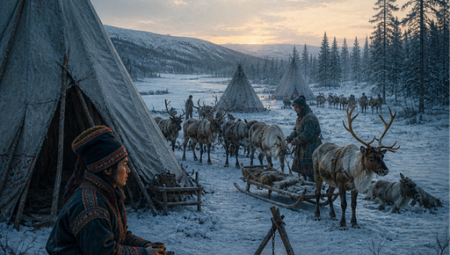
Ever heard of “reindeer herding?” It’s not merely a livelihood; it’s a lifestyle deeply connected to the cycles of nature. Sami herders track the reindeers’ migration pattern, adjusting their ways according to seasonal changes. This isn’t just smart; it’s sustainable! They teach us that when we adapt to nature’s rhythm rather than fighting against it, we not only preserve our world but also enrich our lives.
Let’s not overlook their communal approach to land. The Sami practice ‘lappish land use,’ which emphasizes shared responsibility for the natural habitat. Imagine a neighborhood where everyone pitches in to be caretakers of the land instead of just consumers. This communal mindset fosters a sense of ownership and respect that is crucial for sustainable living.

So, as we navigate our modern environmental challenges, the Sami culture shines as a beacon, guiding us towards a more balanced and mindful existence with the Earth. Isn’t it fascinating how ancient traditions can illuminate our path to a sustainable future?
Rooted in Tradition: How Sami Culture Inspires Modern Indigenous Sustainability Practices
Think about the Sami’s deep connection to reindeer herding. These majestic creatures aren’t just animals to them; they are central to their existence. Sami herders follow age-old migratory routes, understanding the rhythms of the land as intimately as they understand their own families. This sustainable practice, where every movement is calculated to minimize impact on the environment, shows us that caring for the earth isn’t just a modern trend; it’s a time-honored strategy nurtured through generations.
Moreover, Sami art and music echo their respect for nature. Have you ever experienced the hauntingly beautiful sounds of a yoik? This traditional form of song celebrates not just individual stories but the landscapes and creatures that inspire them. Such expressions serve as reminders that culture and ecology are inextricably linked, pushing us to reconsider our own cultural ties to sustainability.
From Reindeer Herding to Renewable Energy: Indigenous Sustainability Insights from the Sami People
Take reindeer herding, for instance. To many, it’s just about moving animals across beautiful snow-draped tundras. But to the Sami, it’s a symbiotic relationship with nature. They’ve mastered the art of balancing the needs of their herds with the ecosystem, ensuring that both can thrive. Think of it as a dance—each step deliberate, keeping in sync with the rhythm of the land that feeds them.
But the Sami don’t stop there. As we leap into the age of renewable energy, their collective knowledge shines like a beacon. They’ve embraced innovative technologies while staying true to their ancestral ways. By tapping into wind, solar, and biomass energy sources, the Sami are not just modernizing their lifestyle; they are setting a precedent for sustainable living that respects the environment.
Isn’t it remarkable how these indigenous practices can guide us? For instance, the Sami’s rotational grazing techniques could teach us about preserving land and promoting biodiversity. Just like a well-tuned orchestra, when every element plays its part, the result is harmony.
Their journey from herding to harnessing energy isn’t just about survival; it’s a powerful declaration that sustainability doesn’t require sacrificing culture. Instead, it reveals how traditions can bloom in modern contexts, fostering resilience and adaptability. So, when we look at the Sami people, we see more than just a community; we see a blueprint for a sustainable future.
Sami Wisdom: Harnessing Indigenous Knowledge for a Sustainable Future
The Sami, indigenous to the Arctic regions of Norway, Sweden, Finland, and Russia, have perfected the art of living in sync with their environment. They’ve been tuning into the whispers of the earth for centuries, understanding the delicate balance of ecosystems. Picture this: their reindeer herding isn’t just about the animals; it’s about nurturing the land, promoting biodiversity, and ensuring that every bit of nature flourishes. How cool is that?
Think of Sami wisdom as a GPS for sustainable living. It points us towards practices that not only respect the land but also restore it. This knowledge teaches us to view resources as a shared responsibility rather than personal property. For example, the concept of “working with nature” could transform how we farm, invest, and consume. Instead of just taking, we learn to give back.
Have you ever tasted a berry picked right off a bush? It’s not just delicious; it’s a reminder of the importance of harvesting with care. Sami practices highlight these small yet powerful choices, urging us to embrace local resources and seasonal rhythms. It’s like a gentle nudge telling us to slow down and appreciate what nature offers.
In a world racing towards progress, Sami wisdom reminds us that true advancement lies in understanding and safeguarding our unique environments. Let’s soak in the lessons from these guardians of the earth and work towards a sustainable future that benefits everyone. Isn’t it time we listened?
Cultural Resilience: Lessons in Environmental Stewardship from the Sami Community
For centuries, the Sami have thrived in the Arctic’s challenging conditions, demonstrating an incredible ability to adapt and preserve their unique heritage. Think of them as nature’s diplomats, negotiating peace between their livelihoods and the environment. They’re not just passive observers but active guardians of their surroundings. Practices like sustainable reindeer herding and traditional fishing methods are not just old habits; they’re lessons in balancing our needs with the ecosystem’s health.
The Sami’s connection with the land reminds us that we can’t take nature for granted. Each time they follow seasonal migrations, they’re practicing a form of environmental mindfulness. When they harvest food or gather materials, it’s done with a deep respect for the fragility of their environment. They teach us about the importance of knowing when to take and, just as importantly, when to give back.
Sami Sustainability: Bridging the Gap Between Tradition and Innovation Amid Climate Change

The Sami, indigenous people of the Arctic, have thrived in some of the harshest conditions on Earth. Their age-old practices of reindeer herding, fishing, and foraging have nurtured a deep respect for nature. But guess what? They’re not just stuck in the past! Sami sustainability brilliantly adapts these traditional methods to align with contemporary sustainability goals. Think of it as a skilled craftsman forging a new tool from an ancient design—still sharp, but now with a modern twist.
Now, when we talk about climate change, it’s easy to feel overwhelmed. It’s like staring at an enormous iceberg—daunting, right? But the Sami have a unique vantage point. They actively blend their ancestral knowledge with innovative technologies, such as solar energy and eco-friendly materials. It’s like mixing old-school farming techniques with cutting-edge science to cultivate a thriving future. Wouldn’t it be incredible if we could all adopt the same spirit?
Frequently Asked Questions
What Are the Key Principles of Sami Sustainability Practices?
Sami sustainability practices focus on maintaining a harmonious relationship with nature through principles like respect for biodiversity, traditional ecological knowledge, sustainable resource management, and community involvement. These practices emphasize the importance of cultural heritage and the sustainable use of land, water, and wildlife, ensuring that natural resources are preserved for future generations.
How Can Indigenous Knowledge from Sami Culture Be Applied Today?
Indigenous knowledge from Sami culture, which encompasses traditional practices, environmental stewardship, and social systems, can be applied today in various fields such as sustainability, climate adaptation, and community governance. By integrating this wisdom with modern techniques, societies can enhance biodiversity conservation, promote cultural diversity, and improve resilience against environmental changes.
How Do Sami Traditions Influence Modern Sustainability Efforts?
Sami traditions emphasize a deep connection to nature and sustainable practices that prioritize respect for the environment. Concepts like reindeer herding, fishing, and foraging are grounded in ecological balance, which informs modern sustainability efforts. By integrating these traditional methods, contemporary initiatives can enhance biodiversity, promote resilience, and foster a sustainable future that honors indigenous knowledge.
What Challenges Do The Sami Face in Preserving Their Sustainable Practices?
The Sami confront various challenges in maintaining their sustainable practices, including climate change which affects reindeer herding, loss of traditional lands due to industrial development, and the pressure of modernization on cultural heritage. Additionally, legal and political barriers can hinder their rights to manage resources effectively, complicating their efforts to sustain their unique lifestyles.
What Role Does Reindeer Herding Play in Sami Environmental Stewardship?
Reindeer herding is integral to Sami culture and identity, contributing to sustainable land management. Through traditional practices, the Sami maintain biodiversity, ensure ecological balance, and promote conservation. This age-old practice supports not only the Sami’s social and economic well-being but also protects fragile ecosystems in the Arctic, highlighting the importance of indigenous knowledge in environmental stewardship.