


You see, for the Sami, teaching and sharing stories isn’t merely about passing time. It’s a way to preserve history, customs, and philosophies in a world that’s changing faster than a reindeer can run. Picture a snow-covered night where elders gather around a fire, their warm voices wrapping around the younger ones like a cozy blanket. Through stories, they share lessons learned from the land, teaching respect for nature and reinforcing values that define their existence.
Think of it as a living Wikipedia, but instead of typed text, it’s rich with emotion and personal experiences. Each tale told holds the essence of Sami spirituality—where the spirits of nature dance and whisper in the shadows of the mountains. It’s in these stories that Sami children learn about their ancestors, their traditions, and the profound connection they share with the environment.
This oral tradition is more than just storytelling; it’s a celebration of identity. It instills pride, reminding them that they are part of something bigger—a lineage that goes back thousands of years. Just like how trees share nutrients through their roots, the Sami share wisdom through their voices. In a world leaning towards screens and silence, these narratives echo loudly, ensuring that the spirit of the Sami people continues to shine brightly, unyielding and vivacious.
Voices of the Ancestors: Celebrating the Role of Oral Tradition in Sami Culture
Oral tradition carries a weight that’s almost magical. It’s like the lifeblood of the Sami people, weaving together their history, spirituality, and everyday life. Each story, whether about the majestic reindeer or the mystical forces of nature, offers insights that teach resilience, respect, and harmony with the land. Have you ever thought about how a single story can contain wisdom that spans centuries? That’s the beauty of these oral narratives—they are like treasure chests, overflowing with knowledge that can’t be found in dusty textbooks.
Through songs, yoik (traditional Sami singing), and heartfelt narratives, the Sami celebrate their identity and preserve their unique worldview. Think of it as a vibrant tapestry where each thread contributes to a larger picture. Every voice carries not just a tale, but an echo of the past, a reminder of who they are and where they come from. Isn’t it fascinating how these stories shape not just individual identities, but a communal sense of belonging?
Moreover, in a world increasingly dominated by screens and fleeting digital content, the Sami remind us of the power of speaking and listening. They breathe life into their cultural heritage, ensuring that the voices of their ancestors resonate even in the modern age. So, next time you hear a story, remember: it’s more than just words—it’s a living connection that waves through time.
Stories That Shape Identity: The Integral Role of Oral Tradition in Sami Heritage
Oral tradition for the Sami is akin to a musical melody, each note carrying meaning and history. Think of it as a way of learning that feels like a dance rather than a lecture. Stories about reindeer herding, the Northern Lights, and the spirits of the land teach children not just facts, but values and a sense of belonging. Have you ever wondered how a story can shape who you are? For the Sami, these narratives create a bridge to their ancestors, instilling pride and resilience.
What’s fascinating is how these stories adapt, twirling like leaves in the wind while staying true to their essence. As society evolves, these tales transform, ensuring that the Sami culture remains alive and relevant. Each telling is a chance to reflect on the past while forging a path to the future. It’s like planting seeds that will grow into understanding, tolerance, and respect for the natural world.
In a world dominated by screens and quick fixes, the Sami oral tradition stands as a reminder of the power of voice and community. By sharing their stories, they don’t just keep their heritage alive; they inspire everyone to find their own stories and embrace the richness of their identities. Isn’t that a beautiful way to connect us all?
Preserving the Past: How Sami Oral Traditions Keep History Alive in Modern Times
In today’s fast-paced world where technology often overshadows tradition, the Sami people have held onto their oral storytelling like a lifeline. These stories aren’t simply for entertainment; they serve as a way to pass down crucial lessons about survival, community, and respect for nature. Think of it as a cultural GPS, guiding younger generations through the complexities of life while instilling a strong sense of identity.
So, how do these oral traditions thrive in modern times? Well, it’s all about adaptation. Sami storytellers, known as “bealli,” are now using social media and digital platforms to share their narratives. It’s like taking a classic vinyl record and turning it into a cool playlist for your Spotify—preserving the original essence while making it accessible for a new audience. This blend of old and new not only keeps the traditions active but also invites curiosity and engagement from diverse listeners.
From Storytelling to Survival: The Cultural Significance of Oral Tradition Among the Sami
When you think about it, oral tradition is kind of like a time machine, transporting listeners back to a world where every tale holds a lesson. Imagine a grandmother, her voice a soothing melody, recounting the trials of their ancestors as they navigated the harsh tundra. Each word she utters serves a dual purpose: preserving history while teaching resilience. It’s like passing down a secret map that guides the young through the challenges of everyday life.
But it’s not all serious stuff; the Sami have a knack for humor too! These stories can make you laugh, cry, or even shiver with fright. Picture the trickster tales, where clever characters outsmart their foes—these vibrant narratives spark laughter and teach cleverness skillfully blended in. In a world where modern distractions can overshadow age-old wisdom, the Sami’s dedication to their oral tradition ensures that cultural identity remains intact.
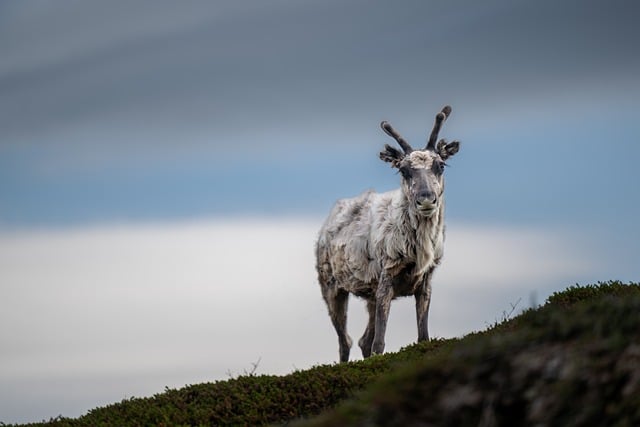
From tales of the majestic reindeer, which play a crucial role in their livelihood, to legends that honor the spirits of nature, these stories are a bridge connecting past and present. They remind the Sami that in the heart of the Arctic wilderness, their culture thrives through the words and wisdom shared around that fire, fostering connection, understanding, and survival.
Frequently Asked Questions
How is Sami Oral Tradition Passed Down Through Generations?
The oral tradition of the Sami people is passed down through storytelling, songs, and rituals, often conducted by elders. This practice serves to transmit cultural values, histories, and community knowledge, ensuring the preservation of their unique identity across generations.
What Are the Key Elements of Sami Oral Tradition?
Sami oral tradition encompasses storytelling, songs, and legends that reflect the culture, history, and beliefs of the Sami people. Key elements include the use of traditional joik singing, narratives that convey ancestral knowledge, and the importance of nature in their stories. These elements serve to preserve identity, educate younger generations, and strengthen community bonds.
What Role Do Elders Play in Sami Oral Traditions?
Elders are crucial in preserving Sami oral traditions, serving as custodians of knowledge and culture. They pass down stories, songs, and historical accounts, embodying the values and beliefs of the Sami people. Their role ensures that traditions are maintained through generations, fostering a sense of identity and continuity within the community.
How Does Oral Tradition Preserve Sami History?
Oral tradition is a key method by which Sami history and culture are passed down through generations. This practice involves storytelling, songs, and recitations that encapsulate historical events, cultural values, and community knowledge. By sharing these narratives, the Sami people maintain their identity, and ensure that their history remains alive and relevant in the modern world.
Why is Storytelling Important in Sami Culture?
Storytelling serves as a vital tool for preserving Sami culture, history, and traditions. It fosters community bonds, transmits knowledge across generations, and reinforces identity. Through narratives, the Sami express their connection to nature, convey moral lessons, and celebrate their heritage, ensuring that their unique perspectives and experiences remain alive.