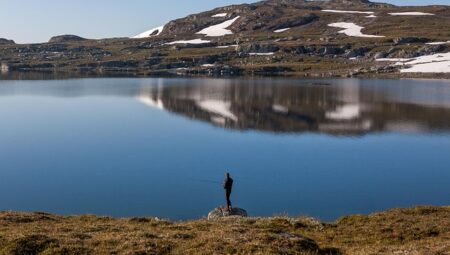
For centuries, the Sami have mastered the art of following these migration routes, guiding their herds toward greener pastures in search of food as seasons change. Imagine it as an age-old dance between the Sami and the land, a rhythm that guides them through the icy grip of winter to the vibrant blossoms of summer. It’s a symbiotic relationship where every twist and turn of the route is ingrained in the wisdom of generations.
These routes are steeped in more than just practicality—they’re a vivid tapestry of Sami culture. Each stop along the way carries stories, from ancient legends whispered by the wind to practical knowledge passed down through families. The routes lead to sacred sites, where the Sami honor their heritage and connect with their ancestors, crafting a bond that’s as deep as the snow itself.
Following the Frost: The Timeless Journey of Sami Reindeer Migration Routes

Think of the migration routes as nature’s own highway, where every twist and turn tells a story. As the frost melts, reindeer, guided by instinct and generations of wisdom, trek across vast landscapes, searching for food and fresh pastures. It’s like a giant, living tapestry; each thread woven with the experiences of countless herders who have walked these paths for centuries. You can almost hear the whispers of their ancestors in the wind, urging the herders to follow the herd—a bond so deep it transcends time.
But why does this migration matter? Picture a perfectly synchronized dance, where each step is vital. The reindeer, in their quest for sustenance, help preserve the delicate ecosystem of the region, ensuring that flora and fauna thrive together. For the Sami, reindeer aren’t just animals; they’re companions, sources of food, clothing, and stories. The migration routes are more than a survival strategy; they’re a celebration of life, a ceremonial return to the land that cradles their ancestry.
Mapping Tradition: How Modern Technology is Reviving Sami Reindeer Migration Paths
First off, think about GPS technology. It’s not just a tool for lost tourists; for the Sami, it’s become a lifeline that helps them track reindeer movements with pinpoint accuracy. These devices collect real-time data that reveals migration patterns, and this information is invaluable for managing herds effectively, ensuring the animals always have access to food and safe routes. It’s like giving a roadmap to a group of trusted friends who have always known the way, but now can see all the details clearly laid out before them.
Then there’s the role of drones. Yes, you heard that right! Drones are soaring through the skies, filming vast stretches of terrain that help Sami herders visualize their land from a bird’s-eye view. This aerial perspective allows them to identify changes in the landscape, like new rivers or roads, helping to adapt their migration routes accordingly. It’s a bit like upgrading from a flip phone to the latest smartphone; the capabilities are exponentially greater.
Moreover, community engagement has exploded with the help of mobile apps. These allow Sami herders to share real-time updates and tips on everything from weather conditions to the health of the herd. Think of it as a collective online gathering where experiences and knowledge flow freely, making everyone stronger together. As technology bridges the gap between the past and the present, it ensures that the rhythms of reindeer migration continue harmoniously into the future.
In the Footsteps of the Reindeer: Exploring the Cultural Significance of Sami Migration Routes
As you walk in the footsteps of the reindeer, you’re not just experiencing a journey through the Arctic terrains; you’re stepping into the heart of a culture that has thrived in harmony with nature. Picture it like a well-scripted play, where the Sami people perform a timeless dance, shifting with the rhythms of the land and the seasons. Each migration tells a story—a story of survival, tradition, and deep-rooted connection to the earth.
Isn’t it fascinating to think that these ancient routes have shaped not only the physical but also the cultural landscape of the Sami? As they move their herds, they carry with them stories and practices passed down through generations. It’s like an endless loop of knowledge, where every footstep taken by the reindeer echoes with a lesson—a lesson in gratitude for the land that provides.
By following these migration routes, you witness firsthand the intricate relationship between the Sami and the environment. The changing colors of the leaves, the whispering winds, and the shimmering snowflakes all play a role in guiding these migrations. It’s like nature itself is posing questions, inviting us to unravel the mysteries of coexistence.
From Snow to Heritage: The Enduring Legacy of Sami Reindeer Migration Practices
Picture this: thousands of reindeer grazing, their antlers glistening like crystal chandeliers under the sun’s rays. For the Sami, these majestic animals play a pivotal role not only in their economy but also in their identity. The migration is more than a seasonal journey; it’s a dance between man and nature, a ritual that binds them to the land and each other. Where else can you find such a vibrant display of cultural heritage, where every footstep tells a story?
The Sami have mastered the ethereal rhythm of nature, moving their herds across treacherous terrains in search of food while respecting the environment. It’s like navigating a living tapestry, stitching together ancient customs with the relentless march of modernity. This migration isn’t merely about survival; it’s a testament to resilience, showcasing a profound understanding of the ecosystem.
Frequently Asked Questions
How do climate changes affect reindeer migration?
Shifts in temperature and weather patterns due to climate changes disrupt the natural migration routes of reindeer. Altered vegetation growth and changing snow conditions can impact their access to food and breeding areas, leading to challenges in survival and population sustainability.
How is reindeer herding important to Sami culture?
Reindeer herding is a central aspect of Sami culture, providing a sustainable livelihood and serving as a key element of their identity. It fosters traditional knowledge, strengthens social ties within communities, and reinforces the connection to their ancestral lands. This practice is deeply intertwined with Sami spirituality, traditions, and way of life.
Why do Sami people migrate their reindeer?
Sami people migrate their reindeer primarily in search of grazing resources, which are influenced by seasonal changes. This migratory practice ensures that reindeer have access to nutritious vegetation throughout the year, supporting the herd’s health and the Sami way of life. Additionally, migration helps to avoid overgrazing in specific areas and adheres to traditional ecological knowledge.
What are the traditional Sami reindeer migration routes?
Traditional Sami reindeer migration routes are established paths used by the Sami people for herding reindeer throughout different seasons. These routes vary based on environmental conditions and the availability of pastures. The migrations are crucial for the reindeer’s survival, as they help avoid harsh weather and access food resources, highlighting the deep connection between the Sami culture and their land.
What challenges do Sami face in maintaining migration routes?
Sami communities encounter various challenges in preserving traditional migration routes, primarily due to climate change, which alters landscapes and affects reindeer grazing patterns. Additionally, industrial activities, land development, and legal restrictions can disrupt these routes, threatening cultural practices and livelihoods. The integration of modern infrastructure often conflicts with seasonal migrations, leading to the need for advocacy and collaboration to safeguard these vital paths.