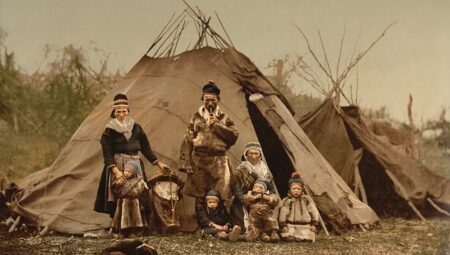
Traditional Sami knowledge is not just about survival; it’s about harmony with nature. Picture this: the Sami have been herding reindeer for thousands of years, with this majestic animal at the heart of their culture. They’ve learned to read the land, the weather, and even the reindeer’s behavior, skills finely honed over time. Where many might see just a snowy landscape, they see a living narrative, each patch of earth holding stories and secrets.
Or consider their relationship with the Arctic’s seasonal changes. Sami elders pass down teachings on when to migrate and the signs of changing weather, akin to nature’s own weather channel. It’s a dance of knowledge and intuition that connects them intimately with their environment. Isn’t that simply awe-inspiring?
Moreover, storytelling plays a crucial role in this transmission of knowledge. Picture sitting around a fire, the crackling flames illuminating faces as stories of ancestors unfold—tales infused with lessons, humor, and sometimes a touch of magic. These stories not only entertain but instill values and beliefs, ensuring that each new generation carries the weight of their heritage.

By blending experiences, stories, and a profound respect for nature, the Sami have created an enduring legacy. It’s a beautiful reminder that, in a world teeming with change, some ways of knowing are timeless, thriving in the heart of community and culture.
Preserving the Past: How Traditional Sami Knowledge Shapes Modern Practices
Picture this: centuries-old ways of reindeer herding that reflect not only survival but a profound connection to nature. Sami herders don’t just manage herds; they navigate the landscape’s secrets, understanding patterns that many of us overlook. This intimate relationship with the land is a lesson for everyone in today’s world, especially as we battle climate change and environmental degradation. By learning from the Sami approach, we can develop new strategies rooted in respect and harmony with our surroundings.
Then there’s the fascinating art of traditional crafts. Sami artisans handcraft unique products using techniques passed down through generations. Think of their vibrant textiles and intricate carvings as not just art but narratives of their identity. Today, these crafts are making a comeback, with modern designers inspired by Sami patterns and styles, marrying tradition with contemporary flair. Isn’t it incredible how deeply woven stories can inspire fresh, new creativity?
Moreover, Sami traditional ecological knowledge emphasizes sustainability. It’s like nature’s own manual, guiding us on how to coexist without depleting resources. Imagine applying these timeless practices to today’s farming and fishing techniques – the results could redefine sustainability.
Weaving Heritage: The Enduring Legacy of Sami Knowledge Through Generations
Have you ever seen a piece of traditional Sami weaving? Each pattern tells a story, a connection to ancestors who walked the same land. The techniques are intricate, but the essence is simple: it’s about community, connection, and respect for nature. When Sami artisans pick up their looms, they’re not just creating textiles; they’re reviving a legacy that has survived centuries of change and challenge.
You might wonder how this craft stays alive in a world overwhelmed by technology and fast fashion. The secret lies in the deep-rooted respect for their environment and traditions. Sami weavers use natural materials—like wool and reindeer pelts—that speak to their relationship with the land and animals around them. Just as a river carves the earth, these practices shape their cultural landscape.
Furthermore, teaching the younger generation to weave isn’t seen as a chore but rather as a joyful celebration of their history. Picture an elder sitting with a child, hands working the loom while sharing tales of the past. It’s like passing down a secret code, ensuring that their legacy weaves into tomorrow, one stitch at a time. This dedication to sustaining their art amidst modern challenges showcases the strength and resilience of the Sami people, inviting us all to appreciate the beauty of heritage in its many forms.
From Elders to Youth: The Art of Transmitting Sami Wisdom
Imagine a brisk winter evening in the heart of the Arctic, where the northern lights dance above. Elders gather the young ones, their eyes twinkling like the stars. They recount stories about the land—tales of reindeer herding, the importance of the seasons, and the respect needed to live harmoniously with nature. These aren’t just bedtime stories; they’re life lessons, crafted over generations, aimed at instilling values and guiding future decisions.

Think of it like planting seeds in a garden. Each story is a seed, nurturing the soil of young minds, allowing them to grow into wise individuals steeped in their heritage. The elders serve as gardeners, meticulously tending to these blossoms of knowledge, ensuring that they flourish. This exchange is vital; without it, the rich tapestry of Sami culture could fade, much like a painting left in the sun too long.
But it’s not just about the words. Engaging activities like traditional crafts or reindeer herding teach skills hands-on, bridging the gap between ancient methods and modern realities. It’s a dance of learning, where each step honors the past while moving toward the future.
Sami Heritage Alive: Exploring the Role of Oral Tradition in Cultural Continuity
Oral tradition serves as a living archive for the Sami, preserving their history, folklore, and values in a way that written records simply can’t. When they recount tales of the natural world or their ancestors, it’s not just about passing time; it’s a way of instilling lessons, morals, and a sense of belonging. Think of it like a family recipe—every generation adds a pinch of this and a dash of that, but the essence remains unchanged.

But why is this so crucial today? Well, in our globalized world, where cultures can easily fade away like a whisper, the Sami are holding tight. Their oral traditions act as a powerful antidote to cultural erosion. Each time a story is told, it’s a little like a seed being planted in fertile soil, ensuring that Sami ways of life, spirituality, and relationship with nature continue to flourish.
Nature’s Classroom: Traditional Sami Skills and Their Relevance in Today’s World
Picture yourself crafting a handmade sled, each stroke of your knife echoing the whispers of past generations who felt the thrill of the hunt and the chill of the Arctic winds. Sami people are masters in skills like reindeer herding, fishing, and crafting intricate clothing from natural materials. In a world increasingly dominated by technology, don’t you think there’s a unique charm in returning to these roots? It’s like digging for treasure in a digital age that often feels disconnected from the earth beneath our feet.
Let’s talk about sustainability! The Sami have lived in harmony with nature, their practices teaching us valuable lessons about respecting the environment. Imagine applying their wisdom to modern issues like climate change and resource depletion. Learning how to move with the land rather than against it can offer solutions to many challenges facing our planet today. It’s as if they hold a map, guiding us back to a balanced way of living that prioritizes our planet and community.
And what about the art of storytelling? Sami culture is rich with oral traditions that pass down knowledge. In an era where digital is king, don’t you think we could rediscover the power of these narratives? They aren’t just tales; they’re blueprints for sustainable living, resilience, and understanding our connection to the earth. Just as the Sami thrive in their environment, we too can cultivate these traditional skills to enrich our lives and reinforce our bond with the planet.
Echoes of the Past: How Sami Knowledge is Reviving Indigenous Practices
Have you ever thought about how modern life sometimes feels disconnected from the natural world? Enter the Sami, whose practices are like a master key to unlocking sustainable living. They’ve been herding reindeer and gathering wild plants for centuries, and their deep understanding of the ecosystem feels like a warm blanket on a chilly night. It’s not merely wisdom; it’s a philosophy of coexistence that many are beginning to appreciate again.
Young Sami are stepping up to the plate, eager to breathe life into these age-old practices. They recognize that in a world obsessed with technology, there’s something indispensable about traditional methods of farming and hunting. By embracing their heritage, they’re not just preserving the past—they’re planting the seeds for a sustainable future. Imagine replacing chemical-laden farming with ways that have nourished the land for centuries! It’s like turning back the clock, but with a fresh, contemporary twist.
As Sami culture gains recognition globally, more people realize how indigenous knowledge can address modern challenges. Their insights into biodiversity and resource management resonate with environmentalists seeking sustainable solutions. In a nutshell, the revival of Sami practices isn’t just a nostalgic nod; it’s a crucial conversation starter about how we can all work together for a more balanced future. So, are we ready to listen to the echoes of the past and learn from them?
Cultural Resilience: Sami Elders Share Lifelong Lessons with the Younger Generation
Imagine sitting by a warm fire, listening to an elder share tales of surviving the harshest winters, not just through physical endurance but by fostering community ties and passing down traditions. Their wisdom is like a sturdy reindeer — strong enough to weather stormy skies yet gentle enough to nurture the next generation. Sami elders emphasize the importance of maintaining a connection to the land, teaching youth that every hill and valley holds stories of their ancestors. It’s as if the earth itself is a book, and they are the accomplished storytellers.
But it’s not just about survival; it’s about thriving. Sami culture teaches adaptability, and elders encourage young people to embrace change like a river flowing around rocks. They share strategies for modern challenges, blending ancient practices with contemporary life. This fusion creates a cultural resilience that is vital in a fast-paced world where traditions can feel overshadowed.
These discussions often sprinkle in humor, too. Elders might recount mishaps in traditional fishing, laughing at moments where nature taught them lessons in humility. “Learning isn’t always a textbook affair,” they say with a twinkle in their eye, embodying a culture where every experience is an opportunity for growth. When Sami youth absorb these lessons, they don’t just carry forward the past; they build a future rooted in resilience and respect.
Frequently Asked Questions
Why is Traditional Sami Knowledge Important Today?
Traditional Sami knowledge offers valuable insights into sustainable living and environmental stewardship, rooted in centuries of experience and adaptation to Arctic ecosystems. In today’s context, it promotes biodiversity, supports climate change resilience, and enriches cultural identity, making it crucial for both ecological and social well-being.
What Are Key Elements of Sami Cultural Heritage?
Sami cultural heritage encompasses traditional practices, language, art, music, and spiritual beliefs of the Sami people. Key elements include reindeer herding, handicrafts like duodji, traditional costumes such as gákti, and unique storytelling forms. Language preservation is vital, alongside maintaining connections to nature and community.
What is Traditional Sami Knowledge?
This encompasses the cultural, ecological, and practical knowledge passed down through generations among the Sami people, indigenous to the Arctic region. It includes understanding of reindeer herding, fishing, hunting, and sustainable land management, reflecting a deep relationship with nature and the environment.
How is Sami Knowledge Passed Down Through Generations?
Sami knowledge is transmitted through oral tradition, storytelling, and practical experience within families and communities. Elders play a crucial role in teaching the younger generation about their culture, language, and traditional practices through active participation in social and cultural activities.
How Can We Support the Preservation of Sami Knowledge?
Supporting the preservation of Sami knowledge involves actively engaging with Sami communities to understand their cultural practices and traditions. This can include promoting Sami languages, supporting educational initiatives that incorporate Sami history and skills, and collaborating on projects that document and share their knowledge. Additionally, advocating for policies that protect Sami rights and lands is essential for maintaining their unique cultural heritage.