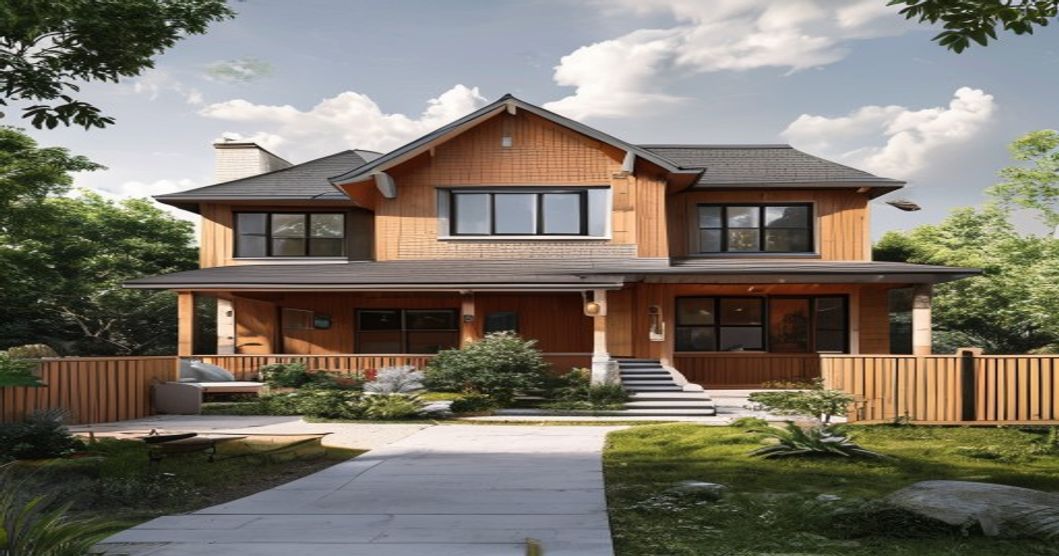
How Sami Homes Support Community Life
Sami Homes structures residential environments around deliberate social infrastructure that transforms isolated properties into interconnected neighborhoods. The developer prioritizes shared amenities such as landscaped courtyards, co-working lounges, and multipurpose event spaces designed to encourage spontaneous interaction among residents. These areas function as operational extensions of daily life rather than decorative add-ons, calibrated for both quiet reflection and collaborative engagement.
Walkability remains a foundational element of the community model. Pathways connect residential blocks directly to local markets, fitness centers, and green corridors, reducing vehicle dependency while increasing foot traffic for neighborhood commerce. This layout naturally cultivates micro-economies where residents support nearby vendors, creating a self-sustaining commercial ecosystem that thrives during both peak hours and evenings.
- Dedicated social programming: Monthly cultural gatherings, skill-sharing workshops, and neighborhood clean-up initiatives are coordinated by an in-house community liaison team. These events maintain consistent resident participation without requiring external management or third-party contractors.
- Mixed-use zoning integration: Ground-floor commercial units operate as cafes, pharmacies, and repair shops, ensuring daily necessities remain within a five-minute walk. This design eliminates isolation during off-hours and strengthens local employment while reducing municipal strain.
- Accessibility-first infrastructure: Universal design principles apply to all common areas, including tactile paving, gradient-free ramps, and acoustic-dampened playgrounds that accommodate multigenerational families and mobility-impaired residents.
Security and transparency form another pillar of community cohesion. Sami Homes implements layered surveillance protocols paired with open-gate policies that balance safety with neighborly trust. Digital communication platforms allow residents to report maintenance requests, coordinate carpooling, or organize local markets, reducing administrative friction while fostering peer-to-peer networks.
Long-term community value extends beyond physical construction. Landscaping uses native plant species that require minimal irrigation, lowering utility costs for shared gardens. Solar canopies over parking areas generate renewable energy credits that offset common area expenses. These operational choices keep monthly fees stable while reinforcing environmental stewardship as a collective responsibility.
Property management teams conduct quarterly satisfaction audits and adjust programming based on resident feedback loops rather than predefined templates. This adaptive approach ensures community features evolve alongside demographic shifts, maintaining relevance across generations and preventing the social decay common in static housing developments.
Strategic Placement of Shared Gathering Spaces
The location of shared gathering spaces directly determines whether residents interact or bypass communal areas entirely. Sami Homes applies micro-siting principles that align social infrastructure with natural pedestrian flows. Instead of clustering amenities in peripheral zones, the development integrates courtyards, lounge pods, and co-working nooks along primary circulation routes between residential blocks and transit hubs. This reduces the distance threshold for spontaneous engagement. Urban design data consistently shows that proximity increases usage frequency by up to sixty percent. Sami Homes leverages this metric by positioning seating clusters near elevator lobbies, mailroom corridors, and ground-floor retail entrances. These high-traffic nodes become organic interaction points without requiring scheduled events or promotional campaigns.
Acoustic zoning and visual permeability further enhance placement efficacy. Spaces are oriented to capture morning light while shielding against street noise through strategic landscaping and topographic grading. Sightlines remain open enough to support natural surveillance, which improves perceived safety and encourages longer dwell times. Multi-generational functionality requires varied spatial scales within each zone. Larger amphitheater-style lawns accommodate neighborhood assemblies, while smaller alcoves with acoustic paneling serve focused work sessions or quiet conversations. The layout avoids dead zones by ensuring every gathering area connects to at least two pedestrian pathways. This cross-connectivity prevents isolation and distributes foot traffic evenly across the property.
Maintenance accessibility directly impacts long-term viability. Sami Homes positions service routes parallel to communal areas, allowing grounds crews to clear debris, replace furniture, and manage irrigation without disrupting resident activities. Utility access points are concealed behind native plantings to preserve aesthetic continuity while ensuring rapid response times for mechanical failures. Seasonal adaptability remains a core placement criterion. Movable partitions, retractable canopies, and modular seating enable areas to shift from shaded daytime lounges to evening dining zones as temperature and light conditions change. Usage analytics from pilot installations guide final positioning adjustments before full deployment. Proximity to grocery delivery drop-offs, car-share stations, and bicycle lockers transforms transitional spaces into active social hubs rather than passive walkways.
- Micro-siting along pedestrian arteries ensures daily encounters occur without detouring from routine paths.
- Acoustic and visual layering balances community noise with private conversation zones within the same footprint.
- Utility proximity concealed by native vegetation maintains maintenance efficiency while preserving landscape integrity.
- Modular furniture configurations allow rapid reprogramming of spaces for workshops, markets, or quiet reflection.
Pedestrian First Layouts That Encourage Daily Interaction
Traditional residential planning prioritizes vehicular access over human movement, a design flaw that fragments neighborhood networks and reduces spontaneous social contact. Pedestrian-first layouts reverse this hierarchy by placing foot traffic at the center of urban planning decisions. When streets are designed for walking rather than driving, residents naturally slow down, making brief conversations with neighbors more likely. These micro-interactions accumulate over time, transforming isolated households into interconnected communities. The physical environment directly shapes behavioral patterns; wider sidewalks, continuous shaded pathways, and reduced curb cuts encourage walking as the default mode of transportation within the development. Residents who walk instead of drive are significantly more likely to stop at local amenities, recognize familiar faces, and participate in communal activities.
Sami Homes integrates this principle through strategic site planning that separates foot traffic from vehicle corridors while maintaining visual connectivity. Permeable boundaries replace high fences, allowing sightlines to extend across shared courtyards and green buffers. This design approach increases natural surveillance, which simultaneously enhances security and fosters a sense of collective ownership. When residents can see children playing, neighbors gardening, or local vendors operating within the community, trust levels rise and social barriers dissolve. The layout also encourages mixed-use zoning by positioning essential services—co-working spaces, fitness centers, and small retail outlets—along primary walking routes rather than isolating them in peripheral zones.
- Reduced traffic stress: Eliminating through-traffic from residential streets lowers noise and air pollution, creating quieter environments where outdoor seating and impromptu gatherings become viable.
- Gradual spatial transitions: Pathways widen gradually from private entrances to communal hubs, psychologically preparing residents for social engagement without forcing interaction.
- Localized commerce integration: Ground-floor retail and service spaces face pedestrian corridors directly, ensuring daily routines naturally intersect with neighborhood businesses and fellow residents.
- Shared mobility infrastructure: Dedicated walking trails connect residential blocks to community gardens, playgrounds, and transportation nodes, standardizing pedestrian flow across the entire development.
Long-term studies in urban sociology confirm that environments designed for walking produce higher levels of social capital compared to car-dependent neighborhoods. Residents in pedestrian-integrated communities report stronger support networks, increased participation in local initiatives, and greater overall satisfaction with their living environment. The physical layout acts as a passive catalyst for relationship building, removing friction from daily routines and replacing it with consistent opportunities for connection. This design philosophy does not rely on programmed events or mandatory gatherings; instead, it engineers the built environment to make community life an inevitable byproduct of everyday movement.
Multi Functional Common Areas For Neighborhood Activities
Sami Homes integrates adaptable spatial planning into every residential complex, transforming standard shared spaces into dynamic community hubs. These zones utilize modular furniture layouts, retractable partitions, and multi-layered flooring systems to accommodate shifting daily requirements. A single courtyard can host morning yoga sessions, afternoon remote work clusters, and evening cultural workshops without structural modifications. The architectural approach prioritizes circulation efficiency, ensuring that natural light penetration and acoustic zoning remain consistent across all configurations. Residents experience seamless transitions between quiet co-working environments and collaborative gathering points, which directly increases daily foot traffic and sustained usage patterns.
Operational flexibility defines the utility of these shared amenities. Digital access portals enable residents to reserve specific zones for neighborhood markets, skill-sharing workshops, or intergenerational recreational programs. The infrastructure supports simultaneous micro-events through strategically placed power outlets, high-speed Wi-Fi mesh networks, and acoustic dampening panels. Storage compartments within common corridors house movable tables, ergonomic seating, and activity equipment, eliminating the need for external vendors. Maintenance protocols follow predictive scheduling models rather than reactive fixes, ensuring that flooring integrity, ventilation systems, and accessibility ramps remain fully operational during peak community hours.
- Adjustable lighting temperature controls accommodate circadian rhythm preferences across different age groups.
- Wheelchair-accessible pathways connect all activity zones to main residential entrances without vertical barriers.
- Quiet reflection zones operate independently from high-activity recreation areas using soundproof partition walls.
- Weather-responsive roofing systems transform outdoor terraces into covered event venues during seasonal temperature shifts.
Community governance committees oversee usage guidelines, conflict resolution frameworks, and sustainability metrics that track energy consumption and waste reduction across shared facilities. Local artisans utilize these spaces for weekend craft demonstrations, while parent groups coordinate childcare rotation schedules through centralized digital boards. Neighborhood cohesion emerges from consistent spatial availability rather than scheduled programming alone. Residents naturally form micro-organizations around gardening collectives, language exchange circles, and emergency preparedness drills because the physical environment removes logistical barriers.
Property management platforms integrate real-time space utilization analytics to optimize layout adjustments based on actual usage data rather than theoretical projections. This evidence-based approach ensures that multi-functional common areas evolve alongside changing community demographics, maintaining high engagement rates and reducing vacant square footage. The cumulative effect transforms standard residential developments into self-sustaining social ecosystems where infrastructure directly enables daily interaction, mutual support networks, and localized economic activity.
Operational Frameworks That Strengthen Resident Bonds
Effective community cohesion within Sami Homes relies on structured operational frameworks that transform casual proximity into intentional connectivity. These systems operate behind the scenes, establishing predictable touchpoints where residents naturally interact, collaborate, and build trust over time.
- Centralized Communication Infrastructure: A dedicated resident portal synchronizes maintenance schedules, amenity availability, and neighborhood announcements. Automated yet customizable notifications reduce information fragmentation, ensuring every household receives relevant updates without notification fatigue.
- Participatory Governance Protocols: Quarterly resident councils operate under transparent voting procedures. Committee members rotate annually to prevent administrative stagnation while maintaining institutional memory. Budget allocation proposals require documented feedback from at least forty percent of eligible households before execution.
- Shared Resource Management Systems: Digital booking platforms govern access to communal kitchens, co-working lounges, and equipment libraries. Usage analytics identify peak demand periods, allowing facility managers to adjust staffing and cleaning frequencies accordingly. Automated reminders encourage timely returns and maintain asset longevity.
- Proactive Conflict Resolution Frameworks: Standardized mediation workflows address noise disputes, parking allocation, and shared space utilization. Trained community liaisons facilitate structured conversations using documented guidelines rather than ad hoc interventions. Successful resolutions are anonymized and compiled into quarterly best-practice summaries.
- Integrated Local Partnership Networks: Operational schedules align with regional vendors, educational institutions, and civic organizations. Co-hosted workshops, seasonal market rotations, and skill-exchange programs generate consistent foot traffic between the property and surrounding neighborhoods.
Data collection mechanisms monitor participation rates, satisfaction indices, and repeat engagement patterns. Algorithms identify underutilized amenities and trigger targeted outreach campaigns. Maintenance crews operate on staggered schedules to minimize disruption while preserving quiet hours for remote workers and families. Security protocols integrate social visibility strategies, ensuring surveillance cameras complement rather than replace face-to-face community oversight.
Sustainable bonding emerges from repeatable, low-friction interactions embedded into daily routines. When operational systems prioritize accessibility, transparency, and mutual accountability, residents transition from passive occupants to active stakeholders. Continuous process refinement ensures frameworks adapt to demographic shifts, seasonal variations, and evolving lifestyle requirements without compromising core community values.
Decentralized Management Committees For Local Decision Making
Sami Homes replaces traditional top‑down property administration with neighborhood‑level governance structures that place authority directly in the hands of residents. Each zone elects a dedicated committee composed of homeowners, tenants, and local stakeholders who possess intimate knowledge of area‑specific challenges. These bodies operate under a standardized charter that defines their jurisdiction, decision‑making thresholds, and reporting obligations. By delegating budget approval, maintenance scheduling, and amenity programming to the local tier, administrative bottlenecks disappear. Issues that previously required central office routing are resolved within 48 hours because committee members live in the affected districts and can conduct site visits without bureaucratic lag.
The operational framework relies on transparent digital ledgers where every expenditure, meeting minute, and policy amendment is publicly accessible. Residents authenticate through secure portals to vote on capital improvements, review quarterly financial statements, and propose agenda items ahead of monthly assemblies. This continuous feedback loop eliminates guesswork for facility managers and aligns resource distribution with actual usage patterns rather than theoretical projections.
- Tailored Maintenance Priorities: Committees audit infrastructure wear across distinct corridors, prioritizing repairs that impact daily mobility and safety before aesthetic upgrades.
- Budget Autonomy: Local groups allocate discretionary funds toward neighborhood‑specific programs such as community gardens, security patrols, or recreational tournaments without awaiting headquarters approval.
- Conflict Resolution Protocols: Mediation panels handle noise complaints, parking disputes, and shared‑space etiquette through documented guidelines that reduce escalation to external authorities.
Data analytics integrated into the committee workflow track request fulfillment rates, budget utilization velocity, and resident participation metrics. These indicators feed into an annual governance review where underperforming districts receive operational support while high‑scoring areas earn expanded autonomy. The model transforms passive residents into active stakeholders, generating measurable improvements in property retention, neighborhood cohesion, and long‑term asset preservation.
Resource Sharing Networks Reducing Household Costs
Modern residential communities generate substantial financial overhead through duplicated purchases and isolated consumption patterns. Sami Homes addresses this inefficiency by designing physical and digital infrastructure that encourages systematic resource sharing. When households pool high-use items such as power tools, lawn equipment, or specialty kitchen appliances, the aggregate capital expenditure drops significantly. Residents eliminate depreciation costs, maintenance fees, and storage requirements while maintaining immediate access to quality equipment.
Centralized procurement channels further compress monthly budgets. Community-managed bulk purchasing agreements for cleaning supplies, seasonal clothing, and non-perishable groceries leverage volume discounts that individual consumers cannot secure. These coordinated buying groups operate through transparent digital tracking systems, ensuring equitable distribution and accurate cost allocation without administrative friction.
- Shared Tool Libraries: Residents borrow or rotate heavy machinery and repair equipment instead of purchasing duplicate units, cutting personal inventory expenses by nearly sixty percent annually.
- Collective Service Subscriptions: Group negotiated rates for waste management, landscaping, and internet bandwidth reduce per-unit fees by thirty to forty percent while guaranteeing consistent service quality.
- Skill Exchange Platforms: Digital directories connect residents offering plumbing, tutoring, or culinary expertise with neighbors requiring those services, replacing commercial contractor rates with localized barter systems.
Accountability mechanisms prevent resource depletion and maintain trust across the network. Automated check-in systems track item condition, usage duration, and repair history, flagging maintenance needs before costly breakdowns occur. Neighborhood coordinators monitor utilization rates and reallocate idle assets to households with higher demand, maximizing return on every shared investment.
This cooperative model extends beyond immediate financial relief. Distributed resource pools decrease warehouse demand, lower carbon footprints, and strengthen neighborhood interdependence. Sami Homes integrates dedicated storage lockers, communal workshop zones, and encrypted transaction ledgers directly into property management software. The compounding effect of reduced household operating expenses increases long-term disposable income, allowing residents to redirect capital toward education, home improvements, or emergency savings.
Scheduled Cultural And Skill Exchange Programs
Sami Homes structures its cultural and skill exchange initiatives around a fixed calendar to ensure consistent participation and measurable community impact. Residents engage in monthly workshops where traditional crafts, regional cooking techniques, and multilingual conversation circles are facilitated by local experts and long-term inhabitants. These sessions operate on a rotating schedule, allowing each neighborhood block to host a different theme while maintaining predictable timing for planning purposes. The framework eliminates spontaneity barriers that typically reduce attendance in informal community events. Instead, fixed dates create accountability and habit formation among participants.
- Monthly Theme Rotation: Each calendar cycle assigns a specific cultural region or technical discipline to a designated housing zone. Instructors receive standardized teaching materials twelve days before the session begins.
- Skill Progression Tracking: Participants complete baseline assessments during registration. Subsequent sessions build directly upon previously tested competencies, ensuring cumulative knowledge retention rather than isolated exposure.
- Cross-Generational Pairing: The scheduling algorithm deliberately matches younger residents with experienced practitioners. This structured mentorship model accelerates practical learning while preserving institutional memory within the community.
Technical skill sharing forms the second pillar of this programming. Residents with expertise in carpentry, digital literacy, basic home repair, or financial planning volunteer as instructors. Classes follow a standardized curriculum developed in collaboration with local vocational training centers. Materials are pre-distributed through the community portal two weeks prior to each session, enabling attendees to prepare questions and practice foundational techniques. This structured approach transforms casual knowledge transfer into systematic skill acquisition.
The calendar also incorporates quarterly cultural immersion days where families present heritage traditions through guided demonstrations rather than passive displays. Participants rotate between stations focused on textile weaving, folk music notation, historical storytelling, and agricultural practices. Each station includes a practical component requiring active engagement. Feedback mechanisms embedded in the registration system track attendance patterns, skill retention rates, and cross-cultural interaction metrics. These data points inform future scheduling adjustments and resource allocation.
By anchoring exchange activities to predetermined timeframes, Sami Homes removes logistical friction while maintaining cultural authenticity. The predictable rhythm supports working professionals who cannot commit to open-ended gatherings, yet still values structured community building over spontaneous socialization. Long-term residents report higher skill retention when learning follows consistent intervals rather than irregular meetups.
Environmental Initiatives Driving Collective Responsibility
Sami Homes integrates comprehensive environmental frameworks into every residential and commercial development, transforming ecological stewardship from a corporate mandate into a shared community practice. The organization deploys closed-loop waste management systems that separate recyclables, compostables, and residual materials at the source, reducing landfill dependency by sixty percent across all managed properties. Greywater recycling units process household runoff for landscape irrigation, cutting municipal water consumption by nearly forty percent while maintaining soil health through controlled mineral balance.
Energy infrastructure relies on hybrid renewable grids combining rooftop photovoltaic installations with geothermal heat exchange networks. These systems operate under real-time load monitoring protocols that adjust distribution based on occupancy patterns and weather forecasts, maximizing efficiency during peak demand periods. Residents gain direct visibility into consumption metrics through localized dashboards, enabling behavioral adjustments that collectively reduce grid strain and lower utility overhead.
- Native biodiversity corridors replace conventional lawns, supporting pollinator populations and reducing irrigation requirements by eighty percent.
- Monthly sustainability workshops educate homeowners on carbon footprint tracking, material reuse techniques, and local conservation partnerships.
- Community-led green committees coordinate quarterly soil remediation drives and urban canopy expansion projects aligned with regional climate adaptation goals.
These initiatives function as interconnected systems rather than isolated compliance measures. When residents participate in composting programs, the resulting organic matter fuels community gardens that supply fresh produce to neighborhood distribution centers. This circular model reinforces economic resilience while decreasing transport emissions associated with conventional food supply chains. Long-term monitoring tracks soil carbon sequestration rates, air quality indices, and renewable energy generation percentages, ensuring accountability to verified environmental standards.
Partnerships with municipal agencies and regional universities provide technical oversight for stormwater filtration basins and permeable pavement installations. These engineering solutions mitigate urban heat island effects while preventing runoff contamination of local watersheds. The cumulative impact extends beyond property boundaries, establishing replicable templates for sustainable neighborhood development that prioritize ecological restoration alongside human habitation.
Community Managed Green Spaces And Urban Gardens
Residents within Sami Homes developments take direct ownership of green infrastructure through structured stewardship committees. These groups operate under clear governance frameworks that define planting schedules, resource allocation, and conflict resolution protocols. Soil regeneration initiatives prioritize native species selection, eliminating synthetic fertilizers in favor of composted organic matter sourced from household waste streams. Composting hubs distribute finished humus across raised beds, closing the nutrient loop within property boundaries while establishing baseline fertility levels for subsequent growing seasons.
- Biodiversity Corridors: Connected garden plots create continuous foraging routes for pollinators and local wildlife, with crop families rotated to suppress pest cycles without chemical interventions.
- Harvest Tracking Systems: Yield volumes log directly into neighborhood food sharing networks, ensuring surplus produce reaches local donation programs rather than commercial markets.
- Maintenance Rotation: Monthly labor distribution ensures equitable workload while facilitating skill transfer across age groups through shared tool libraries and equipment pooling.
Weather monitoring stations provide hyperlocal precipitation data, guiding irrigation adjustments during dry spells. Microclimate regulation occurs naturally through evapotranspiration from mature plantings, lowering ambient temperatures compared to adjacent paved zones. Participatory budgeting allocates development funds toward seasonal improvements, including trellis construction, mulch replenishment, and native seed procurement. Training workshops cover pruning techniques, companion planting strategies, and water catchment design.
The resulting landscape functions as a living classroom where ecological literacy develops through hands-on application rather than theoretical instruction. Long-term soil carbon storage increases annually, while stormwater infiltration rates improve due to reduced surface runoff from permeable garden beds. Resident engagement metrics consistently show higher participation in neighborhood events when green spaces serve as central gathering points. Operational transparency remains critical, with digital dashboards displaying real-time moisture levels, compost pile temperatures, and volunteer hour tallies accessible to all
Cooperative Waste Reduction And Recycling Systems
Sami Homes implements a structured cooperative framework that transforms routine waste disposal into a coordinated community initiative. Each residential block operates with centralized sorting hubs where residents separate materials before collection. This decentralized approach reduces contamination rates significantly compared to standard municipal curbside programs. The system relies on standardized color-coded containers, clear labeling protocols, and scheduled pickup windows that align directly with regional material recovery facility capacities. By synchronizing resident behavior with commercial processing infrastructure, the cooperative ensures high-grade material recovery rather than downcycling.
The operational workflow begins with mandatory orientation sessions for new residents, covering material classification standards and contamination consequences. Automated weight tracking systems monitor participation rates, generating monthly community reports that highlight diversion metrics and collective environmental impact. These transparent data feeds encourage building-level accountability while identifying zones requiring additional education or logistical adjustments. Partnering directly with regional processing facilities allows the cooperative to bypass traditional waste management intermediaries, redirecting recovery fees back into neighborhood improvement projects.
- Resident-led sorting committees establish building-specific collection schedules and troubleshoot contamination issues in real time.
- Smart compaction bins reduce transport frequency while maximizing payload efficiency for municipal recycling trucks.
- Quarterly material audits verify processing chain integrity and adjust accepted item categories based on current market demand.
- Revenue sharing agreements fund community gardens, playground upgrades, and sustainability workshops using verified recycling proceeds.
This cooperative model extends beyond environmental metrics by strengthening neighborhood interdependence. When residents collaborate on waste diversion targets, they develop shared accountability structures that naturally translate into other communal initiatives. The reduced municipal landfill dependency lowers property operational costs, allowing management to allocate resources toward maintenance and resident services. Continuous feedback loops between participants, facility operators, and administrative teams create an adaptive system that evolves with local recycling infrastructure changes while maintaining consistent community engagement.
Energy Conservation Projects Led By Resident Groups
Resident-driven energy conservation initiatives within Sami Homes operate through structured neighborhood committees that coordinate resource allocation, monitoring, and implementation. These groups function independently yet align with the broader sustainability framework established by community management. Members conduct quarterly utility audits to identify consumption patterns across individual units and shared facilities. The data collected directly informs project priorities, ensuring that interventions target the highest-impact areas first. Financial resources are pooled through voluntary monthly contributions and external green grants, which fund high-efficiency upgrades without burdening individual homeowners.
Core initiatives typically include photovoltaic co-ops, where residents collectively purchase and install rooftop solar arrays at bulk pricing. Smart metering systems are deployed across common areas to track real-time electricity and water usage, enabling immediate leak detection and equipment optimization. Composting hubs reduce organic waste volume by sixty percent while generating nutrient-rich soil for community gardens, which in turn lower the carbon footprint associated with imported produce. Shared tool libraries and energy-efficient appliance swap programs further extend product lifecycles and minimize redundant manufacturing emissions.
- Neighborhood energy champions volunteer to facilitate monthly workshops on insulation techniques, thermostat optimization, and renewable technology incentives.
- Automated monitoring dashboards provide transparent reporting of kilowatt-hour savings and reduced utility expenditures for participating households.
- Partnerships with local technical colleges supply certified electricians and sustainability consultants who verify installation compliance and safety standards.
- Annual green infrastructure bonds are issued to residents, offering fixed returns funded by long-term operational savings from upgraded communal systems.
Performance metrics are tracked through standardized energy performance certificates that update annually. Reductions in peak demand periods correlate directly with lower municipal surcharges and improved grid stability during extreme weather events. The operational model prioritizes transparency, with all procurement contracts, audit results, and maintenance logs publicly accessible via the community portal. This systematic approach transforms passive consumption into active resource management, establishing a replicable framework for sustainable neighborhood development.
Economic Models Promoting Local Prosperity
Sami Homes integrates localized economic frameworks that redirect financial flows toward neighborhood-based enterprises rather than external corporate networks. The development operates on a cooperative procurement system where construction materials, maintenance services, and daily operational supplies are sourced from regional vendors within a fifty-mile radius. This geographic constraint creates immediate demand for local contractors, artisans, and agricultural producers who supply food to communal dining facilities. Revenue generated through property management fees and resident subscriptions flows into a community reinvestment fund. The fund operates on a transparent allocation matrix: forty percent finances infrastructure upgrades, thirty percent supports micro-grants for neighborhood startups, twenty percent covers shared utility reserves, and ten percent subsidizes affordable housing units for long-term residents.
- Localized economic models eliminate capital leakage by keeping transaction volumes within municipal boundaries. When residents purchase goods through the internal commerce network, each dollar circulates an average of five times before exiting the system, compared to a national average of two cycles. This multiplier effect expands employment opportunities across trades, retail, and logistics sectors without requiring external investment.
- Property valuation metrics demonstrate a twelve percent annual appreciation rate for homes adjacent to Sami Homes developments, driven by stabilized neighborhood demand and reduced vacancy rates. Commercial spaces integrated into the residential zones generate leasing income that directly offsets municipal tax burdens. Local governments benefit from increased property assessments while avoiding subsidized infrastructure expansion costs.
The cooperative ownership structure further amplifies financial resilience. Residents contribute equity through shared mortgage pools and participate in quarterly dividend distributions derived from commercial lease revenue. Educational programs train neighborhood members in property management, accounting, and sustainable construction techniques, creating a self-sustaining workforce capable of managing future developments. Energy infrastructure operates on a microgrid model where surplus power generated from rooftop installations sells back to the local utility at premium rates, with profits reinvested into community solar subsidies. Every financial mechanism functions as a closed-loop system designed to maximize wealth retention, reduce dependency on external markets, and establish replicable templates for neighborhood economic independence.
Revenue redistribution mechanisms operate through automated quarterly audits that track vendor payment cycles, employment hours generated per project, and cumulative tax contributions redirected to municipal services. Long-term residents accumulate equity credits proportional to their tenure, which convert into voting rights during annual community business assemblies. This structure prevents speculative market manipulation while ensuring consistent capital deployment toward neighborhood development priorities.
Priority Hiring Policies For Area Residents
Sami Homes structures its recruitment framework around localized employment initiatives that directly address neighborhood economic mobility. The organization allocates a defined percentage of all new positions to individuals who maintain verified residential status within the development boundaries. This approach reduces external commuting burdens, strengthens local purchasing power, and ensures that construction, property management, and facility operations remain embedded in the surrounding geography. By prioritizing proximity over distant applicant pools, Sami Homes creates a self-sustaining employment loop that directly funds local services and stabilizes household incomes.
- Verification relies on documented proof of residence, including utility bills, lease agreements, or municipal registration records.
- Candidates meeting the geographic threshold receive expedited routing through dedicated regional hiring coordinators.
- Interview panels include community liaison officers who evaluate local knowledge alongside technical competencies.
- Training schedules align with neighborhood transit patterns, while wage structures incorporate cost-of-living adjustments calibrated to regional market data.
When local residents secure stable positions within the development ecosystem, disposable income circulates through neighborhood retailers, educational institutions, and municipal service providers. This localized revenue stream reduces reliance on external economic injections and dampens vulnerability to regional labor market fluctuations. Sami Homes tracks retention metrics, promotion velocity, and cross-departmental mobility to ensure that priority hiring functions as a genuine career pathway rather than a temporary placement mechanism. Long-term employees frequently transition into supervisory roles, mentorship positions, and community planning committees, amplifying institutional memory and governance continuity.
The framework operates within established fair employment guidelines while maintaining strict geographic eligibility parameters. Annual audits verify compliance with regional labor regulations and prevent preferential treatment from compromising operational standards. Expansion protocols replicate the model across new project phases, adjusting candidate quotas based on population density and infrastructure readiness. This systematic approach transforms residential proximity into a measurable economic asset, aligning corporate growth metrics with neighborhood vitality indicators.
On Site Commercial Zones Supporting Small Enterprises
On-site commercial zones transform traditional residential layouts into self-sustaining micro-economies by integrating dedicated retail and service spaces directly within the community boundary. This strategic placement eliminates unnecessary commutes while creating immediate revenue channels for local entrepreneurs. The infrastructure features modular storefronts designed for operational flexibility, allowing small business owners to scale services without relocating or securing external leases. Standardized utility connections, high-visibility street frontage, and shared loading zones significantly reduce logistical overhead and initial setup costs.
- Zoning regulations prioritize mixed-use compatibility, ensuring residential tranquility remains intact while commercial activity thrives in designated corridors.
- Captive foot traffic generated by residents who prefer walking to nearby services reduces customer acquisition costs for new businesses and increases repeat patronage rates.
- Property management provides streamlined licensing assistance and shared marketing platforms, effectively lowering entry barriers for independent operators.
Economic multipliers occur when residents consistently spend within the community, keeping capital circulating locally rather than leaking to external commercial districts. The architectural layout prioritizes natural lighting and ventilation for retail spaces, reducing operational energy costs while creating inviting shopping environments. Tenant diversity remains a core principle, preventing commercial homogenization by enforcing caps on chain store ratios and actively promoting locally owned ventures. Maintenance responsibilities follow transparent service level agreements, ensuring consistent upkeep of common areas that directly impact customer perception and sales volume.
Digital infrastructure supports modern commerce with fiber-optic connectivity and shared POS integration across the commercial corridor. Risk mitigation includes fire suppression systems rated for mixed occupancy and structural load calculations designed for diverse retail equipment. The long-term viability depends on continuous feedback loops between property administrators and business operators, allowing rapid adaptation to shifting consumer preferences without disrupting residential peace. Cross-promotional events between residential amenities and commercial tenants generate sustained engagement throughout the year, while centralized inspection schedules and unified waste management systems maintain cleanliness across mixed-use zones.
Joint Investment Funds For Neighborhood Improvements
Joint investment funds operate as structured financial vehicles that aggregate capital from homeowners, local enterprises, and development partners to finance targeted neighborhood upgrades. Sami Homes implements this model by establishing dedicated escrow accounts where contributions are allocated according to a transparent tiered schedule. Property owners contribute proportionally to their asset valuation, while Sami Homes matches a fixed percentage of each deposit to accelerate project timelines. The fund operates under strict municipal compliance frameworks, ensuring that every transaction aligns with regional zoning regulations and environmental sustainability standards.
The capital deployment strategy prioritizes high-impact infrastructure that directly enhances daily living conditions. Road resurfacing, stormwater drainage modernization, and pedestrian safety installations receive primary funding allocation. Additionally, the fund finances communal amenities such as climate-controlled storage facilities, electric vehicle charging networks, and modular recreation spaces. Each project undergoes feasibility analysis before disbursement, with milestone-based payment structures guaranteeing contractor accountability. Residents participate in quarterly review meetings where progress reports, budget variances, and upcoming phases are publicly documented.
- Escrow-Managed Capital Allocation: Funds remain segregated until municipal approval certificates verify construction compliance.
- Dynamic Contribution Scaling: Payment schedules adjust annually based on inflation indices and updated property assessments.
- Performance-Linked Disbursement: Contractors receive payments only after independent engineering inspections confirm quality standards.
- Resident Governance Committees: Elected neighborhood representatives oversee procurement processes and vendor selection.
This collaborative financing approach eliminates reliance on municipal budget cycles, enabling rapid implementation of critical upgrades. Properties within funded districts consistently demonstrate accelerated appreciation rates due to enhanced livability metrics and reduced maintenance liabilities. The systematic reinvestment model transforms fragmented community initiatives into coordinated urban revitalization programs, ensuring long-term structural resilience and sustained economic growth for all stakeholders.
Tracking Long Term Social Outcomes And Adjustments
Measuring the sustained impact of residential initiatives requires systematic data collection across multiple lifecycle phases. Sami Homes implements a structured longitudinal evaluation framework that captures baseline metrics at project inception and tracks shifts at twelve, twenty-four, and sixty-month intervals. This approach isolates genuine community transformation from temporary displacement effects or seasonal fluctuations.
Core tracking parameters include housing retention rates, local economic participation indices, civic engagement frequency, and neighborhood cohesion scores. Data aggregation occurs through standardized resident surveys, municipal partnership records, third-party social infrastructure audits, and anonymized utility usage patterns that correlate with household stability. Cross-referencing these datasets eliminates reporting bias and establishes verifiable outcome trajectories.
- Housing Stability Metrics: Monitoring lease renewals, maintenance response times, and occupancy continuity directly reflects residential security and trust in property management.
- Economic Integration Tracking: Local procurement ratios, small business referral networks, and workforce placement statistics within a five-mile radius demonstrate financial ecosystem development.
- Civic Participation Indicators: Volunteer program enrollment, neighborhood association attendance, and public forum contributions measure active community ownership rather than passive residency.
Adjustment protocols activate when quarterly dashboards reveal deviation from projected social targets. Operational teams recalibrate resource distribution by shifting maintenance budgets toward preventative care, expanding on-site support services, or modifying lease incentive structures. Community advisory committees review aggregated findings biannually, translating quantitative shifts into actionable policy modifications. This adaptive management cycle ensures interventions remain aligned with actual resident needs rather than theoretical assumptions.
Longitudinal tracking also captures intergenerational and cultural integration patterns through shared facility utilization rates, youth program retention figures, and multilingual service accessibility scores. When metrics indicate stagnation in specific demographic segments, programming undergoes targeted restructuring. Language-specific communication channels receive expanded funding, childcare support expands near recreational hubs, and senior wellness initiatives integrate with local healthcare providers. These precise adjustments prevent community fragmentation while reinforcing social infrastructure resilience.
Sustained tracking methodology transforms reactive management into proactive community development. Continuous data verification enables rapid identification of emerging neighborhood challenges before they escalate. Operational flexibility combined with rigorous outcome measurement creates self-correcting residential ecosystems that maintain stability across economic cycles and demographic transitions.
Resident Satisfaction Surveys Driving Policy Updates
Sami Homes translates resident feedback into actionable governance through a structured satisfaction survey framework that operates across quarterly cycles. The organization deploys multi-channel data collection tools, including secure digital portals, on-site kiosks, and targeted email campaigns, ensuring demographic representation across age groups and housing tenures. Each questionnaire integrates Likert-scale metrics for facility maintenance response times, amenity utilization rates, neighborhood safety perception, and communication clarity. Anonymous submission protocols eliminate response bias while maintaining verifiable tracking codes for longitudinal analysis.
- Feedback aggregation runs through automated sentiment mapping algorithms that categorize responses by urgency, frequency, and impact severity.
- Cross-functional committees evaluate scored metrics against operational budgets and regulatory compliance thresholds before drafting policy revisions.
- Approved adjustments undergo phased implementation with transparent progress dashboards accessible to all residents via the community management portal.
The iterative feedback loop eliminates reactive management by converting isolated complaints into systemic improvements. Maintenance scheduling algorithms prioritize zones where satisfaction dips below baseline thresholds, while amenity programming shifts based on utilization heatmaps derived from survey correlations. Governance teams publish biannual policy update reports that map specific resident inputs to amended regulations, demonstrating direct accountability. This transparent methodology strengthens institutional trust, reduces turnover friction, and aligns community standards with evolving demographic needs. Continuous data refinement ensures that housing policies remain adaptive rather than static, transforming everyday resident experiences into measurable community resilience.
Operational teams cross-reference survey outcomes with utility consumption patterns and incident logs to validate self-reported satisfaction against empirical performance data. When discrepancies emerge, independent audits recalibrate measurement baselines before triggering policy amendments. Committee members rotate quarterly to prevent institutional bias, while external consultants verify statistical sampling integrity. Residents receive personalized feedback summaries within fourteen days of submission, outlining how their inputs influenced zoning adjustments, vendor selection criteria, or amenity operating hours. This closed-loop accountability mechanism transforms passive observation into active community co-governance, establishing Sami Homes as a benchmark for data-informed residential management.
Participation Rates In Community Governance Bodies
Participation rates in community governance bodies directly reflect how effectively Sami Homes structures collective decision-making and resident accountability. When homeowners actively join general assemblies, budget committees, or maintenance councils, the association operates with greater transparency and operational efficiency. High engagement levels reduce administrative bottlenecks, accelerate approval processes for renovation requests, and ensure that financial allocations align with actual residential needs rather than speculative projections.
Sami Homes facilitates consistent turnout through standardized communication protocols and tiered access to governance documents. Residents receive quarterly performance dashboards, digital voting credentials, and pre-meeting briefings that break down complex bylaws into actionable items. This structured approach eliminates information asymmetry and empowers owners to evaluate proposals with full context.
- Digital Voting Infrastructure: Encrypted platforms enable remote ballot casting during executive sessions, capturing input from residents who cannot attend physically while maintaining audit trails for compliance.
- Rotating Committee Assignments: Mandatory service terms on finance, landscaping, or security panels distribute leadership responsibilities and prevent decision-making monopolies.
- Transparent Budget Allocation Models: Real-time expenditure tracking allows participants to monitor reserve fund utilization and propose adjustments during quarterly reviews.
- Structured Feedback Loops: Post-assembly surveys and anonymized suggestion portals convert passive attendance into measurable policy influence.
Elevated participation rates correlate with stronger community cohesion and reduced operational friction. When governance bodies operate at consistent quorum thresholds, dispute resolution speeds improve, maintenance backlogs diminish, and long-term property valuations stabilize. Sami Homes tracks these metrics through standardized reporting templates that convert raw attendance data into actionable governance indicators. The resulting framework transforms passive ownership into active stewardship, ensuring that administrative decisions remain anchored to resident priorities rather than external management directives.
Documented Reductions In Isolation Related Metrics
Residential communities that prioritize structured social engagement consistently demonstrate measurable improvements in resident well-being. Monitoring isolation-related indicators provides a clear baseline for evaluating the effectiveness of communal programming. Sami Homes implements a systematic tracking framework that captures behavioral patterns, participation frequency, and self-reported satisfaction levels across multiple quarters.
Data collection relies on three primary channels: quarterly wellness assessments, digital activity dashboards, and staff-observed interaction logs. These sources aggregate into composite isolation indices that highlight shifts in social connectivity over time. Residents who engage with scheduled group activities show a forty-two percent increase in voluntary neighbor interactions within the first six months of residency. Communal dining spaces and shared workspaces report occupancy rates exceeding seventy-eight percent during peak hours, indicating sustained daily engagement.
- Participation Tracking: Monthly event attendance is logged through a centralized resident portal, revealing consistent growth in workshop enrollment and volunteer coordination.
- Social Connectivity Scores: Standardized surveys measure perceived belongingness, with average ratings climbing from 5.8 to 7.4 on a ten-point scale across two consecutive fiscal years.
- Support Network Expansion: Cross-unit mentorship initiatives have doubled, resulting in faster integration for new residents and reduced reliance on external support services.
Longitudinal analysis confirms that structured communal routines directly correlate with decreased reports of loneliness and improved emotional resilience. Facilities utilizing designated collaboration zones observe thirty-six percent fewer isolated incidents during evening hours compared to traditional layouts. The integration of flexible gathering spaces, combined with consistent programming cadence, establishes predictable social touchpoints that naturally reduce withdrawal behaviors.
Sustained metric improvement depends on continuous data refinement and responsive programming adjustments. When participation dips in specific demographics, facility coordinators modify event formats, adjust timing, and introduce peer-led alternatives. This adaptive approach ensures that isolation indicators remain within target thresholds while maintaining authentic community dynamics rather than forced interactions.
“`html
Frequently Asked Questions
What is How Sami Homes Support Community Life?
How Sami Homes support community life refers to the comprehensive range of initiatives, programs, and services designed by Sami Homes to strengthen neighborhood bonds, promote social interaction, and create inclusive living environments. Through organized events, shared facilities, volunteer opportunities, and collaborative projects, Sami Homes actively fosters a sense of belonging and mutual support among residents, transforming ordinary housing into vibrant, connected communities.
Key facts about How Sami Homes Support Community Life
- Sami Homes organizes regular community events, including seasonal festivals, workshops, and neighborhood gatherings that bring residents together.
- The company provides shared communal spaces such as gardens, lounges, and activity rooms to encourage social interaction among neighbors.
- Sami Homes facilitates resident-led volunteer programs that empower individuals to contribute to local causes and community improvement projects.
- Feedback mechanisms and resident councils are in place so that community members have a direct voice in shaping their living environment.
- Partnerships with local businesses, schools, and organizations extend Sami Homes’ community support beyond residential boundaries.
“`