For starters, did you know that the Sami are one of the few Indigenous peoples in Europe? They primarily inhabit areas in Norway, Sweden, Finland, and Russia, and they have their own language, which boasts several dialects. Think of it as a colorful tapestry woven from the threads of their history and environment. In fact, the Sami language has words that reflect their intimate connection with nature, allowing them to describe their surroundings in ways that most of us can only dream of.
Then there’s the traditional clothing called “gákti.” Each gákti is unique, often adorned with beautiful patterns and rich colors that tell stories about the wearer’s family and region. It’s like wearing a living history book! When you see someone in a gákti, you are not just looking at clothing; you’re witnessing centuries of artistry and heritage wrapped up in colorful fabric.
And here’s something cool: reindeer are at the heart of Sami culture. You might think of them as Santa’s helpers, but for the Sami, they symbolize much more. These majestic animals provide food, clothing, and transportation, making them essential to their way of life. Imagine herding reindeer across vast, icy landscapes—it’s a way of living that’s tightly intertwined with nature’s rhythm.
Discover the Enchanting World of Sami Culture: 10 Fun Facts You Didn’t Know!
Did you know the Sami are one of Europe’s oldest indigenous communities? They have inhabited the northern regions of Norway, Sweden, Finland, and Russia for thousands of years, long before maps had boundaries. Imagine living harmoniously with nature, following reindeer herds across stunning tundra—what a breathtaking lifestyle, right?
Now, speaking of reindeer, here’s a fun twist: these magnificent creatures play a vital role in Sami culture! Not only are they a primary source of food, but reindeer also provide clothing, tools, and transportation. It’s like they have their own built-in multi-tool, effortlessly combining utility with tradition.
Ever heard of the ‘joik’? It’s not just a song; it’s a heartfelt expression that tells stories of people, places, and emotions. The Sami use this ancient form of vocalization to connect deeply with their roots. It’s like musical storytelling that transcends language—how cool is that?
And let’s not forget the colorful clothing! Sami traditional outfits, known as ‘gákti,’ are not just beautiful; each design carries significant meanings tied to family and community. Wearing one is like wearing a story spun from generations.
Then there’s the unique relationship with nature. Sami people practice sustainable living, cultivating a deep respect for the land and its resources. It’s as if they’ve unlocked the secret to balancing modern life with nature’s rhythm.
Intrigued yet? Sami culture is a vibrant blend of tradition, spirituality, and love for the land, waiting to marinate your imagination with its rich flavors!
From Reindeer to Traditional Music: Unveiling the Fascinating Customs of the Sami People
When we talk about the Sami, it’s impossible not to mention their profound connection to reindeer herding. Picture this: a vast, snow-covered landscape with a herd of reindeer gracefully gliding across the frozen terrain. For the Sami, these animals are not just livestock; they’re lifelines, providing food, clothing, and even tools. It’s as if each reindeer carries a piece of Sami history within its antlers.
But wait, there’s more! The Sami are also known for their soul-stirring music, particularly the traditional “joik.” Think of joik as a melodic hug for the spirit, a way for the Sami to express emotions and tell stories. It’s like painting with sound, where each note resonates with the heart and tells tales of the past. Can you hear it? This ancient form of song doesn’t just entertain; it connects people to the landscapes they love and the ancestors they cherish.
Their vibrant attire, the colorful gákti, is another testament to their rich culture. Each stitch tells a story, reflecting the wearer’s family and heritage. Wearing a gákti is like donning a living piece of art, brimming with history and identity.
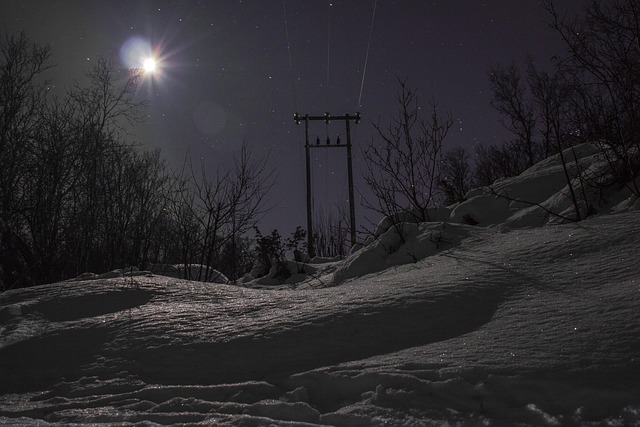
So, next time you think of the Sami people, imagine a world where the echoes of reindeer bells mingle with haunting melodies, creating a powerful celebration of life and tradition.
10 Surprising Facts That Illuminate the Rich Heritage of Sami Traditions
First off, did you know that the Sami language isn’t just one? It’s a tapestry of several languages, sprinkled across the northern regions of Norway, Sweden, Finland, and Russia. Each variant has its own quirks, much like different dialects in English! Imagine having your own lingo that connects you with your roots as you speak.
Next, let’s talk about their clothing! Sami traditional outfits, known as “gákti,” aren’t just about looking good—each color, pattern, and design tells a story about who you are and where you come from. It’s like wearing a family tree wrapped around your body. Cool, right?
Wow, here’s a fun one: the Sami have a special relationship with reindeer that goes beyond mere herding. These incredible animals are integral to their culture, providing everything from food to clothing. It’s a bit like how we might rely on our pets for companionship. Can you imagine a winter without a cozy fur coat made from reindeer skin?
Now, consider their joyful music, known as “joik.” This unique form of singing isn’t just music; it’s more like a deep connection to their environment and loved ones. When they sing a joik, it’s as if they’re painting a picture with their voices. How does music make you feel when you hear it?
Beyond the Northern Lights: Fun Insights into Sami Culture and Lifestyle
Imagine living in harmony with the rhythm of the seasons. The Sami have a deep-rooted connection to the land, practicing reindeer herding as a way of life for centuries. These majestic creatures aren’t just animals to them; they’re a vital part of their identity. Ever seen a group of reindeer traipsing through the snow? It’s a stunning sight that embodies the Sami’s relationship with nature.
Let’s talk about food! Sami cuisine is a delectable adventure waiting to be experienced. Picture yourself savoring smoked reindeer and delicacies made with fresh fish – sounds mouth-watering, right? Traditional cooking methods, like smoking and drying, preserve the flavors beautifully, offering a taste of their heritage.
And if you think fashion is one-dimensional, wait till you see the Sami traditional dress, the gákti. It’s a vibrant explosion of colors and patterns, each telling a story of its own. Wearing gákti during festivals isn’t just about looking good; it’s a way to celebrate their cultural roots and history.
Ready for some storytelling? Sami folklore is a treasure trove of captivating tales about nature and spirits. These stories not only entertain but also embody life lessons, passing down wisdom through generations. It’s like storytelling with a sprinkle of magic, connecting the past with the present.
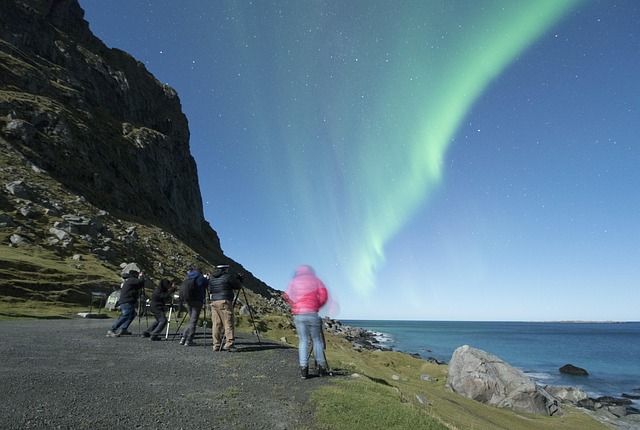
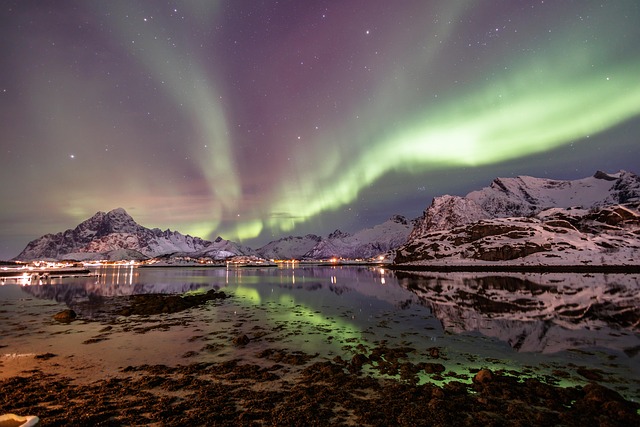
So, while the Northern Lights are a sight to behold, the Sami culture offers an equally fascinating journey into a world where nature and tradition dance hand in hand. Isn’t it time we peeked beyond the lights?
Frequently Asked Questions
What Are the Key Features of Sami Culture?
Sami culture is characterized by a strong connection to nature, traditional practices such as reindeer herding, vibrant handicrafts, and distinctive languages. The culture emphasizes community, oral storytelling, and unique music forms like joik. Celebrations and festivals reflect their rich heritage, showcasing deep spiritual beliefs and respect for the environment.
What Role Does Nature Play in Sami Lifestyle?
The Sami people have a deep connection with nature, which is integral to their lifestyle and culture. They rely on the land, reindeer herding, fishing, and gathering for sustenance, and their livelihoods are closely tied to seasonal changes and the natural environment. This relationship influences their traditions, social structures, and spiritual beliefs, emphasizing respect and harmony with nature.
How Do Sami People Celebrate Their Traditions?
Sami people celebrate their traditions through vibrant festivals, traditional music, and art. Key to their culture are reindeer herding, handicrafts, and storytelling, showcasing their connection to nature and history. Celebrations often include community gatherings, traditional clothing, and cultural performances, reinforcing their identity and heritage.
What Are Some Important Sami Festivals and Events?
Sami festivals and events celebrate the rich culture and traditions of the Sami people, primarily in northern Scandinavia. Key events include the Sámi National Day on February 6, honoring Sami heritage and unity; the Riddu Riddu Festival, showcasing Sami art, music, and politics; and the Annual Sámi Market in Øksfjord, which focuses on traditional crafts and cuisine. These events foster community, preserve cultural practices, and promote awareness of Sami rights and identity.
What Unique Crafts and Art Forms Are Associated with Sami Culture?
Sami culture is renowned for its unique crafts and art forms, deeply rooted in their history and environment. This includes traditional reindeer skin handicrafts, intricately crafted textiles, and vibrant duodji, which features functional and decorative items made from natural materials. Sami art is characterized by its bold colors and patterns, often inspired by nature and mythology, reflecting the community’s strong connection to the land and their heritage.