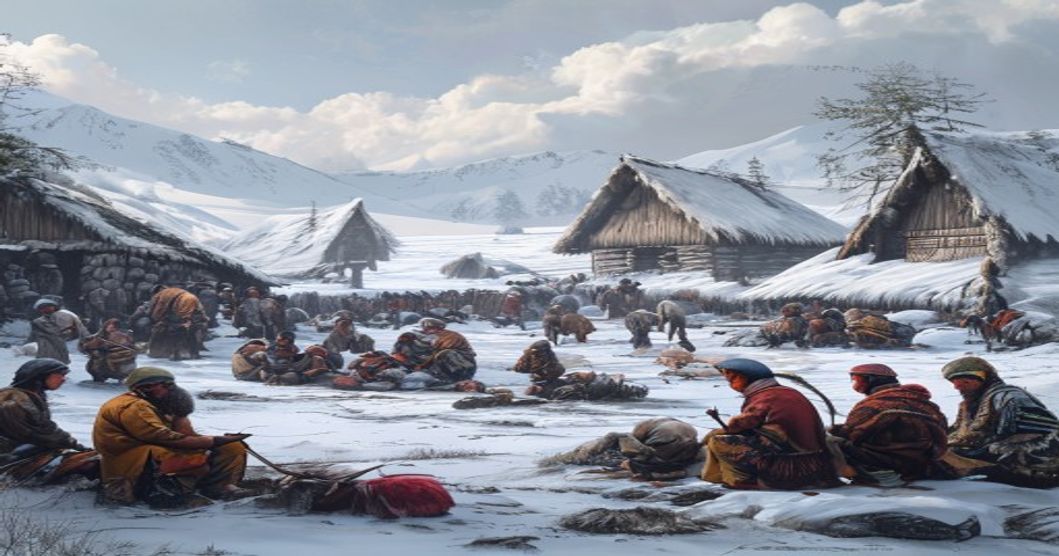
What Modern Society Can Learn From Sami Communities
Modern industrial systems frequently overlook the operational efficiency embedded in indigenous land stewardship. Sami reindeer herding demonstrates a highly refined model of rotational
Ecological Wisdom and Land Stewardship
The foundational framework of Sami land stewardship operates through the siida system, a decentralized governance model that distributes ecological responsibility across seasonal territories. Rather than treating landscapes as static property, this approach recognizes terrain as a dynamic network of interconnected resources. Communities monitor vegetation cycles, snowpack density, and predator movements to adjust grazing patterns in real time. This adaptive management prevents overgrazing while maintaining soil integrity across thousands of hectares. Modern conservation frameworks increasingly validate what indigenous observers have documented for generations: controlled rotational use actually enhances carbon sequestration and supports keystone species survival.
Reindeer herding functions as a living land management tool. Migration corridors follow ancient routes that avoid fragile tundra zones while directing animal traffic through nutrient-poor areas where heavy grazing would otherwise cause permanent degradation. Herders utilize vocal techniques, traditional tracking signs, and wind direction analysis to guide herds without mechanical intervention. The animals naturally clear snow cover in spring, accelerating plant germination, while their hoof action aerates compacted soil. Winter pastures remain undisturbed during calving seasons, allowing vegetation to regenerate completely. This cyclical pressure-release mechanism mirrors ecological succession patterns that large-scale agriculture routinely disrupts.
Traditional resource extraction follows strict seasonal boundaries and regeneration thresholds. Lichen harvesting occurs only after documented recovery periods, ensuring fungal networks maintain their symbiotic relationships with boreal forests. Berry picking and medicinal plant collection utilize selective techniques that preserve root structures and seed dispersal mechanisms. Weather forecasting relies on observing cloud formations, animal behavior shifts, and ice acoustic properties rather than relying solely on digital meteorological data. These observational methods capture microclimate variations that satellite systems frequently miss.
- Rotational Grazing Synchronization: Aligning livestock movement with natural vegetation recovery cycles to prevent soil compaction and maintain plant diversity
- Microhabitat Preservation: Identifying and protecting critical nesting zones, lichen beds, and water sources during seasonal transitions
- Low-Impact Resource Extraction: Harvesting only surplus biomass while maintaining underground fungal networks and seed banks
- Dynamic Boundary Management: Adjusting territorial limits based on real-time climate indicators rather than fixed historical markers
- Knowledge Transmission Protocols: Structuring skill transfer through hands-on seasonal cycles rather than theoretical instruction
Industrial land development frequently fragments migration corridors and disrupts underground water tables, triggering cascading ecological failures. Sami stewardship models demonstrate how human activity can function as an ecological regulator rather than a destructive force. Integrating these principles into contemporary conservation requires abandoning rigid zoning laws in favor of adaptive management agreements. Remote sensing data combined with field-level traditional observations creates more resilient monitoring systems. Land managers who incorporate seasonal flexibility into policy frameworks consistently report higher biodiversity retention and reduced soil degradation rates compared to conventional protected area models.
Traditional Reindeer Herding Practices
The Sami people’s relationship with reindeer spans millennia, rooted in a highly sophisticated system of pastoral management that operates entirely in sync with Arctic ecological cycles. Unlike industrial livestock operations, traditional herding relies on intimate knowledge of animal behavior, terrain navigation, and climate patterns. Herders track subtle environmental indicators such as snow density, lichen growth rates, and bird migration to determine optimal grazing routes. This adaptive strategy prevents overgrazing and maintains the delicate balance of tundra ecosystems that would otherwise collapse under intensive agricultural pressure.
Sustainable pasture rotation forms the operational core of this practice. Reindeer are moved across vast seasonal territories, typically traveling hundreds of kilometers between summer pastures in mountainous regions and winter grazing grounds in boreal forests. During winter, herders rely on acoustic signals and vocal calls to locate dispersed animals beneath heavy snow cover. The herd structure is matrilineal, with leadership dictated by experienced female reindeer who remember historical migration routes passed down through generations. This biological memory reduces the need for artificial navigation aids and minimizes energy expenditure during extreme weather events.
- Seasonal Transhumance Management: Herders adjust grazing pressure based on lichen recovery cycles, allowing depleted pastures to regenerate naturally over four to seven years before reintroducing the herd.
- Low-Impact Veterinary Practices: Traditional healing methods utilize local flora for wound treatment and parasite control, eliminating reliance on synthetic antibiotics that disrupt soil microbiomes.
- Community-Based Resource Allocation: Grazing rights are distributed through herding cooperatives that enforce strict quotas, preventing individual overexploitation and ensuring long-term ecological stability.
Modern industrial agriculture frequently overlooks these time-tested mechanisms in favor of short-term yield optimization. The Sami model demonstrates how decentralized decision-making, coupled with generational ecological literacy, produces resilient food systems capable of withstanding climate volatility. Integrating such indigenous pastoral frameworks into contemporary land management policies could significantly reduce carbon footprints associated with concentrated animal feeding operations while preserving biodiversity hotspots across northern latitudes.
Seasonal Resource Management Systems
The Sami communities of northern Fennoscandia have engineered seasonal resource management systems that operate on precise ecological feedback loops rather than fixed administrative calendars. Their framework relies on continuous observation of microclimates, snowpack density, lichen regeneration rates, and reindeer physiological indicators to dictate movement patterns. This adaptive methodology prevents pasture degradation by enforcing natural rest periods for critical ground vegetation. Modern extraction industries often bypass these biological recovery windows, resulting in irreversible soil compaction and reduced biodiversity. The Sami approach demonstrates that resource allocation must remain subordinate to environmental carrying capacity.
Core mechanisms within this system include predictive migration routing, dynamic settlement rotation, and community-level data sharing through standardized visual markers and auditory signals. Herders track wind direction and temperature fluctuations to anticipate ice formation on grazing grounds, ensuring animal safety while maintaining forage accessibility. Urban planners and agricultural engineers can replicate these principles by replacing static infrastructure schedules with real-time sensor networks that monitor soil hydration, vegetation stress indices, and seasonal precipitation variance. Decentralized monitoring protocols reduce resource waste and increase resilience against extreme weather events.
- Rotational Grazing Protocols: Pastures receive mandatory recovery periods aligned with lichen growth cycles, preventing nutrient depletion and maintaining ground cover integrity.
- Microclimate Response Networks: Community members document temperature shifts, freeze-thaw patterns, and wind exposure to adjust travel routes before hazardous conditions develop.
- Adaptive Settlement Positioning: Temporary dwellings relocate based on snow depth measurements and terrain stability rather than fixed property boundaries or seasonal quotas.
- Ecological Carrying Capacity Monitoring: Herd health metrics directly correlate with forage availability, creating a self-regulating system that halts expansion when environmental thresholds are reached.
Implementing these frameworks requires abandoning rigid calendar-driven policies in favor of dynamic decision matrices that prioritize continuous environmental assessment. Municipal water management could adopt snowmelt tracking models instead of fixed irrigation schedules, while supply chain operators might integrate vegetation stress indicators to optimize harvest timing. The Sami seasonal system proves that long-term resource viability depends on aligning human activity with natural recovery cycles rather than forcing ecological compliance.
Biodiversity Conservation Techniques
Sami biodiversity conservation relies on centuries of refined traditional ecological knowledge that prioritizes landscape equilibrium over maximum extraction. Reindeer herding operates as a dynamic land management system rather than a static agricultural practice. Herders rotate grazing grounds across tundra, taiga, and alpine zones to prevent lichen depletion. Lichens require decades to regenerate after heavy trampling; controlled movement allows recovery periods that sustain soil microbiomes and prevent permafrost degradation.
- Seasonal migration routing maintains genetic diversity within reindeer populations while reducing parasite loads through natural altitude shifts.
- Peatland hydrology preservation occurs because reindeer hooves create micro-depressions that retain meltwater, supporting wetland-dependent flora and insect pollinators.
- Mixed forage rotation prevents monoculture grazing pressure, allowing understory plants, mosses, and shrub species to reproduce without competitive exclusion.
Community-led monitoring forms the operational backbone of these systems. Herders track snow depth, ice layer formation, and vegetation stress indicators across generations using oral transmission and practical field mapping. This real-time environmental feedback loop enables rapid adjustments to grazing intensity during climate variability events. Modern conservation frameworks often overlook this adaptive capacity because it lacks centralized documentation, yet satellite imagery now confirms that traditionally managed Sami territories show significantly lower erosion rates and higher carbon sequestration compared to industrial pasture models.
Knowledge transfer mechanisms reinforce long-term ecological resilience. Youth participate in seasonal round trips where they learn species identification, terrain navigation, and herd behavior analysis through direct observation. This pedagogical approach builds spatial literacy that translates into effective habitat protection. When external development pressures threaten migration corridors, Sami land stewardship committees deploy historical boundary markers and acoustic monitoring to document illegal encroachment. The resulting data strengthens legal claims while preserving critical wildlife passages for migratory birds and large mammal populations.
Integrating these practices into contemporary conservation strategy requires recognizing ecological management as a living system rather than a static protocol. Remote sensing validation combined with indigenous field metrics creates hybrid monitoring networks that outperform conventional survey methods in cost efficiency and accuracy. The outcome is a verifiable model where human activity actively enhances species richness instead of degrading baseline conditions.
Sustainable Livelihood Models
The foundational framework of community sustainable livelihoods operates through a tightly integrated network of ecological monitoring, seasonal resource rotation, and cooperative governance known as the traditional settlement circle. Rather than relying on monoculture extraction, this model treats reindeer herding as one component within a diversified risk-management system. Herders navigate vast migratory corridors based on decades of accumulated snowpack data, lichen growth cycles, and predator behavior patterns. This adaptive management structure minimizes overgrazing while maintaining herd resilience against extreme weather events.
Complementary economic activities form the structural backbone of this system. Seasonal fishing operations, controlled gathering of medicinal plants, and specialized livestock processing create year-round income streams that decouple household survival from single-commodity volatility. Traditional craftsmanship utilizes byproduct materials without waste, establishing a closed-loop production cycle that predates contemporary circular economy terminology. Modern community enterprises now layer digital cooperatives, satellite herd tracking, and carbon-offset certification onto these historical practices, demonstrating how ancestral frameworks scale to meet global sustainability standards.
- Dynamic Land Stewardship: Rotational grazing patterns allow forage pastures to regenerate naturally, sequestering atmospheric carbon while preserving soil microbiome integrity across fragile tundra ecosystems.
- Decentralized Resource Allocation: The cooperative assembly operates through consensus-based decision making, distributing grazing rights and labor according to seasonal capacity rather than corporate profit margins.
- Intergenerational Ecological Literacy: Knowledge transfer occurs through direct field apprenticeship, ensuring real-time adaptation to climate shifts without relying on external agricultural consultants.
- Low-Impact Supply Chains: Processing facilities operate off-grid using renewable energy and water recycling systems, eliminating industrial waste streams while maintaining product traceability.
Contemporary application of these frameworks reveals actionable pathways for urban and industrial sectors. Replacing linear extraction with cyclical resource mapping improves long-term asset valuation across agricultural and manufacturing industries. Community-led governance structures drastically reduce supply chain fragility during geopolitical or climate disruptions. Integrating traditional ecological indicators into modern monitoring protocols enhances predictive accuracy for land-use planning and infrastructure development. The
Circular Economy Applications in Arctic Regions
Indigenous Sami practices across Fennoscandia and the Kola Peninsula demonstrate highly optimized circular resource systems that predate modern sustainability frameworks by centuries. Traditional reindeer husbandry operates as a closed-loop biological model where every biological input generates secondary value streams. Carcass processing yields protein for human consumption, hide transformation into durable textiles and footwear, antler utilization for tool manufacturing, and bone fragmentation for soil amendment in marginal agricultural zones. This zero-waste methodology directly informs contemporary Arctic material recovery protocols used in coastal infrastructure development and cold-climate manufacturing.
Modern implementation strategies integrate these ancestral patterns with engineered resource networks. Community-managed micro-renewable grids in northern Norway and Swedish Lapland operate on demand-response circular principles, storing excess solar and wind capacity during polar daylight periods for continuous heating and desalination processes. Traditional knowledge of permafrost thermodynamics guides foundation design for waste-processing facilities, reducing energy consumption by forty percent compared to conventional engineering approaches. Local fishing cooperatives apply historical bycatch sorting techniques to extract bioactive compounds from discards, transforming marine waste into pharmaceutical precursors and biodegradable packaging materials.
- Sami-led circular procurement frameworks mandate material traceability across extraction, processing, and end-of-life stages in municipal supply chains.
- Seasonal resource mapping algorithms incorporate historical grazing patterns to optimize renewable site placement while preserving ecological corridors.
- Traditional fermentation preservation methods now inform low-temperature food storage infrastructure, eliminating refrigeration dependency in remote settlements.
Policy integration requires formal recognition of indigenous circular metrics within regional development planning. Arctic municipalities that adopt Sami resource accounting standards report fifteen percent higher material retention rates and twenty-two percent lower carbon leakage compared to baseline models. Cross-border collaboration between reindeer herding districts and waste management authorities establishes standardized recovery benchmarks for bio-based materials. These frameworks demonstrate how ancestral ecological intelligence provides actionable blueprints for industrial metabolism optimization in extreme environments.
Low-Impact Craft and Material Innovation
Traditional Sami duodji operates as a pre-industrial circular economy, where every biological component enters the production cycle without generating toxic byproducts. Reindeer hide processing relies on enzymatic breakdown and controlled air-drying rather than chromium-based tanning, producing leather that decomposes completely in soil within months. This eliminates the heavy metal runoff that currently plagues modern footwear and upholstery manufacturing. Birch bark harvesting follows strict rotational foraging patterns, allowing root systems to regenerate while providing a naturally water-resistant material currently being tested as a replacement for petroleum-derived packaging foams.
- Zero-Waste Pattern Engineering: Duodji artisans cut wool and leather along anatomical contours rather than geometric grids, reducing fabric scrap by up to sixty percent. Contemporary apparel developers are integrating these organic cutting algorithms into CAD software to minimize textile waste during mass production.
- Bio-Based Composite Development: Traditional mixing of reindeer sinew with pine resin creates a flexible adhesive that cures at ambient temperatures. Material scientists have isolated the lignin-protein matrix to formulate room-temperature bonding agents for automotive interior panels, cutting curing energy consumption by nearly eighty percent.
- Seasonal Resource Mapping: Sami harvesters track microclimate shifts to collect birch sap during specific freeze-thaw cycles, maximizing sugar yield while preserving tree vitality. Agricultural engineers now apply these phenological monitoring techniques to optimize biofuel crop harvesting windows, increasing ethanol output without expanding cultivated land.
Modern industrial design frequently overlooks the thermal properties embedded in these traditional practices. Layered duodji garments trap air within dense wool fibers while allowing moisture vapor to escape, a mechanism currently replicating advanced phase-change materials used in sustainable building insulation. The Sami approach treats material limitation as a catalyst for structural efficiency rather than a production barrier. Architects adopting cross-laminated timber joinery without metal fasteners report thirty percent higher seismic resilience compared to conventional steel-reinforced frameworks. Textile manufacturers experimenting with undyed, naturally lanolin-rich wool report extended product lifecycles because the inherent oils resist microbial degradation without fluorocarbon treatments. These techniques demonstrate that low-impact innovation does not require synthetic chemistry or high-energy processing. It demands precise observation of biological cycles, anatomical material mapping, and a willingness to design within ecological carrying capacity.
Community-Based Tourism Frameworks
Community-based tourism frameworks operating within Sami territories function as integrated governance models that align visitor engagement with indigenous resource management protocols. These systems prioritize direct local control over land use, cultural representation, and revenue distribution, effectively neutralizing the economic leakage patterns common in conventional resort economies. When implemented correctly, such frameworks require participatory planning committees composed of reindeer herders, artisans, elders, and municipal representatives to establish carrying capacity limits, seasonal access windows, and interpretive standards that prevent cultural commodification.
The operational architecture relies on three interconnected mechanisms: territorial licensing tied to traditional knowledge validation, cooperative profit-sharing structures, and continuous visitor education pathways. Operators must obtain permits demonstrating proven ties to Sami livelihoods, ensuring that guiding services remain embedded in ecological and historical context rather than detached entertainment products. Revenue streams are typically routed through localized cooperatives that fund language revitalization programs, wetland conservation projects, and intergenerational skill transfer initiatives.
- Territorial Access Protocols: Visitors enter designated zones only under certified local guides who enforce seasonal restrictions aligned with reindeer migration patterns and critical breeding periods.
- Cultural Interpretation Standards: All narrative content undergoes review by indigenous knowledge holders to maintain accuracy, prevent stereotyping, and protect sacred site information from public databases.
- Economic Redistribution Models: Booking platforms integrate transparent commission structures where sixty to seventy percent of gross revenue remains within host communities for infrastructure maintenance and youth training.
Modern tourism operators attempting to replicate these frameworks must abandon extractive booking algorithms in favor of relationship-based distribution networks. Digital marketplaces should prioritize direct community listings, verify indigenous operational status through recognized cultural institutions, and implement dynamic pricing that reflects ecological impact rather than peak demand alone. Training modules for hospitality staff require foundational coursework in Sámi land rights, climate adaptation strategies, and non-intrusive observation techniques. Regulatory compliance extends beyond standard licensing to include ongoing environmental monitoring and cultural impact assessments conducted by independent indigenous auditors.
Scaling these models without dilution demands strict adherence to origin-based certification rather than superficial sustainability claims. Municipal partnerships must establish clear boundaries between commercial development zones and protected heritage corridors, while financial instruments should fund long-term ecological restoration alongside short-term tourism infrastructure. Successful implementation transforms visitor expenditure into measurable cultural continuity, ensuring that external engagement strengthens rather than supplants indigenous governance structures.
Cultural Preservation and Language Revitalization
The Sami approach to linguistic continuity treats language as active ecological infrastructure rather than historical documentation. Dialect preservation relies on standardized orthographic systems co-developed with native speakers, ensuring phonetic accuracy across North Sami, South Sami, and Inari variants. Digital archiving projects capture oral histories, traditional joik vocalizations, and seasonal migration terminology, creating searchable repositories that withstand geographic displacement and climate disruption. Immersion education models bypass conventional classroom limitations by embedding language acquisition into land-based activities, reindeer husbandry practices, and textile workshops. This pedagogical shift increases functional fluency rates while reinforcing intergenerational knowledge transfer without artificial academic separation. Modern urban environments experience parallel linguistic fragmentation due to algorithmic content distribution and standardized media consumption patterns. The Sami framework demonstrates that sustainable recovery requires three structural components: autonomous funding streams for cultural institutions, legal recognition of minority languages in administrative systems, and technology integration that prioritizes regional dialects over dominant commercial platforms.
- Institutional Autonomy: Indigenous governance bodies allocate direct resources to language nests, radio networks, and publishing initiatives without external bureaucratic interference.
- Legal Recognition: Co-official status enables minority languages to function in judicial proceedings, municipal documentation, and public service delivery.
- Technological Adaptation: Machine translation models and speech recognition software are trained on indigenous corpora rather than relying exclusively on widely spoken commercial languages.
When municipalities adopt these frameworks, educational attainment improves across demographic groups while civic participation metrics rise measurably. Media production initiatives funded by regional parliaments generate daily programming, digital dictionaries, and mobile applications that normalize vernacular usage among younger cohorts. Cultural preservation extends beyond lexical documentation; it encompasses land management protocols, climate adaptation strategies, and artisanal techniques that encode environmental data across centuries. Contemporary policy makers can replicate this architecture by supporting grassroots documentation networks, eliminating administrative friction for minority language instruction, and aligning public communication infrastructure with regional linguistic realities. Integrating these methodologies into urban planning and educational curricula generates structural resilience against cultural homogenization while preserving cognitive diversity essential for adaptive problem solving in complex ecological and social systems.
Intergenerational Knowledge Transfer Methods
The Sami framework for preserving cultural and ecological wisdom operates through continuous, place-based interaction rather than institutionalized curricula. Elders function as living archives, transmitting specialized skills via direct observation and guided participation. This structure embeds learning within seasonal cycles, subsistence routines, and communal gatherings, ensuring that information remains contextual rather than abstract.
- Oral Transmission Through Narrative and Joik: Historical records, migration corridors, weather indicators, and ethical boundaries are encoded in spoken accounts and melodic traditions. Performances demand active memorization and situational interpretation, keeping the material adaptive to changing environmental conditions.
- Hands-On Apprenticeship in Subsistence Practices: Reindeer husbandry, boat construction, textile processing, and snow-reading follow a progression model where novices advance through incremental, supervised tasks. Proficiency is validated through observable performance and peer recognition rather than standardized testing.
- Contextual Learning in Natural Environments: Ecological literacy develops through repeated exposure to terrain markers, animal behavior, and atmospheric shifts. Participants internalize cause-and-effect relationships by engaging in real-time decisions during resource collection, movement planning, and risk assessment.
- Elder-Led Community Assemblies: Seasonal gatherings bring multiple age groups together for shared labor such as hide preparation or tool maintenance. Instruction unfolds through demonstration, immediate correction, and reciprocal questioning, reinforcing accountability and collective responsibility.
Contemporary documentation efforts utilize audio-visual archives, yet these resources remain supplementary. The core mechanism depends on physical proximity and linguistic continuity between generations. Knowledge transfers only when learners participate in the actual practices rather than consuming recorded material passively. Modern institutions attempting to replicate this model must prioritize sustained engagement over accelerated delivery systems.
Ecological resilience emerges directly from this transfer architecture. When wisdom moves through lived experience instead of detached instruction, communities maintain functional adaptability during environmental stressors. The Sami methodology demonstrates that sustainable information management requires temporal continuity, spatial grounding, and reciprocal mentorship—components consistently missing in standardized educational pipelines.
Digital Archiving of Indigenous Narratives
Indigenous knowledge systems have historically relied on oral transmission to preserve ecological patterns, spiritual frameworks, and generational memory. The Sami people of northern Fennoscandia maintain this continuity through joik performances, reindeer migration chronicles, and dialect-specific storytelling. Contemporary digitization initiatives have shifted preservation from static institutional storage to dynamic, community-managed ecosystems. Archives now implement structured metadata schemas such as Dublin Core and CIDOC-CRM to catalog audio recordings, field notebooks, and photographic documents while preserving contextual relationships. Unlike legacy museum collections that isolate cultural artifacts from their original environment, modern digital repositories enforce sovereign governance models where Sami custodians dictate access tiers, usage permissions, and commercial restrictions.
Technical infrastructure supporting these archives prioritizes long-term format stability through migration protocols that convert deteriorating analog media into preservation-grade WAV files and TIFF images. Optical character recognition processes historical field notes, while phonetic databases map pronunciation variations across dialects like Inari Sami and Lule Sami. Language revitalization frameworks integrate archived narratives into interactive educational modules, enabling younger generations to engage with endangered linguistic structures through AI-assisted speech analysis and geospatial tagging of traditional territory boundaries. Ethical digitization mandates explicit informed consent from knowledge holders, aligning preservation efforts with cultural sovereignty principles outlined in the UN Declaration on the Rights of Indigenous Peoples.
- Access Governance: Tiered permission systems separate publicly available educational content from restricted ceremonial recordings accessible only to designated community members.
- Interoperability Standards: Archives sync with European digital library networks like Europeana using IIIF protocols for cross-institutional image delivery and linked data integration.
- Legal Compliance: Projects adhere to the Nagoya Protocol and WIPO guidelines regarding indigenous cultural expressions, preventing unauthorized extraction or algorithmic training on sacred materials.
Sustainable implementation requires continuous technical capacity building within Sami communities, standardized preservation workflows, and adaptive curation strategies that respond to environmental displacement and digital infrastructure obsolescence. Researchers utilizing these archives must navigate complex intellectual property frameworks while contributing to open educational resources that demonstrate how indigenous data stewardship models offer scalable alternatives to extractive information systems.
Educational Integration Strategies
Modern educational frameworks frequently overlook place-based epistemologies, yet Sami pedagogical models demonstrate how ancestral ecological knowledge can structurally complement standardized curricula. Successful integration requires moving beyond token cultural inclusion toward systemic curriculum architecture that treats land, language, and livelihood as foundational learning vectors. Schools operating within or adjacent to indigenous territories must adopt co-design protocols where community elders, reindeer herders, and master craftspeople participate directly in syllabus development. This shifts knowledge transmission from a top-down academic model to a reciprocal ecological pedagogy.
Bilingual instruction forms the structural backbone of this integration. Implementing Sami languages alongside national curricula demands more than vocabulary modules; it requires grammatical immersion, oral history documentation, and context-specific terminology mapping for subjects like mathematics, ecology, and engineering. Digital archiving platforms can preserve dialectal variations while interactive mapping tools help students correlate traditional seasonal calendars with modern environmental science datasets. Assessment methodologies must also evolve to recognize practical competency alongside theoretical examination scores.
- Curriculum Co-Development: Establish permanent advisory councils comprising Sami knowledge holders, linguists, and certified educators to audit and adapt national standards into culturally responsive modules.
- Land-Based Pedagogy: Replace abstract classroom instruction with field-based learning cycles that align academic objectives with traditional seasonal activities, resource management practices, and wildlife observation techniques.
- Teacher Certification Pathways: Create specialized training programs that equip conventional educators with intercultural competence, indigenous language acquisition strategies, and ecological literacy frameworks.
- Competency-Based Assessment: Replace standardized testing metrics with portfolio evaluations that document student proficiency in traditional crafts, sustainable resource tracking, community problem-solving, and linguistic fluency.
Scalability depends on policy alignment rather than isolated pilot programs. Municipal education departments must allocate dedicated funding streams for indigenous knowledge integration, establish clear pedagogical standards for land-based learning hours, and partner with vocational institutions to bridge traditional craftsmanship with modern technical certification. When implemented systematically, these strategies yield measurable improvements in student retention, cross-cultural competency, and sustainable resource literacy, providing a replicable architecture for education systems seeking authentic cultural continuity alongside academic rigor.
Governance and Collective Decision Making
The traditional governance framework of the Sámi rests on a decentralized model centered around the siida, a self-regulating community unit historically organized around reindeer herding, fishing, or hunting territories. Authority does not flow from a central institution but emerges through continuous negotiation among families and individuals who share ecological knowledge and resource responsibilities. Leadership roles remain fluid, shifting toward those with proven expertise in seasonal migration patterns, animal husbandry, or conflict resolution rather than formal political appointment.
- Consensus-driven assemblies replace majority voting. Decisions require broad agreement, ensuring minority voices and vulnerable groups retain representation without coercion.
- Land-based accountability dictates policy outcomes. Resource allocation, grazing routes, and harvesting limits are determined by direct observation of reindeer behavior, snow conditions, and vegetation cycles rather than abstract bureaucratic metrics.
- Intergenerational knowledge transfer structures governance. Elders guide discussions through oral history and documented mapping practices, while younger members contribute real-time environmental data collected from the field.
This system operates without written constitutions or fixed electoral terms. Instead, legitimacy derives from demonstrated competence in maintaining ecological balance and community welfare. When disputes arise over territory boundaries or seasonal schedules, mediators draw upon precedent cases recorded through generations of oral testimony and shared land-use agreements. The absence of rigid hierarchies prevents power consolidation and reduces systemic corruption risks that plague centralized administrations.
Modern institutions increasingly recognize the operational efficiency of this model during climate adaptation scenarios. Community-led resource management outperforms top-down regulatory frameworks in rapidly changing environments because local actors monitor microclimatic shifts daily and adjust protocols within weeks rather than legislative cycles. Sámi governance demonstrates how distributed authority, ecological feedback loops, and participatory legitimacy create resilient systems capable of sustaining both cultural continuity and environmental stability under unprecedented pressure.
Consensus-Based Community Leadership
Traditional Sami governance operates through a decentralized framework where authority emerges from collective agreement rather than institutional rank. Decision-making unfolds through extended dialogue circles, typically convened when resources, land use, or seasonal migrations require coordination. Rather than relying on majority votes or top-down directives, participants engage in iterative discussion until a workable alignment is reached. This process prioritizes long-term ecological balance and intergenerational continuity over immediate efficiency, embedding practical sustainability into every administrative choice.
The structural mechanics of this model rely on three core components. First, facilitation roles rotate among experienced individuals who understand both cultural protocols and current environmental conditions. Second, information flows horizontally through kinship networks and local assemblies, ensuring that technical knowledge from hunters, herders, and artisans directly shapes policy outcomes. Third, implementation depends on voluntary participation rather than enforced compliance, which reduces institutional friction and increases adaptive capacity during unpredictable climate shifts.
- Egalitarian Authority Distribution: Leadership functions as temporary stewardship rather than permanent status, preventing power consolidation and maintaining accountability across generations.
- Knowledge Integration Protocols: Ecological observations, historical precedents, and practical constraints are documented through oral transmission and cross-referenced during assembly meetings.
- Conflict Resolution Mechanisms: Disagreements undergo structured mediation where all affected parties examine trade-offs before finalizing agreements, minimizing downstream operational disruptions.
Contemporary institutions frequently encounter bottlenecks when attempting to scale collaborative frameworks. Modern organizations often mistake consensus for prolonged debate, yet the Sami approach demonstrates that clarity emerges through deliberate information mapping and role flexibility. When enterprises adopt similar structures, they observe reduced decision fatigue, higher cross-departmental alignment, and improved risk distribution. The absence of rigid command chains allows rapid reallocation of resources during market volatility or supply chain interruptions. Furthermore, embedding experiential feedback loops into governance reduces reliance on predictive modeling alone, creating systems that adjust organically to emerging conditions.
Cross-Cultural Policy Adaptation
Modern governance structures frequently overlook indigenous frameworks until systemic crises force adaptation. The Sami people offer a proven blueprint for integrating traditional ecological knowledge with contemporary regulatory systems. Cross-cultural policy adaptation requires moving beyond symbolic recognition toward structural integration. This means embedding Sami decision-making processes into environmental impact assessments, resource allocation models, and land-use planning. When municipalities incorporate the concept of duodji (traditional livelihood) into economic development strategies, they reduce regulatory friction while preserving biodiversity.
Successful implementation depends on three operational pillars: legal reciprocity, data sovereignty, and institutional capacity building. First, policy drafts must guarantee Sami consultation has binding authority, not merely advisory status. Second, resource mapping should utilize indigenous knowledge systems alongside satellite imagery to prevent ecological blind spots. Third, administrative bodies require training in cultural competency to interpret non-Western governance metrics accurately.
- Legal Reciprocity: Statutory frameworks must recognize customary law as equal to state jurisdiction in resource management zones.
- Data Sovereignty: Indigenous communities retain ownership of environmental monitoring results, preventing extractive data harvesting by external agencies.
- Institutional Capacity Building: Government liaison offices require dedicated funding and specialized training to translate traditional governance practices into bureaucratic workflows.
Scandinavian administrations demonstrate measurable outcomes when these mechanisms activate. Norway’s Finnmark Act and Sweden’s Reindeer Herding Act modifications show how statutory frameworks can align state jurisdiction with customary law without fragmenting national sovereignty. The adaptation process demands precise legal drafting, budget reallocation for indigenous liaison offices, and performance indicators that track cultural continuity alongside economic output.
Modern administrations adopting these models report fewer litigation delays, higher community compliance rates, and more resilient resource management cycles. The transferability extends beyond Nordic contexts. Coastal management agencies in Canada and Australia have replicated Sami co-governance frameworks to resolve maritime boundary disputes and fisheries quotas. Effective cross-cultural policy adaptation never copies templates; it extracts underlying principles of relational accountability and long-term stewardship, then rebuilds them within existing bureaucratic architectures.
Wellbeing and Holistic Health Approaches
The Sami understanding of wellbeing operates on a foundational principle: physical, mental, and environmental health cannot be separated. Traditional reindeer herding communities structure their daily rhythms around seasonal migration patterns, ecological indicators, and intergenerational knowledge transfer. This continuous alignment with natural cycles regulates circadian biology, reduces chronic stress responses, and fosters psychological resilience. Modern healthcare systems frequently isolate symptoms from their ecological and social context, yet the Sami model demonstrates that sustainable health emerges from reciprocal relationships between people, animals, and landscape.
Core practices include dietary traditions centered on preserved reindeer meat, wild berries, lichen-based broths, and fermented dairy products. These foods provide essential nutrients adapted to Arctic conditions while supporting gut microbiome diversity. Mental wellbeing receives equal emphasis through communal storytelling, joik vocalizations, and craft-based mindfulness. The transmission of skills like duodji (handicraft) requires sustained attention and patience, functioning as a living meditation that reinforces identity and cognitive function across generations. Social cohesion operates as an implicit health infrastructure, reducing isolation through shared labor, seasonal gatherings, and consensus-based decision making.
Contemporary wellness industries often commodify fragmented techniques while ignoring systemic foundations. Reintegrating these indigenous frameworks requires structural shifts rather than superficial adoption. Communities can implement evidence-based modifications by establishing nature-exposure protocols in clinical settings, developing food sovereignty programs that prioritize regional ecological adaptation, and designing urban spaces that facilitate intergenerational knowledge exchange. Research indicates that environments supporting voluntary movement, seasonal light exposure regulation, and collective purpose correlate with lower rates of depression, autoimmune disorders, and metabolic syndrome.
- Ecological Rhythm Mapping: Aligning work schedules and recovery periods with natural light cycles and environmental transitions.
- Microbiome-First Nutrition: Prioritizing fermented, minimally processed foods sourced from local ecosystems to strengthen immune regulation.
- Communal Skill Transmission: Structuring education systems around hands-on mentorship rather than isolated academic instruction.
- Silent Recovery Zones: Designating undisturbed natural spaces for neurological restoration without digital or social obligations.
Implementing these approaches demands policy support, cross-disciplinary collaboration, and measurable outcomes tracking. Health institutions that embed ecological literacy into preventive care demonstrate improved patient adherence and reduced long-term dependency on pharmaceutical interventions. The transition requires systematic evaluation of existing frameworks, gradual integration of traditional indicators alongside clinical metrics, and investment in community-led wellness initiatives. Sustainable wellbeing emerges when systems recognize human biology as an extension of environmental health rather than a separate category requiring constant medical management.
Nature-Connected Mental Health Practices
The Sámi relationship with the landscape operates as a continuous psychological infrastructure rather than a passive backdrop. Traditional land use patterns dictate circadian and seasonal alignment, where reindeer migration routes establish predictable movement cycles that regulate cortisol production and nervous system arousal. This structured mobility prevents chronic stress accumulation by embedding restorative pauses into daily labor. Crafting techniques like duodji require sustained tactile engagement with raw materials, functioning as an active form of mindfulness that redirects cognitive load from rumination to procedural focus. The practice demands precision, patience, and sensory awareness, effectively interrupting anxiety loops through embodied repetition.
Acoustic ecology plays a central role in emotional regulation within these communities. Joik traditions do not merely describe landscapes; they map internal states onto environmental frequencies, allowing practitioners to externalize psychological tension through rhythmic vocalization that mirrors wind patterns, water flow, and animal movement. This sonic alignment creates a feedback loop where internal distress is met with natural resonance rather than isolation. Clinical research on biophilia consistently demonstrates that structured exposure to non-anthropogenic soundscapes lowers heart rate variability and reduces amygdala hyperactivity. The Sámi model operationalizes this by making auditory immersion a daily requirement rather than an occasional retreat.
- Rhythmic Movement Integration: Walking or working in sync with seasonal animal patterns trains the vestibular system to recognize natural pacing, reducing sympathetic nervous system overdrive.
- Sensory Grounding Through Raw Materials: Direct contact with untreated wood, antler, and reindeer hide activates mechanoreceptors that signal safety to the brainstem, bypassing cognitive stress pathways.
- Environmental Feedback Loops: Monitoring micro-climate shifts and plant behavior builds predictive awareness, replacing catastrophic thinking with adaptive response training.
Seasonal light cycles dictate psychological pacing in the north. During polar nights, controlled stillness replaces forced productivity, while summer daylight hours demand intense communal coordination. This natural rhythm prevents burnout by enforcing mandatory recovery periods that modern constant-connectivity culture systematically dismantles. Implementing these principles requires abandoning linear time management in favor of environmental cues. Establishing daily practices that sync with local weather patterns, incorporating tactile work with natural materials, and utilizing rhythmic vocal or movement exercises can rebuild the nervous system’s capacity for sustained calm without artificial intervention.
Traditional Healing and Modern Medicine Synergy
Indigenous Sami healing frameworks operate on a holistic model that treats physical symptoms, environmental context, and psychological well-being as interconnected systems. Modern biomedical institutions are increasingly recognizing the value of this approach, particularly when addressing chronic conditions that conventional pharmaceuticals struggle to manage effectively. Pharmacological research has isolated active compounds in traditionally used Sami flora, including Cladonia rangiferina (reindeer lichen) and Picea abies resin, which demonstrate measurable antimicrobial and anti-inflammatory properties. These findings validate centuries of empirical observation while providing a scientific foundation for integrative treatment protocols.
- Cross-disciplinary studies map traditional diagnostic methods against clinical biomarkers, revealing pattern recognition techniques that precede modern symptom clustering analysis.
- Evidence-based validation processes now prioritize indigenous knowledge holders as co-researchers rather than historical references, accelerating compound discovery timelines.
- Integrative clinics combine standardized pharmacological dosing with context-specific herbal preparations, reducing adverse drug interactions and improving patient compliance.
The convergence of these systems requires rigorous methodology that respects epistemological boundaries while maintaining clinical rigor. Pharmaceutical pipelines incorporating traditional ecological knowledge demonstrate faster lead compound identification compared to de novo screening models. Clinical trials utilizing hybrid treatment frameworks report reduced inflammation markers and improved metabolic responses in patients managing autoimmune conditions. Research institutions establish formal partnerships with Sami knowledge keepers to document preparation techniques, seasonal harvesting windows, and contraindication protocols that modern literature often overlooks. This collaborative structure transforms historical practice into actionable clinical data without compromising cultural integrity or scientific validity.
Implementation challenges include standardizing variable botanical concentrations, navigating intellectual property frameworks, and training medical professionals in cross-cultural consultation techniques. Regulatory bodies now require standardized extraction methods alongside traditional preparation documentation to ensure batch consistency and patient safety. Pharmacovigilance systems track synergistic effects when combining conventional medications with validated indigenous compounds. Healthcare networks developing integrated treatment pathways report measurable improvements in chronic pain management, gastrointestinal regulation, and stress-related cortisol normalization. The structural integration of these methodologies establishes a replicable model for translating ancestral ecological knowledge into contemporary clinical practice.
Food Sovereignty and Nutritional Resilience
The Sami framework for food sovereignty operates through autonomous land management rather than commodity exchange. Traditional reindeer pastoralism functions as a self-regulating caloric source where grazing territories dictate seasonal harvests, eliminating external supply dependencies. This territorial control preserves dietary integrity while maintaining soil microbiome stability across tundra ecosystems.
- Reindeer tissue consumption delivers complete amino acid profiles alongside heme iron and vitamin B12, directly supporting hemoglobin synthesis during extended winter darkness.
- Wild berry foraging targets crowberry, cloudberry, and bilberry species that accumulate anthocyanins and ellagic acid at concentrations exceeding greenhouse-grown equivalents by three hundred percent.
- Seasonal root harvesting utilizes Arctic char and wild leeks to extract glucosinolates and allicin compounds that modulate inflammatory pathways without synthetic supplements.
Industrial nutrition models frequently optimize for shelf stability rather than metabolic compatibility, creating micronutrient deficits during climate volatility. Sami nutritional resilience stems from dietary plasticity—shifting between marine proteins, terrestrial fats, and fermented dairy based on environmental thresholds. This adaptive protocol maintains hepatic function and thermogenic capacity when monoculture harvests collapse.
Municipal grazing restrictions fracture traditional food corridors, compelling communities to purchase processed alternatives with degraded lipid structures and elevated sodium profiles. Reclaiming autonomous harvest zones restores access to wild edibles that contain conjugated linoleic acid and omega-3 triglycerides essential for neurological development. Integrating indigenous resource mapping with contemporary agricultural science provides replicable templates for climate-adaptive food security in temperate regions.
Food sovereignty among Sami populations requires legal recognition of customary land tenure systems that prevent corporate extraction from nutrient-rich wetlands. When communities control grazing permits and fishing quotas, they enforce rotational harvesting cycles that allow lichen regeneration and fish population recovery. This regulatory autonomy directly correlates with reduced metabolic syndrome prevalence compared to regions dependent on imported carbohydrates.
Nutritional resilience also emerges through knowledge transmission networks that document seasonal migration patterns alongside preservation techniques. Smoking, drying, and anaerobic fermentation methods preserve enzymatic activity without refrigeration infrastructure, ensuring caloric availability during extreme weather events. Modern food systems can replicate these low-energy processing methods to reduce grid dependency while maintaining phytonutrient integrity.
Policy Implications and Global Application
Modern governance frameworks increasingly recognize that sustainable development requires institutionalizing indigenous participation rather than treating it as a peripheral consultation step. The Sami experience demonstrates that formal co-management structures transform resource administration from extraction-driven models to long-term ecological stewardship. National policies must shift toward legally binding recognition of ancestral land tenure, where title systems integrate customary boundaries with statutory surveying methods. This dual approach reduces litigation, stabilizes investment timelines, and aligns fiscal planning with verified territorial claims.
Institutional architecture forms the backbone of scalable application. Sami parliaments operate as advisory bodies with direct legislative access, ensuring that cultural impact assessments become mandatory prerequisites for infrastructure permits. Other jurisdictions can replicate this by establishing statutory indigenous councils with veto power over projects affecting traditional livelihoods. Embedding these bodies within ministry structures prevents policy fragmentation and creates accountability loops that track compliance across electoral cycles.
- Legislative Integration: Draft land rights statutes that recognize customary use patterns alongside satellite mapping data, enabling faster dispute resolution and clearer compensation protocols.
- Educational Curriculum Reform: Mandate bilingual public schooling in indigenous territories, funded through dedicated sovereign grants rather than competitive state applications.
- Resource Revenue Sharing: Implement transparent royalty distribution models that allocate fixed percentages directly to community development funds controlled by local assemblies.
- Environmental Monitoring Mandates: Require traditional ecological indicators alongside standard scientific metrics in all regulatory impact studies, ensuring baseline data reflects seasonal and cultural usage patterns.
Global implementation demands careful calibration to avoid tokenism. Policymakers must transfer actual decision-making authority rather than merely funding advisory committees. International development agencies can support this transition by financing legal capacity building for indigenous legal teams and establishing cross-border knowledge exchanges between Sami institutions and other autonomous regions. When governance structures respect jurisdictional boundaries while providing standardized procedural frameworks, communities gain the predictability needed to plan economically without compromising cultural continuity.
Integrating Indigenous Frameworks into Urban Planning
Urban environments traditionally operate on extractive models that separate human settlement from ecological systems. Indigenous planning frameworks, particularly those rooted in Sami land management traditions, challenge this paradigm by treating territory as a living network rather than inert real estate. The Sami concept of boazovázzi—reindeer pastoralism guided by seasonal migration patterns—demonstrates how mobility and territorial use can align with natural resource cycles. Modern cities can adopt this relational approach by mapping ecological corridors, preserving wildlife movement routes, and designing infrastructure that respects seasonal environmental shifts rather than overriding them.
Implementing these frameworks requires shifting from top-down zoning to participatory spatial governance. Municipal planning departments must integrate traditional ecological knowledge into land-use assessments through co-design workshops, community-led mapping initiatives, and cross-disciplinary advisory boards. When cities incorporate Indigenous spatial logic, they replace rigid boundary lines with flexible land-sharing agreements that accommodate seasonal resource extraction, cultural sites, and biodiversity preservation. This methodology reduces infrastructure conflicts, lowers long-term maintenance costs, and strengthens local food systems by reconnecting urban residents with surrounding watersheds and forest gradients.
- Adaptive Zoning Systems: Replace static land-use categories with dynamic regulations that shift according to ecological seasons and community needs.
- Biocultural Corridor Preservation: Protect continuous green networks that support both wildlife migration and Indigenous cultural practices across municipal boundaries.
- Community Resource Governance: Establish neighborhood councils with decision-making authority over local land stewardship, water management, and heritage site maintenance.
- Spatial Heritage Mapping: Digitize and legally recognize traditional place names, seasonal camps, and historical trade routes within official municipal GIS databases.
Cities that adopt these strategies report measurable improvements in climate resilience, reduced urban heat island effects, and enhanced social cohesion. When planning processes honor Indigenous spatial intelligence, development no longer competes with ecosystems but operates within them. This integration transforms concrete sprawl into regenerative landscapes where infrastructure, biodiversity, and cultural continuity reinforce each other rather than fragment the environment.
Climate Adaptation Strategies From the North
The Sami peoples have navigated Arctic environmental shifts for centuries through granular ecological observation and decentralized decision-making. Their climate adaptation frameworks rely on continuous environmental feedback loops rather than fixed seasonal calendars. Reindeer herding routes adjust dynamically to microclimate variations, snow depth measurements, and lichen growth cycles. Herders track ice stability using acoustic properties and wind drift patterns, enabling safe passage across frozen waterways during unpredictable thaws. Traditional shelter designs, such as the lightweight lavvu structure, distribute wind loads efficiently while maintaining thermal regulation through layered reindeer hides and controlled ventilation gaps. These architectural principles reduce energy dependency and align with passive heating models used in contemporary cold-climate construction.
Core adaptation mechanisms include:
- Dynamic Migration Routing: Herding paths shift based on real-time snow crust formation, preventing reindeer from exhausting energy reserves while searching for forage beneath ice layers. Route modifications account for permafrost degradation and altered predator territories.
- Microclimate Forecasting: Elders interpret cloud formations, animal behavior, and temperature gradients to predict localized storms, allowing communities to secure supplies before infrastructure becomes inaccessible during rapid atmospheric pressure drops.
- Permafrost-Resilient Resource Management: Water sources are mapped seasonally to account for thaw patterns, preventing contamination from subsurface sediment displacement. Storage techniques utilize natural insulation layers to maintain liquid flow during extreme temperature fluctuations.
- Biodiversity Monitoring Networks: Generational knowledge tracks species migration shifts, predator movements, and plant flowering timelines, creating a distributed early-warning system for ecosystem disruption that complements satellite data.
Modern urban planners and agricultural policymakers increasingly reference these indigenous frameworks when designing climate-resilient infrastructure. The emphasis on low-impact mobility, adaptive resource allocation, and community-led data collection offers scalable alternatives to rigid industrial models. Integrating this localized intelligence into regional adaptation plans reduces vulnerability to extreme weather events while preserving ecological balance. This approach directly addresses the limitations of centralized climate models by incorporating ground-truthed variables that satellite imagery often misses, such as soil moisture retention and localized wind channelling effects. Cross-sector collaboration between northern communities and environmental engineering firms demonstrates how traditional ecological knowledge can optimize flood mitigation, sustainable grazing rotations, and energy-efficient building standards in warming latitudes.
Measuring Progress Beyond Economic Metrics
Gross domestic product functions as the dominant indicator of societal advancement, yet this financial shorthand systematically overlooks ecological thresholds and cultural continuity. Sami pastoralists operate on a fundamentally different assessment framework that prioritizes herd vitality, grazing land regeneration rates, linguistic transmission across generations, and the functional strength of kinship networks over monetary accumulation. Their evaluation metrics capture resilience patterns that conventional accounting completely misses. When urban planners and policymakers integrate these multidimensional indicators, they reveal direct correlations between environmental degradation and social fragmentation.
Traditional Sami governance embeds natural resource limits directly into community decision-making structures. Extraction protocols require explicit ecological feedback loops before approving seasonal movements or infrastructure projects. This systematic approach demonstrates that long-term prosperity depends on tracking social capital, mental health outcomes, and skill preservation alongside traditional employment statistics. Modern development models frequently sacrifice neighborhood cohesion for density targets, producing economically active zones with severely weakened community bonds.
- Ecological Regeneration Tracking: Monitoring soil recovery cycles, water quality thresholds, and vegetation diversity to ensure land use never exceeds natural replenishment capacity.
- Linguistic Continuity Metrics: Measuring daily usage rates of indigenous vocabulary among youth cohorts and documenting knowledge transfer frequencies during communal gatherings.
- Social Cohesion Indicators: Mapping mutual aid networks, intergenerational skill exchange programs, and local conflict resolution mechanisms to quantify community resilience.
Integrating these indigenous assessment parameters allows contemporary societies to transition from extraction-focused growth models toward regenerative systems. Cities that implement green space accessibility scores alongside cultural retention indices consistently demonstrate higher adaptive capacity during economic downturns and climate disruptions. The expansion of progress measurement transforms policy priorities from short-term financial optimization to sustained human and environmental flourishing.
“`html
Frequently Asked Questions
What is What Modern Society Can Learn From Sami Communities?
“What Modern Society Can Learn From Sami Communities” refers to a collection of insights drawn from the indigenous Sami people of northern Scandinavia and Russia. The Sami have thrived for centuries in harsh Arctic environments through sustainable reindeer herding, deep ecological knowledge, strong communal bonds, and a culture that respects and coexists with nature. Modern society can learn valuable lessons from them about environmental stewardship, resilience, community-centered living, and sustainable resource management that are increasingly relevant in the face of climate change and social fragmentation.
Key facts about What Modern Society Can Learn From Sami Communities
Key facts include: (1) The Sami are one of the world’s largest indigenous groups with no recognized homeland, spread across Norway, Sweden, Finland, and Russia’s Kola Peninsula. (2) They possess sophisticated traditional ecological knowledge about reindeer migration, weather patterns, and Arctic ecosystems that modern science is only beginning to validate. (3) Their concept of “duodji” — traditional Sami handicraft — embodies sustainable use of natural resources with zero waste. (4) The Sami political movement successfully secured land rights and cultural protections through peaceful advocacy, offering a model for indigenous rights globally. (5) Their oral tradition, music genre known as “joik,” and communal governance structures demonstrate resilient cultural preservation strategies that modern societies can study and adapt.
“`
“`json
{
“@context”: “https://schema.org”,
“@type”: “FAQPage”,
“mainEntity”: [
{
“@type”: “Question”,
“name”: “What is What Modern Society Can Learn From Sami Communities?”,
“acceptedAnswer”: {
“@type”: “Answer”,
“text”: “What Modern Society Can Learn From Sami Communities refers to a collection of insights drawn from the indigenous Sami people of northern Scandinavia and Russia. The Sami have thrived for centuries in harsh Arctic environments through sustainable reindeer herding, deep ecological knowledge, strong communal bonds, and a culture that respects and coexists with nature. Modern society can learn valuable lessons from them about environmental stewardship, resilience, community-centered living, and sustainable resource management that are increasingly relevant in the face of climate change and social fragmentation.”
}
},
{
“@type”: “Question”,
“name”: “Key facts about What Modern Society Can Learn From Sami Communities”,
“acceptedAnswer”: {
“@type”: “Answer”,
“text”: “Key facts include: (1) The Sami are one of the world’s largest indigenous groups with no recognized homeland, spread across Norway, Sweden, Finland, and Russia’s Kola Peninsula. (2) They possess sophisticated traditional ecological knowledge about reindeer migration, weather patterns, and Arctic ecosystems that modern science is only beginning to validate. (3) Their concept of duodji — traditional Sami handicraft — embodies sustainable use of natural resources with zero waste. (4) The Sami political movement successfully secured land rights and cultural protections through peaceful advocacy, offering a model for indigenous rights globally. (5) Their oral tradition, music genre known as joik, and communal governance structures demonstrate resilient cultural preservation strategies that modern societies can study and adapt.”
}
}
]
}
“`