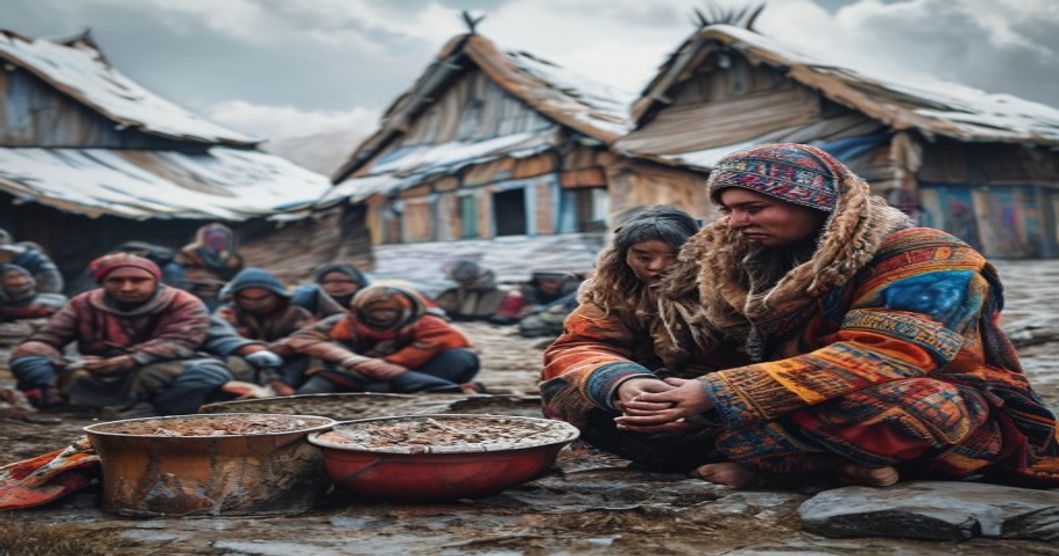
The Importance of Community in Sami Life
The Sami peoples, indigenous to the Arctic regions of Norway, Sweden, Finland, and Russia, have historically sustained their identity through tightly knit community structures that function as both social networks and economic frameworks. Unlike conventional settlement models, Sami communities operate on principles of shared resource management, intergenerational knowledge transfer, and collective decision-making. These mechanisms emerged from centuries of adaptation to harsh northern climates and shifting ecological conditions.
Central to this communal framework is the practice of siida, a traditional cooperative unit that manages reindeer herding, hunting grounds, and fishing territories. The siida system requires precise coordination among families, ensuring sustainable grazing patterns while distributing labor according to seasonal demands. This structure prevents resource depletion and maintains ecological balance across vast tundra and taiga landscapes.
- Reindeer herding remains the economic backbone, with herd management requiring synchronized movement across international borders and strict adherence to weather-dependent migration routes.
- Sami languages, encompassing over a dozen distinct dialects, are preserved through community-led immersion programs, elder mentorship, and oral storytelling traditions that encode historical navigation techniques and botanical knowledge.
- Traditional governance relies on consensus-based councils where land use rights, conflict resolution, and cultural preservation are negotiated without centralized authority.
External pressures from state policies have consistently threatened these communal networks. Forced assimilation campaigns during the nineteenth and twentieth centuries suppressed indigenous languages and restricted seasonal migrations. Community resilience emerged through organized advocacy, legal battles over land rights, and the establishment of indigenous parliaments that institutionalize collective representation.
Contemporary Sami communities now integrate modern infrastructure while reinforcing traditional bonds. Digital mapping projects document ancestral grazing routes, youth initiatives revive joik vocal traditions, and cross-border cooperatives negotiate sustainable tourism models that prioritize cultural sovereignty over commercial extraction.
The continuity of Sami identity depends entirely on maintaining these interconnected systems. When communal ties weaken, language attrition accelerates, ecological management fails, and cultural practices fragment. Strong community networks provide the structural foundation necessary to navigate geopolitical pressures, climate shifts, and economic transitions without sacrificing indigenous autonomy.
Historical Foundations of Sami Social Organization
The historical architecture of Sami society emerged from centuries of adaptive survival in subarctic and arctic ecosystems, where communal interdependence dictated cultural continuity. Pre-colonial communities organized themselves around the sijdda, a semi-autonomous territorial unit that functioned as both an economic cooperative and a social governance structure. Each sijdda encompassed specific hunting grounds, fishing waters, and seasonal reindeer pastures, with boundaries negotiated through consensus rather than formal borders.
- Leadership within these units relied on experienced hunters, skilled reindeer herders, and noaidi (spiritual intermediaries) who maintained ecological balance and mediated disputes.
- Decision-making operated through assembly-based dialogue, where every household head held voting rights proportional to their contribution to collective resource management.
- Kinship networks formed the backbone of this system, tracking lineage through patrilineal and matrilineal ties to ensure land use rights and grazing schedules passed systematically across generations.
Seasonal migration patterns required synchronized movement, meaning that food preservation techniques, snow shelter construction, and sled craftsmanship were taught through hands-on apprenticeship rather than formal instruction. Knowledge of animal behavior, weather reading, and medicinal botany remained strictly community-owned, guarded against exploitation by external traders or colonial administrators. Resource distribution followed strict reciprocal protocols. Surplus meat, hides, and antlers were allocated according to household size, age, and health status, preventing hoarding and reinforcing mutual obligation.
Festivals served as legal and spiritual forums where debts were settled, marriages arranged, and ecological calendars synchronized. These historical mechanisms established a resilient framework that prioritized collective welfare over individual accumulation, embedding reciprocity into the cultural memory of Sami peoples. Even under centuries of assimilation policies, these foundational structures persisted in modified forms, demonstrating how deeply social cohesion was woven into survival itself.
Traditional Kinship Networks and Mutual Support Systems
Traditional Sami society relied on extended kinship structures that dictated land use, labor allocation, and resource management across generations. These networks functioned as operational frameworks for survival in Arctic environments rather than informal social groups. Family units coordinated seasonal movements, shared grazing routes, and pooled labor during critical periods such as calving, branding, and autumn migrations. Decision-making rested with elders who possessed detailed ecological knowledge, including snow conditions, reindeer behavior, and historical weather patterns. This authority ensured sustainable practices long before modern conservation frameworks existed.
Mutual aid operated through strict reciprocity rather than charity. When a household faced livestock loss due to blizzards or predation, neighboring kin provided draft animals, sleds, or temporary shelter without expectation of immediate repayment. Food stores were distributed according to need, and surplus harvested during productive summers was stored for lean winters. Marriage alliances strategically expanded these networks, linking distant clans and securing access to diverse ecological zones. Seasonal rotation patterns prevented overgrazing and allowed pastures to recover naturally. Disputes over grazing boundaries or hunting grounds were resolved through mediated family councils rather than external legal systems, preserving social cohesion.
- Cooperative Labor Allocation: Adults divided tasks by expertise—youth handled reindeer rounding while elders managed navigation and camp logistics.
- Resource Pooling Mechanisms: Meat, hides, and antlers were shared across households, preventing individual famines during climate fluctuations.
- Intergenerational Skill Transmission: Children learned tracking, sled repair, and traditional navigation through direct participation rather than formal instruction.
- Crisis Response Protocols: Kin networks activated immediately when members fell ill or suffered equipment failure, ensuring continuous mobility and food security.
These kinship-driven systems minimized reliance on external markets and state infrastructure. Economic decisions prioritized community stability over individual accumulation, reinforcing long-term ecological balance. Modern policy frameworks that ignore these historical support structures often fail to address the underlying social architecture that enabled Sami resilience for centuries. Understanding this operational model remains essential for designing culturally aligned development strategies.
Livelihood Economics and Collective Resource Management
Traditional Sami livelihood economics operated through tightly integrated cooperative networks rather than individual land ownership. The foundational unit, known as the siida, functioned as a self-regulating economic entity where grazing territories, fishing waters, and hunting grounds were distributed according to seasonal necessity and herd capacity. Resource allocation followed strict customary protocols that prioritized long-term ecological stability over immediate profit. Herd rotations prevented pasture degradation, while shared labor pools managed calving seasons, predator control, and emergency veterinary care. Knowledge transmission relied on direct mentorship across generations, ensuring precise understanding of microclimates, snow density, and reindeer migration corridors.
Modern legal frameworks increasingly recognize these customary systems, yet market integration introduces competing pressures. When communal governance fragments, land consolidation reduces herd mobility, increases dependency on external subsidies, and accelerates pasture depletion. Conversely, strong cooperative networks sustain traditional crafts, native seed banking, and regulated eco-tourism ventures that reinforce economic independence. Contemporary herders now combine satellite tracking, digital mapping, and climate data with ancestral route knowledge to optimize grazing efficiency. This hybrid approach maintains the core principle that resource viability depends entirely on social cohesion rather than isolated ownership.
Historical tax records and colonial surveys consistently document how collective stewardship prevented ecosystem collapse long before Western environmental theory formalized it. Sami communities developed tiered grazing zones that aligned with alpine tundra, boreal forest, and coastal fjord ecosystems, requiring precise coordination across multiple siida groups during winter migrations. Financial resilience emerged through reciprocal exchange networks where reindeer meat, fish stocks, and crafted tools circulated without currency, reducing exposure to external market fluctuations. When external corporations or state agencies imposed single-use land concessions, traditional cooperative structures fractured, leading to rapid economic dependency and ecological degradation.
Contemporary resource management plans now mandate community-led impact assessments before infrastructure development or renewable energy projects proceed within traditional territories. These assessments evaluate cumulative grazing pressure, vegetation regeneration rates, and wildlife corridor integrity using both remote sensing technology and field-based ecological sampling. Economic modeling demonstrates that decentralized decision-making reduces operational risks during climate volatility, as localized knowledge adapts faster than centralized bureaucratic responses. Profit distribution mechanisms remain strictly tied to participation thresholds, ensuring that economic benefits directly fund herd rehabilitation, equipment modernization, and youth apprenticeship programs.
- Tiered Ecosystem Utilization: Winter pastures in high tundra regions, summer grazing in boreal valleys, and coastal fishing zones operated as interconnected economic layers requiring synchronized movement schedules.
- Reciprocal Exchange Mechanisms: Non-market trade networks distributed surplus resources across family units, ensuring equitable access to winter fodder, fishing gear, and shelter materials during extreme weather events.
- Collective Monitoring Protocols: Regular community assemblies tracked herd health metrics, weather anomalies, and grazing pressure, enabling rapid adjustments to migration schedules without external intervention.
Oral Tradition and Intergenerational Knowledge Transfer
The preservation of Sámi cultural identity relies heavily on spoken transmission rather than written documentation. Elders serve as living archives, encoding centuries of ecological observation, survival techniques, and spiritual frameworks into daily conversations and ceremonial gatherings. Reindeer herding practices exemplify this mechanism: navigation across Arctic terrain, seasonal migration patterns, and animal health diagnostics are rarely documented in manuals but transmitted through direct mentorship and narrative instruction. Young herders learn to read ice formations, track wildlife movements, and interpret wind shifts by listening to experienced handlers during field work.
- Language functions as the primary vessel for this transfer. Each Sámi dialect carries unique terminology for snow conditions, reindeer behavior, and landscape features that lack direct equivalents in national languages.
- When elders teach children through storytelling or joik melodies, they embed geographic knowledge, historical events, and ethical guidelines into rhythmic structures that enhance memorization.
- Community assemblies such as sijdda meetings historically functioned as decentralized educational hubs where disputes were resolved, resource allocations were negotiated, and ancestral lineages were recited to reinforce social cohesion.
Modern adaptation has not replaced oral frameworks but expanded their reach. Audio recordings of elder narratives, digital mapping initiatives co-led by indigenous knowledge holders, and community-run language immersion programs demonstrate how traditional transmission methods integrate with contemporary tools. The physical presence of generations sharing space remains irreplaceable; tactile learning through duodji craftsmanship, shared meals during winter months, and collective decision-making processes ensure that abstract concepts transform into lived experience. Knowledge retention depends on continuous interaction rather than static preservation, making community proximity essential for cultural continuity.
Sami Language Preservation Through Community Participation
The survival of Sami languages hinges on intergenerational transmission and daily usage within indigenous communities. Community-driven initiatives replace top-down preservation models with organic, context-rich language ecosystems. When families prioritize speaking Sami at home, children acquire native phonology and syntactic structures before formal education begins. Village gatherings, reindeer herding camps, and traditional craft workshops function as natural immersion environments where lexical acquisition occurs through practical application rather than classroom instruction.
- Digital grassroots development: Community members create open-source dictionaries, archive elder interviews, and produce social media content in North Sami, Lule Sami, and South Sami. These platforms bypass institutional gatekeepers, allowing speakers to standardize orthography while preserving regional dialects.
- Educational integration: Local schools that incorporate community elders into language curricula demonstrate higher retention rates because learners connect grammatical patterns to lived cultural experiences.
Economic incentives reinforce linguistic vitality. Indigenous tourism enterprises hire bilingual guides who narrate ancestral land names and hunting techniques in Sami, transforming linguistic competence into sustainable livelihoods. Cooperative businesses that label products with multilingual packaging including Sami terminology generate market visibility while normalizing the language in commercial spaces. Municipal funding tied to native speaker employment creates structural support for language nests and adult literacy programs.
- Policy advocacy: Community networks reverse historical assimilation fragmentation through deliberate lobbying and peer mentorship.
- Youth-led media production: Traditional joik vocalization archives and cross-border Sami language coalitions establish feedback loops that continuously refresh vocabulary for modern contexts without eroding historical roots.
Sustained participation ensures the language adapts to technological and environmental shifts while maintaining grammatical integrity across dialects. Language vitality correlates directly with the frequency of unstructured social interaction, meaning preservation efforts must prioritize daily usage over archival documentation alone. Community radio stations broadcast weather updates, agricultural advice, and local news in Sami, creating consistent auditory exposure that reinforces vocabulary retention. Volunteer-led translation collectives convert technical manuals into regional dialects, enabling practical literacy while validating contemporary terminology. When speakers actively negotiate meaning through shared labor, trade, and cultural ceremonies, the language evolves organically rather than remaining fixed in historical texts.
Modern Challenges Threatening Sami Community Cohesion
Industrial expansion across northern Fennoscandia continues to fragment traditional grazing corridors essential for reindeer husbandry. Wind farms, logging concessions, and mineral extraction projects frequently bypass indigenous consultation protocols, directly undermining the spatial foundations of Sami seasonal migrations. When pastures are divided by infrastructure or contaminated by heavy metals, herding operations become economically unviable, forcing families to abandon ancestral livelihoods.
Language revitalization efforts face persistent structural headwinds despite institutional support. School curricula in Norway, Sweden, and Finland often limit Sami instruction to basic literacy, leaving older generations unable to transmit dialectal nuances or ecological knowledge embedded in native terminology. This intergenerational gap weakens the oral traditions that historically bound villages together during winter gatherings and spring calving seasons.
- Economic dependency on external markets pushes younger demographics toward urban employment centers, accelerating outmigration from coastal and inland settlements.
- Administrative centralization replaces traditional consensus building with rigid bureaucratic frameworks that rarely accommodate seasonal mobility or kinship networks.
- Digital fragmentation creates parallel information ecosystems where algorithm-driven content prioritizes mainstream narratives over localized cultural documentation.
Resource extraction concessions granted without free, prior, and informed consent directly contradict international indigenous rights frameworks. Municipal zoning decisions frequently prioritize short-term fiscal gains over long-term ecological stability, forcing communities to navigate complex litigation rather than maintain social bonds. The erosion of collective decision-making processes accelerates internal divisions, as financial compensation schemes often benefit individual stakeholders more than cooperative institutions. Traditional land use patterns require continuous negotiation with neighboring municipalities, yet legal recognition remains fragmented across national jurisdictions.
Climate volatility further destabilizes established seasonal rhythms. Unpredictable ice formation disrupts winter roads critical for community supply chains and cultural exchanges. Simultaneously, warmer temperatures increase parasite loads on reindeer populations, demanding adaptive strategies that strain traditional knowledge systems. These compounding pressures require coordinated institutional responses rather than isolated individual adaptations. Educational pipelines often channel youth away from pastoral economics toward standardized professions, diminishing the labor force required to sustain intergenerational transfers.
Land Rights Disputes and Territorial Fragmentation
The historical foundation of Sami territorial continuity relies on customary land use practices that predate modern nation-state boundaries. Centuries of seasonal reindeer migration routes, fishing grounds, and berry harvesting territories were systematically overlaid by forestry concessions, mining licenses, and infrastructure projects without indigenous consultation. This spatial fragmentation directly disrupts the ecological and social mechanisms that sustain Sami community networks. When ancestral pastures are divided by fences, roads, or industrial zones, knowledge transmission regarding herd management breaks down across generations.
- Nordic legal frameworks classify reindeer husbandry as a land use right rather than absolute ownership, creating persistent jurisdictional conflicts between state agencies and local duodji councils.
- Cross-border litigation frequently centers on treaty interpretation, constitutional protections, and ILO Convention 169 ratification status across Norway, Sweden, Finland, and Russia.
- Enforcement gaps allow wind energy installations and logging operations to expand across Finnmark and Lapland despite court rulings requiring functionally intact grazing corridors.
Territorial fragmentation accelerates linguistic erosion because place names encode environmental data essential for seasonal decision-making. When landscapes are renamed or obscured by industrial signage, traditional ecological knowledge loses its spatial anchor. Sami youth organizations now deploy drone surveying and GIS mapping to document route usage patterns that contradict official land registries. Municipal planning committees frequently override these submissions by citing national economic development mandates.
Resource extraction permits continue to trigger coordinated protests that unite northern and southern Sami districts. Joint petitions target the European Court of Human Rights for violations regarding private life and non-discrimination protections. Indigenous legal advocates emphasize that territorial integrity functions as a prerequisite for cultural survival rather than an economic demand. Community councils now require mandatory consultation protocols before any zoning changes within historical reindeer herding areas.
- Institutional safeguards aim to restore spatial continuity while preserving decentralized decision-making processes that historically prevented external exploitation of communal resources.
- Legal strategy centers operating in Tromsø, Umeå, and Rovaniemi standardize evidence collection for soil contamination testing and cross-border herder coordination.
Climate Change Impact on Traditional Gathering Patterns
Traditional Sami communities historically organized seasonal gatherings around precise ecological markers, synchronizing reindeer movements, shared labor during roundups, and intergenerational knowledge transfer. Climate disruption has fractured this temporal alignment. Unpredictable freeze-thaw cycles create impermeable ice layers over lichen pastures, forcing herds to scatter across unfamiliar territories. Herders now face extended travel distances to locate viable grazing zones, diluting the coordinated efforts that once defined autumn gatherings and spring calving camps. As migration corridors shift northward or ascend to higher elevations, fixed meeting points lose geographic relevance, fragmenting what were once predictable communal rhythms.
The ecological volatility directly undermines economic stability and cultural continuity. Reduced lichen availability lowers reindeer body condition, which diminishes meat yield and compromises hide quality for traditional duodji craftsmanship. Extended separation periods weaken informal networks that facilitate resource sharing, emergency response, and collective decision-making during regional assemblies. Younger generations encounter interrupted apprenticeship cycles, as irregular herd movements reduce opportunities to observe migration navigation, ice safety protocols, and seasonal processing techniques. Historical gathering sites experience altered hydrological patterns, with premature snowmelt creating muddy conditions that delay pasture recovery and damage traditional tent structures.
- Disrupted lichen growth cycles force herders to abandon established meeting coordinates in favor of satellite-monitored grazing zones
- Extended isolation periods reduce participation in seasonal festivals, weakening linguistic transmission and craft workshops that rely on dense social interaction
- Unstable ice formations increase equipment failures during transport, requiring costly replacements for traditional sleds and snowmobile maintenance routines
- Migratory route shifts correlate with declining attendance at regional council meetings, fracturing consensus-building mechanisms essential for land-use negotiations
Communal resilience now depends on adaptive coordination rather than fixed calendars. Herding families integrate real-time weather data and satellite imagery to negotiate flexible gathering windows, yet this technological reliance cannot fully replicate the spontaneous collaboration that emerges from shared physical presence. The erosion of predictable meeting patterns directly compromises the social infrastructure that sustains Sami cultural identity, requiring structural adjustments in how knowledge, resources, and collective action are organized across generations.
Urbanization and Youth Migration from Rural Areas
Rural depopulation among Sami communities has accelerated as younger generations relocate to regional hubs seeking tertiary education and diversified employment. Traditional livelihoods such as reindeer husbandry, coastal fishing, and artisanal crafts struggle to sustain multi-generational households when market volatility and climate shifts reduce resource predictability. Urban centers offer structured career pathways in healthcare, technology, and public administration, creating a demographic pull that rural municipalities cannot match. This migration pattern fractures the geographic continuity essential for transmitting place-based ecological knowledge.
- Economic Polarization: Municipal service consolidation centralizes secondary schooling, specialized healthcare, and administrative functions away from peripheral settlements, forcing families to choose between cultural rootedness and accessibility.
- Linguistic Friction: Daily interaction shifts to dominant national tongues within educational and professional environments, compressing the functional domains of Sami languages and accelerating intergenerational language attrition.
- Knowledge Transfer Disruption: Elders who historically guided seasonal grazing routes, ice fishing techniques, and botanical foraging now face isolated aging populations without structured apprenticeship pipelines or land access guarantees.
Youth who remain navigate dual identities, balancing digital engagement with global indigenous networks while maintaining physical ties to ancestral territories. Urban Sami organizations have emerged as critical infrastructure, providing cultural programming, legal advocacy, and language immersion workshops that mitigate isolation. Remote monitoring technologies and satellite mapping now enable herders to maintain operational oversight across dispersed landscapes, partially offsetting the loss of on-ground mentorship. Nevertheless, structural realignment demands sustained investment in decentralized education models, subsidized housing near traditional work zones, and policy frameworks that recognize indigenous land tenure as foundational to socioeconomic stability. The sustainability of Sami social cohesion depends on aligning economic development with cultural continuity rather than treating migration as an irreversible demographic outcome.
- Policy Interventions: Intergenerational knowledge transfer requires formalized mentorship grants, mobile learning units tailored to seasonal work cycles, and municipal zoning that protects grazing corridors from commercial sprawl.
- Infrastructure Adaptation: Co-located cultural centers within regional universities preserve linguistic vitality while offering academic credentials, creating hybrid pathways that honor traditional expertise alongside modern qualifications.
Without coordinated regional planning and targeted funding streams, rural depopulation will continue to erode the social fabric that historically sustained Sami resilience across extreme northern environments. Reversing this trajectory requires treating community infrastructure as economic assets rather than cultural preservation projects.
Digital Connectivity and Virtual Community Building
The geographic dispersion of Sámi populations across Norway, Sweden, Finland, and Russia historically limited face-to-face interaction, yet digital infrastructure has fundamentally altered how these communities maintain cohesion. Remote settlements in Sápmi have experienced steady improvements in broadband and mobile networks, enabling reliable access to online resources despite traditionally harsh environmental conditions. This technological shift allows individuals who live outside core cultural hubs to participate actively in communal activities without physical relocation.
Virtual platforms now serve as critical repositories for language preservation and cultural transmission. Digital archives host thousands of hours of recorded joik performances, traditional duodji workshops, and historical documentation that might otherwise remain inaccessible. Younger generations utilize dedicated forums and social media groups to practice endangered Sámi dialects alongside fluent speakers. Educational initiatives leverage video conferencing tools to deliver standardized curricula in indigenous languages, ensuring continuity despite scattered demographics.
- Real-time collaboration on cultural projects reduces travel costs and accelerates knowledge exchange across municipal boundaries.
- Crowdsourced mapping applications document traditional land-use patterns, strengthening territorial claims and resource management strategies.
- Moderated digital spaces provide secure environments for discussing contemporary issues affecting indigenous rights, healthcare access, and educational reform.
Despite these advancements, the digital transition presents measurable challenges. Infrastructure gaps persist in northernmost municipalities, creating uneven access to virtual networks. Data sovereignty remains a strategic priority, with community leaders advocating for locally controlled servers that protect traditional knowledge from commercial exploitation. Successful virtual community building requires intentional design principles that prioritize accessibility, linguistic diversity, and intergenerational mentorship. When implemented correctly, digital connectivity functions not as a replacement for physical gathering, but as an extension of longstanding Sámi practices of mutual support and collective resilience.
Strategies for Sustaining Sami Social Structures
Sustaining Sámi social structures demands precise alignment between ancestral governance mechanisms and contemporary policy architectures. The siida network remains the operational core, functioning as a localized administrative unit where resource allocation, seasonal migration planning, and conflict resolution operate through consensus-based deliberation. Modern preservation frameworks prioritize statutory recognition of traditional territories, securing legal boundaries that protect reindeer grazing corridors from extractive industry encroachment. Municipal authorities now implement binding land-use compacts that integrate indigenous ecological knowledge into regional development permits, ensuring infrastructure projects comply with seasonal pastoral requirements.
Intergenerational continuity relies on structured mentorship pipelines connecting experienced herders with youth cohorts. These programs deploy GPS-enabled tracking systems to record grazing patterns, pasture regeneration rates, and historical landmark locations, transforming oral histories into actionable geographic datasets. Educational partnerships across Norway, Sweden, Finland, and Russia embed Sámi pedagogical standards into accredited training modules, emphasizing place-based instruction and indigenous ecological methodologies. Youth councils now participate directly in municipal budgeting sessions, redirecting public funds toward cultural infrastructure, language revitalization centers, and community health initiatives.
- Treaty Enforcement Mechanisms: Systematic monitoring of International Labour Organization Convention 169 compliance guarantees enforceable land tenure rights and free, prior, informed consent protocols for development projects.
- Community Data Sovereignty: Independent digital archives manage dialect recordings, duodji craft specifications, and veterinary practices under strict indigenous control, preventing external commercial appropriation.
- Economic Resilience Models: Cooperative enterprises in sustainable tourism, ethically sourced reindeer products, and traditional textile markets generate autonomous revenue streams that finance cultural programming without state dependency.
Institutional co-management boards now oversee forest regeneration, wildlife population tracking, and water quality monitoring across northern territories. These structures distribute voting authority equally between Sámi representatives and government appointees, replacing historical exclusion with participatory administration. Technical training centers deliver certification in land surveying, environmental law, and digital preservation, creating a continuous pipeline of culturally grounded professionals. Cross-border networking platforms standardize best practices for social adaptation while preserving regional operational distinctions, ensuring long-term institutional stability across dispersed Sámi settlements.
Educational Programs and Cultural Revitalization Initiatives
Community-driven educational frameworks form the structural foundation of Sami cultural continuity. Schools operating under indigenous governance establish curricula around mother-tongue instruction, positioning North, Lule, and South Sami languages as primary academic mediums rather than supplementary electives. These programs embed traditional ecological knowledge directly into mathematics and science modules, teaching land navigation through seasonal migration patterns and resource allocation via historical grazing documentation. Classroom environments prioritize participatory pedagogy where certified instructors collaborate with community elders, ensuring formal accreditation aligns with lived expertise.
Cultural revitalization initiatives function through parallel community infrastructure that reinforces educational outcomes. Digital archiving projects capture oral histories, traditional craft techniques, and seasonal rituals in accessible repositories while maintaining strict data sovereignty protocols managed by regional Sami councils. Apprenticeship networks systematically pair youth with master practitioners of duodji (traditional handicrafts), joik vocalization, and boat-building methods previously transmitted exclusively through family lineages. These structured mentorship pathways generate measurable skill acquisition metrics and strengthen neighborhood cohesion around shared practice.
- Language Immersion Schools: Full-day curricula where Sami replaces foreign languages for core academic subjects, producing documented fluency gains across adolescent demographics.
- Intergenerational Knowledge Hubs: Community centers hosting weekly workshops where reindeer husbandry cycles, atmospheric prediction techniques, and natural textile dyeing processes receive systematic documentation.
- Indigenous Research Partnerships: University collaborations that fund student-led fieldwork mapping historical settlement patterns and validating oral geographic records through satellite analysis.
Sustained investment in these structures generates compounding social returns. Communities maintaining active educational pipelines report higher youth retention rates, reduced dependency on external administrative systems, and strengthened intergenerational trust metrics. Cultural revitalization ceases to function as preservation alone when embedded within daily learning ecosystems, transforming historical continuity into adaptive community resilience capable of navigating contemporary socioeconomic shifts while maintaining distinct Sami identity frameworks.
Intergenerational Mentorship and Skill Transmission
The transmission of traditional Sámi knowledge operates through a deeply rooted system of intergenerational mentorship that functions outside formal educational frameworks. Within the siida structure, experienced herders, artisans, and language speakers embed instruction into daily routines rather than isolated lessons. Youth learn by observing, assisting, and eventually leading tasks alongside elders during seasonal migrations, craft workshops, and communal gatherings. This method ensures that ecological literacy, cultural values, and technical expertise remain intact across generations.
Core competencies are preserved through deliberate practice and contextual storytelling. Reindeer husbandry requires precise understanding of snow conditions, lichen growth cycles, and animal behavior patterns. Elders teach route selection, calving techniques, and veterinary interventions by sharing generational observations rather than written manuals. Similarly, duodji artisans transmit material science knowledge—selecting antler grain, treating hides, and carving functional tools—while embedding ethical principles about resource sustainability into each step.
- Language acquisition occurs through immersive interaction, where grammar and vocabulary are tied to environmental landmarks, hunting narratives, and kinship protocols.
- Joik performance serves as an acoustic archive, encoding topographical data, historical events, and spiritual beliefs that guide future generations.
- Navigation and survival techniques rely on reading wind patterns, vegetation shifts, and celestial markers, all validated through repeated field application under elder supervision.
Modern adaptations have integrated digital recording projects, Sámi-language immersion schools, and regional craft cooperatives to reinforce these pathways without diluting their communal foundation. Mentorship networks now connect remote households with urban Sámi youth through seasonal camps, apprenticeship grants, and cross-generational knowledge exchanges. This structured yet organic approach maintains cultural continuity while addressing contemporary challenges such as climate volatility, land rights negotiations, and economic diversification.
The persistence of this mentorship model directly correlates with community resilience. When knowledge flows freely across age groups, households develop shared problem-solving frameworks that adapt to shifting regulations and environmental conditions. Cultural identity remains anchored in practiced competence rather than symbolic representation, ensuring that Sámi communities retain autonomous decision-making capacity regarding territory management, heritage preservation, and socioeconomic development.
Conclusion: Preserving Collective Resilience in Sami Societies
Collective resilience within Sami societies operates through interconnected systems of cultural continuity and adaptive governance.
The siida framework remains central to this dynamic, functioning as a self-regulating community unit that coordinates resource management, conflict resolution, and seasonal migration routes. Modern pressures require this structure to evolve while maintaining its core principles of shared responsibility and ecological balance.
- Intergenerational transmission of reindeer husbandry techniques ensures survival in extreme Arctic conditions
- Language revitalization programs embed traditional vocabulary directly into digital learning platforms
- Community-led land claims establish legal precedents that protect migration corridors from industrial expansion
Economic models rooted in Sami values prioritize sustainability over extraction. Duodji craftsmanship, seasonal fishing agreements, and culturally regulated tourism generate income while reinforcing social bonds. These enterprises operate under consensus-driven leadership rather than hierarchical control, distributing benefits across extended family networks.
Climate volatility demands continuous adaptation. Traditional place names encode detailed weather patterns and ice conditions that modern meteorological data often overlooks. Researchers collaborating with Sami elders combine satellite imagery with oral histories to predict pasture degradation and adjust grazing schedules accordingly.
Youth initiatives bridge historical practices with contemporary tools. Podcast production, drone mapping of ancestral routes, and bilingual educational curricula strengthen identity formation without compromising traditional epistemologies. Cultural institutions now function as active research hubs rather than static repositories.
Social cohesion persists through shared labor during slaughter seasons, communal processing of meat, and collective decision-making during winter assemblies. These practices generate measurable psychological benefits, reducing isolation in remote settlements while maintaining autonomy from external administrative systems.
Legal recognition of Sami customary law strengthens institutional frameworks that protect collective rights. Court victories regarding grazing permits and language use in public services establish enforceable standards that prevent assimilation policies from eroding community structures.
Knowledge preservation operates through multidimensional documentation strategies. Oral storytelling circles record ecological observations alongside genealogical data, creating living archives that adapt to environmental shifts. Digital mapping projects overlay historical migration paths with current satellite vegetation indices, enabling precise pasture management during extended drought periods.
Community health outcomes correlate directly with cultural engagement levels. Settlements maintaining active joik traditions demonstrate lower rates of youth depression and higher participation in traditional food procurement. These patterns confirm that identity reinforcement functions as a structural protective factor against socioeconomic marginalization.
“`html
Frequently Asked Questions
What is The Importance of Community in Sami Life?
Community is the cornerstone of Sami life, shaping every aspect of culture, identity, and survival. In traditional Sami society, strong communal bonds ensured collective resource management, particularly for reindeer herding, fishing, and hunting. The concept of “duodji” (handicrafts) and shared knowledge transmission across generations reinforce social cohesion. Today, the Sami community remains vital in preserving the Sami language, resisting cultural assimilation, and advocating for land rights and self-determination. Community gatherings such as the Sami Parliament meetings, cultural festivals like the Riddu Riđđu festival, and local siidas (traditional Sami communities) continue to unite the Sami people across borders of Norway, Sweden, Finland, and Russia.
Key facts about The Importance of Community in Sami Life
Here are the key facts regarding the importance of community in Sami life: (1) The Sami people have historically lived across northern regions of Norway, Sweden, Finland, and Russia, with community being essential for coordinating seasonal reindeer migrations. (2) The siida is the traditional Sami social unit responsible for managing grazing lands and making collective decisions. (3) Language preservation is a communal effort, with Sami-language schools and media playing a critical role in revitalizing endangered Sami languages. (4) Political representation through the Sami Parliaments of Norway, Sweden, and Finland underscores the community’s ongoing fight for autonomy and cultural recognition. (5) Traditional practices such as joik singing, duodji crafts, and reindeer husbandry are passed down within communities, reinforcing intergenerational bonds and cultural continuity.
“`